Review · JAPANESE ONSEN TOURS
Private 2-Day Tour: Mt Fuji Hakone & Kamakura + Onsen Ryokan
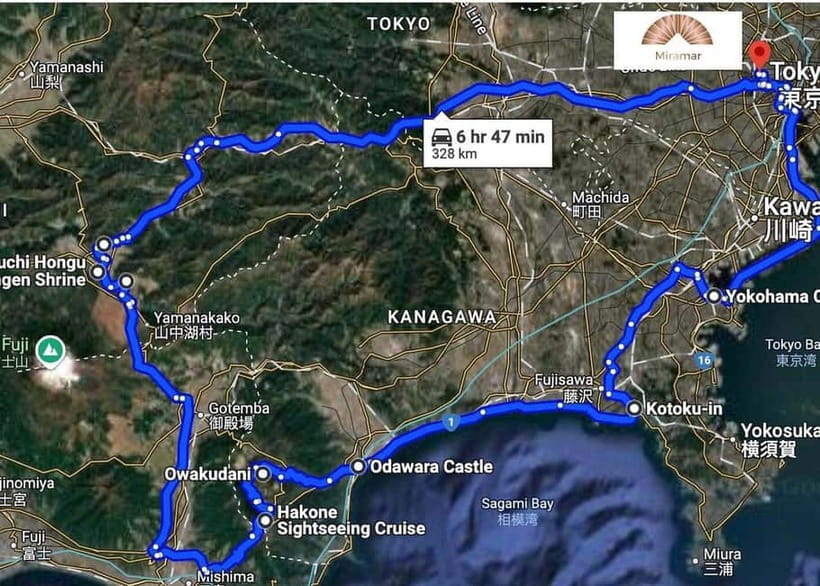
Fuji rewards a little extra time. This private two-day trip links Mount Fuji viewpoints, Hakone hot springs, Odawara, and Kamakura without making you change hotels after every stop. I especially like the private vehicle, which gives you room to adjust the pace, and the ryokan stay with an onsen and kaiseki dinner, a far more meaningful night than a standard Tokyo hotel. The tradeoff is a packed schedule, and Mount Fuji visibility can never be promised.
The tour costs $838 per person, so it makes the most sense for couples, families, or small groups who value convenience and privacy over the lower cost of public transportation. Driver-guide Keith earned especially warm praise for answering questions, offering tips, and allowing plenty of time at the sights. Bring good walking shoes, warm layers, and patience for traffic.
Key details that shape the experience
- A private Toyota Alphard or Hiace gives your group hotel pickup in Tokyo’s 23 wards and a comfortable base for two long sightseeing days.
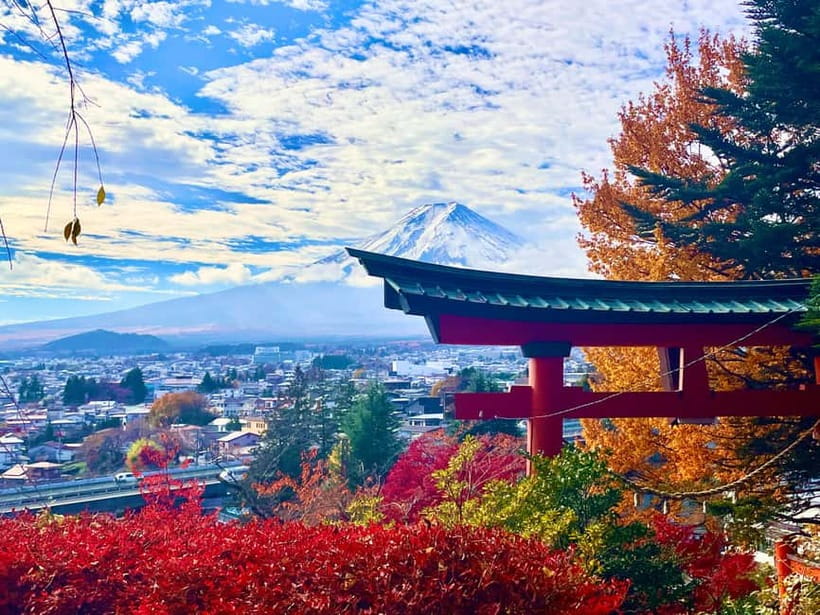
- Arakura Sengen Shrine provides the famous pagoda and Mount Fuji view, but reaching the viewpoint means walking and climbing.
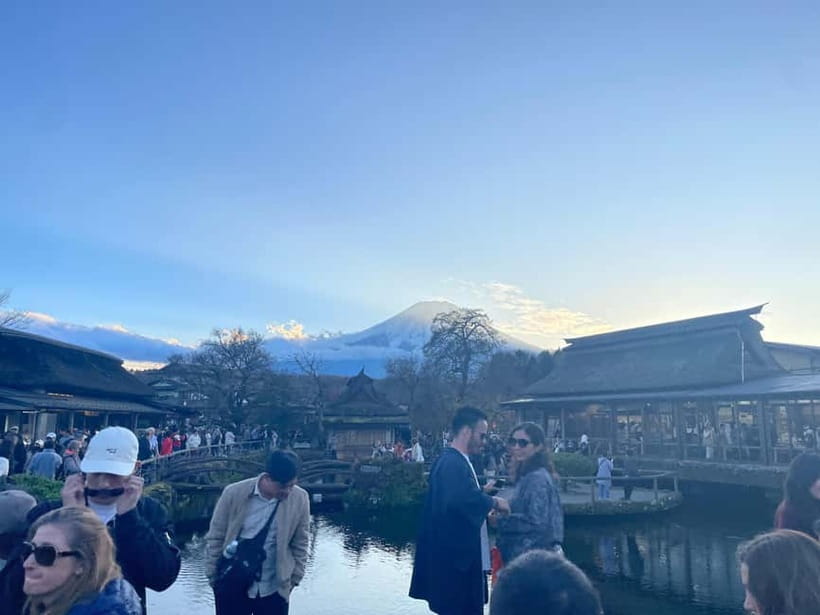
- Oshino Hakkai and Lake Kawaguchi offer different views of Fuji, from clear springs and village scenery to an easy lakeside stroll.
- The Hakone ryokan night includes an onsen, traditional Japanese breakfast, and a seasonal kaiseki dinner with fresh seafood.
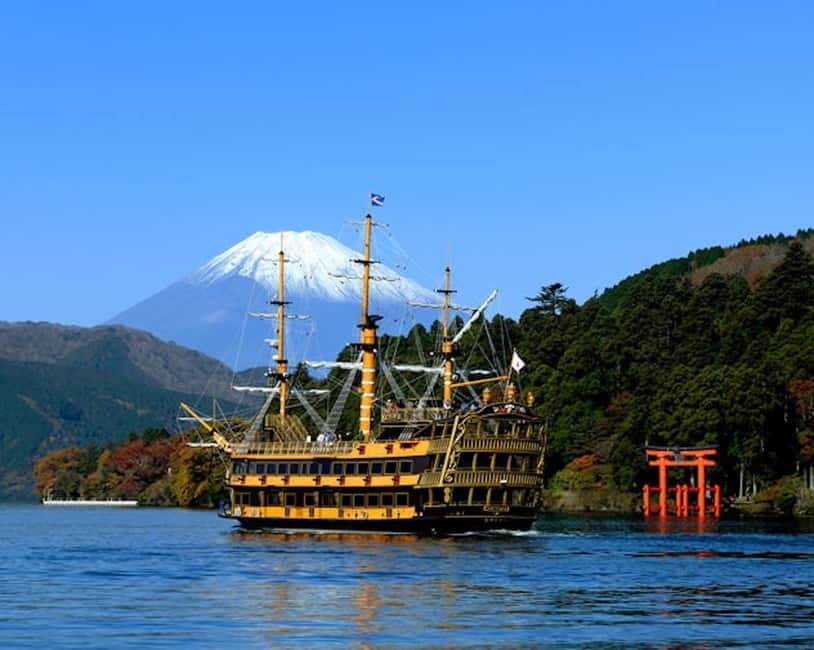
- Lake Ashi’s 45-minute cruise and Owakudani bring water views and volcanic scenery to the second morning.
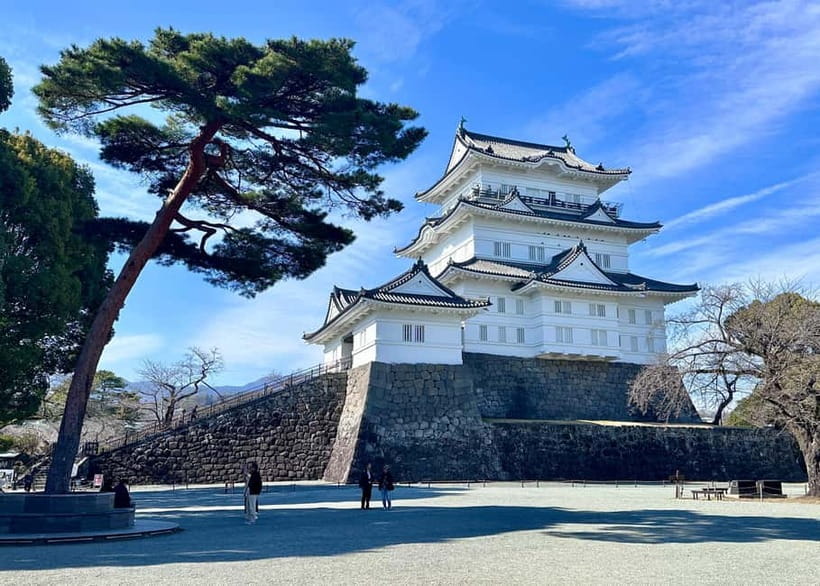
- Kamakura’s Great Buddha and Odawara Castle add Japanese history, while Yokohama Chinatown is included only if the clock allows.
Why two days works better than one
Mount Fuji, Hakone, and Kamakura are not one compact sightseeing zone. They spread across different parts of the region, and traffic can turn a simple-looking day into a long one. A private two-day plan gives you one night away from Tokyo and breaks up the driving.
The biggest benefit is not simply the number of stops. It is the change of mood. Day one focuses on Fuji views and shrines before moving to a traditional inn in Hakone. Day two shifts toward volcanic features, castle history, and Kamakura’s famous bronze Buddha.
You will still cover a lot of ground. The schedule includes roughly two hours from Tokyo to the Fuji area, about an hour back from the final Yokohama or Tokyo section, and several short visits along the way. This is sightseeing by vehicle, not a slow rural retreat.
I would choose this format if you have only a few days in the Tokyo area and want to see several major sights without arranging trains, buses, taxis, and hotel changes yourself. If you prefer long museum visits, quiet walks, or several hours at one shrine, the schedule may feel brisk.
More Hot Spring Day Trips in Japan
- [Seasonal Limited] Mt. Fuji 5th Station &Hot Spring Day Tour
★ 4.5 · 53 reviews - Full Day Hiking Tour at Mt.Takao including Hot Spring
★ 5.0 · 52 reviews - Mt. Fuji 5th, Oshino Hakkai, Onsen Full-Day Trip From Tokyo
★ 4.5 · 50 reviews
Day one: Lake Kawaguchi and Fuji viewpoints
The first morning takes you from Tokyo toward Lake Kawaguchi in a Toyota Alphard or Hiace. Pickup is available at a hotel or Airbnb inside Tokyo’s 23 wards, which saves you from crossing the city to meet a group.
At Lake Kawaguchi, the stop centers on Oishi Park and a short lakeside walk. This is a good opening sight because you can see Fuji from a broad, open setting rather than from a crowded urban street. The planned free time is about 30 minutes, enough for photographs and a quick stroll, but not enough for a long lakeside outing.
Mount Fuji is the star here, yet it is also the tour’s great uncertainty. Clouds can hide the summit even on an otherwise pleasant day. The schedule can change with the weather, and an alternative scenic stop may be offered if the mountain disappears. That flexibility is useful, but no private guide can manufacture a clear view.
Arakura Sengen Shrine and the famous pagoda view
Arakura Fuji Sengen Shrine is one of the tour’s major photo stops. The view combines a five-story pagoda, wooded hillside, and Mount Fuji in the distance. It is one of those classic Japan scenes that can make a long drive worthwhile.
The visit lasts about an hour and includes walking. You should wear comfortable shoes and expect some uphill effort to reach the best viewpoint. If you have limited mobility, ask about the walking demands before booking, since the supplied details do not specify an accessibility arrangement.
The shrine itself matters beyond the photograph. It links the modern Fuji sightseeing route with the religious traditions surrounding Mount Fuji. Still, this is a popular image, so the experience is more about the view and setting than a quiet, private shrine visit.
Oshino Hakkai and Kitaguchi Hongu Shrine
The route continues to Oshino Hakkai, called Ushino Hakkai in the supplied schedule. This area is known for clear spring water, traditional scenery, and Fuji views. You get about an hour to walk, take pictures, and browse. It is also the planned lunch area, with Houtou, a thick noodle dish associated with Yamanashi Prefecture.
Houtou is a useful local food stop because it gives you something tied to the region rather than a generic meal between attractions. Lunch is included on the first day. Lunch on day two is not included, so plan to pay for that yourself.
Kitaguchi Hongu Fuji Sengen Shrine follows with a shorter, roughly 30-minute visit. This shrine has a strong connection to pilgrimage routes leading toward Mount Fuji. Its appeal is calmer and more cultural than the wide Fuji photo stops, with a setting that helps explain why the mountain has long held religious importance in Japan.
The short time here means you will not get an extended shrine visit. I would treat it as a focused stop: walk through the grounds, notice the religious setting, and let your driver keep the day moving.
More Hot Spring Day Trips in Tokyo
- Full Day Tour at Mt. Fuji, Onsen, Lake Kawaguchi and Yamanaka
★ 4.0 · 24 reviews - Tokyo: Mt Fuji Lake Kawaguchi & Yamanaka Hot Spring Day Tour
★ 4.0 · 14 reviews - Mt. Fuji 5th Station, Oshino Hakkai and Hot Spring Day Trip
★ 3.5 · 13 reviews - Mt. Fuji Skiing Experience- YETI Ski Resort & Onsen Day Trip
★ 4.2 · 8 reviews
The ryokan night: onsen, dinner, and a slower Japanese rhythm
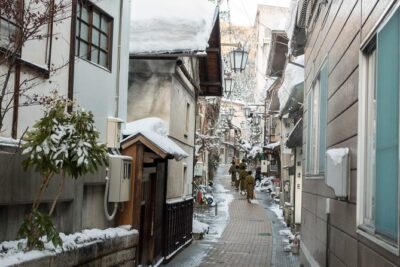
The overnight stay is the emotional center of the tour. In Hakone, you check into a traditional ryokan, listed as Tōnosawa Ichinoyu Honkan, and have several hours for the onsen before dinner.
A ryokan is not simply a hotel with Japanese decorations. The appeal is the change in routine: traditional rooms, hot-spring bathing, and meals served as part of the stay. The supplied details specify an onsen experience and a private onsen reference in the guest feedback, but you should confirm the exact bathing arrangement when booking if private use is important to you.
Dinner is a kaiseki-style meal with seasonal ingredients and fresh seafood. Kaiseki is served in multiple courses, so expect a meal designed around presentation, variety, and the time of year rather than one large plate. It is a valuable inclusion at this price because it turns the overnight stop into a cultural experience, not just a place to sleep.
Breakfast includes fish, rice, pickles, and miso soup. That meal prepares you for an early second day and gives you another taste of the ryokan format. You should bring a change of clothes and warm clothing, since mountain weather can shift quickly.
The main practical caution is that a traditional inn may feel less familiar than a Western hotel. The attraction is the Japanese style itself. If you want a completely standard room and flexible late-night dining, this may not be your ideal overnight.
Day two: Lake Ashi and Hakone’s volcanic valley
The second morning begins with a 9:30 AM boat departure on Lake Ashi. The cruise lasts about 45 minutes and ends at Togendai Port. From the water, you can see the lake, surrounding hills, and Mount Fuji when weather conditions cooperate.
This boat ride is one of the tour’s more relaxing segments. After a full first day, sitting on the lake gives you a break from the vehicle and walking. The fixed departure time also matters. You will need to be ready on schedule after breakfast, since a late start could affect the rest of the day.
Next comes Owakudani, a volcanic valley shaped by hot springs and sulfur vents. The area gives you a look at the active geological forces beneath Hakone rather than only its scenic side. You can walk through the area, see the vents, and buy the famous black eggs, which are boiled in sulfuric hot-spring water.
Owakudani can smell strongly of sulfur, and conditions may affect access. The schedule allows about 45 minutes, enough for a look and a short walk, but not an extended geological visit. On a clear day, this is also another chance for a Fuji view.
Odawara Castle adds a needed history stop
Odawara Castle breaks up the natural scenery with samurai-era history. The visit lasts about 45 minutes and is partly self-guided. You can walk through the grounds, visit the museum, and go up for views over the surrounding area.
This is not a full-day castle visit. You will get an introduction to the site and its role in Japanese history, but anyone wanting a detailed museum study will need more time than the schedule allows. I like its place in the route because it gives the trip some historical structure after the lakes and volcanic valley.
The castle grounds also offer a change in pace. Instead of another mountain overlook, you get gardens, architecture, and a chance to stretch your legs. Entrance fees to the mentioned sites are included, which keeps these short stops simple.
Kamakura’s Great Buddha and the possible Yokohama finish
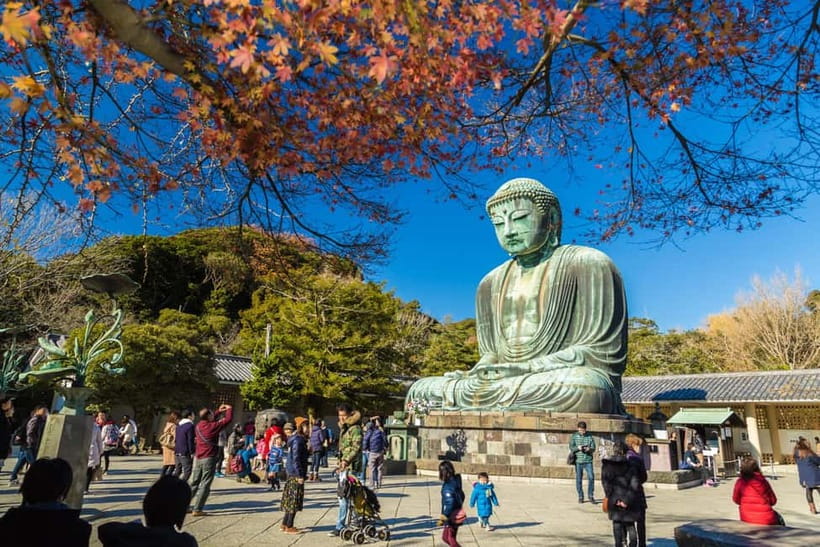
Kamakura brings the trip back to religious and cultural landmarks. The Kamakura Daibutsu is a massive bronze Buddha measuring more than 13 meters tall. The statue is the main focus of the stop, which is scheduled for about 30 minutes.
Thirty minutes is enough to see the Buddha, take photographs, and appreciate its scale. It is not enough for a broad tour of Kamakura’s temples and streets. If Kamakura is your main interest, ask in advance about customization, since the operator allows changes to sightseeing stops and meal arrangements upon request.
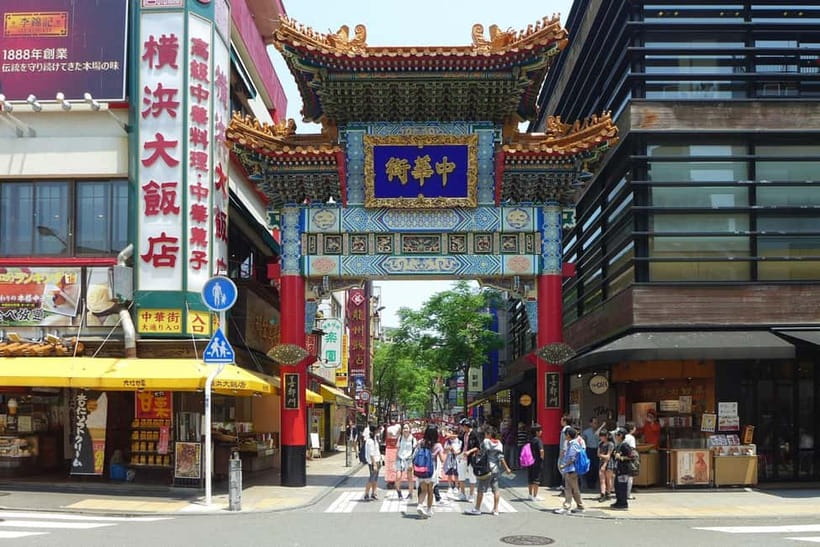
Yokohama Chinatown is a final possible stop, with about 30 minutes for photographs, walking, and shopping. It is included only if time permits. That condition is important because traffic, weather, and the length of earlier visits can easily remove it from the day.
Do not book this tour mainly for Chinatown. Treat it as a bonus on the way back to Tokyo. The core cultural stops are Fuji’s shrines, the Hakone ryokan, Odawara Castle, and Kamakura’s Great Buddha.
How the private vehicle changes the value
The private format is the tour’s strongest practical feature. Your driver meets you at your requested location in central Tokyo, and the vehicle remains dedicated to your group. You do not need to manage several train connections or work out how to move between rural sights.
A Toyota Alphard or Hiace also suits families and small groups better than a tight car. The vehicle is used for long transfers, so comfort matters. The driver can adjust the pace, and customization is possible for pickup points, sightseeing stops, and meal arrangements.
The driver is described as speaking English and Chinese. Keith was praised for answering many questions, giving useful tips, and allowing plenty of time at the stops. That is particularly helpful on a private route, where the quality of the driver can shape the whole day.
Still, an English-speaking driver is not the same as a specialist historian or licensed museum guide. You should expect practical guidance, local information, and help with the route. If you want detailed academic commentary at every shrine and castle, confirm the guide’s scope before paying.
Is $838 per person a fair price?
At $838 per person, this is expensive compared with building the trip yourself by train and public bus. The price becomes easier to justify if you are traveling as a small group and would otherwise need several taxis, a hotel night, meals, attraction tickets, and an onsen stay.
The package includes private transportation, Tokyo pickup and drop-off, entrance fees to the mentioned sites, first-day Houtou lunch, ryokan accommodation, kaiseki dinner, Japanese breakfast, and the Lake Ashi boat ride. You also avoid the time and stress of arranging the route yourself.
The value is strongest for people who want convenience and a polished two-day plan. It is weaker if you are comfortable with Japanese rail travel, prefer cheap local meals, or want to choose your own hotel. Remember to budget for the second day’s lunch and personal purchases.
Free cancellation is available up to 24 hours in advance according to the booking terms, while the more detailed policy lists charges beginning seven days before check-in. Since those details appear different, I would confirm the exact cancellation rule at booking.
Who should book this tour?
I would recommend it for families, couples, first-time visitors, and small groups who want to see a lot without handling rural transport. It also suits anyone who sees a ryokan and onsen as a central part of a Japan trip rather than an optional extra.
It is less suitable for independent visitors who want long, unhurried time in Kamakura or Hakone. It may also disappoint if your only goal is a guaranteed Mount Fuji photograph. Weather can hide the mountain, and the tour operates in rain except during extreme conditions.
Pack walking shoes, warm layers, a change of clothes, and your passport or identification. Smoking is not allowed in the vehicle or indoors, and pets are not allowed except assistance dogs.
Should you book it?
Book this tour if you want private transport, a traditional ryokan night, and a broad Fuji and Hakone route in only two days. The strongest reasons are the flexible pace, the onsen and kaiseki dinner, and the chance to combine natural scenery with Kamakura and Odawara.
Skip it if you want the cheapest possible route or a slow, specialist visit to one area. For the right group, $838 buys more than transportation. It buys time saved, a comfortable base, and a memorable night in Hakone. Just keep the weather and the busy schedule in mind.
FAQ
Where does the tour pick up and drop off?
Pickup and drop-off are available at hotels, Airbnbs, or other requested locations inside Tokyo’s 23 wards. The return is to Tokyo, including Ginza or another central Tokyo location.
What type of vehicle is used?
Transportation is provided in a comfortable Toyota Alphard or Hiace. The tour is private for your group.
Is lunch included on both days?
No. First-day lunch is included and features Houtou, a traditional noodle dish from Yamanashi Prefecture. Lunch on the second day is not included.
What meals are included overnight?
The ryokan stay includes a traditional Japanese dinner with seasonal ingredients and fresh seafood, plus a Japanese breakfast with items such as fish, rice, pickles, and miso soup.
Is the Lake Ashi boat ride included?
Yes. The Lake Ashi sightseeing cruise is included. It departs at 9:30 AM, lasts about 45 minutes, and finishes at Togendai Port.
What languages does the driver speak?
The driver service is available in English and Chinese. Customization of the pickup location, sightseeing stops, and meal arrangements can be requested.
More Two-Day Trips in Tokyo
- Tokyo: 2-Day Mt. Fuji, Kamakura and Izu Hot Springs Tour
★ 3.3 · 3 reviews - Mount Rinjani Trekking 2D/1N Summit Sunrise & Sunset Views
★ 4.7 · 67 reviews - Mt. Batur: 2 Day Camping Trip, Summit Hike, and Hot Springs
★ 4.9 · 25 reviews - Private 2 Day Tour: Hobbiton, Waitomo, Rotorua Geothermal & Hamilton Gardens
★ 4.0 · 5 reviews
More Onsen Tours in Tokyo
- From Tokyo: Private Tour to Fuji/Hakone – Onsen, Art, Nature
★ 5.0 · 116 reviews - Mt. Fuji, Hakone Private Tour from Tokyo – Onsen, Arts and Nature
★ 5.0 · 79 reviews - Tattoo-friendly open-air Onsen & drink
★ 5.0 · 25 reviews - From Tokyo: Private Motorcycle Tour – Fuji, Hakone, Onsen
★ 4.9 · 12 reviews
Just added around Tokyo
- Japanese Head Onsen and Scalp Massage Retreat in Tokyo★ 4.5 · 2 reviews
- Mt Fuji Small Group 1 Day Tour Kawaguchi and Yamanaka with Pickup★ 5.0 · 4 reviews
- Tokyo Local Tattoo Friendly Public Bath Experience★ 5.0 · 4 reviews
- Mt. Fuji Tours to Lake Kawaguchi and Yamanaka Onsen English Guide★ 4.5 · 4 reviews
- Mt. Fuji to Lake Kawaguchi, Lake Yamanaka and Onsen Day Tour★ 4.5 · 3 reviews
- Onsen Spa in Tokyo and Asakusa Bar Hopping with Local Guide★ 5.0 · 3 reviews
- Tattoo-friendly open-air Onsen & drink★ 5.0 · 25 reviews
- Private Tour to Snow Monkey, Zenkoji Temple & Hot Springs Nagano★ 4.0 · 2 reviews
Japanese Onsen Tours, compared.
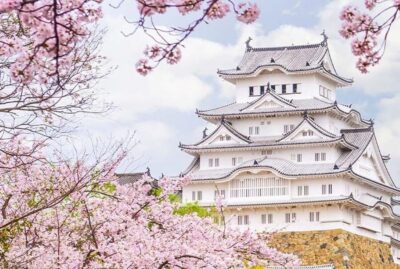
Himeji Castle, Arima Onsen & Mt. Rokko Day Tour
Read our review →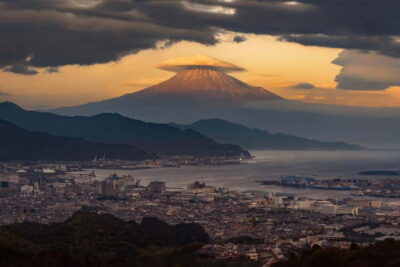
Private Tour to Fuji/Hakone – Onsen, Art, Nature
Read our review →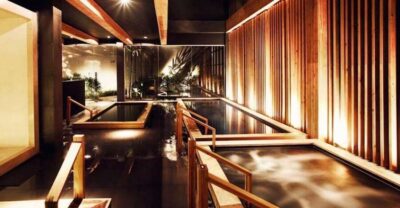
All-Day Pass to Yunomori Sathorn Onsen Bath and Spa
Read our review →
Mt. Fuji, Hakone Private Tour from Tokyo – Onsen, Arts and Nature
Read our review →
From Fukuoka: Mount Aso, Kurokawa Onsen, and Shrine Tour
Read our review →