
Review · HOT SPRING HIKING TOURS
Mount Rinjani Trekking 2D/1N Summit Sunrise & Sunset Views
The mountain makes you earn every view. This two-day Mount Rinjani trek follows the Sembalun route to the summit, with a night at the crater rim, a pre-dawn climb, and broad views of Segara Anak Lake. I like the strong guide and porter support, and I like that meals, camping equipment, water, and transport are bundled into the $200 price. The catch is simple: this is a hard climb, especially the loose final slope to the summit.
I also like the early start, because reaching the top before sunrise gives you the best chance of seeing Rinjani at its most dramatic. Guides such as Jack, August, Peaky, Nun, and Ajis have received warm praise for keeping people moving and cared for. Still, you need good fitness, warm clothing, proper shoes, and snacks. This is not a casual mountain walk.
Key points before you book
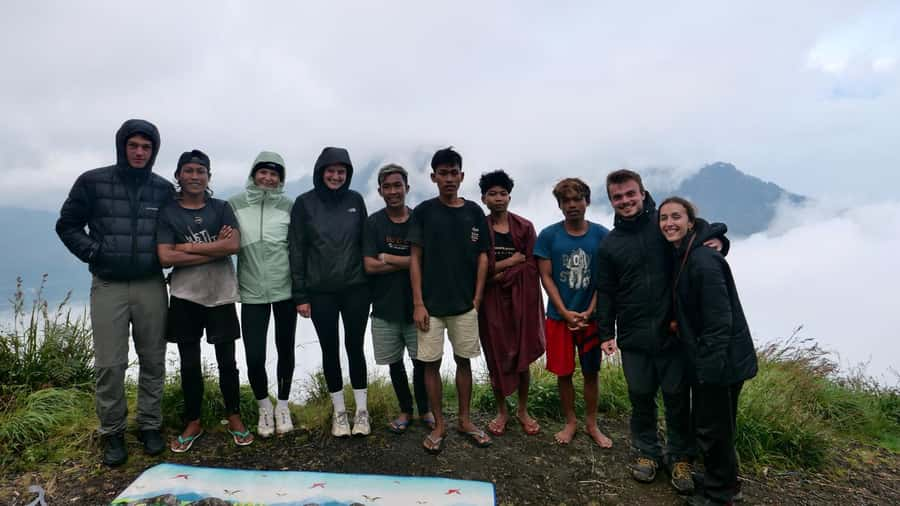
- Summit sunrise via Sembalun: You climb through the night on the second morning to reach the peak around sunrise.
- Crater-rim camping: Your tent, sleeping mat, sleeping bag, toilet tent, and cooking gear are carried by porters.
- Loose volcanic summit slope: The final ascent is strenuous, with gravel-like footing that makes every step work.
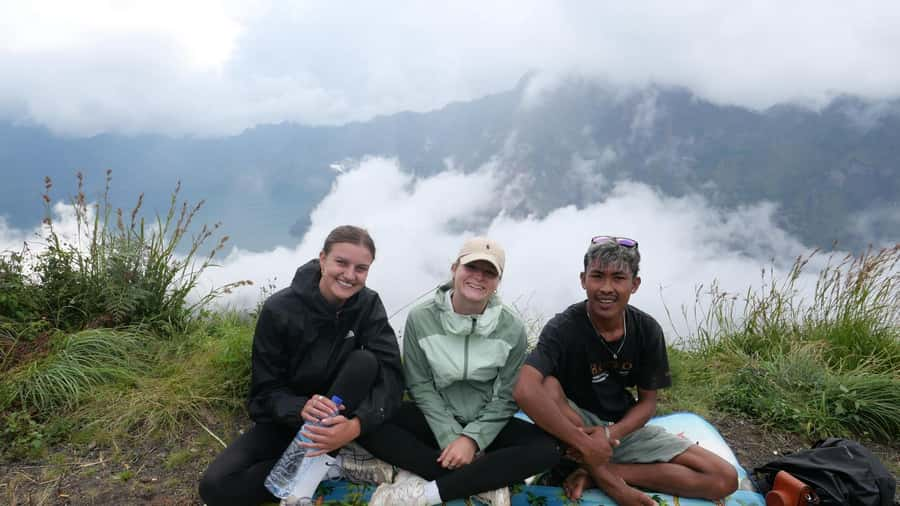
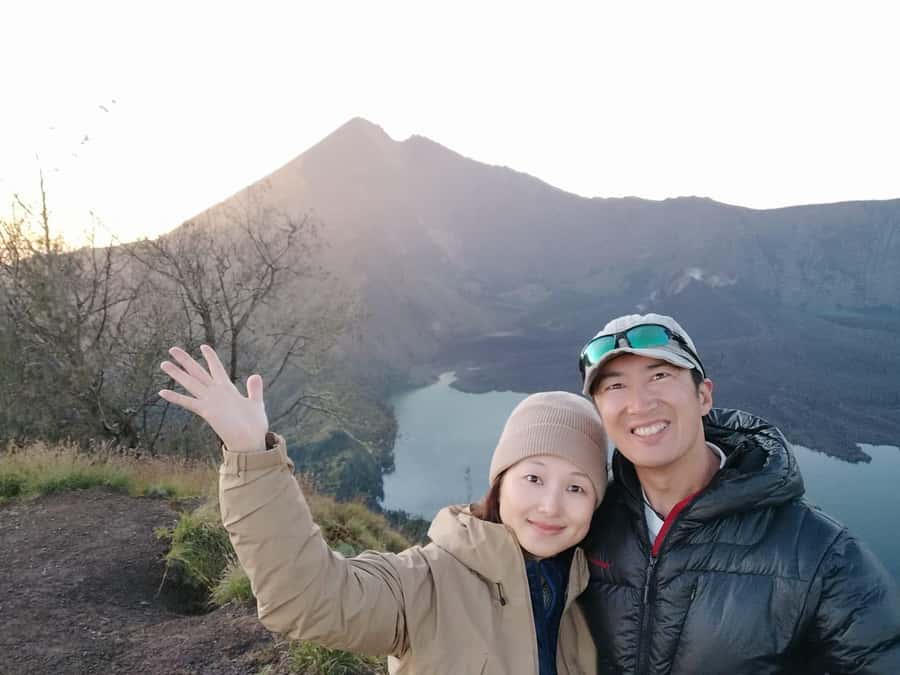
- Segara Anak Lake views: The crater rim gives you wide views toward the lake and the surrounding volcanic terrain.
- Strong food and porter support: Three meals daily, fruit, tea, coffee, and drinking water are included.
- Flexible finish: Depending on the route and conditions, you may descend toward Sembalun or through rainforest toward Senaru.
What the $200 price really covers
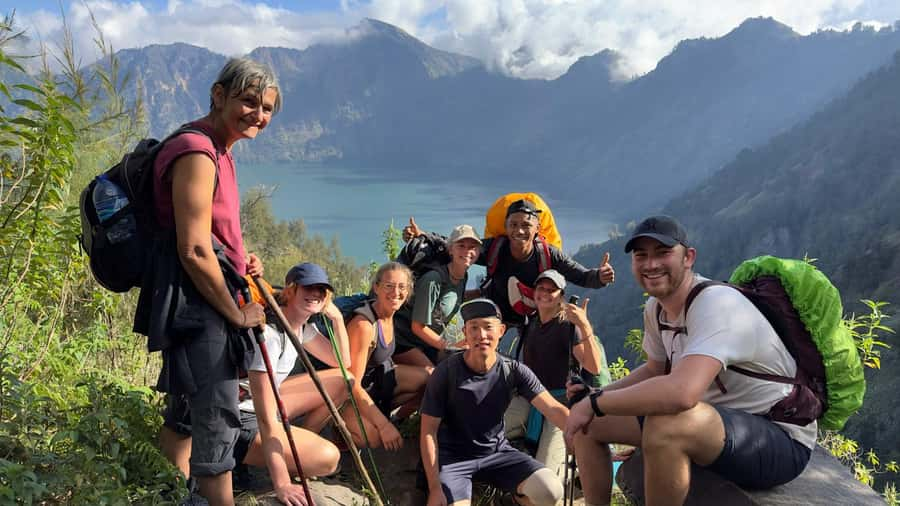
At $200 per person, this trek offers solid value if you want a guided climb rather than arranging every part yourself. The cost includes an English or Indonesian-speaking guide, professional porters, transport to the trailhead, pickup around Senaru, and transport after the trek toward Bangsal Harbor or Mataram.
You also get three meals a day, drinking water, fruit such as pineapple and bananas, tea, coffee, cooking equipment, a tent, sleeping mats, sleeping bags, toilet paper, and a toilet tent. The operator can store the part of your luggage that you do not need on the mountain, which saves you from carrying your full travel bag uphill.
The porters carry the camping and cooking equipment, not your personal daypack. You still need to carry your own warm layers, water for personal use, camera, snacks, rain gear, and other essentials. That distinction matters. A small backpack is not included, though one may be available to rent.
The package also lists trekking insurance. You should still check what that insurance covers, especially for weather changes, medical problems, or a failed summit attempt. The mountain can close or change plans when conditions turn unsafe.
More Hot Spring Hikes in Indonesia
- Bali: Mount Batur Sunrise Guided Hike and Natural Hot Spring
★ 4.8 · 9,284 reviews - Mount Batur Sunrise Hike and Natural Hot Spring Option
★ 5.0 · 1,927 reviews - Private Tour Mount Batur Sunrise Trekking and Natural Hot Spring
★ 5.0 · 431 reviews
Day 1: Sembalun to the crater rim
The first morning begins with breakfast and coffee or tea, followed by about an hour of driving to Sembalun. This route gives you an open start, with broad views and a long uphill day ahead.
You hike for most of the day, stopping for lunch along the route. The pace depends on your group, weather, and fitness, but you should expect a full day on your feet rather than a short afternoon walk. The open sections can feel exposed to sun and wind, so sunscreen, a hat, and enough water matter even when the air feels cool.
The day finishes at the crater rim in the late afternoon. Porters should already be setting up camp by the time you arrive, allowing you to focus on resting, taking in the views, and changing into warmer clothes.
The crater rim is the great reward of day one. From here, you can look toward Segara Anak Lake and the volcanic interior. If clouds cooperate, sunset from the rim can be excellent, especially around the Senaru side. Weather is the deciding factor, so treat the sunset as a possibility rather than a promise.
Dinner is prepared by the trekking team. The food receives especially strong praise, with several people finding it fresh, warm, and better than expected for a mountain camp. Portions can feel modest after a long climb, though, so bring your own high-energy snacks.
You sleep at the crater rim. Temperatures drop after dark, and the summit morning begins very early, so this is not a night for staying up late. Use the evening to eat, organize your daypack, and lay out your warm clothing.
The crater camp: useful comforts, basic conditions
This is camping on a high mountain, not a comfortable hotel moved outdoors. You get a tent, sleeping mat, sleeping bag, toilet tent, and toilet paper, but you should expect basic conditions and cold nighttime temperatures.
The toilet tent offers privacy, but facilities remain simple. Pack with that in mind and keep your personal items organized inside your tent. A headlamp or flashlight is essential for the pre-dawn start. One person specifically recommended walking boots and a flashlight, and both are sensible advice.
The porters also prepare hot drinks, including tea and coffee. That small comfort becomes important when you wake in the dark and face the coldest part of the trek.
Day 2: The 2:30 a.m. summit climb
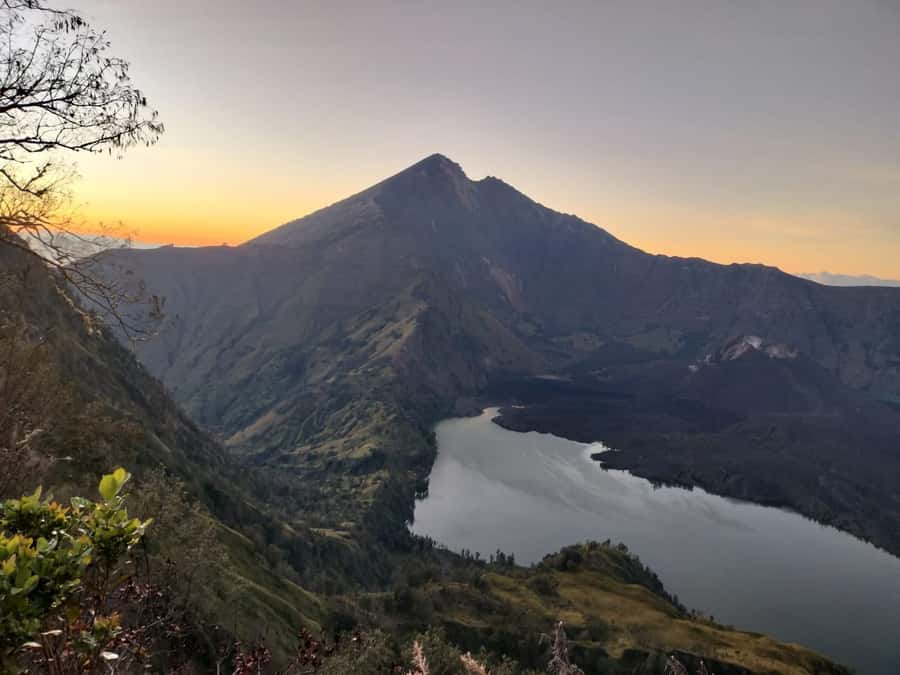
You wake at about 2:00 a.m. for a quick breakfast. The summit push starts around 2:30 a.m., giving you time to climb in darkness and reach the top just before sunrise.
The first part of this climb is already demanding, but the final section is the real test. Around 5:00 a.m., the route turns into a steep, rocky ascent with loose, gravel-like footing. You are not described as being close to a dangerous drop, but the surface makes progress slow and tiring. For every step forward, you may feel as if you slide slightly back.
This is where good fitness and patience matter more than speed. A guide may move back and forth between people in the group, offering water, checking progress, and helping keep the pace manageable. Guides such as Wahdi, Nun, Ajis, Jack, August, and Peaky have been praised for encouragement and careful support.
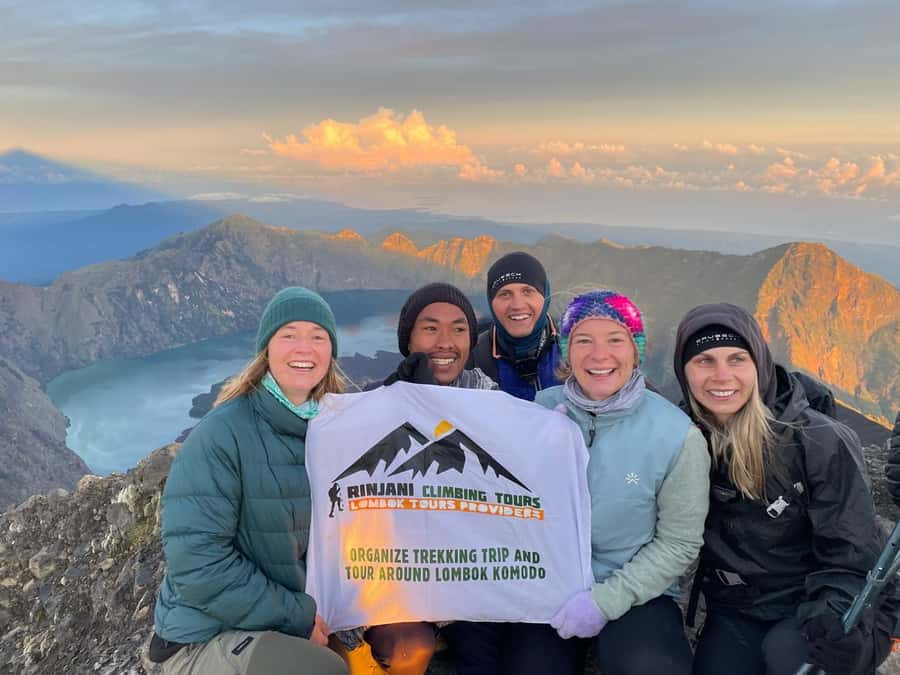
You reach the summit shortly before sunrise and spend roughly 20 to 30 minutes there. The reward is a wide view over Rinjani, Segara Anak Lake, the crater, and the surrounding mountains. The summit can be cold, so bring gloves, a hat, and your warmest layer in your daypack.
Do not expect a long, relaxed breakfast at the top. The summit area is exposed, the footing is difficult, and the group eventually needs to descend. Take your photographs, enjoy the changing light, and listen to your guide about when it is time to head down.
More Sunrise Hot Spring Tours in Indonesia:
- Bali/Mount Batur: Private Sunrise Jeep Tour & Hot Spring
★ 4.8 · 3,528 reviews - From Ubud: Mount Batur Shared Jeep Sunrise & Hot Spring Tour
★ 4.8 · 1,842 reviews - Mount Batur Sunrise Jeep Tour with Optional Activities
★ 5.0 · 1,555 reviews - Bali: Shared Mount Batur Jeep Sunrise with Hot Springs
★ 4.9 · 1,332 reviews
The return to camp and the long descent
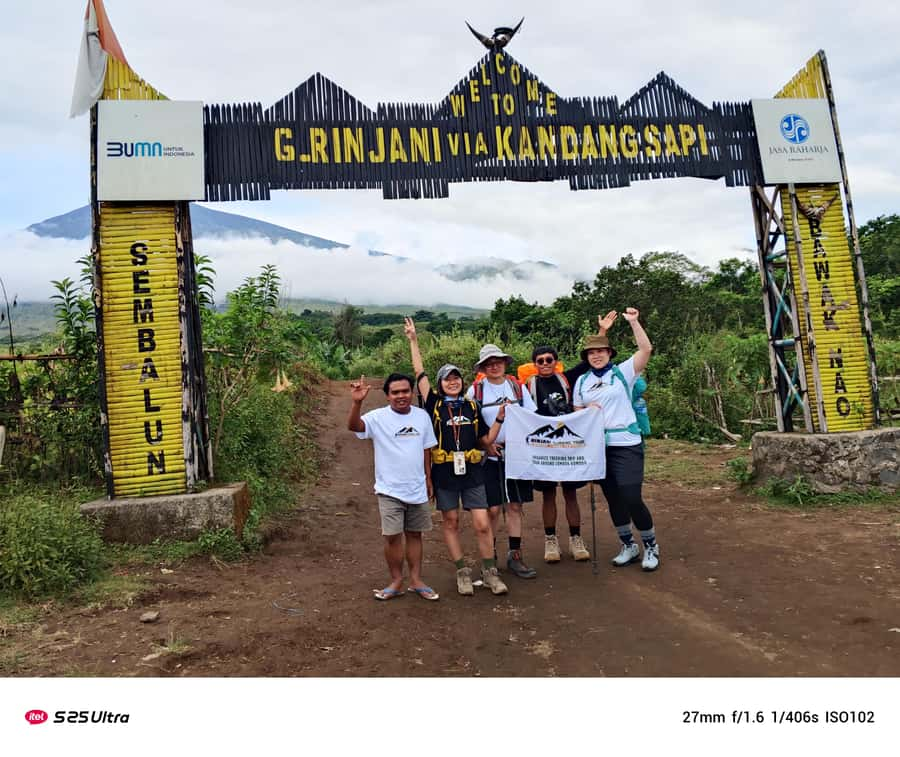
After the summit, you return to the crater rim for a larger breakfast. This is a welcome stop, but your day is not finished. You then begin the descent, which can be hard on tired knees and ankles.
If you descend toward Sembalun, the route is described as mildly steep. If you continue toward Senaru, much of the day passes through thick rainforest. These finishes feel quite different. Sembalun offers a more open route, while Senaru provides forest cover and a longer change in scenery.
You stop for lunch during the descent and continue afterward. Once you reach the bottom, transport takes you toward the port or airport. If you are continuing with another adventure, the team can return you to its homestay in Senaru.
The exact route and finish should be confirmed before departure. One party had its route reversed without advance notice, although guide Wahdi explained the reason and worked with the group to adjust the plan. That is a useful reminder to ask where you will finish, what transport is included, and what happens if weather changes the route.
The views: sunrise, sunset, and Segara Anak Lake
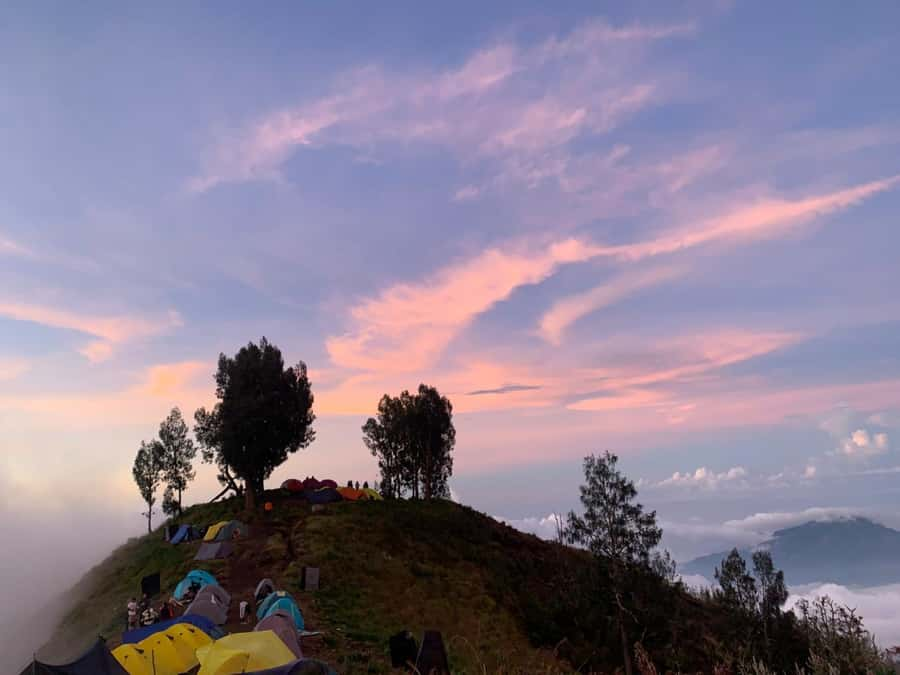
The summit sunrise is the main prize, but Rinjani gives you several good viewpoints during the trek. Segara Anak Lake sits inside the crater and adds a striking focal point to the views from above. The sight of the lake, crater walls, and distant ridges gives the climb a sense of scale.
Sunset from the crater rim can be just as memorable as sunrise, especially when the sky stays clear. You may see the light change across the crater and lake before darkness arrives. Clouds can hide everything, though, and one group had its summit closed because of weather and other conditions.
That possibility is worth accepting before you book. A mountain tour cannot control cloud, wind, rain, or official safety decisions. If the summit closes, you may still have a strong hiking experience, but you should not pay for this trip expecting a guaranteed summit photograph.
Food, water, and what you still need to bring
The package provides food and drinking water, including up to three liters of mineral water per day per person. It also includes three meals daily, fruit, tea, and coffee. That is a useful amount of support for a short but intense climb.
Bring extra snacks anyway. Several people found the meals good, but one person wanted larger breakfast portions. Pack items that are easy to eat while walking, such as energy bars or other personal snacks. Extra food is not included.
Your personal packing list should include:
- Warm clothing for the crater rim and summit
- Hiking shoes or sturdy walking boots
- A headlamp or flashlight
- Hat and sunscreen
- Rain gear
- Camera
- Snacks
- A small daypack
- Personal water beyond the included supply if you need it
Trekking shoes, warm clothes, and a small backpack are not included. A GoPro is also not included. Do not assume equipment rental will solve every gap, so check what is available before you arrive.
How hard is this two-day route?
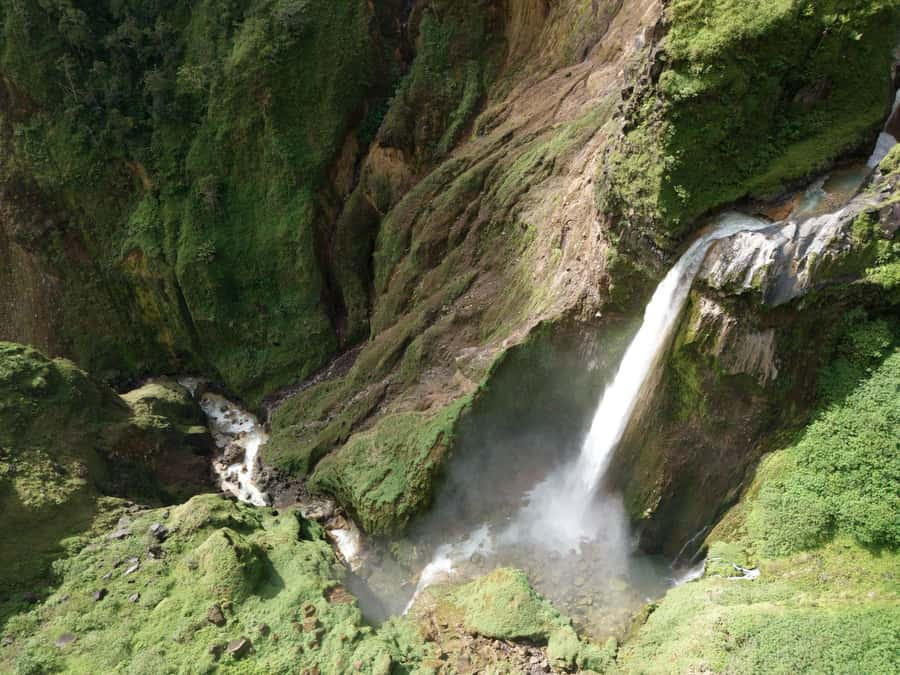
This is a challenging trek for people in good physical condition. The first day is long, and the second day combines a night climb, a steep summit push, a descent to camp, and more hiking afterward.
The loose summit slope is particularly tiring. It does not have to be frightening, but it demands balance, steady breathing, and persistence. If you have a low fitness level, heart problems, or vertigo, this experience is not suitable.
You also need to be comfortable with limited sleep. Waking around 2:00 a.m. after a full day of hiking leaves little room for recovery. The guides and porters can help with pacing and supplies, but they cannot remove the physical demands of the mountain.
A sensible approach is to train with long walks, hills, stairs, or other sustained exercise before you go. Break in your shoes first. New footwear on loose volcanic ground is a poor experiment.
The guide and porter team
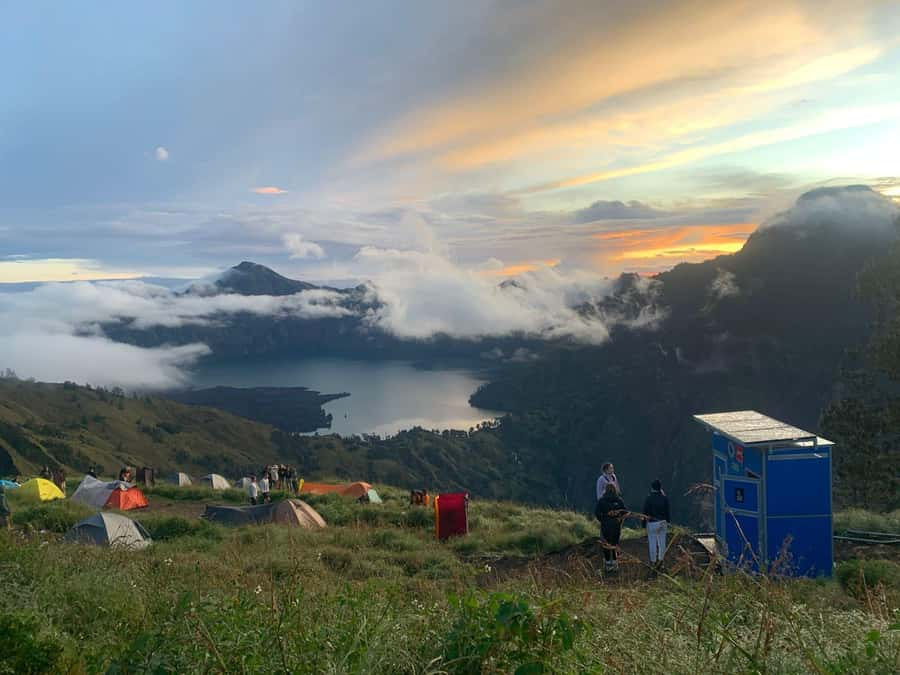
The human support is one of the strongest parts of this experience. English-speaking guides help with communication, pacing, and safety, while porters carry the shared camping and cooking equipment.
The team members praised most warmly include Jack, August, Peaky, Nun, and Ajis. Guides are described as attentive, encouraging, and good at keeping groups together. One account especially praised a guide who moved back and forth to check on everyone, while another credited the porters with keeping water, tea, and coffee available.
That support has real value on a difficult mountain. You are still doing the climbing, but you do not need to carry a tent, cooking gear, or group food. An extra tip for the guide and porters is not included, so bring cash if you want to recognize good service.
What could be improved
The biggest concern is communication when weather or route conditions force a change. At least one group did not learn about a reversed route until the trip had started. The guide resolved the issue well, but you should ask for the current plan before setting off.
The second concern is food quantity. Meals are included and generally praised, but a hard climb can create a very large appetite. Bring extra snacks, especially for the summit morning and the long descent.
Finally, the two-day schedule is compressed. A three-day option appears in some guest accounts, but this product is the two-day, one-night version. You will spend less time on the mountain, yet you also get less rest and less flexibility if someone in the group needs a slower pace.
Free cancellation up to 24 hours before departure and the option to reserve now and pay later make planning easier. Still, weather can affect the actual route and summit attempt, so keep your wider travel plans flexible.
Who should book this Rinjani trek?
I would choose this trip if you want a demanding mountain challenge, strong support from guides and porters, and a short schedule. It suits hikers who value sunrise views, crater camping, and the satisfaction of reaching a difficult summit.
I would not choose it if you want a relaxed holiday, dislike cold camping, or have limited hiking experience. The price includes a great deal of equipment and support, but it does not make the climb easy.
Book it if you are fit, properly equipped, and ready to accept weather changes. Bring real hiking shoes, a headlamp, warm layers, and more snacks than you think you need. If you do, the sunrise, crater views, lake views, and sense of achievement can make the $200 worthwhile.
FAQ
How long is the Mount Rinjani trekking experience?
The advertised experience lasts two days and includes one night of camping at the crater rim.
What time does the summit climb begin?
You wake at about 2:00 a.m. for a quick breakfast and begin hiking toward the summit around 2:30 a.m.
What route does the trek use?
The ascent to the summit uses the Sembalun Route. The descent may continue toward Sembalun or toward Senaru, depending on the planned route and conditions.
Is food included during the trek?
Yes. Three meals per day are included, along with fruit, tea, coffee, and drinking water. You should still bring personal snacks.
Is camping equipment included?
Yes. The package includes a tent, sleeping bag, sleeping mat, toilet tent, toilet paper, and cooking equipment.
Do I need to bring warm clothes and hiking shoes?
Yes. Warm clothing and hiking shoes are not included, and summit temperatures can be cold. Rain gear, a hat, sunscreen, and a flashlight are also recommended.
Who should not take this trek?
The trek is not suitable for people with heart problems, vertigo, or a low level of fitness. It requires good physical condition because both the summit climb and descent are strenuous.
More Morning Experiences in Indonesia
- Mt Batur Sunrise, Breakfast & Natural Hot Springs
★ 5.0 · 458 reviews - Bali: Shared Mount Batur Sunrise Jeep Tour with Hot Springs
★ 4.8 · 385 reviews - Mount Batur Sunrise Hike, Breakfast & Hot Spring
★ 5.0 · 316 reviews - Bali: Mount Batur Sunrise Hike with Breakfast & Hot Spring
★ 4.7 · 146 reviews
More Evening Experiences in Indonesia
- Bali: Day/Sunset Mount Batur 4WD Jeep and Natural Hot Spring
★ 4.6 · 337 reviews - Bali: Sunset Mount Batur Jeep and Hot Spring All Inclusive
★ 4.8 · 264 reviews - Sunrise / Sunset Jeep Tour Mt. Batur Kintamani & Hot Spring
★ 5.0 · 12 reviews - Mount Batur Sunset Trekking And Natural Hot Spring Tour
★ 4.9 · 9 reviews
Just added around Indonesia
- Volcano, Hot Spring, Mud Bath & Tea plantation all included★ 5.0 · 5 reviews
- Mount Batur Sunset/Sunrise Jeep Tour & Natural Hot Springs★ 5.0 · 5 reviews
- Ubud: mount.batur sunrise jeep with breakfast and hot spring★ 5.0 · 6 reviews
- Ubud: Mount Batur Jeep Sunrise, Hot Spring in one day★ 4.6 · 5 reviews
- Sunrise Trekking / Hike Mount Batur Private & Natural Hot Spring★ 5.0 · 12 reviews
- Sunrise / Sunset Jeep Tour Mt. Batur Kintamani & Hot Spring★ 5.0 · 12 reviews
- Private Mount batur Hiking and Natural Hot Springs★ 5.0 · 23 reviews
- Mount Batur Sunrise Trek with Natural Hot Spring – All Inclusive★ 5.0 · 3 reviews
Hot Spring Hiking Tours, compared.
Mount Batur Sunrise Guided Hike and Natural Hot Spring
Read our review →
Mount Batur Sunrise Hike and Natural Hot Spring Option
Read our review →
Private Tour Mount Batur Sunrise Trekking and Natural Hot Spring
Read our review →
Mount Batur Sunrise Hike, Breakfast & Hot Spring
Read our review →
National Park Hike & Finnish Smoke Sauna Experience with Campfire Lunch
Read our review →
Mount Batur Sunrise Hike with Breakfast & Hot Spring
Read our review →
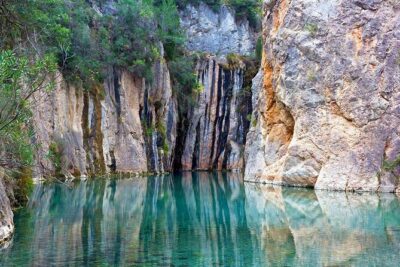
Montanejos Hiking Tour & Thermal Pools from Valencia
Read our review →Browse the lists this tour appears in