
Review · 2-DAY EXPERIENCES
Tokyo: 2-Day Mt. Fuji, Kamakura and Izu Hot Springs Tour
Fuji, hot springs, and old coastal towns fit together. This two-day trip gives you a broad taste of Japan beyond Tokyo, with Mount Fuji, volcanic Hakone, an Izu onsen stay, Enoshima, and Kamakura packed into one organized route. I like the mix of mountain scenery and seaside culture, and I like that the overnight stay includes a hot spring bath and a kaiseki dinner rather than just a plain hotel room.
The main concern is the pace. You spend plenty of time in the vehicle, and the experience can change with weather, traffic, room availability, and the guide assigned to your group. Wan earned strong praise for being kind, helpful, and an excellent driver, while another guide, Jason, struggled to explain the sights in English. You should book this for the route and convenience, but keep your expectations flexible about guiding and sightseeing time.
Key points at a glance
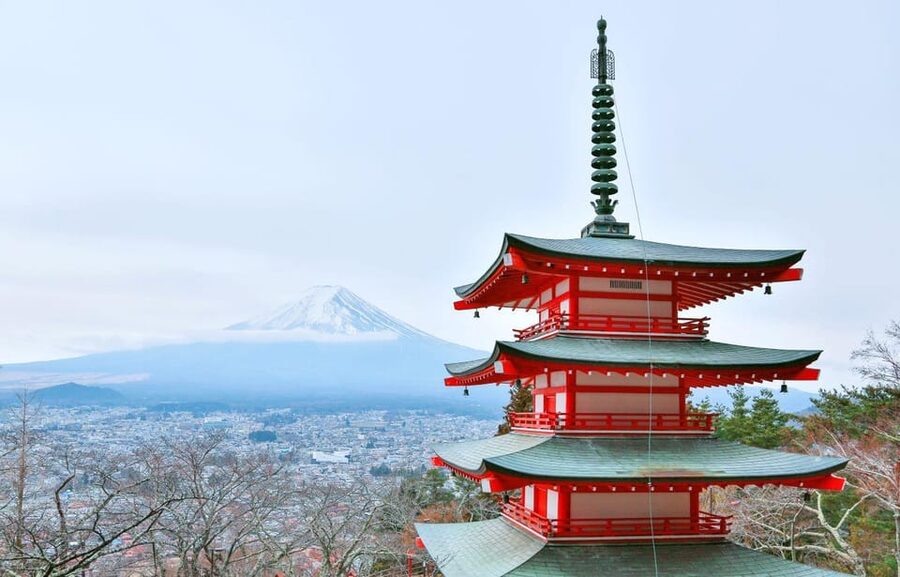
- Mount Fuji changes by season: From April 26 through November 30, the tour plans to visit the fifth station. From December 1 through April 25, the route switches to Nishinomiya-yama Shinshu Park.
- Owakudani offers Japan’s famous black eggs: The eggs are boiled in volcanic spring water, which darkens their shells through a chemical reaction.
- The overnight stay is part of the appeal: Izu Shuzenji Onsen Hotel includes an onsen, dinner, and breakfast, with breakfast served Japanese-style or as a buffet depending on group size.
- Kamakura time may be limited: Enoden train fare is included, but the famous Great Buddha is not specifically listed as a stop.
- Cable cars and admission tickets cost extra: Bring money for optional transport and sightseeing fees, plus your own lunch and drinks.
- The tour works best for first-time visitors: You see several major places without arranging hotels, transport, or regional connections yourself.
Why this route is tempting from Tokyo
Japan rewards travelers who leave Tokyo, but planning these places independently takes work. Mount Fuji, Hakone, Izu, Enoshima, and Kamakura sit in different directions, and public transport connections can eat up time. This tour handles the long transfers by air-conditioned vehicle and gives you a guide who can manage the route.
At $295 per person, the price includes transportation, a designated pickup and drop-off area, one hotel night, the onsen, meals at the hotel, and the Enoshima Electric Railway fare. That is fair value if you want the overnight experience and would otherwise need to arrange a hotel in Izu. It is less compelling if your main goal is a relaxed visit to one or two places.
You should also understand what the price does not cover. Admission tickets, lunch, drinks, and cable car fees are extra. The tour can involve a lot of driving, so the convenience comes with less control over how long you spend at each stop.
The route is offered with live guiding in Chinese, English, and Japanese, but the actual language quality may depend on the guide. That matters here because several stops are more rewarding when someone explains the geology, religious traditions, and local customs instead of simply pointing out the scenery.
More Two-Day Trips in Tokyo:
- Private 2-Day Tour: Mt Fuji Hakone & Kamakura + Onsen Ryokan
★ 5.0 · 3 reviews - Mount Rinjani Trekking 2D/1N Summit Sunrise & Sunset Views
★ 4.7 · 67 reviews - Mt. Batur: 2 Day Camping Trip, Summit Hike, and Hot Springs
★ 4.9 · 25 reviews
Mount Fuji from the fifth station
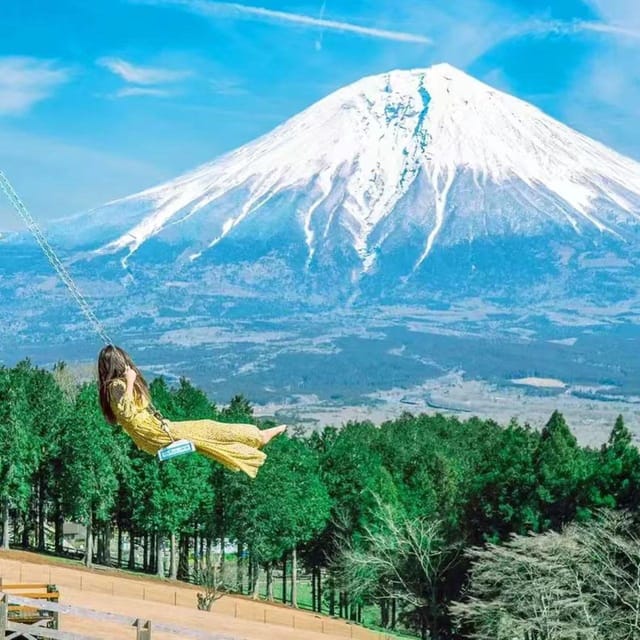
The first major stop is Mount Fuji, Japan’s most recognizable peak. From April 26 to November 30, the planned destination is the fifth station, a popular access point on the mountain with broad views of the surrounding area. You are not climbing to the summit. You are visiting the mountain’s upper road-access area and taking in the scale of the volcano.
The fifth station is especially useful for visitors who want a close look at Fuji without committing to a serious hike. You can expect a tourist-oriented stop with time for views and photographs, although the exact amount of time depends on traffic and weather.
Clear weather is crucial. Fuji is often hidden by cloud, and the tour cannot control that. The itinerary may be adjusted when road or weather conditions make the planned stop unsuitable. In winter, the tour does not use the fifth station. Instead, it visits Nishinomiya-yama Shinshu Park, chosen for its views and seasonal foliage.
That seasonal change is important when you compare dates. If seeing Fuji from the fifth station is your main reason for booking, choose a date between late April and the end of November, while remembering that visibility is never guaranteed.
Owakudani and the volcanic side of Hakone
Owakudani gives the first day a very different mood. This volcanic valley was formed after Mount Hakone erupted more than 3,000 years ago. Sulfur vents and hot springs still shape the area, and the air can carry the unmistakable smell of sulfur.
The famous local snack is the black egg, boiled in the hot spring water. A chemical reaction turns the shell dark, while the egg remains a familiar food inside. It is a small purchase, but it connects the stop to the volcanic ground beneath your feet.
Owakudani is also a good place to pay attention to the setting rather than rush from one photo point to another. The steam, rough rock, and mountain views make it unlike the forested and coastal stops later in the trip. If the guide provides good commentary, this is one of the places where the tour can become more than a sightseeing checklist.
The practical warning is that Owakudani can be affected by conditions in the volcanic area. The guide may change the timing or route if needed. Cable car fees are not included, so do not assume that any aerial ride connected with the Hakone section is covered. One previous experience also reported that an optional cable car ride was not offered, so ask your guide early if that option matters to you.
Lake Ashi and the Hakone pause
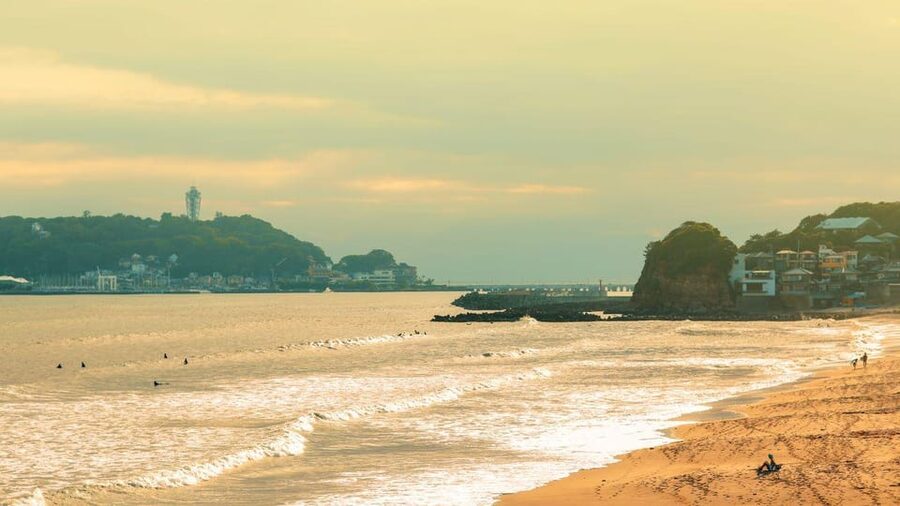
Lake Ashi is a caldera lake formed by volcanic activity at Mount Hakone. Its calm water and surrounding mountains provide a welcome change after the busy mountain roads and sulfur vents of Owakudani.
The tour description highlights a cruise on Lake Ashi, but the included list does not separately confirm a boat ticket. Cable car fees and admission tickets are excluded, so you should check exactly which boat or transport elements are operating on your chosen date. Do not build your expectations around a cruise unless the final schedule confirms it.
Even without a boat ride, the lake is worth seeing for its open views and quiet mood. This is one of the places where a short stop can feel refreshing, though it may also feel too brief if you hoped to explore Hakone at a slower pace.
The first day already covers a large area before you reach Izu. You should see this portion as a scenic introduction rather than a full Hakone tour. If you want museums, gardens, or a long lake cruise, this itinerary will not leave much room for them.
A few more places to soak around Tokyo worth a look
- From Tokyo: Private Tour to Fuji/Hakone – Onsen, Art, Nature
★ 5.0 · 116 reviews - Mt. Fuji, Hakone Private Tour from Tokyo – Onsen, Arts and Nature
★ 5.0 · 79 reviews - Tokyo: Mt Takao Tour with Ramen and Tattoo-Okay Hot Spring
★ 5.0 · 69 reviews - [Seasonal Limited] Mt. Fuji 5th Station &Hot Spring Day Tour
★ 4.5 · 53 reviews
Shuzenji Onsen and the overnight reward
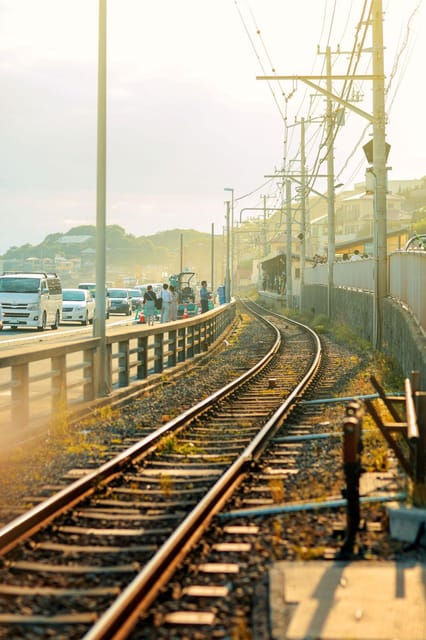
The strongest part of the trip for many people is the overnight stay at Izu Shuzenji Onsen Hotel. After a full day on the road, soaking in a Japanese hot spring gives the schedule a clear purpose. You can wash, relax, and trade the vehicle for a traditional evening setting.
Dinner is a kaiseki meal featuring local flavors. Kaiseki is built around several carefully prepared courses, so this is more of a formal Japanese meal than a quick buffet. The food was one of the best-rated parts of the experience, and it helps make the overnight stop feel special rather than merely practical.
The hotel itself should be approached with modest expectations. One detailed account described it as basic, with an acceptable dinner and disappointing breakfast. The onsen and hotel were considered fine rather than luxurious. That is useful to know at this price: you are paying for the route, the included meal, and the hot spring setting, not a high-end resort.
Breakfast may be a set Japanese-style meal for a small group or a buffet for a larger one. Room arrangements hold two to four people. If you occupy a room alone, a single supplement applies. Room availability can change quickly, so the operator may need to reconfirm the date or suggest a change.
Shuzenji Onsen Street in the morning
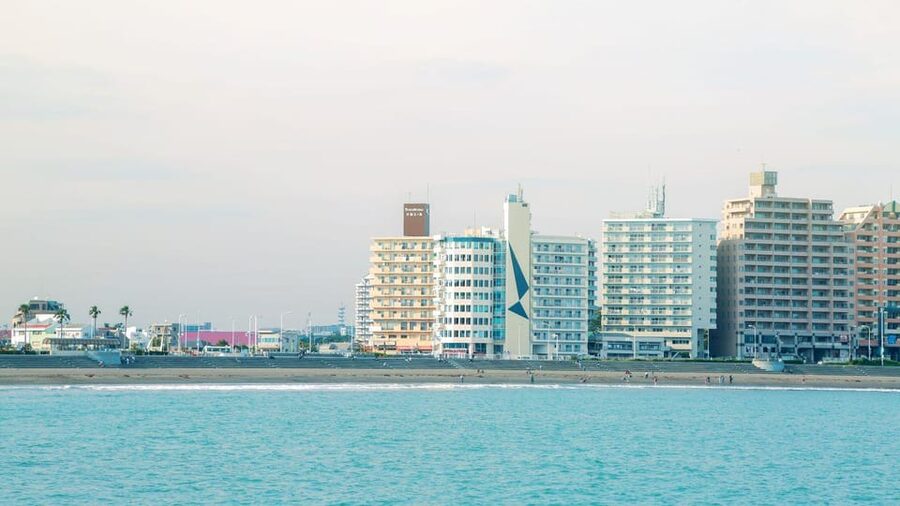
The next morning begins with a walk along Shuzenji Onsen Street, described as a Michelin two-starred area. The street offers a slower start after the first day’s long ride, with old Japan atmosphere and time to see the hot spring town on foot.
This is not a stop to rush. The value lies in the small-scale setting, the traditional feel, and the chance to walk before returning to the vehicle. I would use this time to notice the town itself rather than treat it as another quick photo stop.
The schedule calls for a leisurely stroll, but the exact length is not stated. Since the rest of the day includes Mount Omuro, Enoshima, and Kamakura, you should not expect hours of free exploration.
Mount Omuro and the cost of extra transport
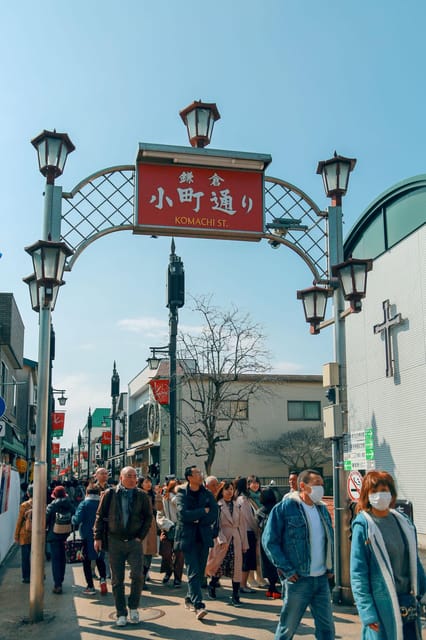
Mount Omuro is a distinctive volcanic peak in Izu. The itinerary includes a chance to go up and enjoy the views, with hiking mentioned as part of the experience. Admission and cable car costs are not included, so budget for an additional fee if the route uses paid transport.
This stop adds variety to the tour. Fuji is a huge, familiar volcano, while Omuro offers a different scale and a more immediate outdoor outing. You may find the visit especially appealing if you want a break from temples and city streets.
Lunch is on your own. That gives you some choice, but it also means you need to manage your time and food budget. With several stops still ahead, do not plan an elaborate meal unless the guide confirms you have enough time.
Enoshima’s coast and the Sea Candle
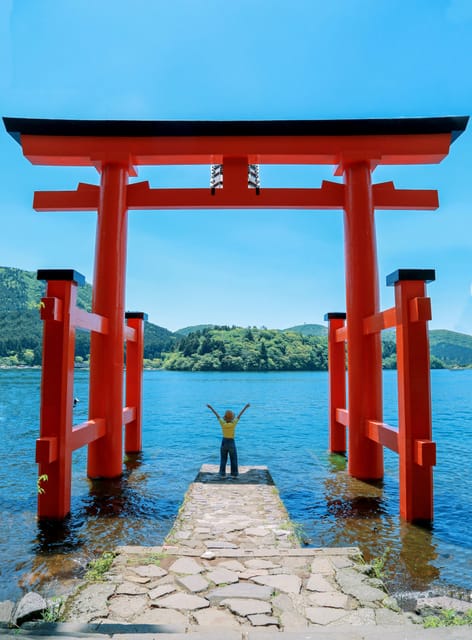
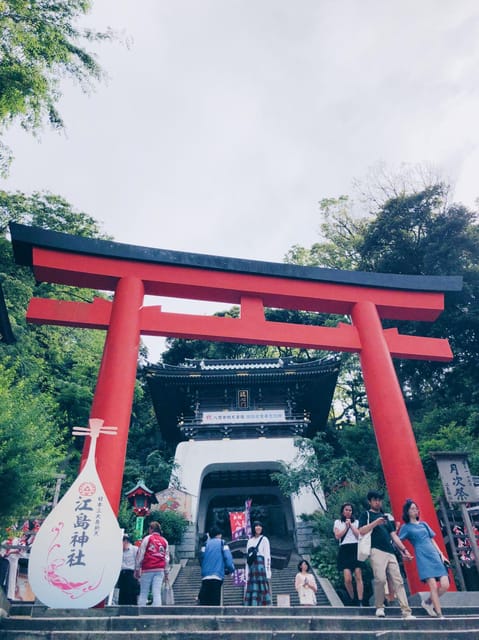
Enoshima Island brings the tour to the coast. Its appeal comes from the contrast with the inland mountains and volcanic valleys. You can expect island scenery, ocean views, and a chance to see the Enoshima Sea Candle, a recognizable photo point.
The island is not presented as a long, unhurried visit. Treat it as an introduction. If you want to explore every path, shrine area, viewpoint, and shop, you would need more time than this two-day route is likely to provide.
The Enoshima Electric Railway fare is included. That is a useful detail because the historic train ride is one of the more distinctive pieces of the second day. It also reduces the small-ticket hassle that can slow down a tightly timed group.
Kamakura, Enoden, and a possible missing highlight
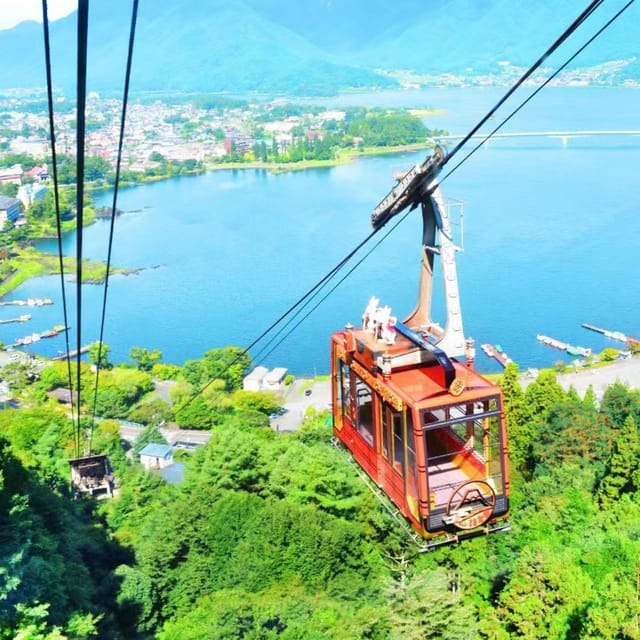
Kamakura is the final major destination, known for old temples, Zen gardens, a beach, and its connection to Japanese history. The tour includes a ride on the Enoden train and a stop connected with Kamakura High School, made famous by anime and manga.
For fans of Japanese pop culture, the high school area may be the most personal stop of the day. For other visitors, the temples and Great Buddha are likely to be the main draw. Here you need to read the itinerary carefully: the famous Kamakura Buddha is not specifically listed as an included stop.
One previous participant reported that there was no Kamakura stop at all after the route changed. Weather and road conditions can alter plans, and this is a genuine risk on a packed tour. If seeing the Great Buddha is essential, ask the guide at the start of the day if it is included. If the answer is no, you may prefer a dedicated Kamakura tour.
The return to Tokyo comes after this busy coastal section. Traffic can affect the timing, so do not schedule an important evening reservation too close to the advertised return.
Guides, vehicles, and the human factor
The guide can make or break this experience. Wan received especially warm praise for being an excellent driver who was kind, helpful, and friendly. That sort of care matters on a route with long transfers and frequent changes.
The experience can be less satisfying when the guide cannot explain the sights. Jason was described as polite but unable to provide enough English commentary or cultural information. Another account reported a Chinese-speaking driver who offered no explanation even after the route changed.
You are not simply hiring a driver here. The value of a guided trip comes from context, clear instructions, and help when weather forces a change. Since guiding quality can vary, ask questions, confirm the day’s plan, and do not hesitate to request explanations at each stop.
The vehicle was also described as basic and somewhat uncomfortable for a two-day route with substantial driving. Space is limited. Tell the operator in advance if you have an infant or luggage, and plan on no more than one piece of luggage per person.
Who should book this two-day route?
I would recommend this trip to a first-time visitor who wants to see several famous places without arranging a regional hotel, private transport, and train connections. It suits you if a hot spring stay and a Japanese dinner sound as appealing as Mount Fuji itself.
It also works for couples, friends, and small groups who value variety. In two days, you get mountains, volcanic scenery, a lake, a hot spring town, an island, a historic coastal city, and a railway ride.
I would be more cautious if you prefer slow travel, strong historical commentary, or guaranteed time at one specific sight. The route is ambitious, and the schedule can bend with weather and traffic. It is also not ideal if a comfortable vehicle or polished hotel is central to your trip.
Free cancellation up to 24 hours before departure and reserve-now, pay-later booking make the financial commitment easier, but the operator still needs at least two people to run the tour. If that minimum is not met, you may be offered another date or a full refund.
Should you book it?
Book this tour if you want a broad, convenient sampler of Mount Fuji, Hakone, Izu, Enoshima, and Kamakura, and you are happy to trade independence for a packed schedule. The included onsen, kaiseki dinner, hotel night, and Enoden fare give the $295 price real value.
Skip it if your priorities are the Great Buddha, a long Lake Ashi cruise, a polished hotel, or detailed guiding in English. For a more dependable cultural experience, a shorter tour focused on one region may serve you better. If you do book, confirm the guide language, Kamakura stops, cable car arrangements, luggage rules, and seasonal Fuji destination before departure.
FAQ
Is Mount Fuji’s fifth station included all year?
No. The tour plans to visit the fifth station from April 26 through November 30. From December 1 through April 25, it visits Nishinomiya-yama Shinshu Park instead.
Are meals included?
The one-night stay includes hotel meals, including a kaiseki dinner and breakfast. Lunch and drinks are not included.
Is the hot spring hotel included in the price?
Yes. The price includes one night at Izu Shuzenji Onsen Hotel, with access to the onsen and included meals.
Are cable car rides and admission tickets included?
No. Admission tickets and cable car fees are excluded. Ask the guide which optional rides are planned on your date.
Is the Enoden train fare included?
Yes. The Enoshima Electric Railway fare is included.
What languages are available for the live guide?
Guiding is offered in Chinese, English, and Japanese. The actual guide assigned to your group may vary, so confirm your preferred language before departure.
Just added around Tokyo
- Japanese Head Onsen and Scalp Massage Retreat in Tokyo★ 4.5 · 2 reviews
- Mt Fuji Small Group 1 Day Tour Kawaguchi and Yamanaka with Pickup★ 5.0 · 4 reviews
- Tokyo Local Tattoo Friendly Public Bath Experience★ 5.0 · 4 reviews
- Mt. Fuji Tours to Lake Kawaguchi and Yamanaka Onsen English Guide★ 4.5 · 4 reviews
- Mt. Fuji to Lake Kawaguchi, Lake Yamanaka and Onsen Day Tour★ 4.5 · 3 reviews
- Onsen Spa in Tokyo and Asakusa Bar Hopping with Local Guide★ 5.0 · 3 reviews
- Tattoo-friendly open-air Onsen & drink★ 5.0 · 25 reviews
- Private Tour to Snow Monkey, Zenkoji Temple & Hot Springs Nagano★ 4.0 · 2 reviews
2-Day Experiences, compared.
Mount Rinjani Trekking 2D/1N Summit Sunrise & Sunset Views
Read our review →
Mt. Batur: 2 Day Camping Trip, Summit Hike, and Hot Springs
Read our review →
Private 2 Day Tour: Hobbiton, Waitomo, Rotorua Geothermal & Hamilton Gardens
Read our review →
2-Day Masai Village Camping Experience and Kikuletwa Hot Spring
Read our review →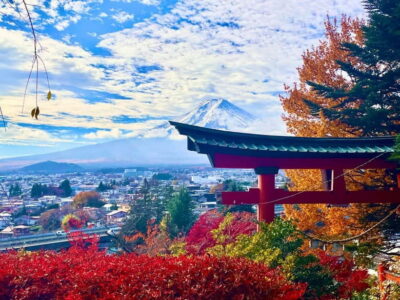
Private 2-Day Tour: Mt Fuji Hakone & Kamakura + Onsen Ryokan
Read our review →Browse the lists this tour appears in