
Review · JAPANESE ONSEN TOURS
From Osaka: Himeji Castle, Arima Onsen & Mt. Rokko Day Tour
White walls, hot springs, and mountain views await. This 10-hour day tour packs several of Kansai’s best sights into one outing, linking Himeji Castle, Koko-en Garden, Arima Onsen, and Mt. Rokko by air-conditioned bus. I especially like the mix of grand architecture and ordinary local pleasures, from castle towers to sweet snacks in Arima’s narrow streets.
I also like the amount of free time. You are not marched from one photo stop to another, and guides such as Gary, Harry, and Nick have been praised for useful history, good humor, photos, and thoughtful help. The main drawback is the long day and limited bus legroom, especially for tall people. From March 1, castle and garden entry fees also need to be paid separately.
The day in four memorable details
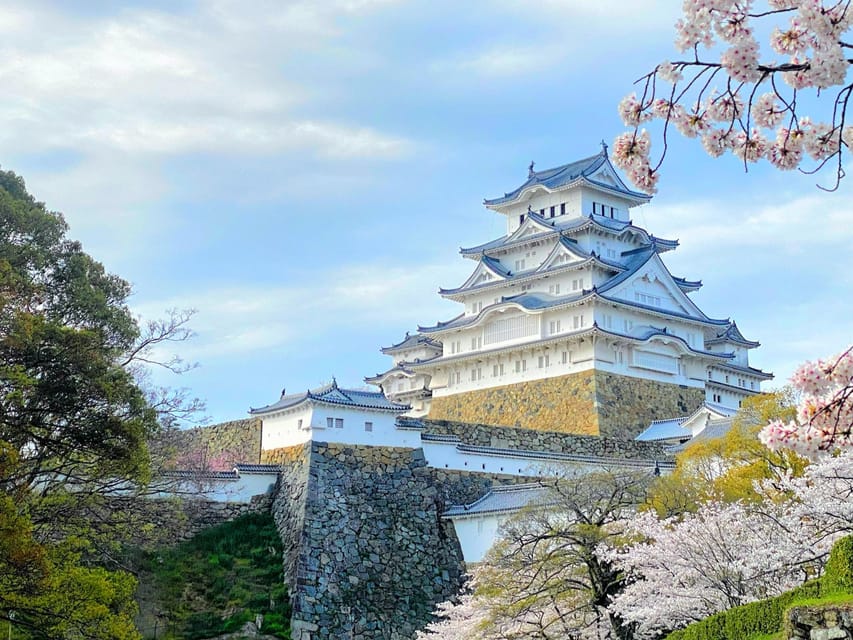
- Himeji Castle’s original wooden structure: Japan’s first UNESCO World Cultural Heritage Site, with its famous white exterior and surviving keeps.
- Nine gardens at Koko-en: A quiet Edo-period-style garden complex with ponds, tea-house grounds, and excellent castle views.
- Arima Onsen on foot: A compact hot-spring town where you can stroll, snack on Tansan Senbei, and choose whether to pay for a bath.
- Mt. Rokko at 880 meters: A high viewpoint reaching from the Akashi Strait toward the Osaka Plain.
- Optional Senhime Gozen lunch: A Japanese set meal with conger eel rice, udon, steak, tempura, and seasonal fruit.
- Bilingual or multilingual guiding: English and Chinese support is offered, and guides may also assist groups speaking Japanese or other languages.
Why this Osaka day trip is worth considering
At about $53 per person, the tour offers strong value if you want to see Himeji, Arima, and Mt. Rokko in one day. Public transport can get you to these places, but combining them independently takes planning, transfers, and careful timing. Here, the bus handles the long connections while you spend your energy on sightseeing.
The value is strongest for first-time visitors to the Kansai region. Himeji is west of Osaka, Arima is inland from Kobe, and Mt. Rokko rises above Kobe. These stops do not form an easy single route by local trains and buses. The tour turns a complicated day into a clear sequence.
There is a trade-off. You get a broad sample rather than a slow visit. Himeji Castle and Koko-en receive the most time, Arima gets about 90 minutes, and Mt. Rokko only about 30 minutes. That final stop works mainly as a quick viewpoint and shopping break, not a full mountain outing.
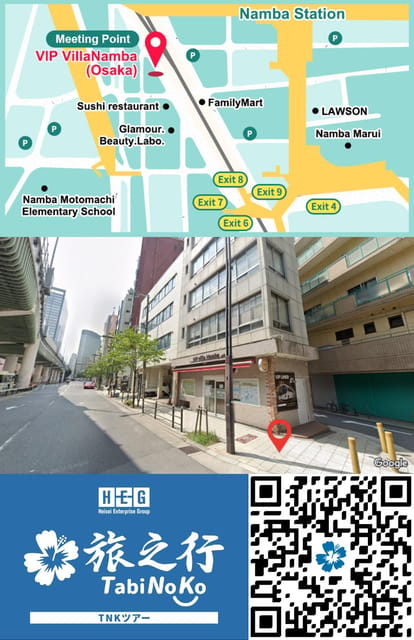
The tour begins and ends at VIP Villa Namba, also identified as the いな音ビル meeting point. Check the exact meeting details for your booking, since the selected option can affect the meeting point. Arrive early. Late arrival or going to the wrong location may mean losing the tour without a refund.
More Hot Spring Day Trips in Japan
- Osaka: Nara and Uji Day Trip with Deer Park and Hot Spring
★ 4.4 · 302 reviews - Tokyo: Mount Fuji 5th Station & Onsen Day Trip
★ 4.3 · 75 reviews - Private Nagano 1-Day Tour:Snow Monkeys,Zenko-ji,Obuse,Sake,Onsen
★ 5.0 · 71 reviews
Himeji Castle: two hours with Japan’s White Heron
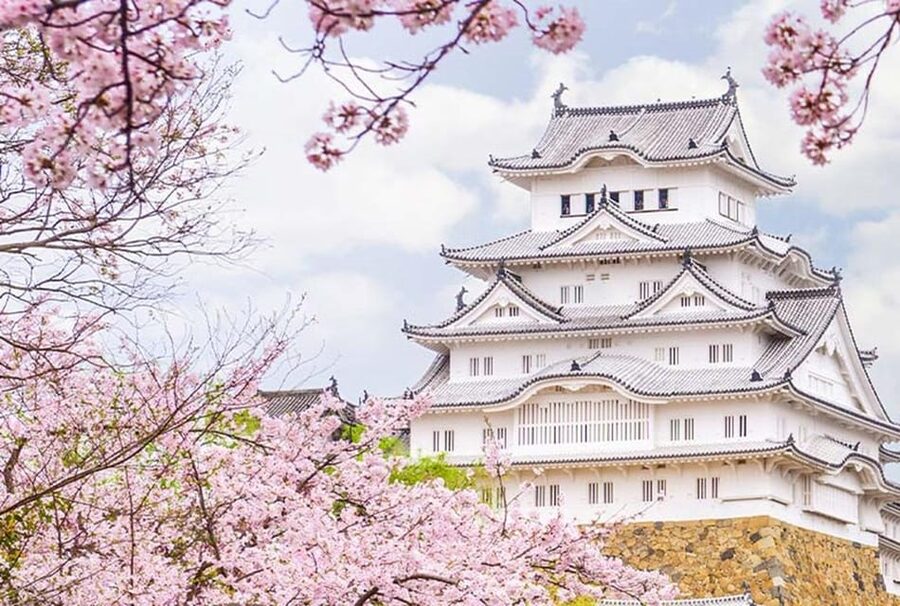
Himeji Castle is the star of the day. Its white walls, layered roofs, and defensive design make it one of Japan’s most impressive surviving castles. The current main structure was completed in 1609, after the site had already been used for a castle in the late 14th century.
The nickname White Heron Castle comes from the elegant white exterior. From the outside, the castle looks almost delicate. Inside, the design tells a tougher story, with wooden construction, steep routes, gates, walls, and features made to slow attackers during the Sengoku and early Edo periods.
The castle is especially valuable because its original keeps remain intact. Many Japanese castles were destroyed by war, fire, earthquakes, or later redevelopment. Himeji gives you a rare chance to see an authentic castle complex rather than a modern reconstruction.
You have about two hours here for photos, walking, and self-guided sightseeing. That is enough for a solid visit, but you should keep moving if you want to see the interior and grounds without stress. Expect steps and plenty of walking. The castle route is not a quick lobby visit.
From March 1, entry to the interior requires a separate 2,500 yen ticket purchased at the castle on the day. This is an important cost to add when comparing tour prices. Until February 28, the package includes Himeji Castle and Koko-en entry fees, according to the stated tour conditions.
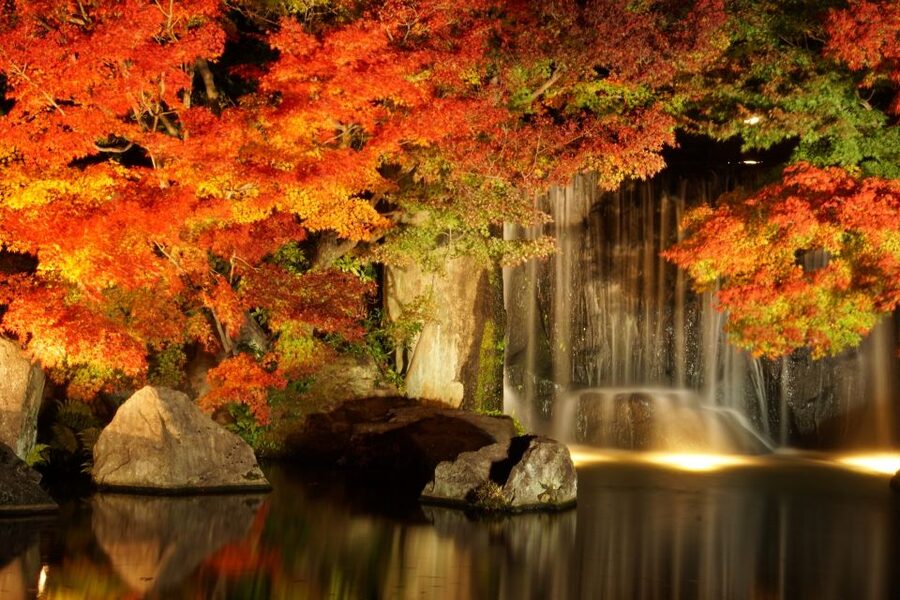
Spring brings cherry blossoms around the castle, while autumn places colorful leaves against the pale walls. The setting changes with the season, but the building remains the main event. A good guide can add useful context, yet the visit is largely self-guided, so you can set your own pace.
Koko-en Garden: the quieter half of Himeji
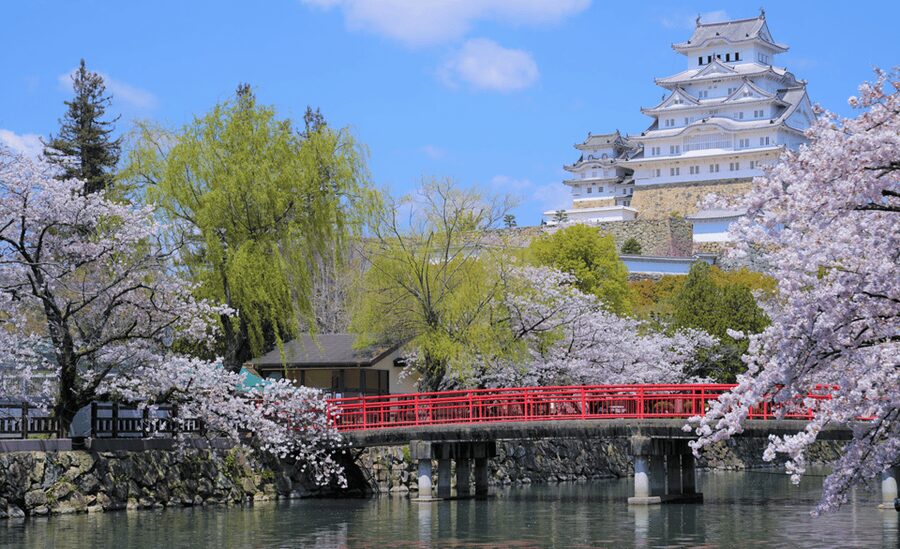
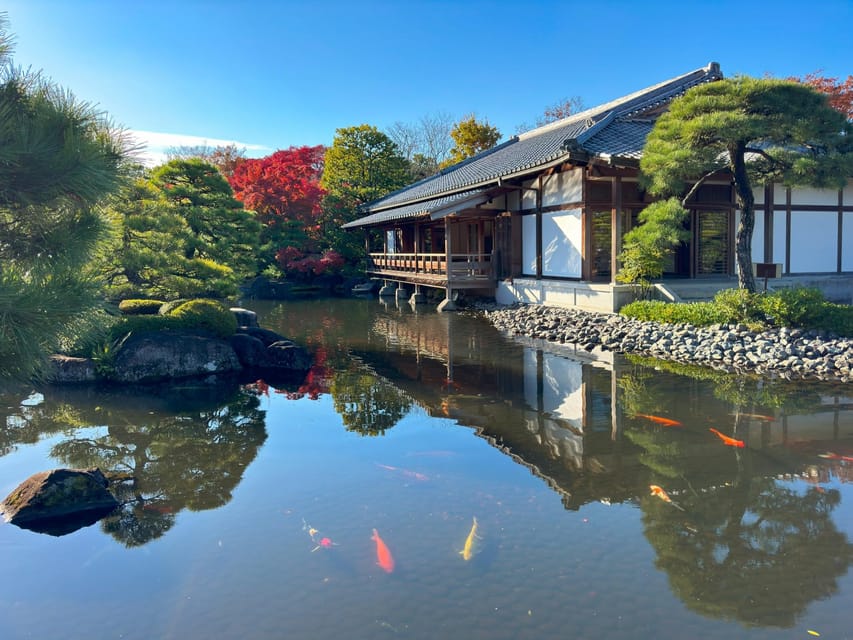
Koko-en lies southwest of Himeji Castle and covers about 3.5 hectares. It is made up of nine separate gardens, each with a different mood and design. That variety makes it more than a quick green space beside the castle.
The pond-centered Oyakata-no-niwa garden is built for strolling, with views that change as you walk. Other sections use walls, clipped plants, water, stones, and traditional buildings to create smaller scenes. The sukiya-style tea garden includes the Soju-an tea room, where you may have a chance to pause for tea if time and opening conditions allow.
I would not skip Koko-en. The castle is bold and dramatic, while the garden gives you a slower look at Japanese design. It also frames the castle beautifully, so you can take some of the best photographs of the day here.
You receive about one hour. That is enough to enjoy the main paths and stop for photographs, but not enough for a long tea break and a leisurely exploration of every corner. From March 1, you must purchase the Koko-en entry ticket yourself at the castle on the day. Confirm the current combined or separate pricing locally before entering.
Several people have found the garden to be the highlight, particularly because it offers quiet time after the busy castle visit. I suggest saving a few minutes for the tea-house area rather than spending the entire hour at the first pond.
Karoyashiki-ato Park and the lunch pause
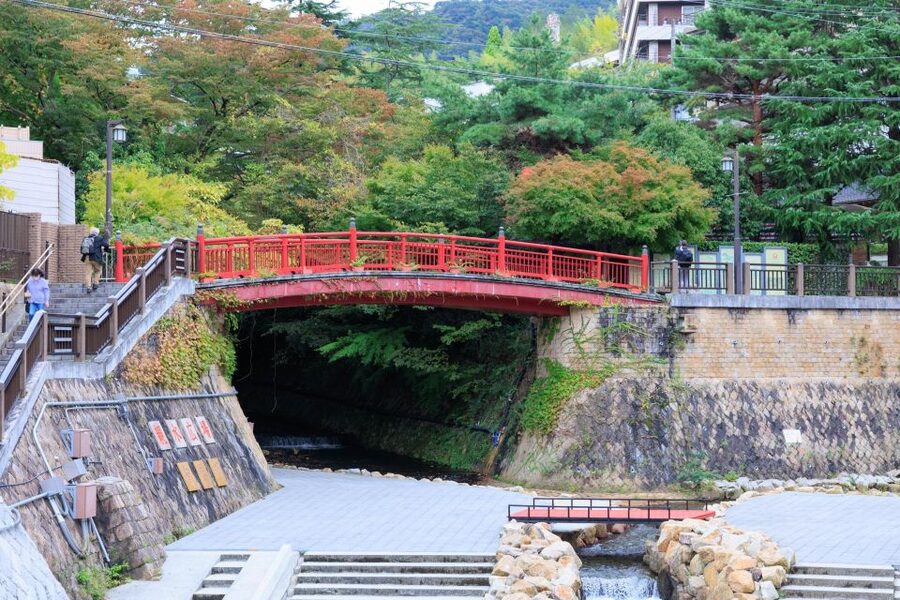
The next stop is Karoyashiki-ato Park, a historic-site park where you have about an hour for lunch and free time. The schedule gives you a useful break after the castle and garden, rather than filling the whole day with nonstop sightseeing.
An optional Senhime Gozen lunch includes a mini conger eel rice bowl, warm mini udon, mini steak, assorted tempura, and seasonal fruit. It is a wide-ranging Japanese set meal, so you get several flavors and textures in one sitting. The portion is designed as a tasting-style set rather than a single large bowl.
If you select the meal, it adds convenience and gives you a planned Japanese dining experience. If you do not select it, you have more freedom to choose your own food. Vegetarian diners have found food options around the castle area, but you should check ingredients and ordering details yourself rather than rely on the set meal.
The one-hour pause is practical, though not generous. If you enjoy lingering over lunch, shopping, and taking in the park, watch the clock. The guide can provide food suggestions, and past groups have valued recommendations for local dishes and later meals in Osaka.
More Onsen Tours in Japan:
- From Tokyo: Private Tour to Fuji/Hakone – Onsen, Art, Nature
★ 5.0 · 116 reviews - Mt. Fuji, Hakone Private Tour from Tokyo – Onsen, Arts and Nature
★ 5.0 · 79 reviews - From Fukuoka: Mount Aso, Kurokawa Onsen, and Shrine Tour
★ 4.6 · 72 reviews - Snow Monkey & Shibu Onsen Afternoon Tour (Depart: Iiyama & Nozwa)
★ 5.0 · 54 reviews
Arima Onsen: a compact town made for strolling
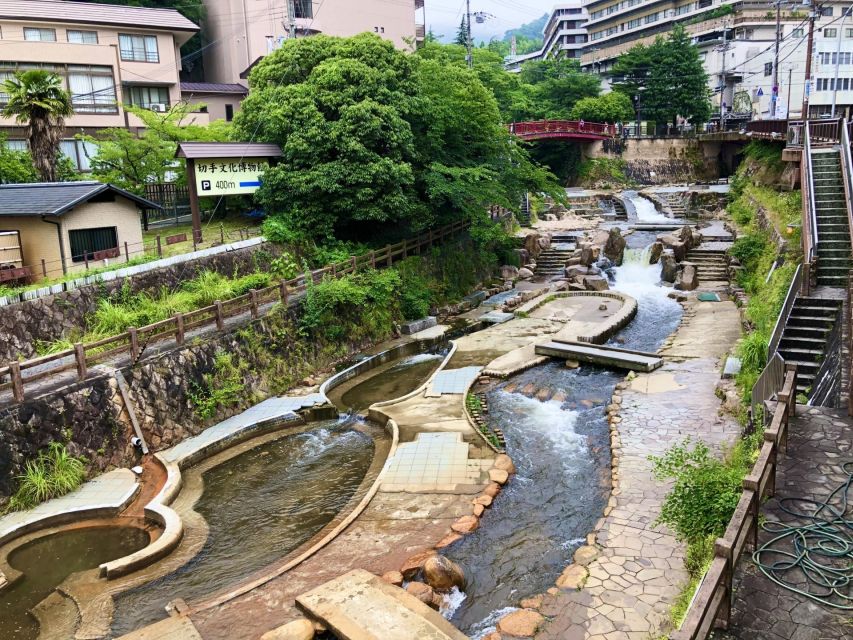
Arima Onsen is one of Japan’s three oldest hot-spring towns. It sits in the hills of Kobe and feels very different from Osaka’s city streets or Himeji’s formal castle grounds.
You have about 90 minutes to explore. The town’s narrow slopes are lined with small shops, food stops, and hot-spring-related sights. Tansan Senbei, a crisp carbonated rice cracker, is one local snack to look for. Kinsen-yaki pastries are another popular treat.
The onsen bath itself is not included. You pay separately if you want to bathe, and the tour schedule gives you a limited window. Bring the right expectations: this is a chance to sample Arima and possibly enjoy a bath, not a full spa day.
For many people, the bath is the most memorable part of the afternoon. It offers a very different kind of Japanese experience from sightseeing at temples and castles. If you plan to use the hot spring, leave enough time for changing and walking back to the meeting point. Do not let a snack stop turn into a missed departure.
Even without bathing, Arima works well as a break. You can walk the slopes, browse small shops, try local sweets, and enjoy the town’s old hot-spring character. The route may be tiring for anyone who has already spent the morning climbing castle steps, but the relaxed pace helps.
Mt. Rokko: big views in a short stop
The final sightseeing stop is Rokkosan Garden Terrace, near the summit of Mt. Rokko at about 880 meters. The area has several viewing points, shops, and a touch of Western-style design.
On a clear day, you can look across the Akashi Strait toward the Osaka Plain. This is the kind of broad view that helps you understand the shape of the Kansai region. After a day of close-up details at the castle and garden, Mt. Rokko gives you distance and scale.
The scheduled time is about 30 minutes. That is enough for a few photographs, a quick look around, and perhaps a small purchase. It is not enough for a serious mountain walk or a slow visit to every part of the terrace.
Weather matters greatly here. Rain, mist, or low cloud can reduce the view to very little. A rainy-day visit may still be pleasant, but you should treat the stop as weather-dependent rather than guaranteed scenery. The mountain road itself can also take time, and the driver’s skill matters on the winding approach. Several people have praised the bus drivers for safe, confident driving.
The guides and the self-guided format
The guide is an important part of this experience. Gary, Harry, and Nick are repeatedly praised for clear explanations, humor, personal attention, and help with photographs. Nick has been noted for speaking several languages, while Gary has helped mixed English- and Chinese-speaking groups and offered food and sightseeing suggestions.
The format is not a private guided tour. At Himeji and Koko-en, the guide may explain the setting and give directions, then allow you to explore independently. That arrangement suits you if you like freedom and do not want to stay in a tight group.
It may disappoint you if you expect the guide to walk beside you through every castle room. Use the bus ride and meeting points for questions, then enjoy the stops at your own speed. Guides have also helped organize bus seating and kept people updated on departure times, which matters on a busy full-day schedule.
The vehicle is air-conditioned, and several people found it clean and comfortable. The main complaint is limited legroom for tall passengers. You should also expect a long day on the road, with a chance to rest during the drives but not necessarily a lot of sleep.
Timing, cost, and practical trade-offs
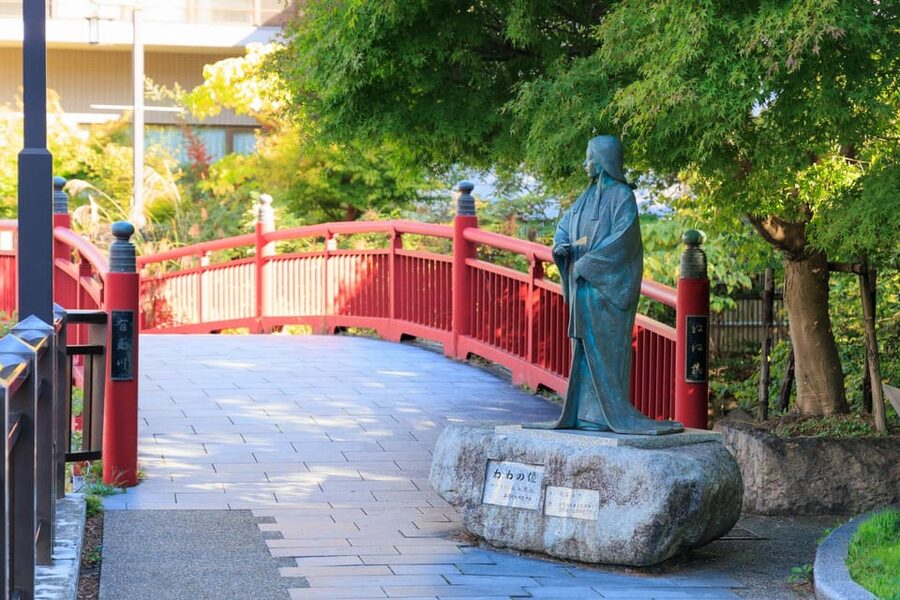
The tour lasts 10 hours. Traffic can change the schedule, especially on routes connecting Osaka, Himeji, Kobe, and Mt. Rokko. The stated times are useful targets, but you should remain flexible if the bus arrives later than planned.
At $53, the price is appealing for transportation, a live English or Chinese-speaking guide, and a full day covering several distant places. The value improves if you would otherwise need separate train and bus tickets, taxi connections, and extra planning.
Check the admission change carefully. Tours operating through February 28 include Himeji Castle and Koko-en entry fees. Tours from March 1 do not include those fees, and the stated Himeji interior ticket is 2,500 yen. The hot spring is never included, and lunch costs extra unless you choose the lunch option.
Children under three travel free without a seat. If you need a seat for an infant, book under the child rate. The tour can place people who selected different languages in the same vehicle, so announcements may happen in more than one language.
Free cancellation is available up to 24 hours before departure, and you can reserve now and pay later. Those terms are helpful when your Osaka plans are still shifting, but they do not protect you from a missed meeting time.
Who should book this tour?
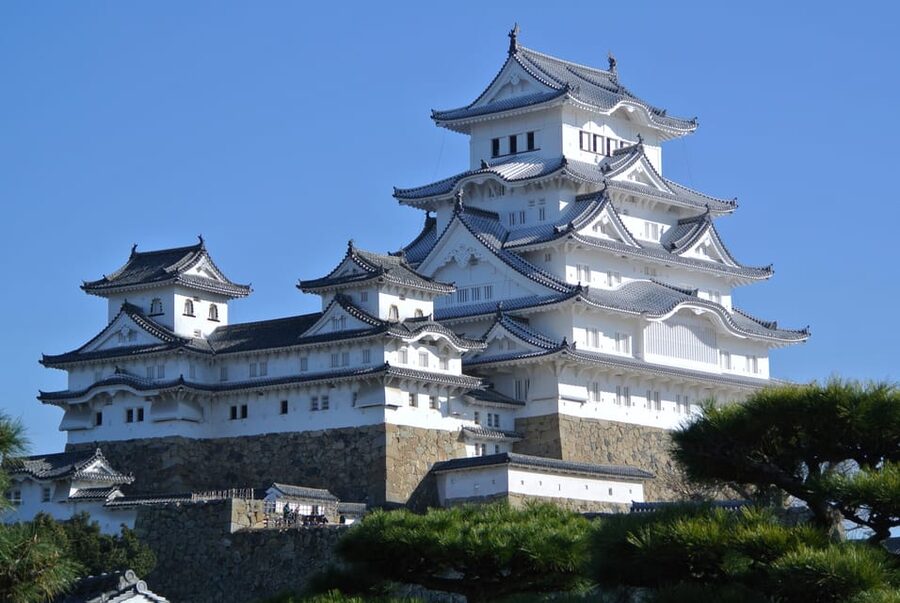
Book it if you want to see Himeji Castle but also want Arima Onsen and a high viewpoint without arranging several connections yourself. It is a strong fit for first-time visitors, families, couples, and anyone who values a clear plan with room to explore alone.
It also suits you if you enjoy variety. One day brings castle architecture, garden design, Japanese food, hot-spring-town streets, and mountain views. That range is the tour’s main strength.
Think twice if you dislike buses, have trouble with stairs, need lots of time at each sight, or are very tall and sensitive to tight seating. You may also prefer an independent Himeji visit if the castle interior deserves your entire day.
My advice is simple: select the lunch if convenience matters, add the castle admission and onsen cost to your budget after March 1, wear comfortable walking shoes, and arrive early at the Osaka meeting point. If the forecast is clear, the Mt. Rokko stop adds real value. Even in poor weather, Himeji and Koko-en make the day worthwhile.
FAQ
How long is the Himeji Castle visit?
The planned stop is about two hours, including photo time, walking, sightseeing, and self-guided exploration.
Is Himeji Castle entry included?
For tours through February 28, Himeji Castle and Koko-en entry fees are included. For tours from March 1, entry fees are not included, and you must purchase the stated 2,500 yen Himeji Castle ticket yourself at the castle.
Is Koko-en Garden included?
Koko-en entry is included for tours through February 28. From March 1, you must purchase entry yourself at the castle on the day.
Can I enter an onsen at Arima?
Yes, but onsen entry is not included in the tour price. You pay separately if you choose to bathe.
Is lunch included?
Lunch is included only if you select the lunch option. The Senhime Gozen set includes mini conger eel rice, mini udon, mini steak, assorted tempura, and seasonal fruit.
What languages are available?
The tour offers live English- and Chinese-speaking guides. People who choose different languages may travel in the same vehicle.
Where does the tour start and end?
There are two stated options using VIP Villa Namba and いな音ビル. The exact meeting point may vary according to the option you book, so check your reservation details carefully.
Just added around Japan
- Japanese Head Onsen and Scalp Massage Retreat in Tokyo★ 4.5 · 2 reviews
- Mt Fuji Small Group 1 Day Tour Kawaguchi and Yamanaka with Pickup★ 5.0 · 4 reviews
- Tokyo Local Tattoo Friendly Public Bath Experience★ 5.0 · 4 reviews
- Mt. Fuji Tours to Lake Kawaguchi and Yamanaka Onsen English Guide★ 4.5 · 4 reviews
- Mt. Fuji to Lake Kawaguchi, Lake Yamanaka and Onsen Day Tour★ 4.5 · 3 reviews
- Onsen Spa in Tokyo and Asakusa Bar Hopping with Local Guide★ 5.0 · 3 reviews
- Tattoo-friendly open-air Onsen & drink★ 5.0 · 25 reviews
- Private Tour to Snow Monkey, Zenkoji Temple & Hot Springs Nagano★ 4.0 · 2 reviews
Japanese Onsen Tours, compared.
Private Tour to Fuji/Hakone – Onsen, Art, Nature
Read our review →
All-Day Pass to Yunomori Sathorn Onsen Bath and Spa
Read our review →
Mt. Fuji, Hakone Private Tour from Tokyo – Onsen, Arts and Nature
Read our review →
From Fukuoka: Mount Aso, Kurokawa Onsen, and Shrine Tour
Read our review →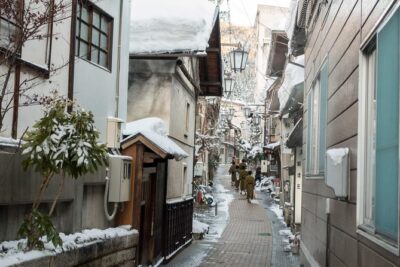
Private Nagano 1-Day Tour:Snow Monkeys,Zenko-ji,Obuse,Sake,Onsen
Read our review →
Browse the lists this tour appears in