
Review · HOT SPRING HIKING TOURS
Pokhara: 5 Day Annapurna Base Camp Trek & Natural Hot Spring
The mountains get serious fast. This five-day Annapurna Base Camp trek takes you from Pokhara to 4,130 meters, passing through rice terraces, forests, Gurung villages, and the snowy amphitheater around Annapurna. I like the compact route and the final Jhinu hot spring stop, which gives your tired legs a welcome reward.
I also like how much practical work is included: permits, tourist-standard lodge accommodation, guide costs, transport, luggage storage in Pokhara, and hotel pickup. The main drawback is the pace. Reaching base camp in five days is achievable, but the walking is steep and tiring, and meals are not included in the $171 price.
The experience is best for hikers who want a serious Himalayan goal without committing to a two-week expedition. You get private-group attention, but you should still prepare for cold nights, long uphill sections, and possible altitude problems above 3,000 meters.
Key things to know before booking
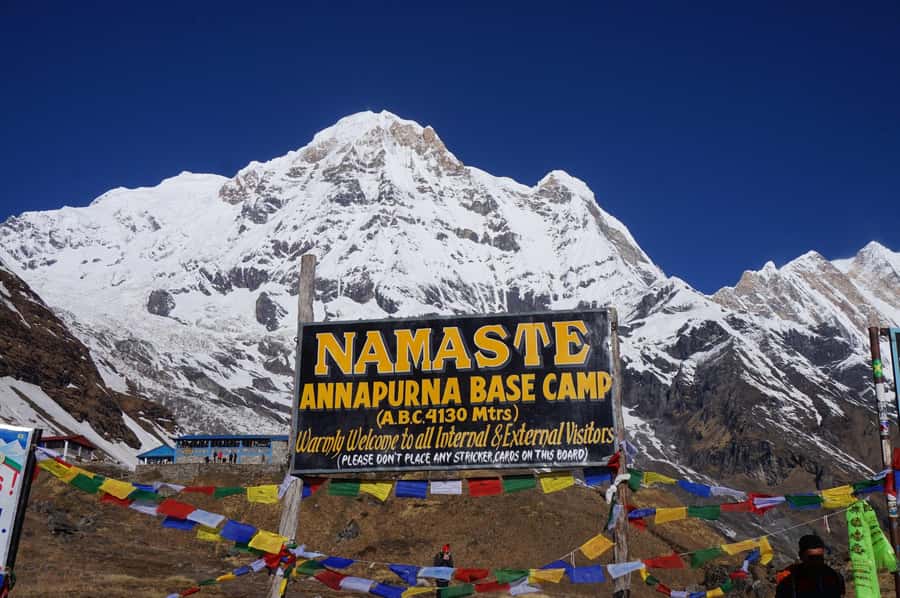
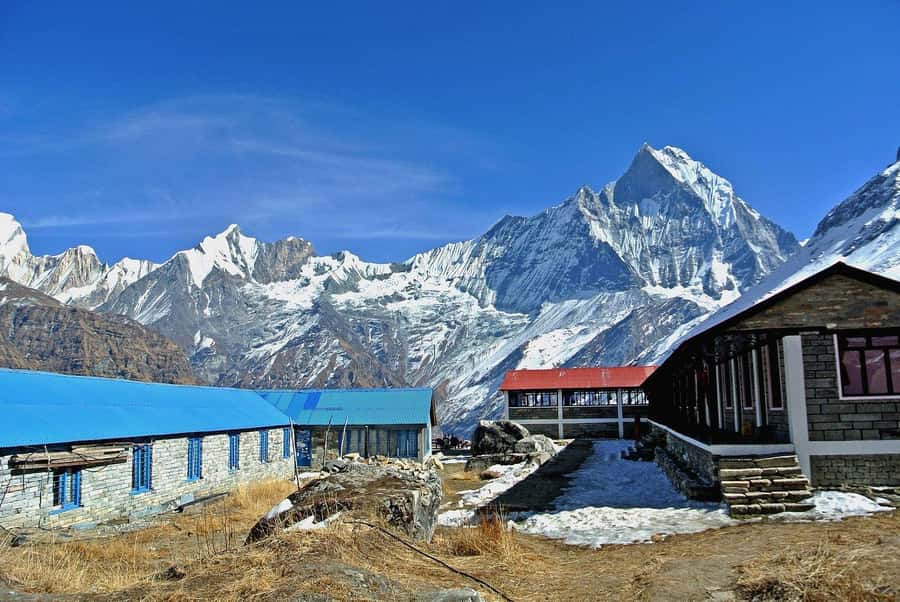
- 4,130-meter finish: You spend the third night near Annapurna Base Camp, surrounded by Annapurna, Machhapuchhre, and Hiunchuli.
- Five days means a brisk schedule: The route includes roughly four to six hours of walking per day, with steep sections and a fast ascent.
- Jhinu is more than a transport stop: The return route includes time for the natural hot springs before driving back to Pokhara.
- Guides receive the strongest praise: Guides such as Deepak, Narayan, Paras, Hari, Basanta, Bidur, and Sandesh are repeatedly described as caring, encouraging, and attentive.
- Meals cost extra: Lodging and guide expenses are covered, but breakfast, lunch, and dinner are available for purchase along the route.
- A porter is optional: Porter service costs $15 per day, while a duffel bag and trekking pole can be provided if needed.
Why this five-day route works
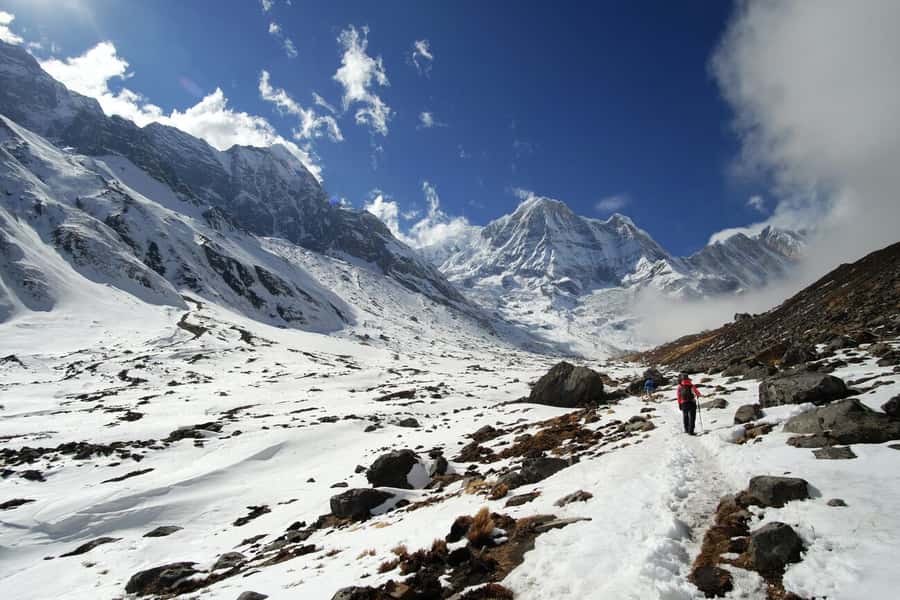
Annapurna Base Camp is a satisfying trekking target because the route keeps changing. You start near Pokhara with roads, villages, and cultivated hills. Then the path moves into forest, where waterfalls, stone steps, and narrow mountain trails replace the lower valley scenery. Finally, you reach a high basin surrounded by some of Nepal’s most recognizable peaks.
That variety is the appeal. You are not simply walking uphill for five days. You move through several ecological zones and see how Gurung communities live in the middle hills. The villages offer a more personal sense of the region than a quick mountain viewpoint would.
The schedule is also efficient. At $171 per person, the package offers strong value if you use the included transport, permits, guide, lodge arrangements, and storage service. You still need money for meals and personal expenses, and a porter adds $15 per day, so the final cost will be higher than the headline price.
I would treat this as a guided trekking package rather than a luxury holiday. The lodges are described as tourist standard, which means practical shelter and basic comfort rather than polished hotel service. That is exactly the right level for this route, but you should pack with mountain conditions in mind.
More Natural Hot Springs in Nepal:
- Pokhara: 7-Day Annapurna Base Camp Trek & Natural Hot Spring
★ 5.0 · 11 reviews - Pokhara: Amazing 7-Day ABC Trek with Natural Hot Spring
★ 5.0 · 5 reviews - 5-Day Annapurna Base Camp Trek with Natural Hot Springs
★ 5.0 · 3 reviews
Day 1: Pokhara to Jhinu, then Lower Sinuwa
The trip begins with pickup from your hotel in Lakeside Pokhara, or from the airport by car. A guide is scheduled to meet you in the hotel lobby with a name card, which removes one small but useful worry on an early start.
A shared jeep takes you from Pokhara to Jhinu, the last road access for this itinerary. The drive is listed at about two hours. Once you leave the vehicle, the trek begins properly, with roughly five hours of walking to Lower Sinuwa at 2,300 meters.
This first day gives you a quick lesson in the route. You pass cultivated hills and lower forest before reaching the mountain villages farther up the trail. The path may feel demanding because the trek gains height early, but the overnight altitude is still moderate compared with base camp.
Lower Sinuwa is a sensible first stop because it places you inside the trekking corridor without pushing you too high too soon. Your lodge is private accommodation in a tourist-standard property, though the exact lodge can vary.
I would not underestimate this day. The vehicle ride saves time, but it does not make the walking easy. Comfortable shoes are listed as essential, and poles are worth considering for the many uphill and downhill sections.
Day 2: Lower Sinuwa to Deurali at 3,200 meters
Day two covers about six hours, ending at Deurali. The route moves farther into forest and higher mountain terrain, with the scenery becoming quieter and more rugged as the villages thin out.
This is one of the days when a guide adds real value. The path has many changes in direction and elevation, and your guide can set a pace that keeps the group together. The most praised guides on this trip, including Deepak, Narayan, and Paras, are described as patient with slower walkers and quick to adjust plans when someone feels unwell.
Deurali sits at 3,200 meters, so this is also the day to pay attention to how your body responds. Altitude sickness is not something to treat casually. One group had a member who became sick, and the guide arranged alternatives so the person could continue safely in a modified way. Other guides checked regularly on mild symptoms and offered practical support.
You should tell your guide early if you develop a headache, nausea, unusual tiredness, or dizziness. The five-day schedule is fixed on paper, but good mountain guiding means responding to conditions instead of treating the timetable as more important than your health.
The lodge evening may be simple and cold. Bring layers, keep your sleeping clothes dry, and expect the higher portion of the trek to feel much less comfortable than Pokhara.
Day 3: Deurali to Machhapuchhre Base Camp and Annapurna Base Camp
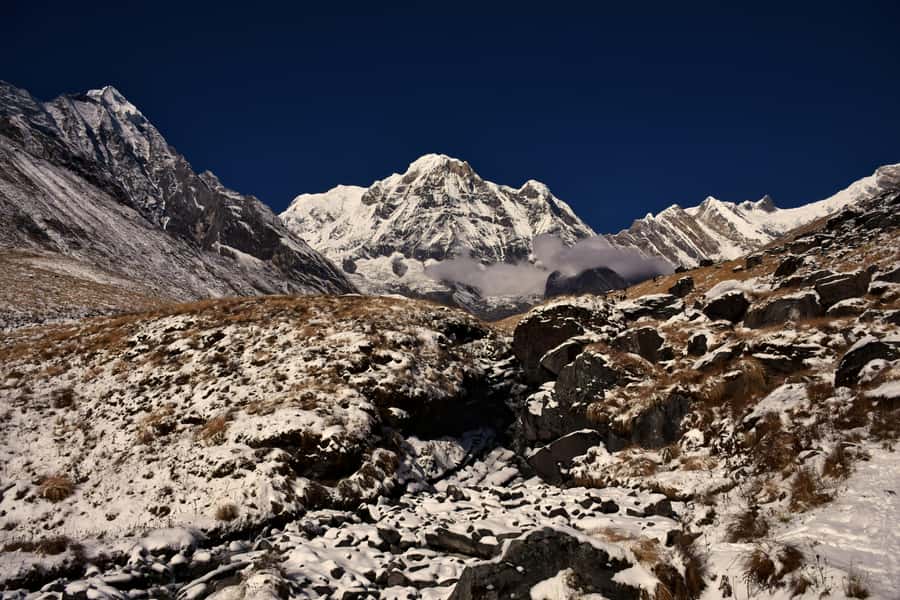
This is the big day. The listed walking time is about four hours, ending at Annapurna Base Camp at 4,130 meters, with Machhapuchhre Base Camp on the way.
Machhapuchhre, or Fishtail, is one of the most distinctive peaks in Nepal. It has a sharp, recognizable profile and is a major visual marker on this route. Hiunchuli and the Annapurna peaks add to the huge wall of rock and snow around the trail.
The approach to base camp feels different from the lower days. Trees give way to open, high-altitude ground, and the air becomes colder and thinner. You are walking toward a natural bowl surrounded by enormous summits, rather than toward a single viewpoint.
The short walking time can be misleading. This is the highest day, and altitude makes each uphill section harder. A slow pace is sensible. Stop for water and rest as needed, and do not feel pressured to match the fastest person in the group.
At the base camp, you have reached the main goal of the trek. The itinerary includes a guided visit and time to walk around the area. Clear weather can reveal broad views across the Annapurna massif, though mountain conditions are never guaranteed. In January, one group had several clear sunny days, while monsoon-season groups sometimes had only brief gaps in the clouds.
The overnight temperature can be very cold. One person specifically advised being ready for the cold at base camp, so pack warm clothing rather than relying only on lodge blankets.
More Hot Spring Hikes in Nepal:
- From Pokhara: 5-Day Annapurna Basecamp Trek with Hot Springs
★ 4.9 · 26 reviews - Pkr/Kathmandu: 5-Day Annapurna Base Camp & Hot spring Trek
★ 5.0 · 6 reviews - Pokhara: 5-Day Trek to Annapurna Base Camp and Hot Springs
★ 5.0 · 4 reviews - POON HILL HOT SPRING – 10 Days Trek
★ 5.0 · 3 reviews
Day 4: Morning at base camp, then Bamboo
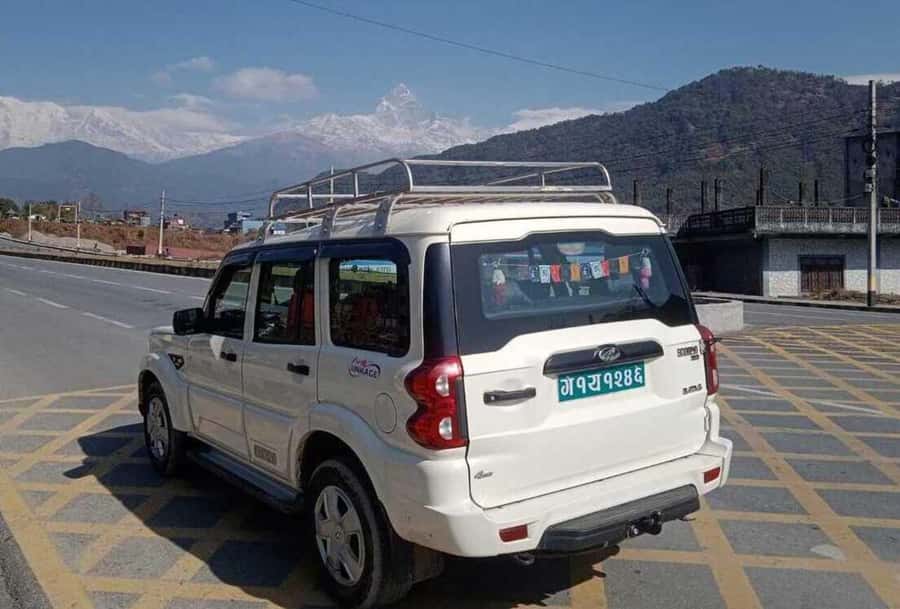
Day four combines a high-altitude morning with a long descent. You explore Annapurna Base Camp before trekking down to Bamboo at 2,400 meters, with about six hours of walking.
The morning is often the best time for mountain views, but conditions vary. This is also your chance to take photographs, look back at the route, and appreciate how quickly the surroundings change as you lose height.
Descending is not automatically easy. It can be hard on knees and ankles, especially after the effort of reaching base camp. Trekking poles can help, and the operator says poles may be supplied if required.
Bamboo offers a lower, warmer night than base camp, but the descent is still a full day. Your guide may help organize the lodge and meals, saving you from making decisions when you are tired. Meals are not included in the tour price, so carry enough cash for food and personal purchases. One useful warning from the trip experience is that lodge prices vary as you go higher.
Day 5: Bamboo to Jhinu, hot springs, and Pokhara
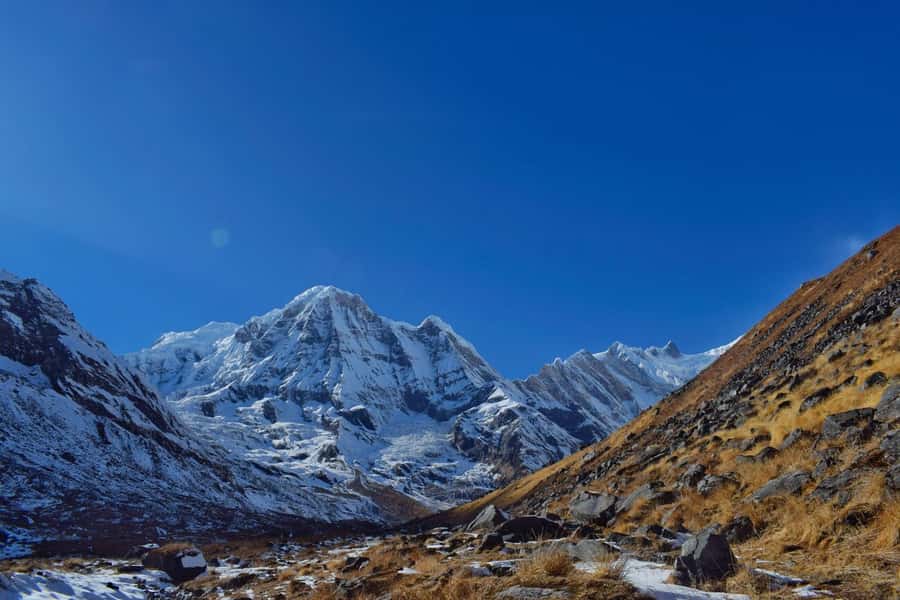
The final day includes about six hours of trekking from Bamboo back to Jhinu, followed by the drive to Pokhara. The altitude drops to about 822 meters, a major change from base camp only two days earlier.
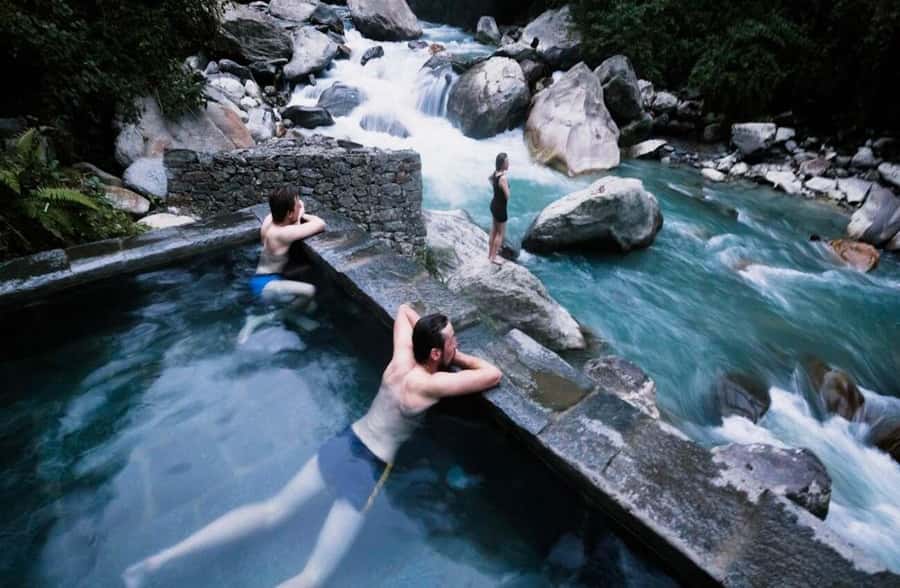
Jhinu’s natural hot springs are the trip’s built-in recovery session. After several days of steep trails, warm water can be a memorable way to finish. Bring suitable swimwear and a small towel if you plan to use the springs, though these items are not specifically listed as provided.
After the stop, a shared jeep returns you to Pokhara in about two hours. The trip finishes with drop-off in Pokhara or Lakeside Pokhara.
This final day is not merely a transfer. The walk down to Jhinu gives you one more stretch of village and forest scenery, while the hot springs provide a clear change of pace. Still, you may be tired by this point. The route is designed to fit five days, not to give you long lazy afternoons.
The guides are the strongest part of the package
The guide can make or break a short trek, and this experience has received especially strong praise for its guiding. Deepak is repeatedly described as calm, attentive, encouraging, and willing to help with bags when someone struggled. Narayan is praised for setting clear daily goals, making time for lunch and photographs, and allowing people to walk at a comfortable pace.
Other praised guides include Paras, Hari, Basanta, Bidur, Sandesh, Sushil, Rajendra, and Krishna Pariyar. Guide assignments can vary, so you should not assume a particular person is guaranteed. What matters is the pattern of service: safety checks, cultural explanations, help at lodges, and support when the trail gets hard.
Several guides also explained local culture, village life, mountain geography, plants, and animals along the way. That turns the walk into more than a physical challenge. You gain context for the Gurung communities and the places you pass through.
If you bring a porter, the extra cost is $15 per day. Porters were praised for being friendly, strong, and supportive, and one guide carried a participant’s heavier bag during difficult sections. Even so, I would not plan on staff carrying your gear unless you have arranged the porter service or there is a genuine emergency.
Food, lodging, and what the $171 covers
The price is attractive because several major costs are included. You get tourist-standard lodge accommodation, hotel pickup and drop-off, shared jeep transport between Pokhara and Jhinu, ACAP conservation fees, government permits, TIMS, taxes, and the guide’s food, accommodation, insurance, salary, transportation, and equipment.
A first-aid kit is included. You can also request a duffel bag, trekking bag, and trekking pole, and luggage storage in Pokhara is available during the trek.
Meals are the key extra cost. Breakfast, lunch, and dinner are available to buy, but they are not part of the package. Personal spending is also excluded. Carry cash, especially because prices can vary at higher lodges.
The accommodation should suit you if your priority is a clean, practical place to sleep after walking. It may not suit you if you expect private bathrooms, hotel-style service, or reliable comforts at every stop.
Difficulty, weather, and preparation
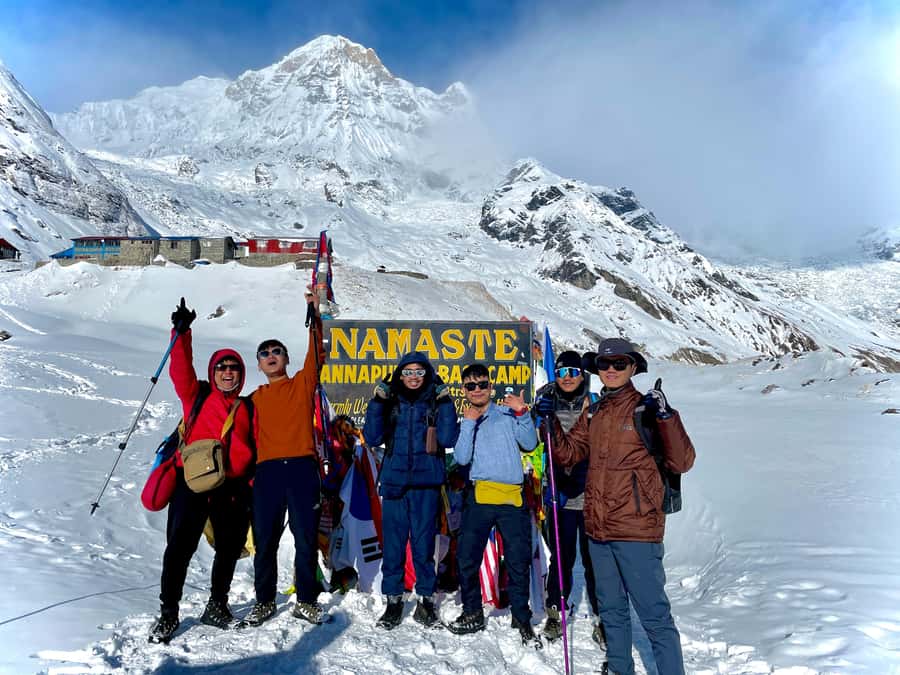
The trek is described as challenging but achievable in five days. That is a fair assessment. The route is not presented as a technical climbing trip, but the steepness, altitude, cold, and repeated walking hours demand reasonable fitness.
You should bring comfortable shoes, warm layers, rain protection, and a passport or identity card. A copy of your passport or ID is accepted according to the provided information.
Season matters. Clear winter weather can produce fine mountain views, but cold is more serious at base camp. The monsoon period can bring leeches, cloud, and wet trails. People who walked in the wet season found the crowds lighter, but waterproof shoes and a proper poncho were especially useful.
Pregnant women are specifically advised not to take this activity. The experience is better suited to adults who can handle steep walking and accept basic lodge conditions.
The private-group format is helpful. You can ask questions, discuss your pace, and work with the guide more easily than in a large mixed group. It also makes the trek a good choice for friends, couples, and small family groups who want a shared challenge.
Should you book the Annapurna Base Camp trek?
I would book this trek if you want a short, guided route from Pokhara with a clear goal and strong logistical support. The combination of permits, transport, lodge arrangements, guide costs, storage, and the Jhinu hot springs makes $171 a good starting value, even after adding meals and perhaps a porter.
I would pause if you dislike steep walking, cold nights, or basic accommodation. Five days leaves little room for a slow holiday pace, and the high point at 4,130 meters deserves respect.
For the best chance of enjoying it, train for long uphill walks, pack for rain and cold, carry cash for food, and speak up quickly about altitude symptoms. If you want Himalayan scenery, Gurung villages, helpful guiding, and a strong sense of achievement in a compact trip, this is a solid choice from Pokhara.
FAQ
How long is the Annapurna Base Camp trek?
The trek lasts five days and includes four nights. The route begins and ends in Pokhara, with the walking section running from Jhinu through Lower Sinuwa, Deurali, Annapurna Base Camp, and Bamboo.
What is the highest altitude on the trek?
The highest point is Annapurna Base Camp at 4,130 meters.
How many hours do you walk each day?
The itinerary lists about five hours on day one, six hours on day two, four hours on day three, six hours on day four, and six hours on day five.
Is transport from Pokhara included?
Yes. Hotel pickup and drop-off in Lakeside Pokhara or at the airport are included, along with shared jeep transport between Pokhara and Jhinu.
Are meals included in the price?
No. Meals are available for purchase during the trek but are not included in the $171 price.
Is accommodation included?
Yes. Private accommodation in tourist-standard lodges is included.
Are permits included?
Yes. The package includes the Annapurna Conservation Area permit, government permits, TIMS, and taxes.
Is a porter included?
No. Porter service is optional and costs $15 per day.
Can I leave luggage in Pokhara?
Yes. Luggage storage in Pokhara is included during the trek.
Is the Jhinu hot spring included in the route?
Yes. The final day includes a stop at the natural hot springs in Jhinu before the drive back to Pokhara.
More 5-Day Experiences in Nepal
- Pokhara: 5-Day Annapurna Base Camp Trek with Hot Spring
★ 5.0 · 3 reviews - Yellowstone, Grand Teton, and Hot Springs: Small Group 5-Day Tour
★ 5.0 · 2 reviews
Just added around Nepal
- 7 Days Annapurna Base Camp Trek from Pokhara with Hot Spring★ 5.0 · 2 reviews
- Unlimited Sauna Steam and Jacuzzi★ 5.0 · 2 reviews
- POON HILL HOT SPRING – 10 Days Trek★ 5.0 · 3 reviews
- Lower Mustang Jomsom Muktinath Hot Spring Tour in 4 WD Jeep★ 4.5 · 2 reviews
- 5-Day Annapurna Base Camp Trek with Natural Hot Springs★ 5.0 · 3 reviews
- Pokhara: 7-Day Annapurna Base Camp Trek & Hot Spring★ 4.0 · 3 reviews
- Pokhara: Amazing 7-Day ABC Trek with Natural Hot Spring★ 5.0 · 5 reviews
- Pokhara: 5-Day Annapurna Base Camp Trek with Hot Spring★ 5.0 · 3 reviews
Hot Spring Hiking Tours, compared.
Mount Batur Sunrise Guided Hike and Natural Hot Spring
Read our review →
Mount Batur Sunrise Hike and Natural Hot Spring Option
Read our review →
Private Tour Mount Batur Sunrise Trekking and Natural Hot Spring
Read our review →
Mount Batur Sunrise Hike, Breakfast & Hot Spring
Read our review →
National Park Hike & Finnish Smoke Sauna Experience with Campfire Lunch
Read our review →
Mount Batur Sunrise Hike with Breakfast & Hot Spring
Read our review →
Montanejos Hiking Tour & Thermal Pools from Valencia
Read our review →Browse the lists this tour appears in