
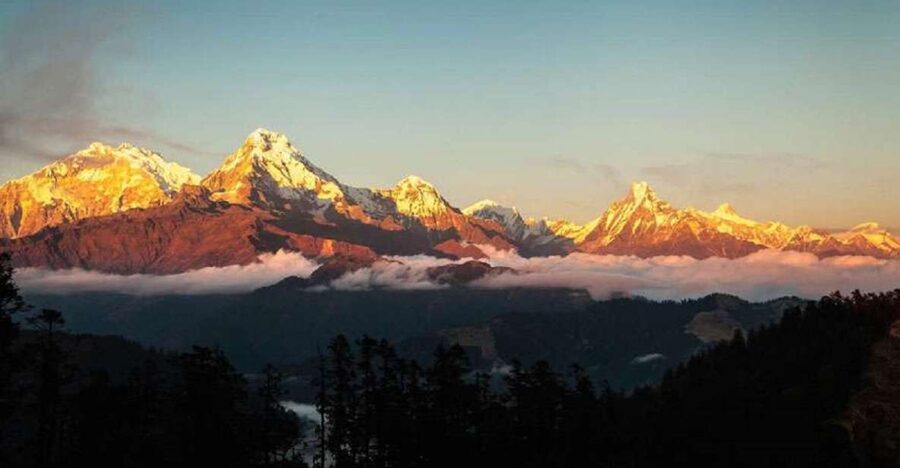
Review · HOT SPRING HIKING TOURS
From Pokhara: 5-Day Annapurna Basecamp Trek with Hot Springs
Five days gets you remarkably high. This Annapurna Base Camp trek packs snow peaks, forest trails, Gurung and Magar villages, and a soak at Jhinu’s hot springs into a brisk trip from Pokhara. I especially like the private-group format and the way the route reaches 4,130 meters without requiring a week or more away from the city. The main tradeoff is simple: the schedule is demanding, with long walking days and little time for your body to adjust.
I also like that the $155 price includes transport, permits, tea-house lodging, meals depending on the selected option, a registered English-speaking guide, first aid, and hot-spring entry. Guides such as Anil, Santosh, Uttam, Bishnu, Santos, and Sun Bahadur have earned praise for patience and safety. Still, you should budget for personal snacks, drinks, insurance, and possibly a porter.
The details that shape this trek
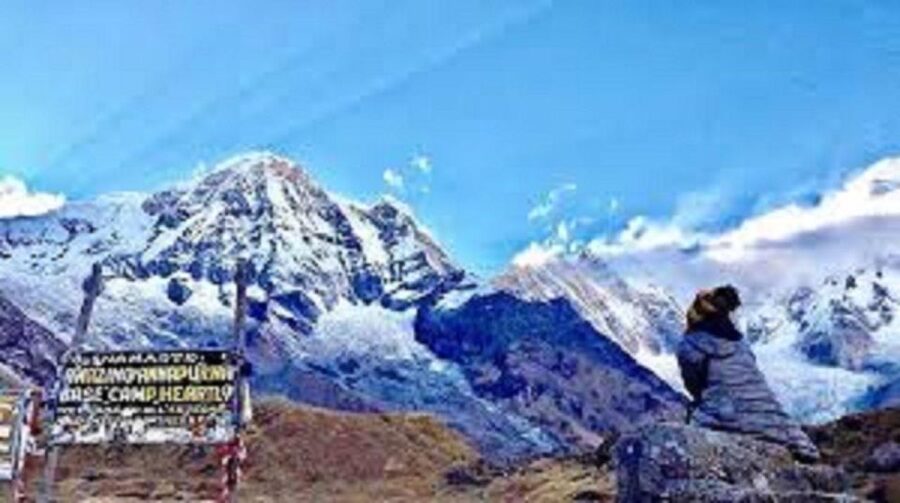
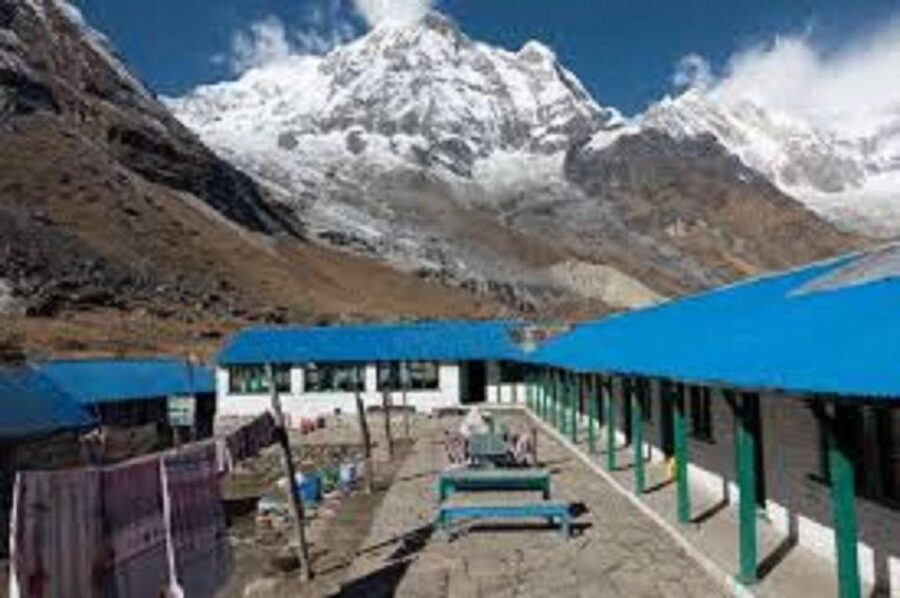
- 4,130-meter finish: You reach Annapurna Base Camp after passing Machhapuchhre Base Camp, with Annapurna South, Annapurna I, Hiunchuli, and Fishtail in view.
- A tough five-day rhythm: Walking days run from about four to seven hours, with steep climbs, descents, and a fast return from high altitude.
- Jhinu hot springs: The final walking day ends near natural hot springs, giving tired legs a pleasant reward before the drive back to Pokhara.
- Private pickup and transport: Pickup is available from Pokhara hotels, Lakeside, Sarangkot, several resorts, and Pokhara International Airport.
- Tea-house trekking: You sleep in basic lodges rather than camping, with meals included according to the option you choose.
- Guide-led and flexible: English, Hindi, and Nepali are available, and past guide support has been particularly praised when weather forced schedule changes.
Why this short Annapurna route works
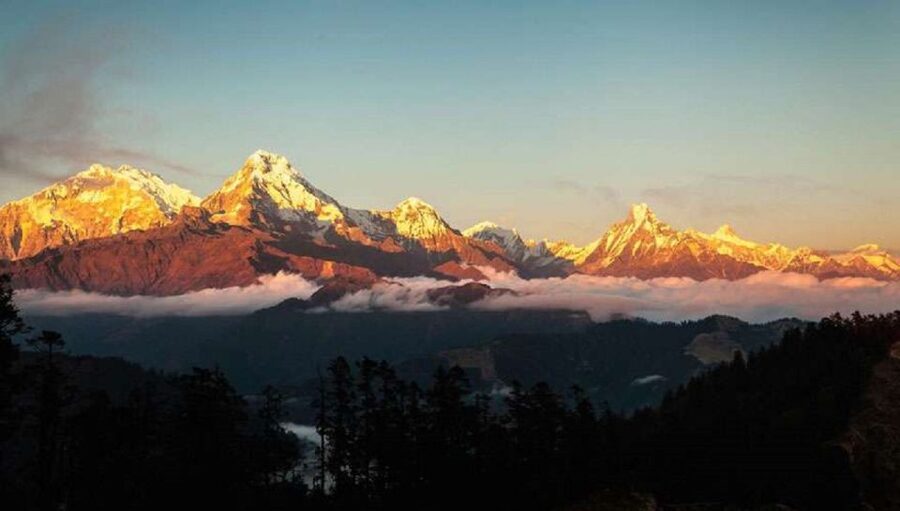
The Annapurna Base Camp route is a good choice if you want a serious Himalayan walk without committing to a two-week expedition. You begin near Pokhara, pass through forest and village country, rise into colder mountain terrain, and then retrace your steps. It is a compact story with a very high final chapter.
The route is not a gentle stroll. You will deal with stone steps, steep sections, uneven trails, and a quick gain in altitude. The schedule also gives you only one night near Base Camp before descending. That makes the trip efficient, but it leaves less room for slow acclimatization or a weather delay.
I would describe the physical level as moderately challenging to strenuous, depending on your fitness and how your body handles altitude. The activity information says it suits people with a reasonable level of fitness, not necessarily experienced mountaineers. Still, being new to long treks does not rule you out. Anil was praised for staying patient with first-time hikers, while Santosh was noted for encouraging people to take their time and rest when needed.
The private-group setup is valuable here. Your pace does not have to match a large mixed group, and the guide can pay closer attention to how you are walking, eating, and coping with the cold. That does not remove the physical demands, but it can make a hard day feel more manageable.
More Hot Spring Hikes in Nepal:
- Pokhara: 5 Day Annapurna Base Camp Trek & Natural Hot Spring
★ 4.9 · 44 reviews - Pokhara: 7-Day Annapurna Base Camp Trek & Natural Hot Spring
★ 5.0 · 11 reviews - Pkr/Kathmandu: 5-Day Annapurna Base Camp & Hot spring Trek
★ 5.0 · 6 reviews
From Pokhara to Sinuwa, where the walking begins
Your day starts with pickup from a listed Pokhara location. Options include Lakeside, Sarangkot, the airport, and several hotels and resorts. The operator says the guide and vehicle arrive five minutes early with your name and booking information, a small detail that helps when you are standing outside with a duffel bag before sunrise.
Transport is split into road sections by jeep or SUV and bus or coach, with about three hours assigned to each part in the schedule. The exact road arrangement may depend on conditions and the selected starting point. The drive takes you toward Jhinu Danda, where the walking portion begins.
The first day includes about five hours on foot to Sinuwa, with Chomrong also mentioned as a possible overnight point. The route has steep ascents and descents almost immediately, so do not treat day one as a warm-up. Your legs are still adjusting to the trail, your pack may not yet feel familiar, and the road journey has already taken time.
Jhinu Danda is more than a transfer point. It is connected with the hot springs visited at the end of the trek, and it gives you an early look at the village and mountain setting. The trail then moves through forest and settlement areas toward Sinuwa. Depending on timing, you might catch sunset views, though a long first day can leave you more interested in dinner and sleep.
Chomrong and Sinuwa sit among the best-known stopping points on this approach to Base Camp. You can expect a basic tea-house stay, not hotel comfort. Lodges provide a practical bed and a place to eat, but room standards, heating, and facilities can be simple. Bring warm layers and keep useful items easy to reach.
Forest trails from Sinuwa to Deurali
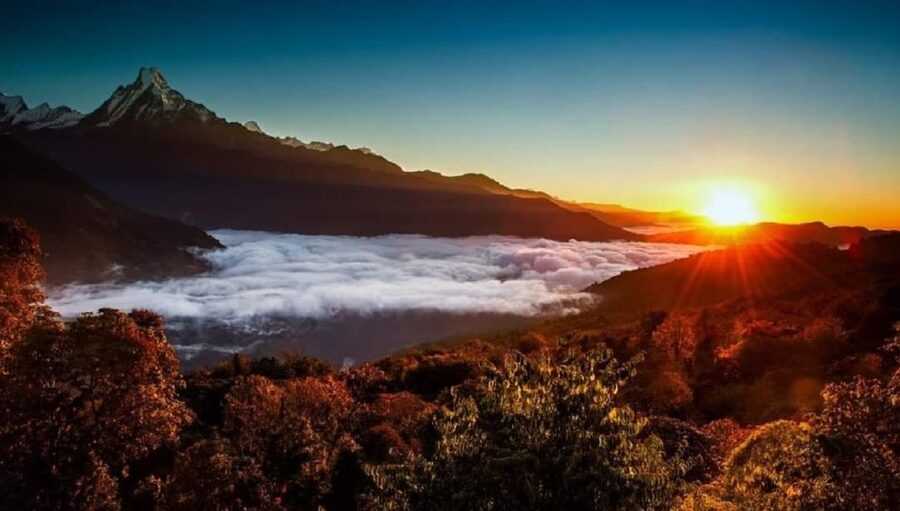
Day two is listed at roughly six hours, taking you from Sinuwa toward Deurali. This is a beautiful section, but it is not flat. You pass through forests of rhododendron, oak, and bamboo, with repeated climbs and descents that can feel harder than the distance suggests.
The forest gives the trail a changing mood. Lower sections feel green and enclosed, while higher parts open toward mountain views. The route also passes traditional villages and terraced fields, giving you glimpses of local life rather than only dramatic peaks.
This is where a good guide earns the fee. Uttam was praised for checking food, lodging, and comfort, while Bishnu was described as friendly and encouraging throughout the route. A guide can also help you settle into the day’s rhythm: steady steps, short rests, water breaks, and enough food before the next climb.
Deurali is an important overnight stop because it places you close to the high section of the route. The temperature can drop sharply as you rise, and the supplied information warns that higher areas may be very cold. Pack your sleeping clothes, gloves, hat, and insulation where you can reach them without emptying your whole bag.
Do not rely on the idea that Nepal is always warm. Pokhara can feel mild while Annapurna Base Camp is cold and exposed. A rain jacket is also useful because conditions can change, and wet clothing becomes a serious nuisance in a basic lodge.
The push to Annapurna Base Camp at 4,130 meters
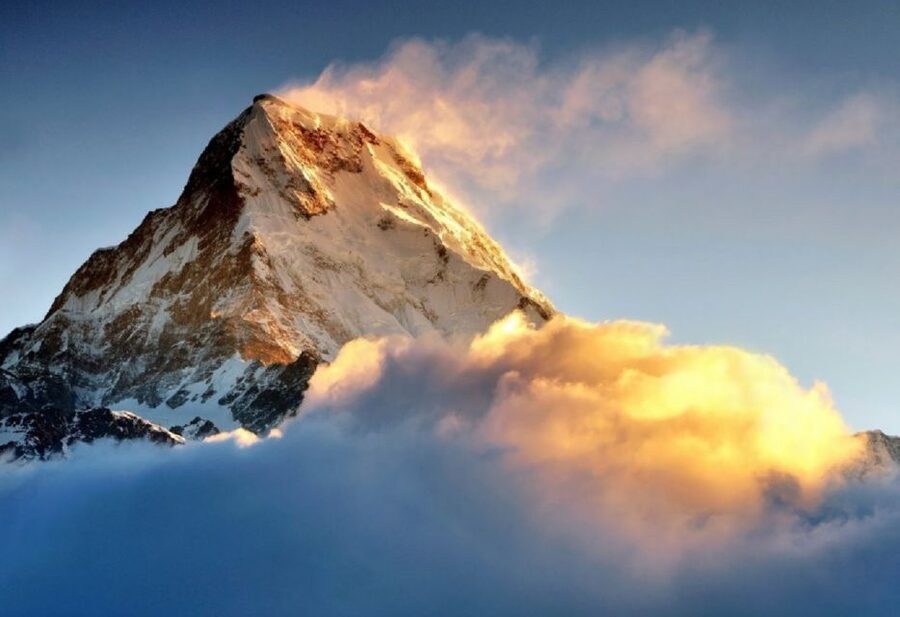
Day three is the heart of the trek. From Deurali, you walk toward Machhapuchhre Base Camp and then continue to Annapurna Base Camp. The schedule gives about four hours for this section, though your actual pace can make the day longer.
Machhapuchhre, or Fishtail, is one of the route’s signature peaks. Its sharply shaped profile helps you understand why it is such an important symbol of the Pokhara region. As you continue, the trail moves into a colder, higher setting, with the Annapurna massif gathering around the route.
At 4,130 meters, Annapurna Base Camp is high enough for altitude to matter. You may feel breathless, tired, or slower than expected even if you are fit at home. Walk at the guide’s pace, drink regularly, and speak up early if you feel unwell. A private group makes those conversations easier, but no guide can eliminate altitude risk.
The payoff is the mountain bowl around Base Camp. Annapurna South, Annapurna I, Hiunchuli, and Machhapuchhre form the main visual reward. The draw is not one isolated viewpoint. It is the feeling of being surrounded by huge peaks after moving through village paths and forest for two days.
You have time for photos and sightseeing, but do not expect a leisurely high-altitude afternoon. The overnight stay at Base Camp is part of the five-day plan, and cold conditions can make the lodge feel basic. This is the point where warm clothes, dry socks, a hat, and a properly packed bag matter most.
Several accounts of the guiding service praise calm support in difficult moments. One group had to change its schedule because of weather and was pleased with how the company and guides adjusted. That matters on a mountain route, where a perfect plan may need to change quickly.
A few more places to soak around Nepal worth a look
- Pokhara: 5-Day Trek to Annapurna Base Camp and Hot Springs
★ 5.0 · 4 reviews - 5-Day Annapurna Base Camp Trek with Natural Hot Springs
★ 5.0 · 3 reviews - Pokhara: 5-Day Annapurna Base Camp Trek with Hot Spring
★ 5.0 · 3 reviews - Yellowstone, Grand Teton, and Hot Springs: Small Group 5-Day Tour
★ 5.0 · 2 reviews
The long descent from Base Camp to Bamboo
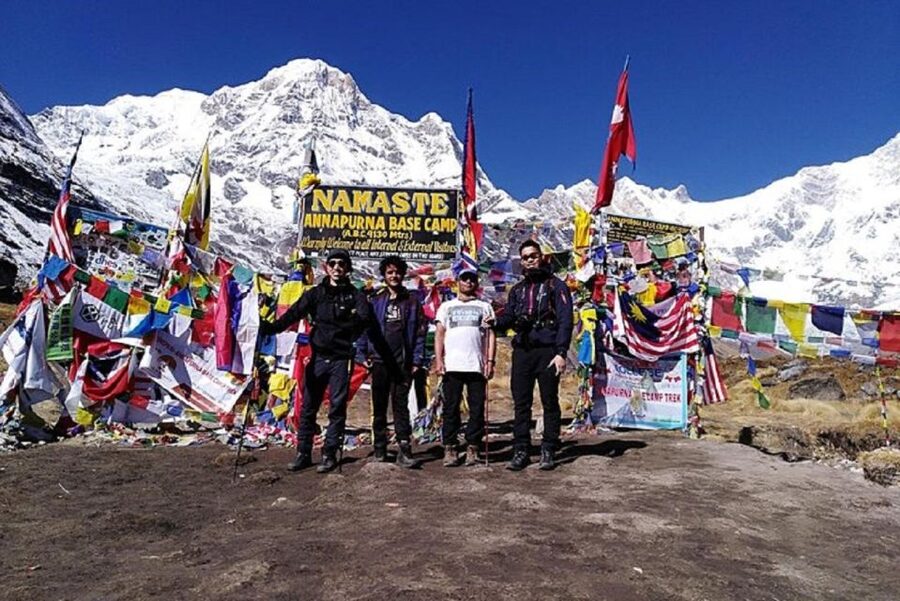
Day four reverses the route, taking you from Base Camp to Bamboo in about six hours. It is mostly downhill, but downhill does not mean easy. Steep steps can punish knees and thighs, especially after a cold night and a high-altitude morning.
The changing scenery is part of the pleasure. You move away from the stark upper zone and back toward forests, with more vegetation and a softer feel underfoot. You also pass familiar sections from the climb, which lets you notice views you may have missed while concentrating on gaining altitude.
This is a good day to use trekking poles. Poles are included if required, according to the supplied details, but confirm availability before departure. If you have sensitive knees, ask for a pole early rather than waiting until the descent becomes uncomfortable.
Bamboo is a practical overnight stop. The lodge may feel welcome after the long walk, but facilities remain basic. Keep some cash available for snacks and drinks, since personal food and beverages are not included in the stated price.
The food arrangement deserves attention before you book. Meals are included depending on the option selected, so check exactly which meal plan applies to your reservation. Tea-house food is part of the experience, but you should not expect a restaurant menu or city-level variety.
Jhinu hot springs and the road back to Pokhara
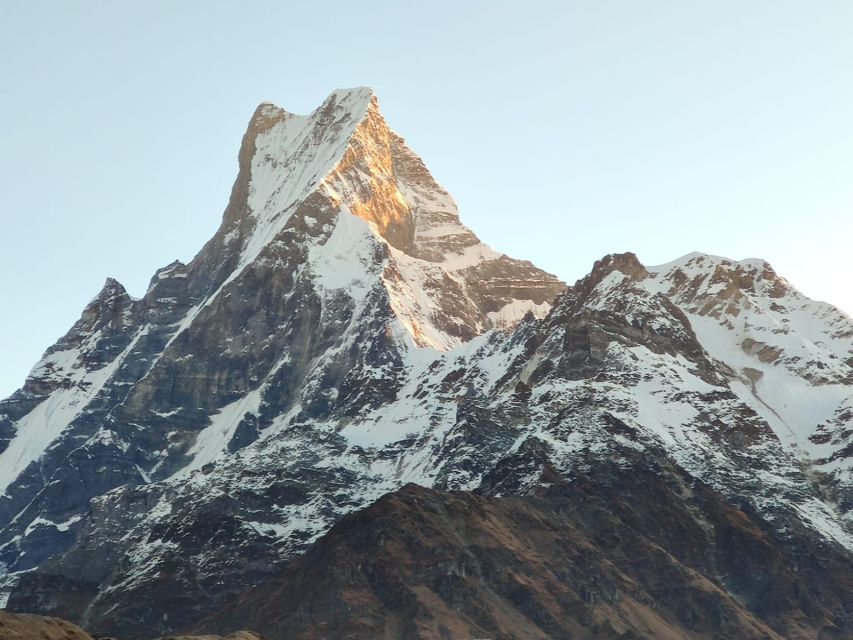
The fifth day takes you from Bamboo to Jhinu Danda and the hot springs, with about seven hours of walking listed. This is another long day, even though you are descending. The final stretch may feel easier because you know the finish is near, but tired legs still need care.
The hot springs are the smart feature that gives this trek its title. After several days of climbs, cold mornings, and long descents, a natural soak offers a simple way to relax before returning to the road. Entry is included, so you do not need to set aside a separate fee for that part.
After Jhinu, you drive back toward Pokhara, with about three hours assigned to the road transfer. The return can feel long after a full day of walking, but it means you finish the complete route within five days rather than adding another night.
The experience also gives you a look at several communities connected with the Annapurna region. Gurung and Magar culture is part of the route’s identity, and the activity description also refers to Tibetan cultural influence. The villages, food, trails, and local guide commentary help make the trek more than a mountain photo hunt.
What the $155 price really covers
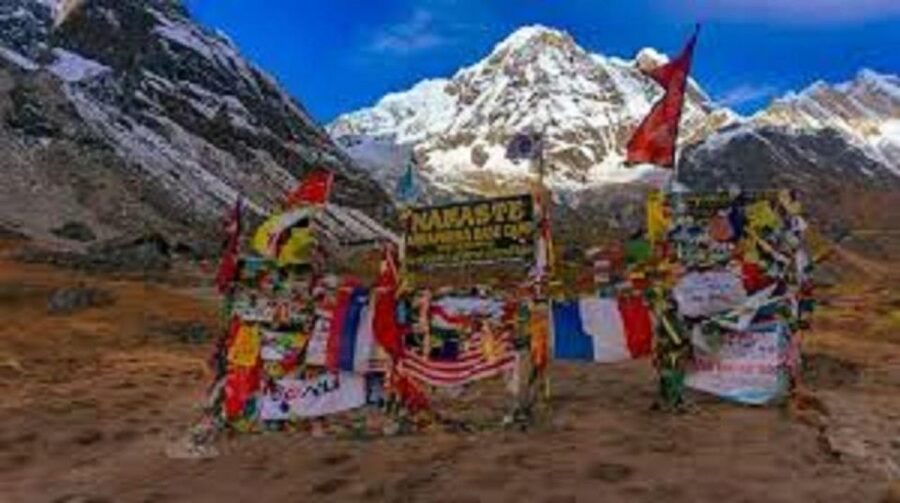
At $155 per person, the trip offers good value if the selected option includes the full set of listed meals and services. The package covers round-trip transport from your Pokhara hotel or airport to the trailhead, the Annapurna Conservation Area permit, tea-house accommodation, guide costs, first aid, luggage storage in Pokhara, and hot-spring admission.
It also covers the guide’s food, lodging, insurance, salary, transport, and equipment. That is important because a low trek price can look less attractive once you add permits, transport, and guide expenses separately. Here, many of those basic costs are grouped together.
You still need to plan for several extras:
- Travel insurance is mandatory.
- Personal snacks and drinks are not included.
- Emergency rescue is available if needed, but it is not listed as part of the included cost.
- A porter costs $20 per day if you want help carrying your bag.
- Meals depend on the option you select.
The luggage storage in Pokhara is useful. You can leave non-trekking clothes and extra belongings behind instead of carrying everything up the trail. Ask in advance what bag size is supplied and how much you should pack into the trekking bag or duffel.
The operator also offers reserve-now, pay-later booking and cancellation up to 24 hours before departure for a full refund. Those terms add flexibility, but you still need to submit a passport copy at least one day before the trek so permits can be arranged.
Guides, safety, and the human side
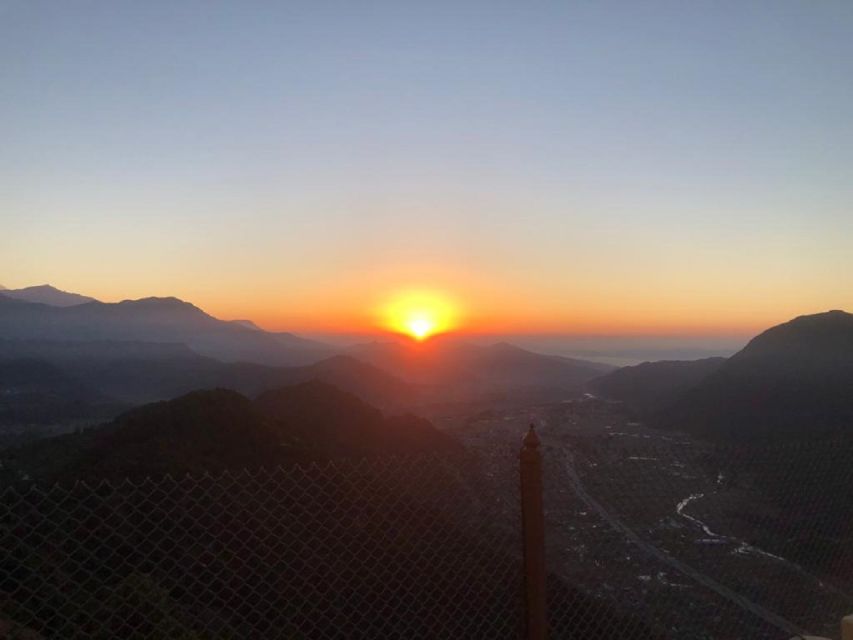
The strongest pattern in the available feedback is guide care. Anil is repeatedly described as kind, funny, patient, and encouraging, especially with first-time trekkers. Santosh is praised for his calm manner, local information, and attention to well-being. Uttam is noted for practical care with food, lodging, and safety.
Other named guides include Candra, Sanik, Santos, Milo, Bishnu, and Sun Bahadur. Their styles vary, but the common praise is clear: friendly company, motivation, local explanation, and attention when conditions become difficult. You can ask whether a preferred guide is available, but do not assume a specific person is guaranteed unless the company confirms it.
The guide is not just there to point at mountains. You can learn about plants, villages, food, terrain, and local culture along the way. That extra context helps you understand what you are seeing, particularly when the weather hides the famous peaks.
Bring a passport copy, comfortable walking clothes, hiking shoes, rain gear, a hat, a camera, cash, and clothing for both warm and cold conditions. A hair tie is listed too, which is a small but useful reminder that long days on windy trails are not the time for loose hair and loose gear.
Who should book this five-day trek?
You should consider this trip if you want to reach Annapurna Base Camp from Pokhara in a short window and prefer a private group with a guide. It suits people who can handle six- to seven-hour walking days, steep steps, basic lodges, cold nights, and changing weather.
It is especially appealing for first-time long-distance hikers who want close support. The praise for patient guides suggests that you do not need years of trekking experience, but you do need to arrive reasonably fit and ready to walk day after day.
I would be more cautious if you want a relaxed holiday, dislike shared or basic lodge facilities, or need several acclimatization days. The five-day plan is efficient, not leisurely. You should also reconsider if you are unwilling to buy travel insurance or carry warm clothing for high altitude.
Should you book it?
Book this Annapurna Base Camp trek if the combination of high mountain views, a five-day schedule, private guiding, and hot springs matches your priorities. The $155 price is strong when the included transport, permit, guide costs, accommodation, storage, and hot-spring entry are counted together.
Before paying, confirm the meal option, pickup time, guide assignment, porter needs, and transport arrangement. If you can accept long walking days and basic tea houses, this is a practical way to experience the Annapurna region without turning your entire Nepal visit into a trek.
FAQ
How high is Annapurna Base Camp?
Annapurna Base Camp is at 4,130 meters, or about 13,550 feet.
How long does the trek take?
The experience lasts five days, including transport from Pokhara, walking to Annapurna Base Camp, the return trek to Jhinu Danda, and the drive back.
Is transportation from Pokhara included?
Yes. Round-trip transportation between your hotel, Pokhara International Airport, and the trek starting point is included. Pickup is available from Pokhara, Lakeside, Sarangkot, the airport, and several named hotels and resorts.
Is a guide included?
Yes. The trip includes an English-speaking government-registered trekking guide. English, Hindi, and Nepali are available.
Are meals and accommodation included?
Basic tea-house or lodge accommodation is included. Meals are included depending on the option selected, so check the exact meal plan before booking.
Do I need travel insurance?
Yes. Travel insurance is mandatory. Emergency rescue services are available if required, but personal expenses and rescue costs are not listed among the included services.
Just added around Nepal
- 7 Days Annapurna Base Camp Trek from Pokhara with Hot Spring★ 5.0 · 2 reviews
- Unlimited Sauna Steam and Jacuzzi★ 5.0 · 2 reviews
- POON HILL HOT SPRING – 10 Days Trek★ 5.0 · 3 reviews
- Lower Mustang Jomsom Muktinath Hot Spring Tour in 4 WD Jeep★ 4.5 · 2 reviews
- 5-Day Annapurna Base Camp Trek with Natural Hot Springs★ 5.0 · 3 reviews
- Pokhara: 7-Day Annapurna Base Camp Trek & Hot Spring★ 4.0 · 3 reviews
- Pokhara: Amazing 7-Day ABC Trek with Natural Hot Spring★ 5.0 · 5 reviews
- Pokhara: 5-Day Annapurna Base Camp Trek with Hot Spring★ 5.0 · 3 reviews
Hot Spring Hiking Tours, compared.
Mount Batur Sunrise Guided Hike and Natural Hot Spring
Read our review →
Mount Batur Sunrise Hike and Natural Hot Spring Option
Read our review →
Private Tour Mount Batur Sunrise Trekking and Natural Hot Spring
Read our review →
Mount Batur Sunrise Hike, Breakfast & Hot Spring
Read our review →
National Park Hike & Finnish Smoke Sauna Experience with Campfire Lunch
Read our review →
Mount Batur Sunrise Hike with Breakfast & Hot Spring
Read our review →
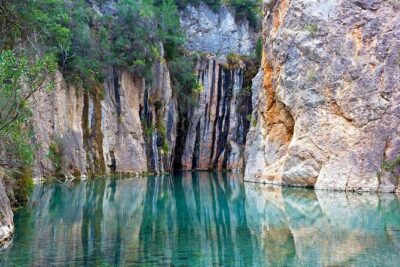
Montanejos Hiking Tour & Thermal Pools from Valencia
Read our review →Browse the lists this tour appears in