
Review · HOT SPRING HIKING TOURS
Pkr/Kathmandu: 5-Day Annapurna Base Camp & Hot spring Trek
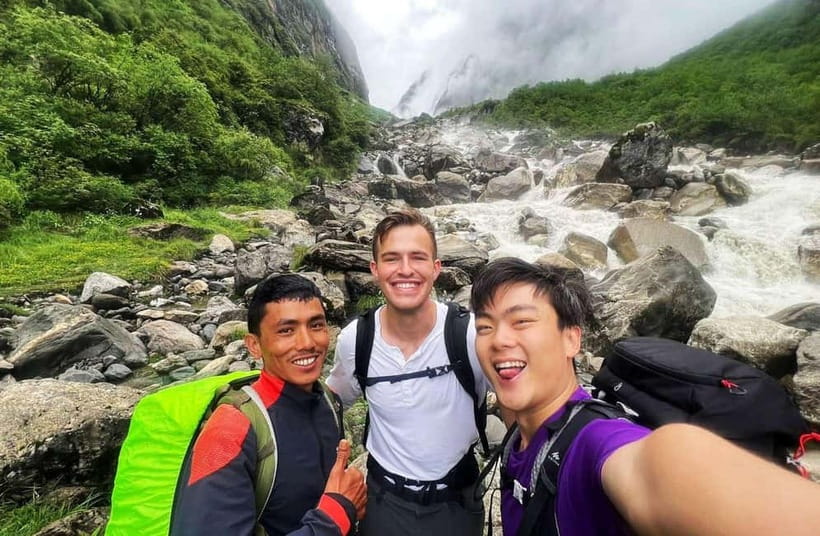
The Himalayas reward steady legs. This five-day trek packs Annapurna Base Camp, Machapuchare, forest trails, village stays, and Jhinu Danda’s hot spring into a short but demanding route. I like the compact schedule and the chance to reach 4,130 meters without committing to a much longer trek.
I also like the practical support: hotel pickup, shared Jeep transfers, a guide, permits, four nights in mountain guest houses, and borrowed sleeping bags, duffle bags, and trekking poles. The main caution is the pace. Five days leaves little room for tired legs, bad weather, or altitude trouble, and the $60 price depends heavily on which package you choose.
Key points at a glance
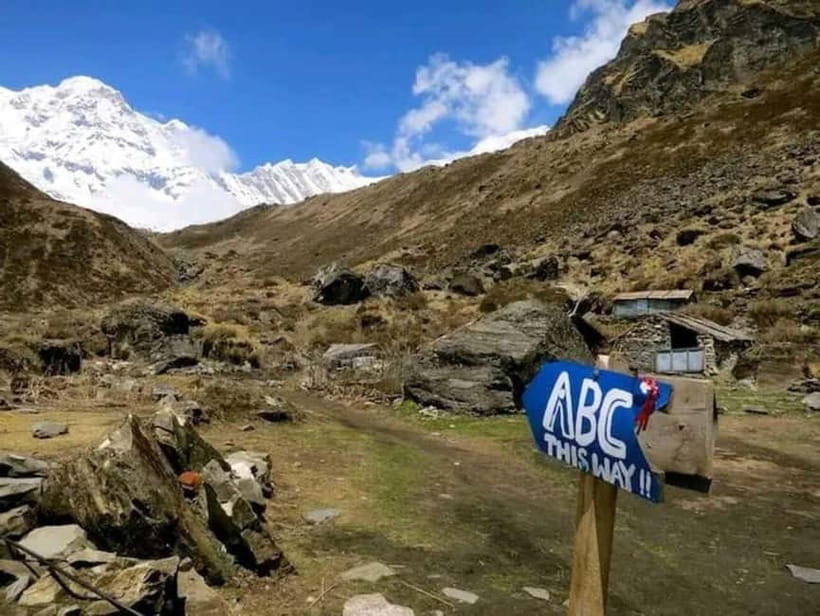
- ABC in five days: You reach Annapurna Base Camp at 4,130 meters, with an overnight stay near the sanctuary.
- Sunrise at Machapuchare Base Camp: Day three reaches MBC before ABC, while day four starts with a mountain sunrise.
- Gurung villages and forest trails: The route passes through Sinuwa, Himalaya, Dobhan, Deurali, and other mountain settlements.
- Jhinu Danda hot spring: The final walking day can include a relaxing stop at the natural hot spring.
- Private guiding: English, French, Japanese, and Chinese language support is available, with guides such as Sagar, Raj, Shiva, and Nareen assigned on different departures.
- A serious five-day effort: The trek is moderate to challenging, with long uphill and downhill sections and limited time to adjust to altitude.
What the $60 price really means
The advertised price is $60 per person, which looks remarkably low for a five-day Himalayan trek. It can offer good value, but you need to check the exact booking option before paying. The budget or Kathmandu option does not automatically include every meal or a porter, while the all-inclusive option adds meals and porter service.
The standard package includes hotel pickup and drop-off in Pokhara, the Pokhara to Simrung transfer by shared Jeep, four nights in mountain guest houses, a trekking guide, permits, and first aid. Sleeping bags, duffle bags, and trekking poles can be borrowed, which saves you from buying specialist gear for one trip.
Food, porter service, and the return flight between Kathmandu and Pokhara may cost extra depending on your selection. Drinks are not included, and travel insurance is also your responsibility. I would ask for a written breakdown of the exact package, especially if you are starting in Kathmandu.
If you start in Kathmandu and choose the flight option, the plan includes a roughly 30-minute flight to Pokhara, along with hotel transfers and the flight ticket. The trek itself begins from Pokhara, not Kathmandu. A $60 base price should therefore not be treated as the final total for a Kathmandu departure.
More Hot Spring Hikes in Nepal:
- Pokhara: 5 Day Annapurna Base Camp Trek & Natural Hot Spring
★ 4.9 · 44 reviews - From Pokhara: 5-Day Annapurna Basecamp Trek with Hot Springs
★ 4.9 · 26 reviews - Pokhara: 7-Day Annapurna Base Camp Trek & Natural Hot Spring
★ 5.0 · 11 reviews
Day one: From Pokhara to Simrung and Sinuwa
The first day begins with pickup at your hotel in Pokhara, particularly if you are staying around Lakeside. A shared Jeep takes about two to three hours to reach Simrung by way of Nayapul. This road transfer is not just a formality. It gets you to the trailhead while showing how quickly the built-up Pokhara area gives way to steep hills and rural settlements.
From Simrung, you walk for about four to five hours to Sinuwa. The route rises through forest and mountain villages before reaching a maximum altitude of about 2,340 meters. Sinuwa is your first overnight stop in a mountain guest house.
This is a full opening day, especially after an early pickup and a bumpy road ride. Keep your daypack light and put water, a warm layer, sunscreen, and snacks where you can reach them. Your main bag may be handled by a porter if you select that service, but you should still carry everything you need for the day.
Sinuwa gives you a useful first taste of the trek’s rhythm: walk, rest, eat, and sleep in simple mountain accommodation. The rooms are practical rather than luxurious. Pack with that in mind, and do not expect city-style facilities along the trail.
Day two: Waterfalls, forest, and Deurali
The second day runs from Sinuwa to Deurali and takes about five to six hours. You pass through Himalaya, a small settlement with tea houses, while the trail moves through dense forest and past several waterfalls.
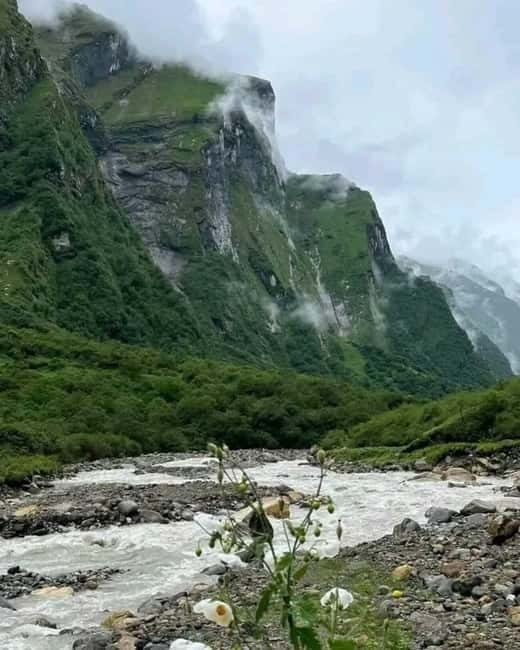
This section is one of the more appealing parts of the route because the scenery changes often. You are not looking at distant peaks all day. Instead, the path brings you close to trees, rushing water, river sections, and steep mountain slopes. The forest also provides some shelter, though rain can make the trail slippery.
Deurali sits at about 3,230 meters, so the increase in altitude becomes more important here. The day is not simply a long walk to a bed. Your body is beginning to work with thinner air, and the next morning brings an even greater climb.
I would keep your pace calm and even. You do not gain anything by racing the first half of the day, then struggling near Deurali. Tell your guide early if you develop a headache, unusual tiredness, nausea, or breathlessness. Altitude problems should not be treated as a test of willpower.
Day three: Machapuchare Base Camp to Annapurna Base Camp
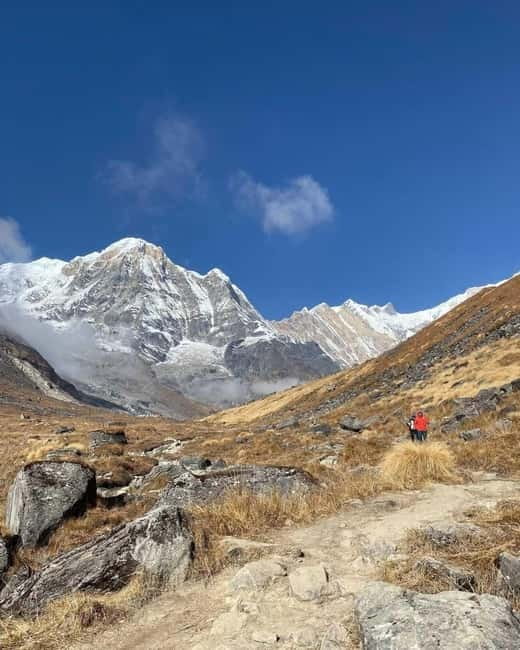
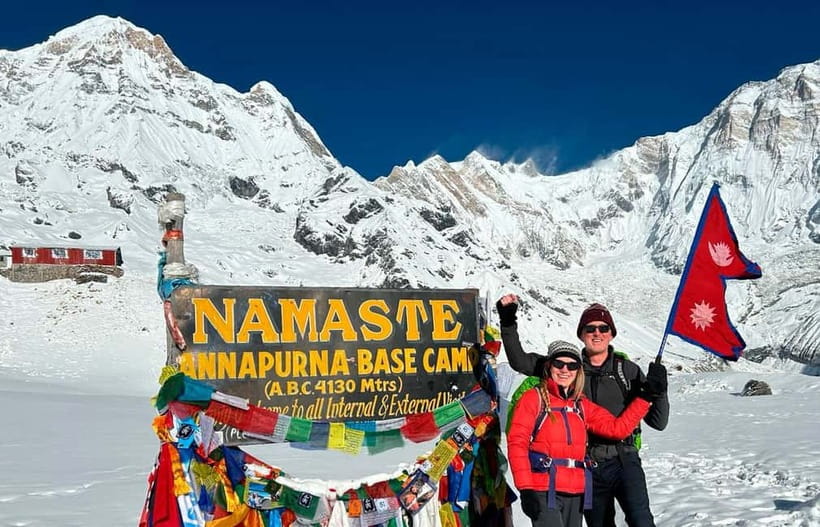
Day three is the central challenge. You walk from Deurali through Machapuchare Base Camp, also called MBC, and continue to Annapurna Base Camp. The walking time is about five to six hours, with ABC reaching 4,130 meters.
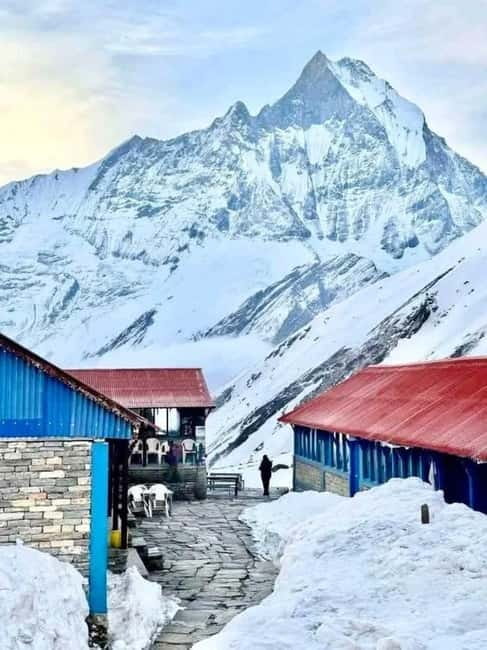
The MBC valley is a major visual moment. Machapuchare, also called Fishtail, is one of Nepal’s most recognizable peaks, and the route brings you into the high mountain setting that makes the Annapurna Sanctuary so special. From ABC, you can look toward Annapurna I, the 8,091-meter peak described as the world’s tenth-highest mountain, along with Machapuchare and Hiunchuli.
The final approach can feel slow. The air is thin, the trail is high, and the cold may be sharper than expected. Weather can change quickly, so warm clothing and proper hiking shoes are essential. The route is compact in calendar time, but it is not easy simply because it lasts five days.
You spend the night at tea houses near ABC. The location is the reward, with mountain views and a chance to see the sunset toward the west when the sky is clear. Do not assume the sunset will cooperate. Clouds, rain, snow, and wind are part of the mountain experience.
This is also the day when the value of a good guide becomes clear. Sagar has been praised for setting a safe pace, handling accommodation and meals, and explaining the mountains, local culture, and weather. Raj has been credited with helping a last-minute departure succeed, while Shiva has been praised for running an efficient trip. Guide assignments can change, but these names show the sort of support the provider aims to offer.
A few more places to soak around Nepal worth a look
- Pokhara: 5-Day Trek to Annapurna Base Camp and Hot Springs
★ 5.0 · 4 reviews - 5-Day Annapurna Base Camp Trek with Natural Hot Springs
★ 5.0 · 3 reviews - Pokhara: 5-Day Annapurna Base Camp Trek with Hot Spring
★ 5.0 · 3 reviews - Yellowstone, Grand Teton, and Hot Springs: Small Group 5-Day Tour
★ 5.0 · 2 reviews
Day four: Sunrise, then a long descent
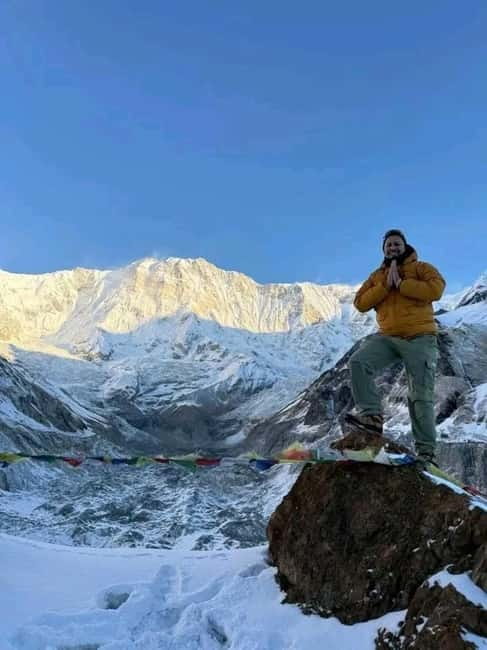
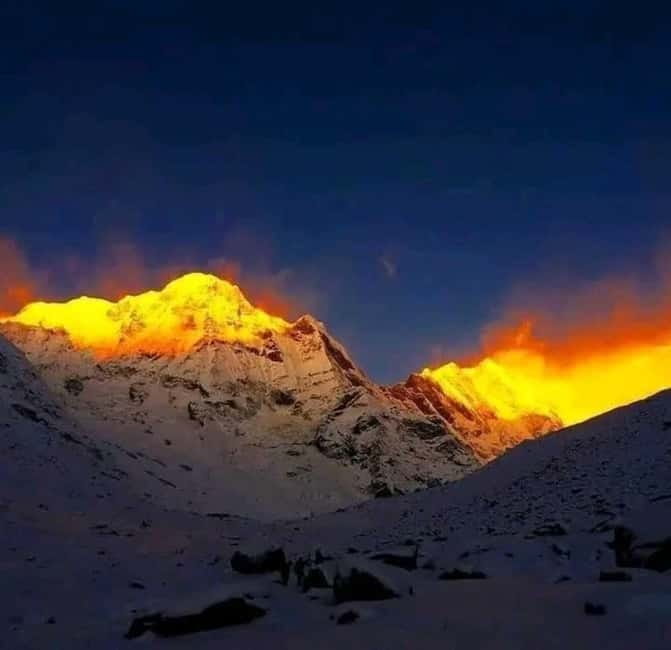
You rise early on day four for the sunrise at ABC or the surrounding high camp area. In clear weather, the first light on Annapurna, Machapuchare, and Hiunchuli can be the defining sight of the trek.
After breakfast, you retrace the route through Deurali, Himalaya, and Dobhan. The walking time is six to seven hours, making this one of the longest days. You finish at Bamboo or Sinuwa, with the overnight stop depending on the operating plan and conditions.
The return route is not automatically easy. Descending saves effort in the lungs, but it puts work into your knees and thighs. Wet stone, mud, and uneven steps can slow you down. Trekking poles are useful here, so confirm before departure that borrowed poles are actually available. One group found that poles were not provided and their guide made temporary bamboo poles instead. That is a good reminder to check equipment rather than assume every item will be waiting.
The day also shows why a private group can help. Your guide can adjust the pace to the group rather than forcing everyone to match a large fixed schedule. Still, a private group does not remove the physical demands. You need to be ready for a long descent after a short night at altitude.
Day five: Jhinu Danda and the return to Pokhara
The final walking day takes about three to four hours from Bamboo or Sinuwa to Simrung, passing through Jhinu Danda. The route drops toward a lower altitude of roughly 830 meters, which usually feels welcome after the high camp.
Jhinu Danda is best known here for its natural hot spring. The stop is optional, so you can decide whether a soak fits your energy, timing, and personal preference. After several cold days and long hours on stone paths, hot water can be a pleasant way to finish the trek.
From Simrung, a shared Jeep takes about two to three hours back to Pokhara. The planned return to your Pokhara hotel is around 5:00 PM, though road conditions and the group’s walking pace can affect the timing. Do not schedule an important evening flight immediately afterward.
This final day gives the trip a satisfying contrast. You begin among high mountain peaks and finish closer to the warmer valleys. The hot spring is not the main reason to book the trek, but it adds a welcome recovery stop to a tightly packed route.
How difficult is the five-day schedule?
The trek is rated moderate to challenging and requires a good level of fitness. The key issue is not one single technical section. It is the combination of long walking days, steep steps, changing weather, and a rapid rise to 4,130 meters.
The schedule includes only limited time for altitude adjustment. You sleep at about 2,340 meters on the first night, 3,230 meters on the second, and 4,130 meters on the third. That progression is demanding, so you should not treat the trek as a casual sightseeing walk.
I would choose this trip if you already hike regularly and can manage several consecutive days on uneven ground. It is less suitable if you have a low fitness level, heart problems, respiratory issues, mobility limitations, or a history of altitude sickness. The provider specifically warns about these concerns.
The best seasons are March to May and September to November. Even during those months, weather can shift from sunshine to cold, rain, or snow. One October group faced cold, rain, and snow, yet completed the trek with strong guide support. Pack for poor conditions, not just the sunny photograph you hope to take.
Guide and porter support
The human support may be the strongest part of this experience. Names attached to different departures include Sagar, Raj, Shiva, Nareen, and porters such as Naron, Vishnu, Aziz, and Bimal in guiding roles on one group. You cannot assume a particular person will lead your departure, so ask the provider if a named guide matters to you.
The best feedback centers on care, pacing, safety, and organization. Sagar was praised for checking comfort and managing the practical details. Raj and Naron helped a last-minute booking work despite the short notice. Nareen was praised for staying attentive through difficult weather, while Aziz was noted for being especially helpful and for speaking good English.
There is one useful warning about communication. One inexperienced group wanted clearer information about departure times, weather, packing needs, and trekking poles. The guide worked hard to solve the problems, but the organizer could have explained more before the trek began.
Ask these questions before you leave Pokhara:
- What time will pickup take place each morning?
- Does my package include meals?
- Is a porter included, and how much luggage can that person carry?
- Are trekking poles and sleeping bags available for my departure?
- Which nights are planned for Bamboo and which for Sinuwa?
- What happens if weather delays the flight from Kathmandu?
Good answers will make the trek feel far more orderly.
What to pack for ABC
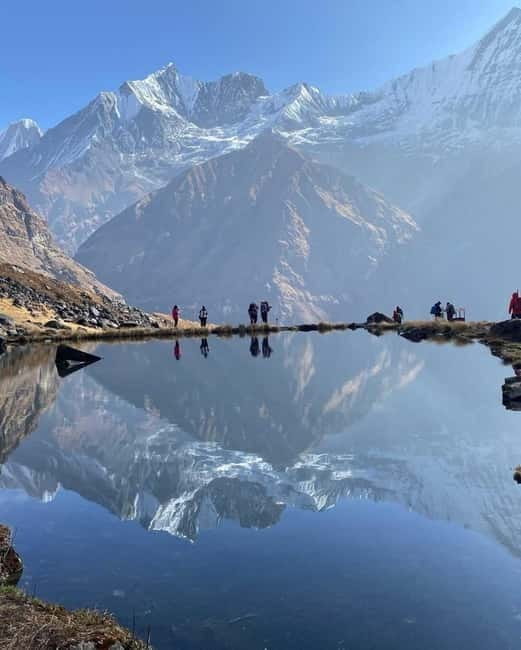
You need warm clothing, hiking shoes, sunscreen, water, a camera, travel insurance, and suitable trekking gear. The word warm matters here. At 4,130 meters, cold weather can arrive even during the preferred trekking seasons.
Use layers rather than one bulky coat. A daypack should hold water, sunscreen, a warm layer, rain protection, basic personal items, and any medicine you need. If you borrow a sleeping bag, duffle bag, or trekking poles, confirm the arrangement before departure.
Alcohol and drugs are not allowed. Drinks, including hot, cold, and alcoholic beverages, are not included in the package, so keep some money available for purchases along the route.
Who should book this trek?
This trip suits you if you want a fast route to Annapurna Base Camp and value having a private guide rather than organizing each stage alone. It is also a good match if you want more than mountain viewpoints, since the route includes forest, waterfalls, rivers, Gurung villages, tea houses, and a hot spring.
It may suit women traveling together who want a respectful, closely supported experience. One group particularly appreciated the calm and reassuring manner of Sagar and Bimal. That does not remove the need for normal personal safety judgment, but it shows how much a considerate guide can shape the trip.
I would be cautious if this is your first serious hike, especially if you are not used to long days uphill and downhill. The five-day format is efficient, but efficiency is not the same as ease. A longer version would likely give you more breathing room, while this trip favors people with limited time and solid fitness.
Free cancellation is available up to 24 hours in advance for a full refund, and you can reserve now and pay later. Those terms offer useful flexibility, but they do not replace travel insurance, which is not included.
Should you book the Annapurna Base Camp trek?
Book it if you have five days, good fitness, and a clear desire to sleep near Annapurna Base Camp rather than simply view the mountains from Pokhara. The combination of ABC, Machapuchare Base Camp, Gurung villages, waterfalls, and Jhinu Danda gives you a lot in a short span.
Before paying, confirm the price option, meals, porter service, equipment, guide language, and Kathmandu flight costs. If the $60 rate covers only the budget basics, your final cost will be higher. I would also ask for the pickup time and a current packing list.
For the right person, this is a sharp, demanding Himalayan adventure with strong guide support and excellent mountain scenery. Just respect the altitude, expect basic accommodation, and do not confuse five days with an easy holiday.
FAQ
Where does the Annapurna Base Camp trek start?
The walking portion starts at Simrung. You first travel from Pokhara to Simrung by shared Jeep through Nayapul. If you start in Kathmandu and select the flight option, you fly to Pokhara first.
How high is Annapurna Base Camp?
Annapurna Base Camp is at approximately 4,130 meters. Machapuchare Base Camp is reached shortly before ABC on day three.
Is food included in the price?
Food is included with the all-inclusive option. It is not included with the budget or Kathmandu option unless you add it separately. Drinks are not included.
Is a porter included?
A porter is included with the all-inclusive option. With the budget or Kathmandu option, porter service can be added separately.
Can I visit a hot spring during the trek?
Yes. The route passes through Jhinu Danda on the final walking day, where you can visit a natural hot spring. The hot spring visit is optional.
What languages can the guide speak?
Guide support is available in English, French, Japanese, and Chinese. The specific guide assigned to your group may vary.
Just added around Nepal
- 7 Days Annapurna Base Camp Trek from Pokhara with Hot Spring★ 5.0 · 2 reviews
- Unlimited Sauna Steam and Jacuzzi★ 5.0 · 2 reviews
- POON HILL HOT SPRING – 10 Days Trek★ 5.0 · 3 reviews
- Lower Mustang Jomsom Muktinath Hot Spring Tour in 4 WD Jeep★ 4.5 · 2 reviews
- 5-Day Annapurna Base Camp Trek with Natural Hot Springs★ 5.0 · 3 reviews
- Pokhara: Amazing 7-Day ABC Trek with Natural Hot Spring★ 5.0 · 5 reviews
- Pokhara: 7-Day Annapurna Base Camp Trek & Hot Spring★ 4.0 · 3 reviews
- Pokhara: 5-Day Annapurna Base Camp Trek with Hot Spring★ 5.0 · 3 reviews
Hot Spring Hiking Tours, compared.
Mount Batur Sunrise Guided Hike and Natural Hot Spring
Read our review →
Mount Batur Sunrise Hike and Natural Hot Spring Option
Read our review →
Private Tour Mount Batur Sunrise Trekking and Natural Hot Spring
Read our review →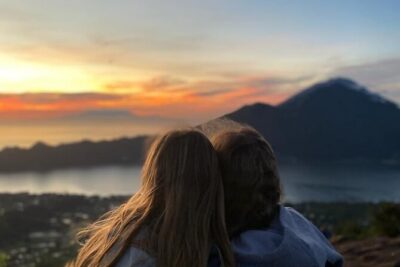
Mount Batur Sunrise Hike, Breakfast & Hot Spring
Read our review →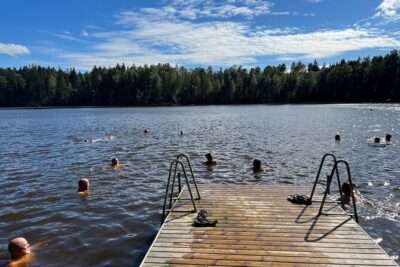
National Park Hike & Finnish Smoke Sauna Experience with Campfire Lunch
Read our review →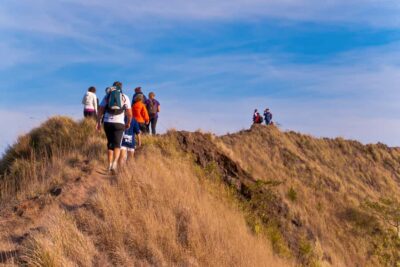
Mount Batur Sunrise Hike with Breakfast & Hot Spring
Read our review →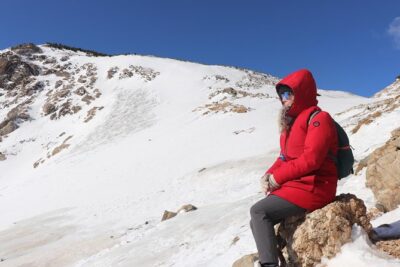
Montanejos Hiking Tour & Thermal Pools from Valencia
Read our review →Browse the lists this tour appears in