
Review · JAPANESE ONSEN TOURS
Tokyo: Private Morning Run with Sento Bath Experience
Tokyo is best before breakfast. This private morning run pairs a relaxed 10K through Harajuku and Aoyama with a traditional sento bath, giving you exercise, quiet streets, local stories, and a cultural ritual in one compact outing. I like the peaceful early start and the chance to see Tokyo’s old and new sides without a packed sightseeing schedule. I also like that Aki adjusts the route to your pace, although serious runners may find the 6 to 8 km/h rhythm too gentle.
The $48 price is fair if you value personal guiding, a private group, water, towels, a locker, and bath admission. You should arrive ready to run, though, and remember that the bath is optional and unavailable on Thursday sessions.
Six things to know before you lace up
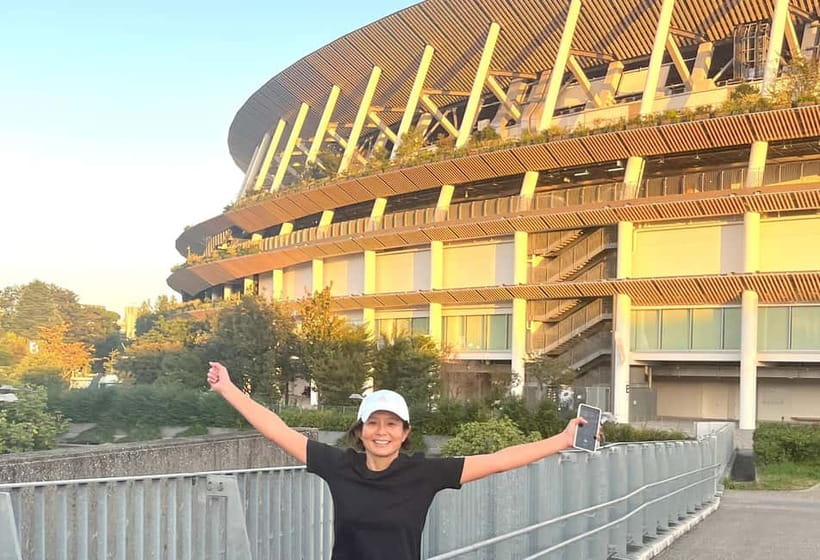
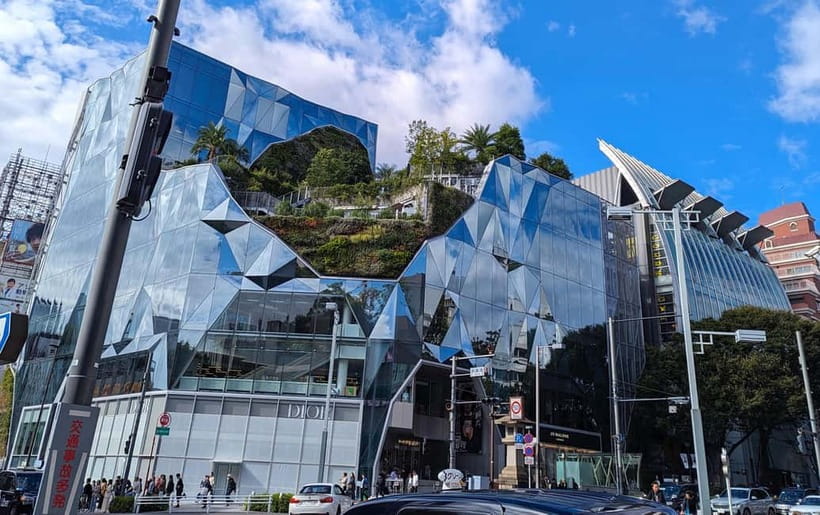
- The run begins at Tokyu Plaza Harajuku: Meet in front of Dior at the Harakado building, where Aki wears a white cap.
- The route covers about 10 kilometers: Expect a friendly pace of 6 to 8 km/h, with walking or a shorter course available if needed.
- Yoyogi Park brings a calm opening: The route includes this large green area before moving through Harajuku and Aoyama.
- Aki adds local context: Stories, Tokyo trivia, a small shrine, and guidance on paying respect give the run more meaning than a simple workout.
- The sento is part of the appeal: Towels, a coin locker, water, and bath admission are included, except on Thursdays.
- This is for adults and teens 16 or older: It is not suitable for people with mobility impairments or heart problems.
Why an early 10K makes sense in Tokyo
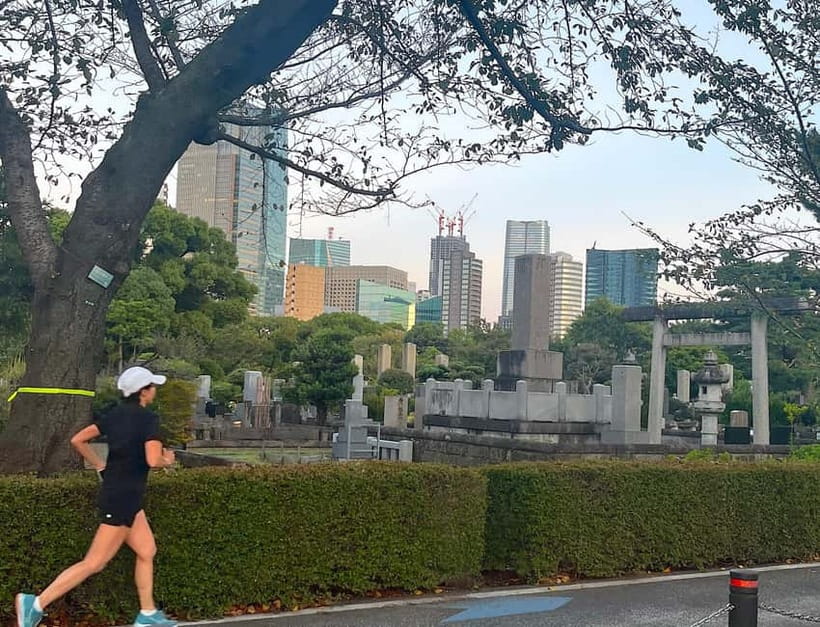
Tokyo is easier to read before the city gets busy. On this tour, you start in the early morning, run through streets that have not yet filled with shoppers and commuters, and finish with a hot bath while much of the city is still getting started.
That timing is the main attraction. You get a workout, but you also get a quiet look at Harajuku and Aoyama. These districts are known for fashion and city energy, yet the route leads toward parks, shrines, side streets, and calmer corners. The contrast gives you a better feel for Tokyo than a visit limited to major shopping roads.
The run covers about 10 kilometers, but the point is not speed. Aki sets a relaxed pace of 6 to 8 km/h, which suits a casual jogger or someone who wants to explore without gasping through every explanation. You can walk sections or choose a shorter route, so you do not need to arrive in peak running shape.
I would not choose this for serious race training. A competitive runner may want a faster, uninterrupted session. This outing works better as a guided city experience that happens to be active.
More Onsen Tours in Tokyo
- From Tokyo: Private Tour to Fuji/Hakone – Onsen, Art, Nature
★ 5.0 · 116 reviews - Mt. Fuji, Hakone Private Tour from Tokyo – Onsen, Arts and Nature
★ 5.0 · 79 reviews - Mt. Fuji 5th, Oshino Hakkai, Onsen Full-Day Trip From Tokyo
★ 4.5 · 50 reviews
Meeting Aki at Harakado
Your meeting point is in front of Dior at the Harakado building, Tokyu Plaza Harajuku. Look for Aki’s white cap. That detail matters in a busy part of Tokyo, especially if you are arriving before the area has fully come to life.
Aki is a Tokyo-based leisure runner and occasional half-marathoner. Her approach is friendly rather than drill-sergeant formal. The experience is private, so you are not trying to match the speed of a large group or waiting for a line of people at every corner.
That private format also lets the outing respond to you. If your legs feel good, you can keep moving. If jet lag, heat, or a long flight catches up with you, walking sections and a shorter course are possible. Tell Aki early what kind of morning you want.
Bring comfortable shoes, a change of clothes, and enough energy for a 10K. Water is provided. Food is not, so plan breakfast afterward or eat in a way that suits you before the start.
Yoyogi Park and the green side of Harajuku
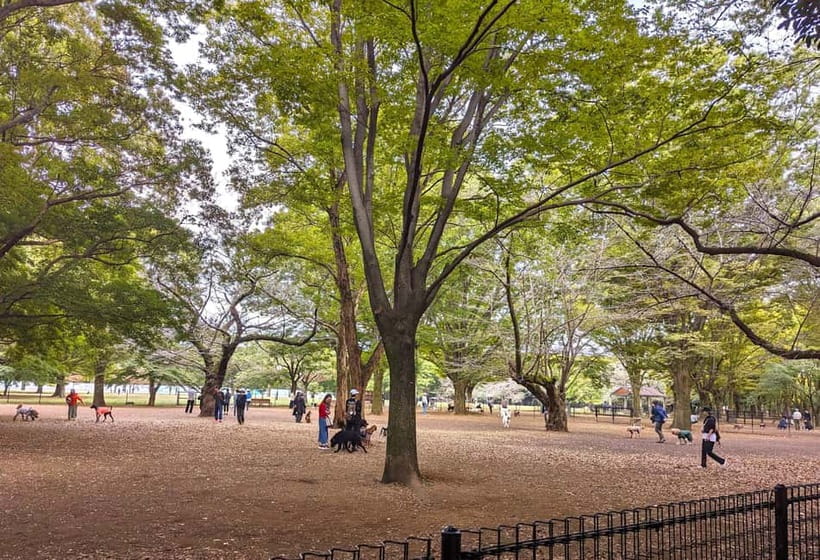
Yoyogi Park is one of the first named stops. Its broad green setting gives the route room to breathe and provides an early contrast to Tokyo’s built-up streets.
The park matters here because it changes the feel of the run. Instead of spending two hours on pavement and traffic-heavy roads, you get a calmer stretch where the guide can point out local details and keep the pace comfortable. You also begin to see why this part of the city is more than fashion stores and youth culture.
The route then continues through Harajuku. You might recognize some of the district’s famous names, but the morning timing shifts your attention toward quieter streets and the blend of older local life with newer Tokyo design.
This is not a stop-by-stop sightseeing tour in which you leave the route for long lectures. You are moving most of the time. If you want to photograph every building or shopfront, the run may feel too active. If you prefer to cover ground while hearing short stories, it should suit you well.
Harajuku and Aoyama before the crowds
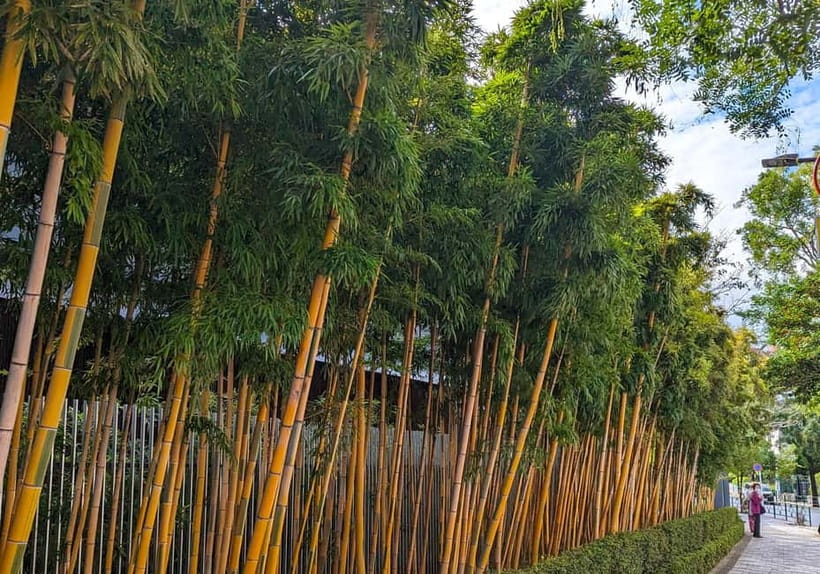
Harajuku and Aoyama make a useful pair. Harajuku brings youthful style and major city landmarks, while Aoyama adds a more polished urban setting and pockets of quiet. The route uses both to show how quickly Tokyo can change from crowded commercial center to peaceful residential street.
Aki shares stories and trivia as you go. The information is part of the value, but do not expect a full historical lecture at every corner. Running requires attention to your footing, traffic, and pace. The best moments are likely to come in short explanations that help you notice what you would otherwise pass without a thought.
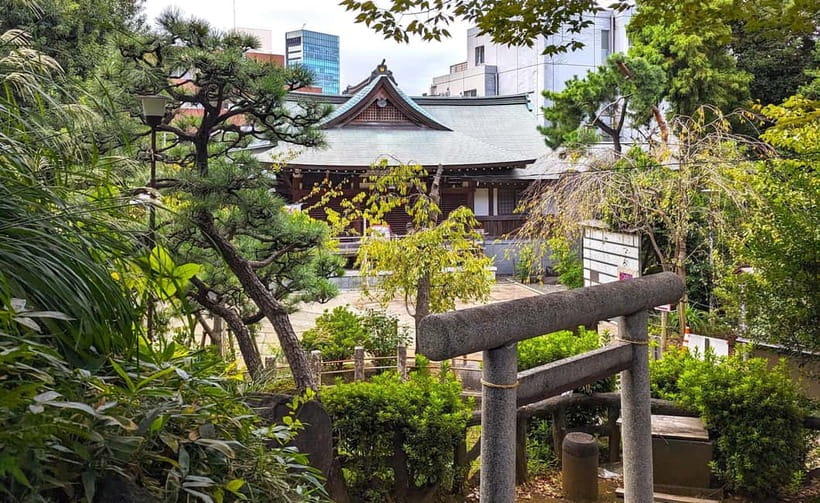
One particularly appealing part of the route is a small local shrine. Aki can guide you through the traditional process of paying respect, making the stop more useful than simply snapping a photo and moving on. You get a practical introduction to shrine manners, with enough context to feel comfortable during later visits around Japan.
The exact secret stop, viewpoint, and lesser-known stop are not specified in advance. That is partly the charm of a private route, since Aki can shape the outing around conditions and your pace. It also means you should not book this expecting a fixed list of famous sights or a guaranteed panorama. The experience is about the route as a whole, not collecting landmark names.
Same water, a different kind of day:
- Tokyo: Mt Takao Tour with Ramen and Tattoo-Okay Hot Spring
★ 5.0 · 69 reviews - [Seasonal Limited] Mt. Fuji 5th Station &Hot Spring Day Tour
★ 4.5 · 53 reviews - Full Day Hiking Tour at Mt.Takao including Hot Spring
★ 5.0 · 52 reviews - Tattoo-friendly open-air Onsen & drink
★ 5.0 · 25 reviews
A quiet viewpoint and the places between sights
The route includes a viewpoint and another lesser-known stop. Because the precise locations are not given, I would treat these as pleasant discoveries rather than promises of a dramatic skyline scene.
That distinction keeps expectations realistic. Tokyo does not reveal every worthwhile moment from a major observation deck. A small street, a quiet shrine, a park edge, or an unusual meeting of old and new buildings can be enough to make the run memorable.
You also gain a sense of proportion. A typical sightseeing day can make Tokyo feel like an endless chain of stations, shopping areas, and large attractions. Moving through the city on foot shows how these districts connect. The 10K distance gives you time to notice transitions that disappear when you travel only by train or taxi.
A private guide adds another benefit: you can ask questions as they arise. If a custom, building, or local practice catches your attention, you are not limited to the information on a sign. Aki speaks English and Japanese, which makes the tour accessible to English-speaking visitors who want more than directions.
The sento finish: Tokyo’s best post-run ritual
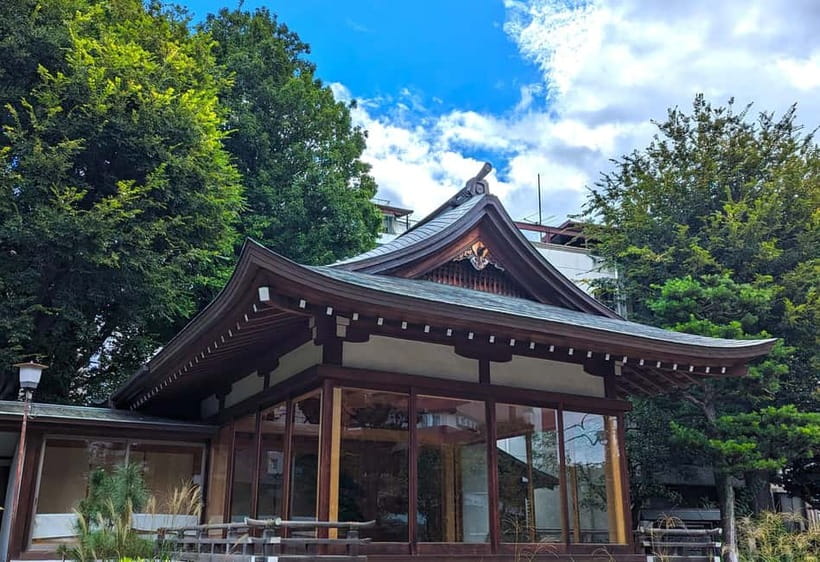
The bath is the tour’s most distinctive feature. After running, you visit a Japanese public bath, or sento, and learn how to use it properly. The bath facilities are separate for men and women.
For a first-time visitor, this guidance is valuable. A sento is not a hotel bath or a Western swimming pool. You wash before entering the shared bathing area, and local customs matter. Aki explains how to enjoy the visit, so you do not have to guess your way through an unfamiliar routine.
The tour includes bath admission, towels, and a coin locker. Those small inclusions make the finish easier, since you do not need to organize the basics separately. A change of clothes is still essential. You will not want to put your running clothes back on after the soak.
The sento is optional, so you can focus on the run if bathing is not your thing. It is also unavailable on Thursday sessions. Check the schedule before booking if the bath is the main reason you are interested.
I like the cultural value here. The run alone would be a pleasant way to see Tokyo, but the bath connects the physical activity to a local custom. You are not just passing through a neighborhood. You are taking part in a familiar Japanese routine, with an explanation of how to do it respectfully.
What the $48 price delivers
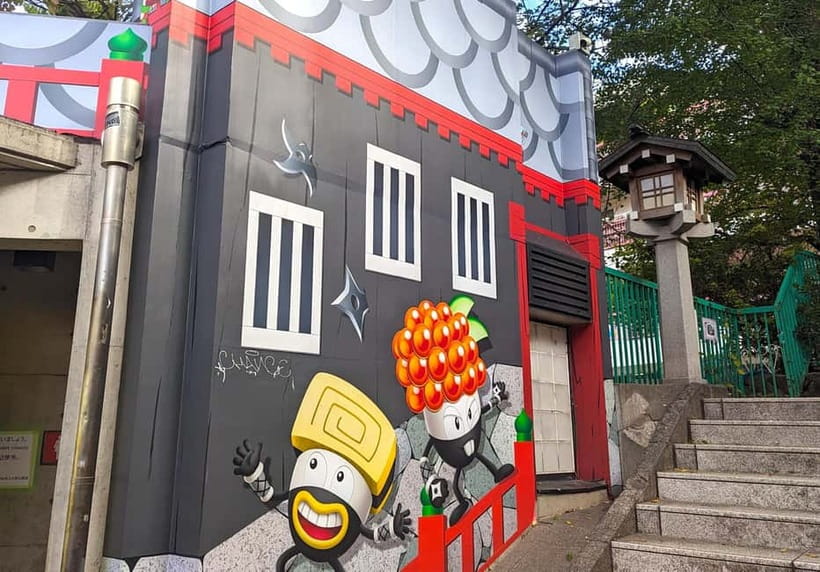
At $48 per person, this is not the cheapest way to go for a run. You could put on shoes and jog through Tokyo at no cost. The price makes sense because you are paying for a private guide, a planned 10K route, local stories, water, bath admission, towels, and a locker.
The private format is important. You are not joining a large running club where everyone must follow the same pace. Aki can shorten the route, add walking sections, and adjust the outing to your ability. That flexibility adds real value if you are jet-lagged, returning to exercise, or traveling with one other person who runs at a different speed.
The bath also helps justify the cost. Admission may be modest on its own, but the combination of instruction and practical supplies removes much of the uncertainty for a first visit. You are paying for a guided experience, not just entry.
The weak point is simple: the experience lasts two hours, so the running and bathing schedule is fairly tight. If you want a long soak, a full workout, or extended sightseeing at each stop, you may feel rushed. The value is strongest for someone who wants a focused morning activity rather than an all-day tour.
Who should book this morning run
I would recommend it to casual joggers, regular runners who enjoy sightseeing, solo visitors, couples, and friends who want a different first or second morning in Tokyo. It is also a good choice if you like local customs but prefer learning them through action instead of sitting in a museum.
The route can suit different fitness levels because walking and a shorter course are possible. Still, you should be comfortable with some physical activity. This is not a stroll with a few optional steps.
The experience is not suitable for children under 16, people with mobility impairments, or people with heart problems. If you have a medical concern, this is not the place to test your limits.
Serious athletes should consider the pace carefully. At 6 to 8 km/h, you may not get the intense training session you want. The guide’s job is to help you see Tokyo and enjoy the morning, not push you toward a personal record, though one participant did finish with a fastest-ever run.
Aki’s manner is another reason to choose this experience. She is cheerful, easy to talk with, and willing to adjust her pace. One participant especially valued how she explained the respectful steps at a small shrine. That combination of running and simple cultural instruction is the heart of the outing.
Practical details that shape the morning
Wear shoes you trust. Tokyo streets can be hard on your feet, and a new pair is a poor gamble for a 10K. Bring a change of clothes for the bath and avoid smoking during the experience.
English and Japanese guiding are available. The group is private, which gives you more room to ask questions and set a comfortable rhythm.
The activity lasts two hours, but the exact start time depends on availability. Early morning is central to the experience, so check the departure time before making breakfast or transport plans.
You can cancel up to 24 hours ahead for a full refund, and the reserve-now, pay-later option gives you some flexibility while finalizing your Tokyo schedule. These are useful safeguards, but the bigger planning point is the Thursday bath exception. If you want the complete run-and-sento combination, choose a non-Thursday session.
Should you book the Harajuku morning run?
Book it if you want to see Tokyo on foot, prefer a private guide, and like the idea of finishing with a traditional bath. The quiet start, adaptable pace, small shrine visit, and sento customs make this more than a standard jogging route.
Skip it if you want a hard training run, a long bath visit, or a fixed list of major landmarks. The route includes a viewpoint and several stops, but their exact locations are not promised.
For most active visitors, the strongest choice is a non-Thursday morning when you can enjoy the full experience. At $48, it offers a personal introduction to Harajuku and Aoyama, plus a practical cultural encounter that would be easy to miss on your own.
FAQ
Where does the Tokyo private morning run begin?
Meet in front of Dior at the Harakado building, Tokyu Plaza Harajuku. Aki will be wearing a white cap.
How far do you run?
The planned route is about 10 kilometers through Harajuku and Aoyama.
What pace does the tour use?
The usual pace is 6 to 8 kilometers per hour. Walking sections or a shorter course can be arranged to match your pace.
Is the sento bath included?
Bath admission, towels, and a coin locker are included. The bath is optional and is not available on Thursday sessions.
What should I bring?
Bring comfortable running shoes and a change of clothes. Water is provided, but food is not included.
Can people of all fitness levels join?
The route can be adjusted for different fitness levels, including walking sections. It is not suitable for children under 16, people with mobility impairments, or people with heart problems.
What languages are available?
The live guide is available in English and Japanese.
More Morning Experiences in Tokyo
- Bali: Mount Batur Sunrise Guided Hike and Natural Hot Spring
★ 4.8 · 9,284 reviews - Bali/Mount Batur: Private Sunrise Jeep Tour & Hot Spring
★ 4.8 · 3,528 reviews - Mount Batur Sunrise Hike and Natural Hot Spring Option
★ 5.0 · 1,927 reviews - From Ubud: Mount Batur Shared Jeep Sunrise & Hot Spring Tour
★ 4.8 · 1,842 reviews
Just added around Tokyo
- Japanese Head Onsen and Scalp Massage Retreat in Tokyo★ 4.5 · 2 reviews
- Mt Fuji Small Group 1 Day Tour Kawaguchi and Yamanaka with Pickup★ 5.0 · 4 reviews
- Tokyo Local Tattoo Friendly Public Bath Experience★ 5.0 · 4 reviews
- Mt. Fuji Tours to Lake Kawaguchi and Yamanaka Onsen English Guide★ 4.5 · 4 reviews
- Mt. Fuji to Lake Kawaguchi, Lake Yamanaka and Onsen Day Tour★ 4.5 · 3 reviews
- Onsen Spa in Tokyo and Asakusa Bar Hopping with Local Guide★ 5.0 · 3 reviews
- Tattoo-friendly open-air Onsen & drink★ 5.0 · 25 reviews
- Private Tour to Snow Monkey, Zenkoji Temple & Hot Springs Nagano★ 4.0 · 2 reviews
Japanese Onsen Tours, compared.
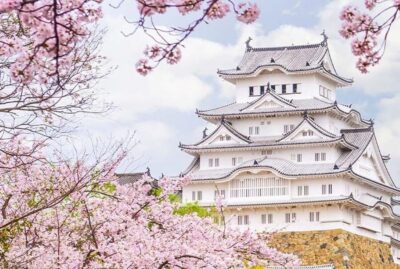
Himeji Castle, Arima Onsen & Mt. Rokko Day Tour
Read our review →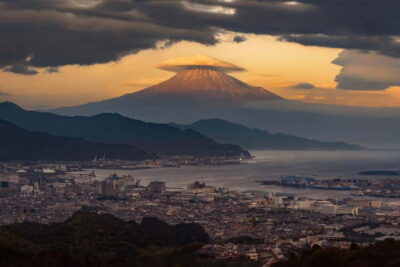
Private Tour to Fuji/Hakone – Onsen, Art, Nature
Read our review →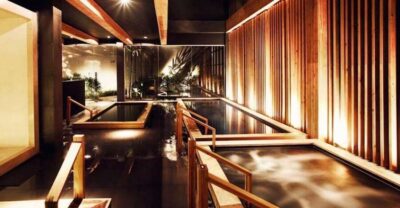
All-Day Pass to Yunomori Sathorn Onsen Bath and Spa
Read our review →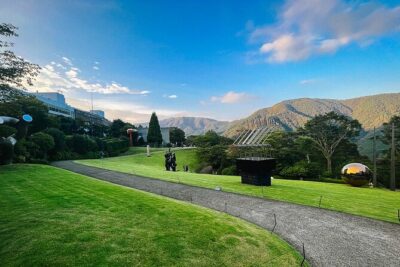
Mt. Fuji, Hakone Private Tour from Tokyo – Onsen, Arts and Nature
Read our review →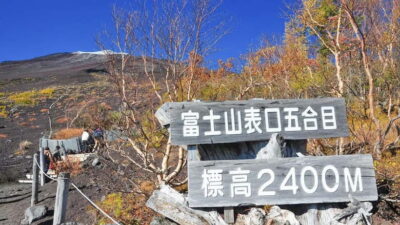
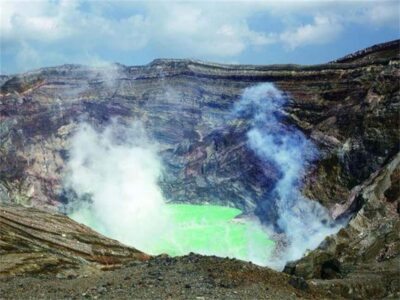
From Fukuoka: Mount Aso, Kurokawa Onsen, and Shrine Tour
Read our review →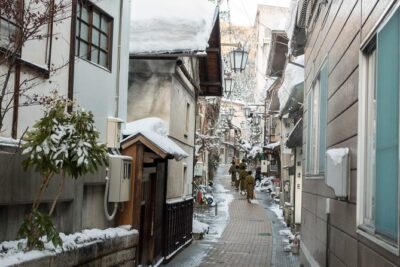
Private Nagano 1-Day Tour:Snow Monkeys,Zenko-ji,Obuse,Sake,Onsen
Read our review →Browse the lists this tour appears in