
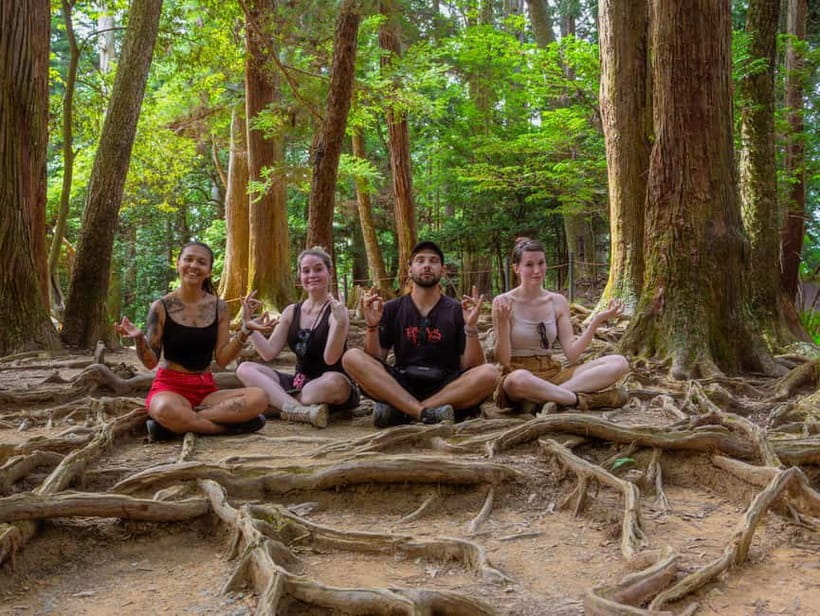
Review · HOT SPRING HIKING TOURS
Kyoto: Hike and Hot Springs in Kurama
Mystic mountains sit just beyond Kyoto. This half-day outing takes you by train from Demachiyanagi Station into the northern hills, then links sacred shrines, an ancient cedar forest, Kurama Temple, and the option of a hot spring bath. I especially like the mix of exercise and culture, and I like that guides such as Philippe and Chris add local stories rather than simply leading you up the steps. The main caution is the climb: this is a genuine uphill hike, not a gentle stroll.
You pay $80 per person for four hours, including the guide, transportation, and temple admission. Lunch and the hot spring cost extra, and you arrange your own return after the tour. If you have decent fitness and want a quieter side of Kyoto, this is a strong choice.
Key points at a glance
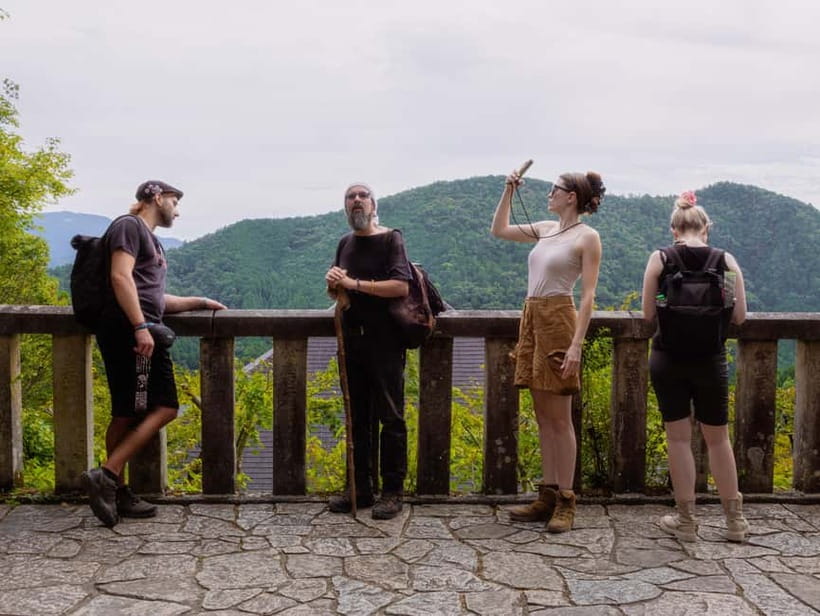
- A scenic Eizan train ride carries you from urban Kyoto toward the cedar-covered northern mountains.
- The Kurama climb takes about 30 to 40 minutes to the summit, with many steps and plenty of reasons to pause.
- Kibune Shrine and Kurama Temple give the walk a strong spiritual and cultural focus.
- Local guides add legends and lesser-known stops, with Philippe receiving especially strong praise for his historical and cultural explanations.
- The outdoor Kurama hot spring is optional, but it is a fine way to ease tired legs after the descent.
- The tour ends in Kurama village, so lunch, the bath, and the train back are separate choices rather than fixed parts of the four-hour program.
Leaving Kyoto by train for the northern hills
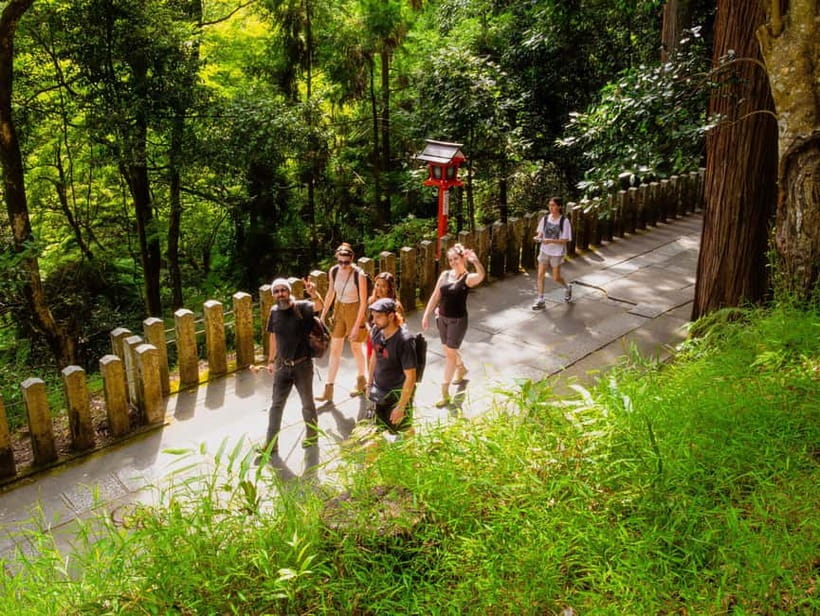
Your meeting point is exit 7 at Demachiyanagi Station, in front of the Eizan railway. That location matters because the train is part of the pleasure of the outing, not just a way to get from one place to another. The city gives way to mountain scenery as you head toward the Kurama and Kibune area.
The ride helps shift your mood. Kyoto’s temples and shopping streets can feel full and fast-paced, while this route leads into a cooler, more rural corner of the region. The train is included in the tour cost, so you do not need to sort out each transport detail on your own at the start.
The excursion lasts four hours, but keep your wider schedule loose. The formal guided portion finishes in Kurama village, where you can choose lunch, a stroll, the hot spring, or the train back to Kyoto. Those extras are not included in the timing in the same way as the hike and temple visit.
More Hot Spring Hikes in Japan
- Full Day Hiking Tour at Mt.Takao including Hot Spring
★ 5.0 · 52 reviews - Traverse Outer Rim of Hakone Caldera and Enjoy Onsen Hiking Tour
★ 5.0 · 30 reviews - Samurai Guide Sho’s Mt. Takao Hike, Temple & Onsen from Shinjuku
★ 5.0 · 9 reviews
Kibune Shrine and the meaning of the route
The outing connects two places with a strong spiritual identity: Kibune and Kurama. Kibune Shrine is associated with prayers for good relationships, making it a particularly appealing stop if you want more than pretty scenery from your day in the hills.
The shrine also gives the walk a clear beginning and purpose. You are not simply moving from one trailhead to another. You are passing through a place where local religious traditions, mountain worship, and nature are closely tied together.
Your guide can explain the shrines, deities, customs, and stories that give the area its character. That human context is one of the best reasons to choose a guided walk instead of following a map alone. Philippe, Chris, Kevin, Salome, and other guides have been praised for friendly explanations and a flexible approach, though the exact guide depends on the departure.
Kibune is also linked with a river valley and restaurants set beside the water. Depending on how you use your free time afterward, this can be a pleasant place to rest and eat. Lunch is not included, so budget separately if you want a meal.
Climbing through the cedar forest
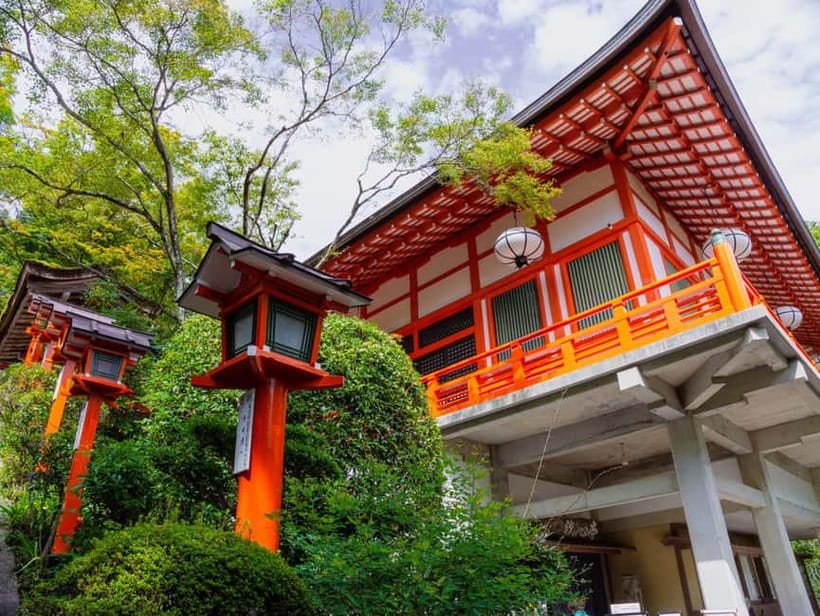
The central challenge begins when the trail turns uphill. The route climbs by steps through an old forest toward Kurama Mountain, and the summit can be reached in roughly 30 to 40 minutes. That estimate sounds brief, but the effort is real, especially in summer heat or if you are not used to repeated steps.
You should wear comfortable shoes with a firm sole. Bring water, and choose long pants if you want more protection from insects. There is no need to treat this as a technical mountain expedition, but the activity is not suitable for someone without hiking experience, limited mobility, or a wheelchair.
The pace includes stops. That is important because the trail is as much about noticing the setting as reaching the top. You can pause for mountain views, breathe the cooler air, and look at features along the route while your guide explains the legends connected with the mountain.
Several people have found the climb hard work but worthwhile. The combination of heat, stairs, and uneven effort means you should not book this as a relaxed sightseeing walk. If you exercise regularly and can manage a moderate uphill route, the walk should feel achievable. If your main goal is simply to visit Kurama Temple, independent transport may be a better fit than paying for a hiking tour.
Kurama Temple and the mountain power spot
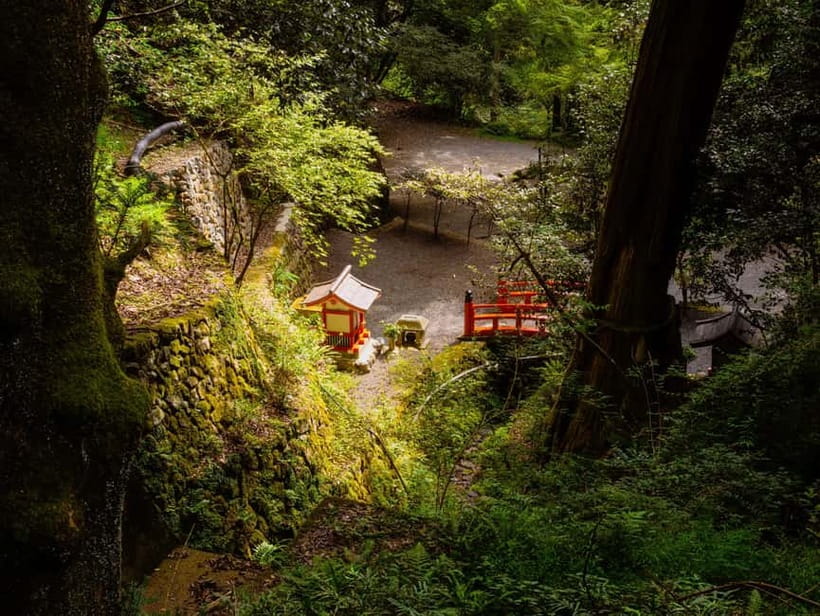
At the top, you visit Kurama Temple, with admission included in the $80 price. The temple is a special place in local spiritual life and is often described as a power spot. The setting gives the visit extra force: after climbing through the forest, you reach a mountaintop sanctuary with views down into the valley.
This is where the tour’s physical and cultural sides meet. You can offer prayers, take in the mountain air, and give your legs a short rest. The temple is not just a photo stop. With a good guide, you learn about the figures, beliefs, and legends connected with the site.
One guide took a small group to lesser-known parts of the mountain, including areas beneath the temple. That kind of flexibility is possible with a private or small-group booking, although you should not assume every departure includes the same extra stops. The exact route can change with conditions, maintenance work, and the group’s pace.
One practical warning: temple maintenance has sometimes brought scaffolding that blocks part of the exterior view. You may still enter the temple area and see features such as the large bell in the hills above it, but the main building may not always look exactly as it does in photographs.
The mountain also has a connection with Reiki, which began in the Kurama area. If you already have an interest in Reiki or Japanese spiritual traditions, this visit may carry particular meaning. If not, the guide’s explanation still helps place the temple in a wider cultural setting.
Same water, a different kind of day:
- From Osaka: Himeji Castle, Arima Onsen & Mt. Rokko Day Tour
★ 4.6 · 339 reviews - Osaka: Nara and Uji Day Trip with Deer Park and Hot Spring
★ 4.4 · 302 reviews - From Tokyo: Private Tour to Fuji/Hakone – Onsen, Art, Nature
★ 5.0 · 116 reviews - Mt. Fuji, Hakone Private Tour from Tokyo – Onsen, Arts and Nature
★ 5.0 · 79 reviews
Down to Kurama village
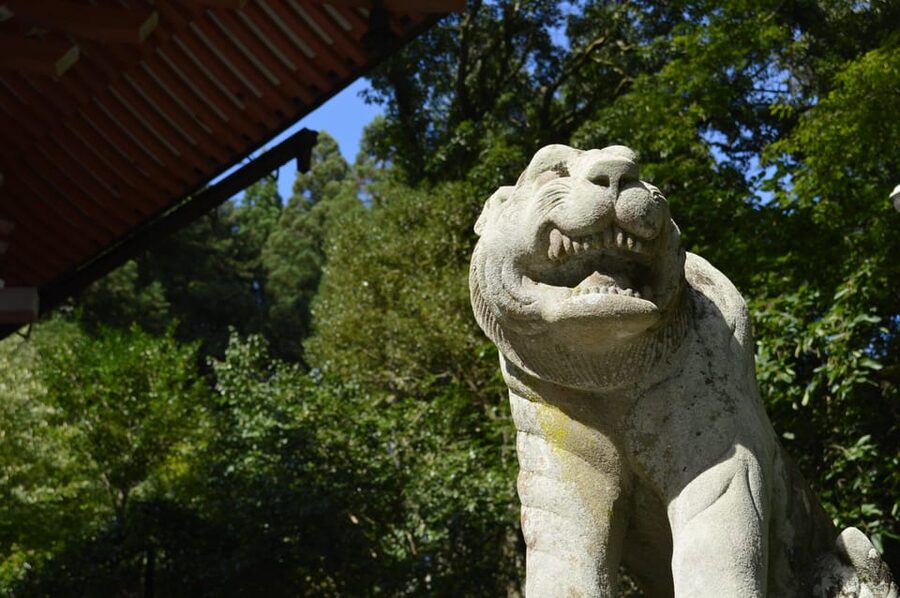
The return is by steps down toward the small village of Kurama. Descending is often easier on your lungs than climbing, but it can put pressure on your knees, especially after the uphill section. Take your time and use the stops provided by the guide.
Kurama village is where the organized part of the experience comes to a close. You receive guidance on the available choices, then decide how to spend the rest of your day. This is a useful arrangement for independent-minded people because you are not pushed into a fixed lunch or spa schedule.
You might eat a late lunch, walk around the village, return by train, or continue to the hot spring. Since the tour is advertised as four hours, the final options can turn it into a longer mountain outing. Plan accordingly rather than booking a tight afternoon appointment back in central Kyoto.
The village setting also gives you a calmer end to the hike. Restaurants beside the river offer a place to sit and recover, while the surrounding hills keep the mood far removed from central Kyoto.
Why the Kurama hot spring is worth adding
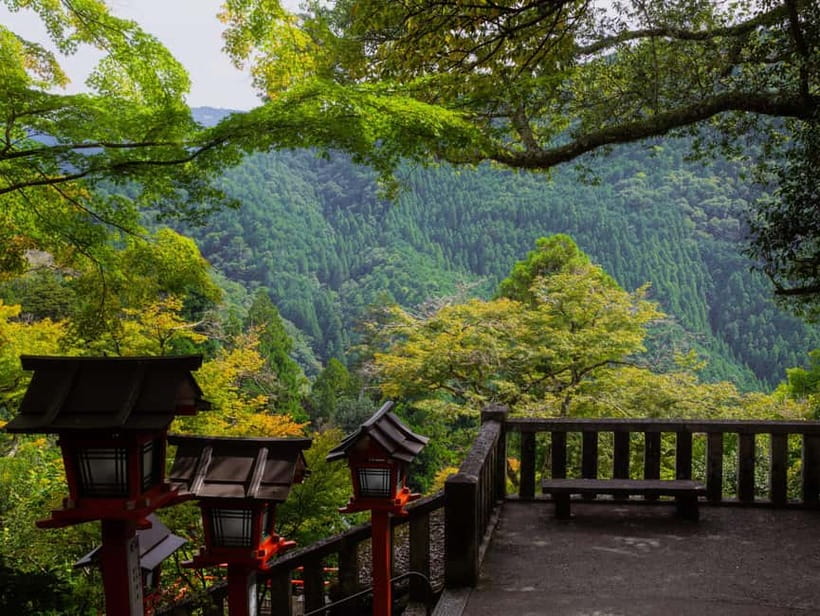
The hot spring is not included in the price, but the operator can offer a special discounted bath ticket. It is known for an outdoor bath with mountain views, making it a natural follow-up to the hike.
I would strongly consider adding it if you have enough time. A warm bath after a stair-heavy walk is not a minor extra. It changes the outing from a demanding hike into a full reset, especially after a hot day.
You should remember that this is an optional add-on, not part of the $80 package. Ask your guide about the current discounted ticket and the practical details at the end of the hike. The tour data does not state the bath fee, so do not assume the discount means free entry.
The onsen is also not a reason to ignore the fitness warning. You still need to complete the climb first, and the bath does not make the route suitable for people with mobility impairments.
The guides make the difference
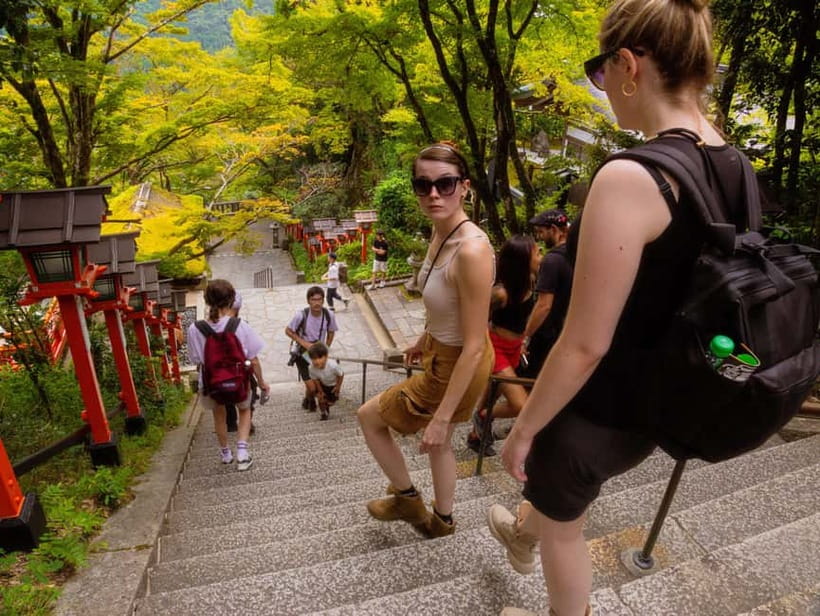
The strongest part of this experience is the guiding. Philippe is praised repeatedly for explaining the history, deities, temples, legends, and local customs in a warm and patient way. He has also been described as someone who knows the forest routes well and can adjust the pace to the group.
Other named guides receive similar praise. Chris is described as excellent and able to show lesser-known places. Kevin is praised for historical and cultural context. Salome made one excursion especially memorable, while Eric was remembered as a friendly companion on the mountain.
Small-group and private options matter here. A flexible group can stop more often, spend longer at a shrine, or adjust the rhythm of the climb. One private-feeling outing included extra time at Kurama and unusual areas beneath the temple. You should still understand that guide quality can vary, as it can on any experience.
One account describes a guide who smoked while walking and drank beer near the end of the outing. That was clearly a poor fit for a nonsmoking group. It appears to be an isolated problem rather than the pattern, but it is a useful reminder that a five-star average does not guarantee every guide will suit every person.
Is $80 good value?
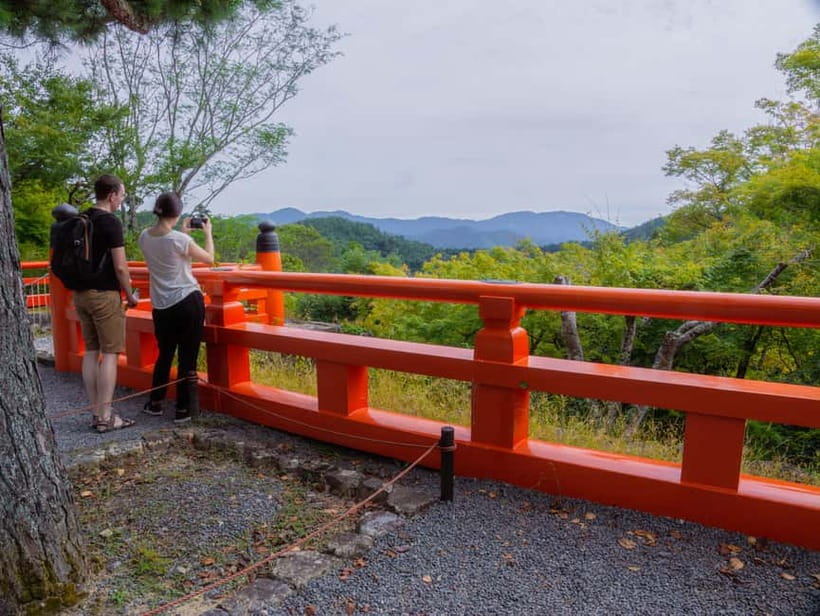
At $80 per person, the price is fair if you want interpretation and a managed route rather than just transport. The fee covers the guide, the train transportation for the outing, and Kurama Temple admission. You are paying for access to a less central part of Kyoto plus the benefit of someone explaining what you are seeing.
The value is strongest for first-time visitors who might otherwise miss the connection between Kibune, Kurama, Japanese mountain worship, and Reiki. It is also good for solo visitors who prefer company on a forest trail or for couples who want an active half-day away from the city.
The price looks less attractive if you only want the hot spring. The bath costs extra, lunch costs extra, and your return journey after the tour is not included. Independent hikers who are comfortable handling trains, trail navigation, and temple visits may spend less by arranging the day themselves.
Still, a guide can make the difference between walking past a shrine and understanding why it matters. For many people, that added context is the main value.
Who should book this hike?
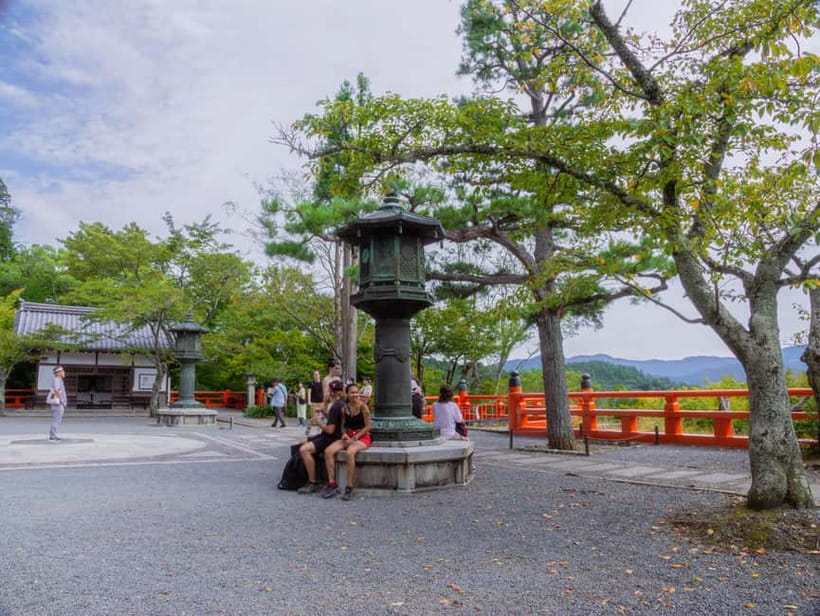
I would choose this experience if you:
- Want a break from Kyoto’s central sights
- Enjoy moderate hiking and do not mind stairs
- Like temples better when you understand their stories
- Prefer a small group or private setting
- Want the option of an onsen after exercise
- Have at least half a day, plus extra time if you plan to eat or bathe
I would skip it if you have mobility limitations, no hiking experience, or a very short attention span for uphill walking. Children under 11 are not accepted, and the route is not suitable for wheelchair users.
Summer requires extra care because heat can make the climb feel much harder. In cooler months, the forest may feel especially fresh, and the area can take on a quiet, almost otherworldly mood. Snow has occasionally appeared on sunny winter outings, and deer or monkeys may be seen, but wildlife is not guaranteed.
Book comfortable shoes, water, and long trousers. Do not schedule this immediately before an important dinner reservation unless you are certain you will skip the bath and return promptly.
Booking and practical details
You meet at Demachiyanagi Station exit 7, in front of the Eizan railway. Starting times vary, so check availability when choosing your date. The tour is offered in English and French.
You can cancel up to 24 hours in advance for a full refund, and reserve now while paying later. These terms are useful if your Kyoto plans may shift, especially during a longer Japan trip.
The tour ends in Kurama village rather than returning you to the original meeting point. Transportation during the experience is included, but you pay for and arrange the return afterward. Lunch and the hot spring are also separate.
The experience has a five-star rating from 49 reviews, with the main praise centered on the guides, the cultural explanations, the quiet mountain setting, and the chance to visit places away from Kyoto’s busiest core. The one important theme to take seriously is the physical effort.
Final verdict: should you book it?
Book it if you want Kyoto with a little sweat on your brow. The train ride, forest steps, sacred sites, valley views, and optional bath form a satisfying half-day escape, and a strong guide adds meaning that you would likely miss alone.
I would book a private or small-group version if the price fits your budget. That gives you the best chance of a flexible pace and extra time at the places that interest you most. Add the hot spring if your schedule allows, but treat it as an optional extra rather than part of the base price.
Skip it if you want an easy cultural visit or if stairs are a problem. For fit visitors who want nature, local stories, and a refreshing change from central Kyoto, this is one of the more rewarding ways to spend four hours.
FAQ
How long does the Kurama hike and hot spring experience last?
The guided experience lasts four hours. Time for lunch, the hot spring, or the train back to Kyoto comes afterward and can make your day longer.
Where does the tour meet?
The meeting point is Demachiyanagi Station exit 7, in front of the Eizan railway in Kyoto.
What is included in the $80 price?
The price includes the guide fee, transportation during the outing, and admission to Kurama Temple.
Is the hot spring included?
No. The hot spring fee is separate, although a special discounted bath ticket may be available through the operator.
Is lunch included?
No. Lunch is not included, and you can choose where to eat after reaching Kurama village.
How difficult is the hike?
The hike requires a decent level of fitness and includes an uphill climb by steps. The summit can be reached in about 30 to 40 minutes, with stops along the way.
Can children join the tour?
Children under 11 are not allowed to join this experience.
What languages are available?
The tour is available with a live guide in English or French.
Just added around Japan
- Japanese Head Onsen and Scalp Massage Retreat in Tokyo★ 4.5 · 2 reviews
- Mt Fuji Small Group 1 Day Tour Kawaguchi and Yamanaka with Pickup★ 5.0 · 4 reviews
- Tokyo Local Tattoo Friendly Public Bath Experience★ 5.0 · 4 reviews
- Mt. Fuji Tours to Lake Kawaguchi and Yamanaka Onsen English Guide★ 4.5 · 4 reviews
- Mt. Fuji to Lake Kawaguchi, Lake Yamanaka and Onsen Day Tour★ 4.5 · 3 reviews
- Onsen Spa in Tokyo and Asakusa Bar Hopping with Local Guide★ 5.0 · 3 reviews
- Tattoo-friendly open-air Onsen & drink★ 5.0 · 25 reviews
- Private Tour to Snow Monkey, Zenkoji Temple & Hot Springs Nagano★ 4.0 · 2 reviews
Hot Spring Hiking Tours, compared.
Mount Batur Sunrise Guided Hike and Natural Hot Spring
Read our review →
Mount Batur Sunrise Hike and Natural Hot Spring Option
Read our review →
Private Tour Mount Batur Sunrise Trekking and Natural Hot Spring
Read our review →
Mount Batur Sunrise Hike, Breakfast & Hot Spring
Read our review →
National Park Hike & Finnish Smoke Sauna Experience with Campfire Lunch
Read our review →
Mount Batur Sunrise Hike with Breakfast & Hot Spring
Read our review →
Montanejos Hiking Tour & Thermal Pools from Valencia
Read our review →Browse the lists this tour appears in