
Review · WALKING TOURS
Hell’s Gate Geothermal Walk
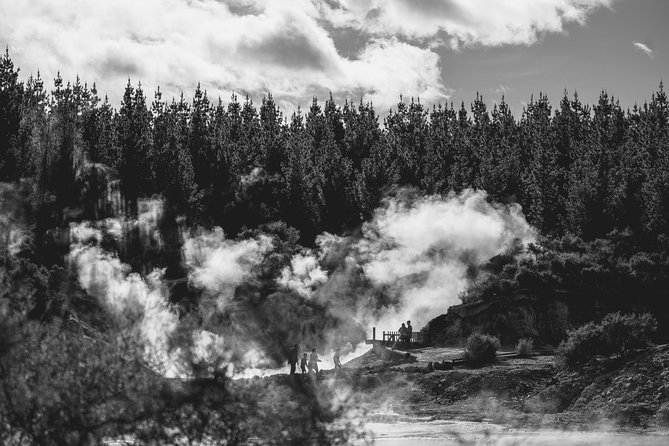
The ground here is never quite still. Hell’s Gate lets you walk through one of Rotorua’s most active geothermal areas, where mud bubbles, vents steam, and hot water pushes through the earth. I like the choice between a self-guided route and free scheduled tours, and I especially like the chance to hear Māori stories and try traditional carving. The main catch is simple: guided walks run at set times, so you may need to wait or settle for the fact sheet.
This is a short, manageable outing rather than a full-day adventure. I like that the walk takes about an hour at an easy pace, with clear paths and plenty to see beyond the mud pools. Just bring water, wear closed-toe shoes, and remember that the sulphur smell is part of the deal.
Key points at a glance
- Bubbling mud and an active mud volcano: See powerful geothermal activity from marked paths in Hell’s Gate reserve.
- Free guided tours at set times: A guide can add Māori legends, local stories, and useful explanations to the walk.
- Self-guided flexibility: Use the informative fact sheet if you do not want to wait for the next tour.
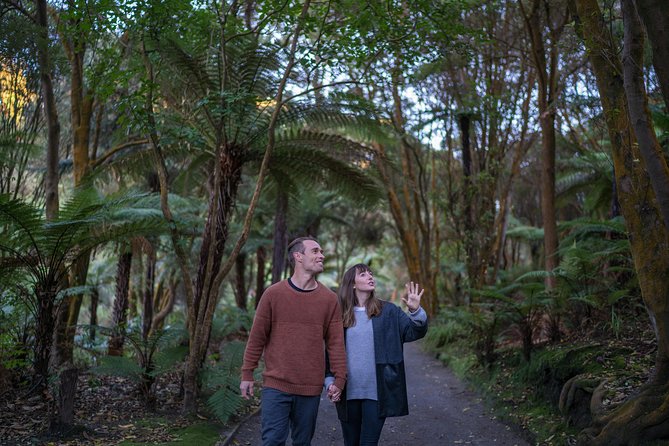
- Forest and bush walking: The experience includes more than steaming pools, with a pretty extra route through native bush.
- Optional Māori carving and mud bathing: Add hands-on activities if time and weather allow, but these are not part of the basic admission.
- A short Rotorua outing: Allow about one to two hours, depending on your pace and whether you add activities.
Why Hell’s Gate feels different from a standard geothermal stop
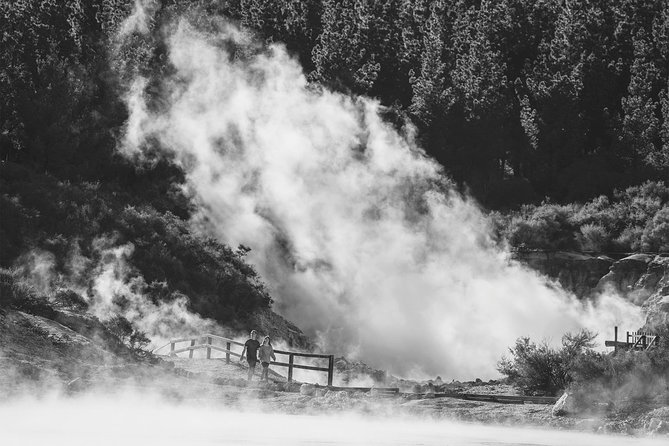
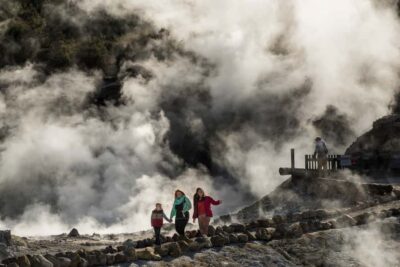
Rotorua has several geothermal attractions, but Hell’s Gate has a wilder feel. The reserve is active, raw, and sometimes a little smelly, with bubbling mud, steaming vents, erupting waters, and unusual formations described as land coral. You are not simply looking at one famous geyser from a viewing platform. You are walking through a working geothermal field.
The route also gives you room to slow down. You can stop at the pools, read the signs, listen for native birds, and take in the contrast between hot, barren ground and the surrounding bush. That mix helps explain why this visit often takes longer than a quick photo stop, even though the walk itself is not strenuous.
The reserve is well maintained and signposted. You do not need strong navigation skills, which makes this a good choice if you want an informative bush walk without trying to find your way through unfamiliar terrain. You do need to manage uneven and unpaved ground, so this is not a smooth urban stroll.
More Walking Tours in Rotorua:
- Rotorua: Hell’s Gate Outdoor Mud Spa & Guided Walk
★ 4.7 · 1,140 reviews - Rotorua: Hell’s Gate Geothermal Walk
★ 4.4 · 217 reviews - From Krakow: Slovakia Treetop Walk, Zakopane & Thermal Spa
★ 4.7 · 110 reviews
What you see along the one-hour geothermal walk
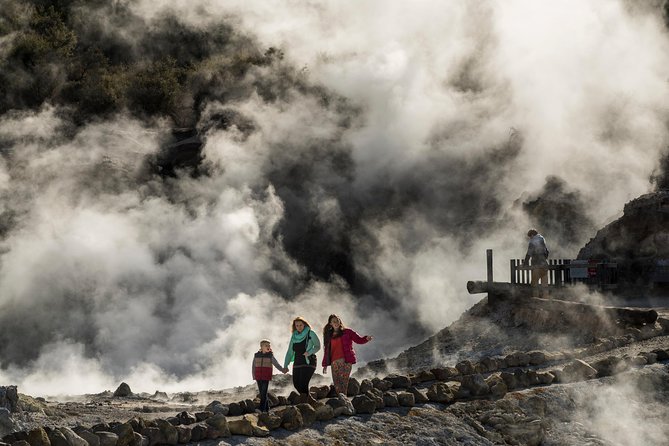
The main route leads you through a series of geothermal sights, with steam rising from vents and mud moving in slow, strange bubbles. An active mud volcano is one of the main features. It is the kind of sight that looks almost playful from a distance, but the heat and force beneath it remind you to stay on the path.
You will also see erupting waters and unusual mineral formations. The exact display can vary, and the natural activity does not perform on a timetable. One visit may provide dramatic steam and bubbling pools, while another may not produce the geyser-like action you hoped to see. That uncertainty is part of seeing a living geothermal area, but it is worth keeping expectations sensible.
The walk is generally easy at a slow pace and takes around an hour for many people. Plan on one to two hours overall if you want to read the information, take pictures, or join a tour. One useful tip is to take water. Even when the day is not especially hot, geothermal areas can feel warm and exposed.
Closed-toe shoes are the sensible choice. You will be walking on uneven ground, and practical footwear is more important here than looking dressed up for photographs. Children can participate, but they must stay with an adult.
Self-guided or guided: choose before you arrive
The self-guided option works well if you value freedom. You receive an informative fact sheet and can begin without waiting for a particular departure. That makes it useful for a busy Rotorua day, especially if you are fitting Hell’s Gate between other activities.
The written information is enough to explain the geothermal features and help you understand what you are seeing. You can walk slowly, stop where you like, and spend more time at the sights that catch your attention. If you prefer a quiet visit or arrive between tour times, this is a practical option.
The guided walk adds a human voice. Guides explain the thermal activity and connect the reserve to Māori legends and family stories. One guide, T, is praised for combining humor with clear explanations, and that sort of storytelling can change the entire experience. The pools become more than colorful holes in the ground when you understand the beliefs and local knowledge connected to them.
The important detail is timing. Guided tours depart at specific times, not continuously. If you miss one, the next may be about an hour away. Check the schedule when you arrive and decide quickly. If you have plenty of time, waiting for the guided walk may be worthwhile. If your day is tightly planned, start the self-guided route instead.
Group size can vary. The advertised maximum is 15 people, but one reported walk had around 30 participants. That may reflect a particular session or operating arrangement, but it is worth knowing that a guided group may feel larger than expected.
Māori stories give the hot ground a human meaning
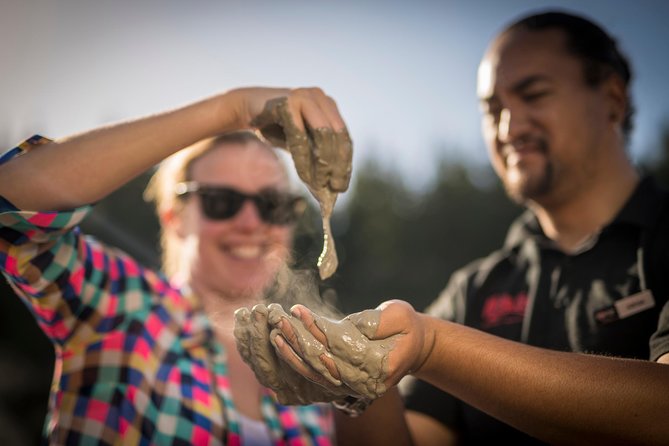
The geothermal features are impressive on their own, but the Māori connection gives the visit more depth. Guides share legends and stories tied to Hell’s Gate, and these accounts help place the reserve within local culture rather than treating it as a collection of strange natural objects.
This is where the guided version earns its keep. A fact sheet can tell you what a pool is doing, but a good guide can explain why a place matters and make the walk easier to remember. The best guided experiences here seem to balance facts, humor, and storytelling instead of turning the tour into a long lecture.
You may also have the chance to try traditional Māori carving near the end of the visit. This activity is optional and may depend on weather and operating conditions. One person missed the carving when a storm moved in, so do not treat it as guaranteed. If it is available, it is a pleasant way to finish the walk and gives you something active to do after seeing the geothermal sights.
A few more places to soak around Rotorua worth a look
- Rotorua: Wai-O-Tapu Geothermal Park Entry Ticket
★ 4.6 · 2,601 reviews - Rotorua Rafting: Kaituna River Rafting Experience-Free Sauna
★ 4.9 · 401 reviews - Polynesian Spa Rotorua: Deluxe Lake Spa Hot Spring Bathing
★ 4.5 · 358 reviews - Polynesian Spa Rotorua: Deluxe Lake Spa Hot Spring Bathing
★ 4.5 · 227 reviews
The bush route adds more than mud and steam
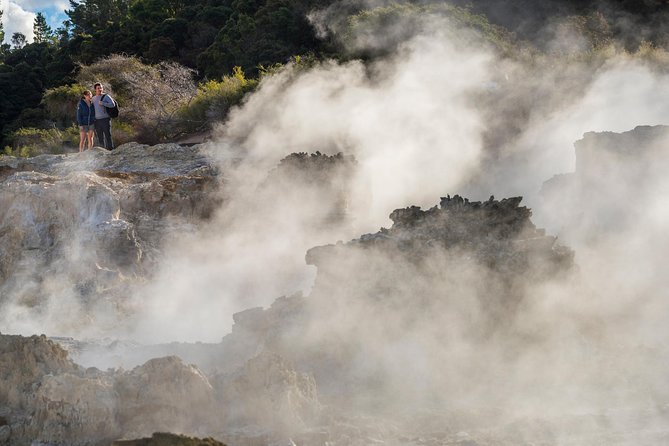
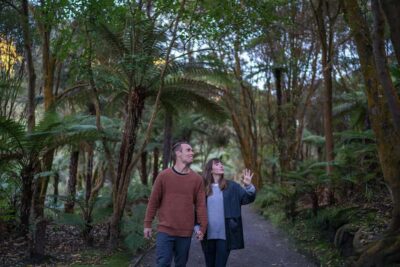
A useful surprise is that Hell’s Gate is not only about mud pools. An extra route through the forest provides a greener change of pace after the open geothermal area. The bush walk is described as beautiful, and it gives you a chance to hear native birdsong as you move between the hotter sections.
This extra walking also helps explain the character of the reserve. You get two very different environments in one visit: steaming ground shaped by heat and vegetation growing nearby. The contrast makes the stop feel more complete than a quick circuit of pools.
Weather can change the mood quickly. The walk has been enjoyed in winter and after heavy rain, but the terrain can be damp and conditions can shift quickly. One person described experiencing almost four seasons in a day. Wear practical clothing and keep your plans flexible.
Mud baths and sulphur spas are separate choices
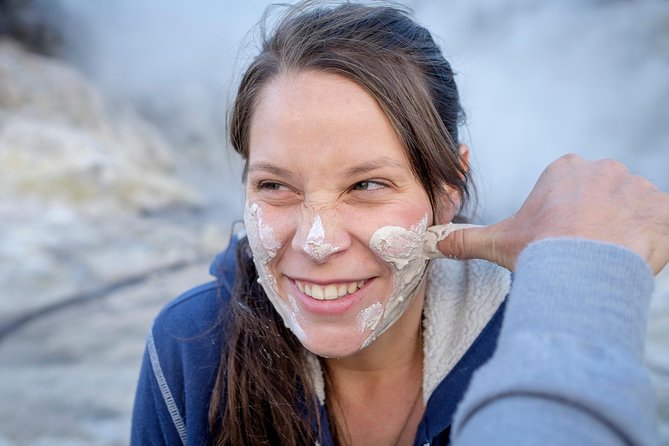
The basic admission covers the guided or self-guided geothermal walk. It does not include bathing in the mud bath or sulphur spas, and it does not include food or drinks.
If you want the spa experience, bring swimming gear. Towels are provided for the mud bath, according to the practical information available, but it is still wise to confirm the current arrangement when you arrive. The mud foot pool is another option for getting your hands or feet dirty without committing to a longer spa session.
This distinction matters when you compare the $27.93 admission price with the total cost of your outing. At that price, the walk offers good value if you mainly want geothermal scenery and interpretation. Your bill will rise if you add bathing, food, or drinks.
The spa side may be ideal if you want a relaxing family or couple activity after the walk. If you only want to see the geothermal area, skip the extras and keep the visit focused. You are not required to bathe to get the main experience.
Is the $27.93 admission good value?

For around $27.93 per person, you get access to an active geothermal reserve and the choice of a self-guided or guided walk. That is a fair price for a short Rotorua attraction, particularly if you use the information well and take time with the forest route.
The value improves if you join the guided walk. A strong guide adds local stories, explanations, and answers to questions without requiring a separate tour fee. The self-guided option still works, but the experience depends more on how carefully you read and observe.
This is not the best choice if you expect a long adventure or a guaranteed geyser show. The basic walk is relatively short, and natural geothermal activity can be unpredictable. You are paying for access to a living reserve, not a scheduled performance.
At a relaxed pace, allow one to two hours. Add more time if you plan to bathe, eat, wait for a guided departure, or try carving. That makes Hell’s Gate easy to fit into a day in Rotorua.
Practical details that affect your visit

Hell’s Gate is at 351 State Highway 30, Tikitere, Rotorua 3074. The activity begins and ends at the same meeting point, so you do not need to arrange a separate return location.
Most people can take part, but you must be able to walk on unpaved or uneven terrain. Children need adult supervision. The reserve is signposted, but closed-toe shoes remain the best choice.
The sulphur smell is unavoidable. Some people find it strong, while others quickly accept it as part of the geothermal setting. Bring water, and consider choosing a cooler part of the day if you dislike heat. If storms are possible, keep your plans flexible because outdoor extras such as carving may not go ahead.
Free cancellation is available if you cancel at least 24 hours before the local start time. Changes or cancellations made later are not accepted for a refund.
Who will enjoy Hell’s Gate most?
I would recommend this for independent visitors who want a short, clearly marked walk with plenty of explanation available. It also suits families, provided adults keep children close and everyone follows the marked route.
It is a good fit for anyone curious about geothermal activity but not interested in a demanding hike. You get bubbling mud, steam, water, forest, Māori stories, and optional spa activities without committing to a full-day tour.
The guided version suits you if local stories matter as much as the scenery. The self-guided route suits you if you dislike fixed schedules or have only a narrow window in your day.
You may want to choose another activity if you need smooth paths, cannot manage uneven ground, or want a guaranteed geyser eruption. You should also think twice if strong sulphur smells bother you. The reserve is impressive, but it is not polished or scent-free.
Should you book the Hell’s Gate walk?
Yes, if you want a reasonably priced introduction to Rotorua’s geothermal power with the freedom to choose between a guide and your own pace. The bubbling mud, active mud volcano, forest route, and Māori connection give the visit more variety than a quick stop at a single hot pool.
Book it with realistic expectations. Allow up to two hours, check the guided departure times, wear sturdy closed-toe shoes, and bring water. If the next guided walk is soon, I would wait for it, especially if you want Māori legends and local stories. If not, the self-guided route still offers a worthwhile look at a remarkable stretch of hot, restless earth.
FAQ
How long does the Hell’s Gate geothermal walk take?
The walk takes about one hour at a slow pace. Allow one to two hours overall, depending on your walking speed, stops, and any optional activities.
Is the walk guided or self-guided?
You can choose either option. Free guided tours depart at set times, or you can use the provided fact sheet and follow the marked route independently.
What happens if I miss the guided tour?
The guided tours run at specific times, and the next one may be about an hour later. You can either wait or begin the self-guided walk.
What does the admission price include?
The admission price includes the guided or self-guided geothermal walk through Hell’s Gate reserve.
Are the mud bath and sulphur spas included?
No. Bathing in the mud bath and sulphur spas is not included in the basic admission.
Should I bring swimming gear?
Bring swimming gear if you plan to use the mud bath or sulphur spas. Towels are provided for the mud bath.
What should I wear for the walk?
Wear closed-toe shoes because the route includes unpaved and uneven terrain. Bring water, and dress for changeable weather.
Can children take part?
Yes, but children must be accompanied by an adult. Most people can participate if they can manage the walking conditions.
Just added around Rotorua
- Whakarewarewa: Self-Guided Geothermal Trails★ 4.5 · 41 reviews
- WAI-O-TAPU Geothermal, Rotorua – Group Day Tour Ex Auckland★ 4.3 · 4 reviews
- Private Tour Waiotapu Geothermal Shore Excursion up to 8 passengers★ 5.0 · 6 reviews
- Whaka Geothermal Trails Self-Guided Tour★ 3.5 · 44 reviews
- Lake Rotoiti Guided Hot Pools Kayak Trip★ 5.0 · 23 reviews
- Polynesian Spa Rotorua: Family Hot Pools and Freshwater Pool★ 3.5 · 14 reviews
- Wai Ariki Hot Springs and Spa Restorative Journey (2hrs)★ 4.5 · 73 reviews
- Lake Rotoiti Evening Kayak Tour including Hot Springs, Glowworm Caves and BBQ Dinner★ 5.0 · 60 reviews
Walking Tours, compared.

Kinabalu Park & Poring Hot Spring & Canopy Walk
Read our review →
Arenal Hanging Bridges, Guided Walk, Hot Springs Optional
Read our review →
Seven Rila Lakes Snowshoe Walk & Thermal Spring Pools
Read our review →
Karlovy Vary: Mineral Hot Springs Tasting and Walking Tour
Read our review →
Arenal Volcano Expeditions Walk with Optional Hot Springs
Read our review →Browse the lists this tour appears in