
Review · JAPANESE ONSEN TOURS
Hands On Pottery Workshop in Arima Onsen
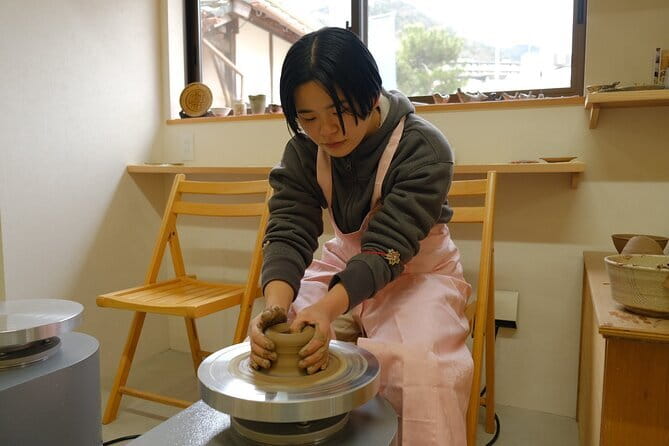
Clay gets personal here. In Arima Onsen, you shape a plate, tea bowl, or cup on an electric wheel with help from a professional potter who has more than 20 years of experience. I like the calm, focused process and the chance to use a glaze made with Arima Onsen mineral water. The main catch is that your finished piece takes about three months, and international shipping costs extra.
I also like that this is a private activity, so your group gets the potter’s attention instead of sharing the workshop with a crowd. The $52.02 price includes clay, equipment, and firing, which makes it fair for a hands-on craft session. You can make several pieces, but only one will be fired and finished, so you need to choose carefully.
Key points at a glance
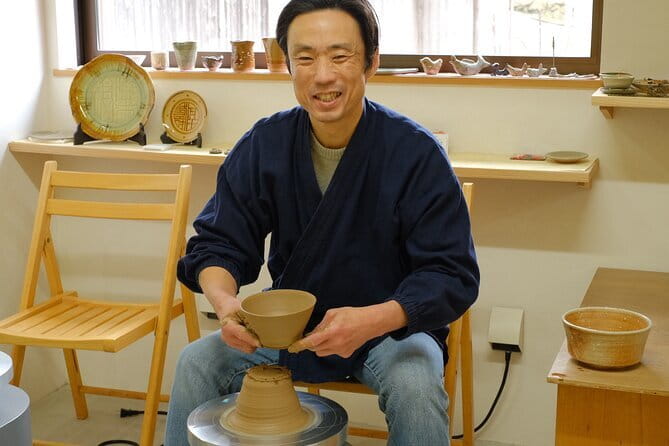
- Shape pottery on an electric wheel: Make a plate, tea bowl, or cup with direct guidance from an experienced potter.
- Beginner-friendly from the first step: You knead the clay before learning the basic wheel-throwing process.
- Choose an Arima-inspired glaze: One glaze uses the mineral-rich water from Arima Onsen.
- Private 90-minute session: Your group participates alone at the workshop near public transportation.
- Firing is included: The potter finishes your selected piece, with completion in about three months.
- A small keepsake comes with the experience: You receive a mini ceramic piece in addition to your own fired work.
Why pottery fits Arima Onsen so well
Arima Onsen is known for its natural hot springs, but the town is more than a place to soak and move on. Its small streets, traditional buildings, and craft culture give you reasons to slow down. This workshop adds a quiet, hands-on activity to a town that already encourages an unhurried pace.
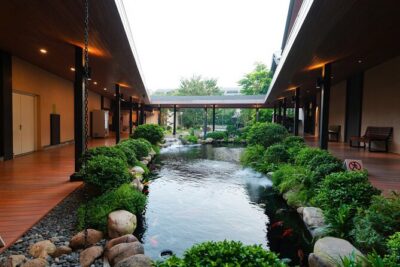
The experience takes place at 温馨窯光碧庵, located at 1114 Arimachō in Kobe’s Kita Ward. The workshop ends where it begins, so you do not need to arrange a second pickup point or find your way across town afterward.
A pottery wheel also gives you a different view of Japanese craft. You are not simply buying a finished bowl from a shop. You are handling the clay, watching it change shape, and making the small decisions that affect the final form. The result may not look factory-perfect, and that is part of the appeal.
One previous participant described the house as especially beautiful and found the pottery work almost meditative. That fits the nature of this activity. The wheel demands attention, but the task is simple enough that you can settle into it without needing artistic training.
More Onsen Tours in Japan:
- From Osaka: Himeji Castle, Arima Onsen & Mt. Rokko Day Tour
★ 4.6 · 339 reviews - From Tokyo: Private Tour to Fuji/Hakone – Onsen, Art, Nature
★ 5.0 · 116 reviews - Mt. Fuji, Hakone Private Tour from Tokyo – Onsen, Arts and Nature
★ 5.0 · 79 reviews
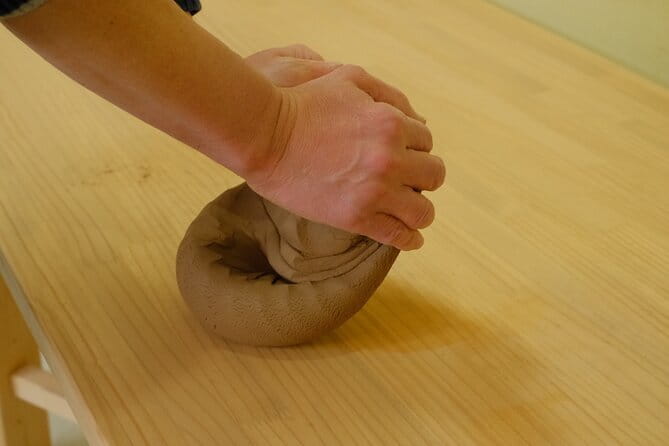
The first step: kneading the clay
The workshop begins with clay preparation. You knead the clay by hand before placing it on the wheel. This step may sound basic, but it matters because the clay needs the right consistency for shaping.
For you, kneading is also a useful introduction. You get a feel for how soft or firm the material is before dealing with the faster movement of the electric wheel. It takes away some of the mystery and gives you a physical connection to the process.
Do not expect a long classroom lecture before you start. The format is practical. You work with the clay, receive instruction, and learn by trying. The potter’s more than two decades of experience should be especially useful here, since beginners often need quick corrections with hand position, pressure, and balance.
If you have never touched a pottery wheel, the opening stage should help you settle in. If you already have some pottery experience, it gives you a chance to adjust to the clay and the workshop’s methods.
The electric wheel and your choice of vessel
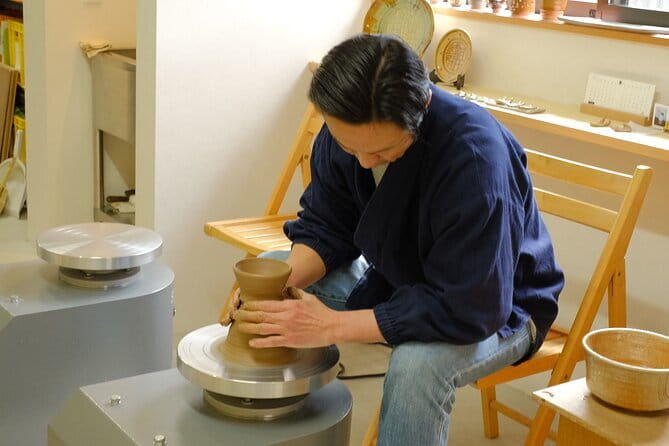
Once the clay is prepared, you move to the electric potter’s wheel. You can shape a plate, tea bowl, or cup. These forms offer different levels of challenge, so it is worth thinking about what you actually want to use at home before you begin.
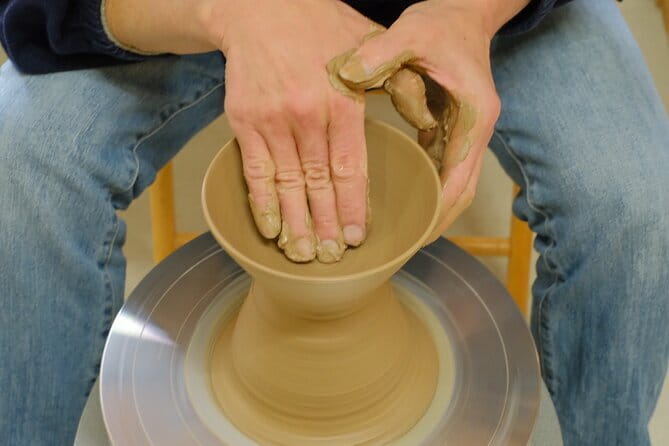
A cup or tea bowl requires attention to the walls and opening. A plate calls for a wider, flatter shape and careful control around the rim. Your choice is not only about appearance. It affects how the clay moves under your hands and how much control you need.
The potter guides you through the process. You are not expected to know how to center clay or pull up the walls on your own. That help is the key reason this works for first-timers.
You can try multiple pieces during the session. This is a generous feature, since your first attempt may be more about learning than making a usable object. Still, only one piece will be fired and finished. I suggest making a few attempts if time allows, then selecting the shape that best represents what you want to keep.
That rule also keeps expectations realistic. You are paying for a workshop, not a production line. The finished object is a souvenir of your time and effort, and small irregularities are likely to be part of its character.
A private session with focused instruction

This is a private activity, meaning only your own group participates. That can make a real difference at a wheel. Pottery involves messy hands, changing shapes, and frequent questions. You do not have to compete with a large class for help.
The professional potter has more than 20 years of experience, but the available information does not provide a personal name. You can expect instruction from the potter leading the workshop rather than from a large staff or rotating team.
The session lasts about one hour and 30 minutes. That is enough time for clay preparation, wheel work, and trying more than one piece if the group moves at a steady pace. It is not long enough for a full ceramics course, so you should arrive ready to work rather than expecting an extended lesson in Japanese pottery.
I see the short format as a strength for a day in Arima Onsen. You can fit the workshop around hot spring time, a meal, and a walk through town. It also avoids turning the activity into an all-day commitment.
A few more places to soak around Japan worth a look
- Hot Spring Dyeing Workshop in Beppu
★ 5.0 · 4 reviews - Marrakech Hammam, Massage & Berber Carpet Weaving Workshop
★ 4.6 · 48 reviews - Exclusive Culinary Workshop and Hammam Relaxation in Marrakech
★ 5.0 · 2 reviews
The Arima Onsen glaze choice
The glaze selection gives this workshop a local touch. You can choose from unique glazes, including one made with mineral-rich water from Arima Onsen.
Glaze changes the final color and surface of a ceramic piece, so this choice is part of the creative process. It also connects your bowl, cup, or plate to the place where you made it. The item is not just a generic pottery souvenir from Japan. It carries a small link to Arima’s hot spring water.
The potter handles glazing and firing after the workshop. You do not need to return for a second class, and you will not be asked to manage a kiln. That makes the process convenient, though it also means the final appearance will include an element you cannot control directly.
The glaze work is not part of the hands-on workshop itself. You shape the clay, then the potter takes over the technical finishing. If you want to learn every stage of ceramic production, this experience offers only an introduction. If you want to make something without spending a full day in a studio, the arrangement works well.
What you actually take home
You receive a mini ceramic piece as a keepsake. This is a nice touch because it gives you something connected to the workshop even while your main piece is being fired.
Your selected plate, tea bowl, or cup will be ready in about three months. International shipping is available for an additional fee, but the shipping charge is not included in the price.
That delay matters. You should not book this expecting to leave Arima Onsen with your main piece in your luggage. The mini piece is the immediate memento. The larger piece comes later, assuming you arrange shipping where needed.
For visitors living outside Japan, confirm the extra shipping cost before you commit. The workshop price covers the material, firing, and equipment, but not delivery. The final expense will therefore be higher if you need the pottery sent overseas.
The three-month wait can also make the souvenir more memorable. It becomes a delayed reminder of your time in Arima rather than something you simply pack at the end of the day.
What the $52.02 price includes

At $52.02 per person, the workshop is priced as a focused craft experience rather than a cheap drop-in activity. The fee includes material costs, equipment usage, and firing. Those inclusions matter because firing can otherwise become an extra charge after you have already made the piece.
You also receive expert instruction, a private session for your group, the chance to try multiple pieces, and a mini ceramic keepsake. For someone who wants to make a personal object in Arima, that is a reasonable package.
The price is less attractive if your main goal is a quick souvenir or a basic tourist activity. You could spend less on a ready-made cup or bowl. This workshop earns its value through the process, the private format, and the connection to local glaze materials.
I would also factor in shipping before booking. The listed price is not the full cost if you want the finished piece sent internationally. Still, with firing included, you are not paying the full amount and then discovering that the key finishing stage costs extra.
The activity is often booked about 19 days ahead, so planning early is sensible, especially if your dates in Arima are fixed. Confirmation arrives at booking, and free cancellation is available up to 24 hours before the start time. A cancellation inside that window is not refundable, and changes are not accepted then.
Location, timing, and practical preparation
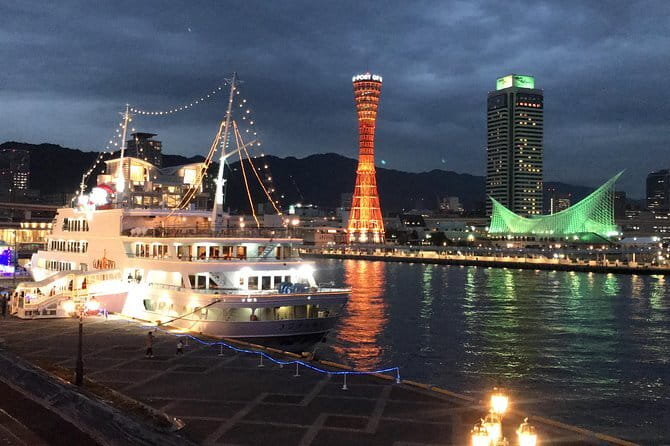
The workshop is at 温馨窯光碧庵, 1114 Arimachō, Kita Ward, Kobe, Hyogo 651-1401, Japan. It is near public transportation, which makes it easier to fit into an Arima day without arranging a private transfer.
The meeting point is also the ending point. I like this simple setup because pottery can leave you with clay on your hands and a little less attention for complicated directions.
Wear something that can tolerate contact with clay. The supplied information does not give a formal clothing requirement, but hands-on wheel work is not a polished, hands-off museum visit. Most people can participate, though people with long fingernails may find the activity difficult.
That fingernail warning is practical, not cosmetic. Long nails can interfere with shaping the clay and may make it harder to control the form. If you have long nails, consider trimming them before the session.
The workshop is suitable for most people, and no previous experience is needed. Because it is private, it can suit a couple, a family group, or friends who want to make something together without joining a large class.
Who will get the most from this workshop
I would recommend it most strongly if you like making things with your hands and want a slower activity during a visit to Kobe. It also suits anyone who prefers a personal souvenir to a shop-bought object.
You will likely enjoy it if you:
- Have never used a pottery wheel and want guided instruction
- Want a quiet activity in Arima Onsen
- Appreciate Japanese craft and imperfect handmade objects
- Like the idea of choosing a locally connected glaze
- Are comfortable waiting about three months for the finished piece
- Want a private experience for your own group
It may be less suitable if you need an immediate souvenir, dislike clay work, or have long fingernails that cannot be trimmed. It is also not the right choice if you want a full technical course covering glazing and kiln operation. The potter handles those stages for you.
Families and mixed-experience groups should find the beginner-friendly format useful. A first attempt may be uneven, but the workshop is designed around trying rather than proving artistic skill.
How to fit it into an Arima Onsen day
The 90-minute length makes this easy to place between other activities. You can visit the workshop, spend time in Arima’s hot spring town, and enjoy the natural hot spring setting that gives the area its character.
The pottery itself is best treated as a change of pace. After walking around town, the wheel gives you a reason to sit down and concentrate. After a soak, it can provide a creative activity that does not involve another attraction or shopping stop.
Allow enough time to reach the meeting point near public transportation. The experience ends back at the same address, so your day planning remains simple.
Since the workshop is booked an average of 19 days in advance, I would reserve it before your Arima visit rather than waiting until the day before. The activity requires a minimum number of participants, so a cancellation for that reason may result in a different date or a full refund.
Should you book this Arima pottery workshop?
Book it if you want to do more than look at Japanese crafts. For $52.02, you get a private, guided session, materials, equipment, firing, a small keepsake, and the chance to make a ceramic piece tied to Arima Onsen.
I especially like the private setting, the experienced potter, and the glaze made with Arima Onsen water. Those details give the session more meaning than a generic wheel lesson. The beautiful house and quiet, almost meditative rhythm add to the appeal.
Skip it if your schedule is too short to wait for the finished item, if international shipping makes the total cost uncomfortable, or if you want instruction in every stage of pottery production. For everyone else, this is a thoughtful way to spend 90 minutes in Arima, with a souvenir that carries your own fingerprints.
FAQ
How long does the pottery workshop last?
The workshop lasts approximately one hour and 30 minutes.
What can I make on the pottery wheel?
You can shape a plate, tea bowl, or cup on an electric potter’s wheel.
Do I need previous pottery experience?
No. The workshop is designed for beginners, and the potter provides guidance during the process.
Can I make more than one piece?
Yes, you can try multiple pieces. Only one piece will be fired and finished.
When will my finished pottery be ready?
Your finished piece should be ready in about three months. International shipping is available for an additional fee.
What is included in the price?
The price includes materials, equipment usage, and the firing fee. Shipping is not included.
Just added around Japan
- Japanese Head Onsen and Scalp Massage Retreat in Tokyo★ 4.5 · 2 reviews
- Mt Fuji Small Group 1 Day Tour Kawaguchi and Yamanaka with Pickup★ 5.0 · 4 reviews
- Tokyo Local Tattoo Friendly Public Bath Experience★ 5.0 · 4 reviews
- Mt. Fuji Tours to Lake Kawaguchi and Yamanaka Onsen English Guide★ 4.5 · 4 reviews
- Mt. Fuji to Lake Kawaguchi, Lake Yamanaka and Onsen Day Tour★ 4.5 · 3 reviews
- Onsen Spa in Tokyo and Asakusa Bar Hopping with Local Guide★ 5.0 · 3 reviews
- Tattoo-friendly open-air Onsen & drink★ 5.0 · 25 reviews
- Private Tour to Snow Monkey, Zenkoji Temple & Hot Springs Nagano★ 4.0 · 2 reviews
Japanese Onsen Tours, compared.
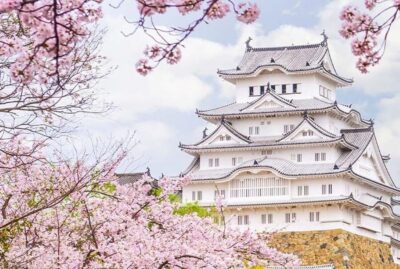
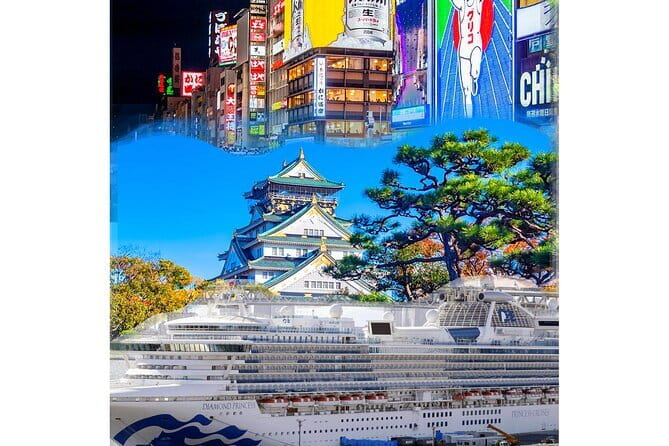
Himeji Castle, Arima Onsen & Mt. Rokko Day Tour
Read our review →
Private Tour to Fuji/Hakone – Onsen, Art, Nature
Read our review →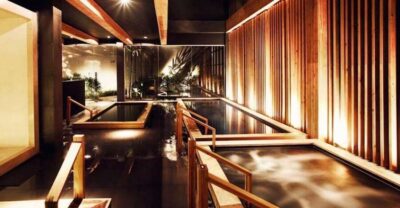
All-Day Pass to Yunomori Sathorn Onsen Bath and Spa
Read our review →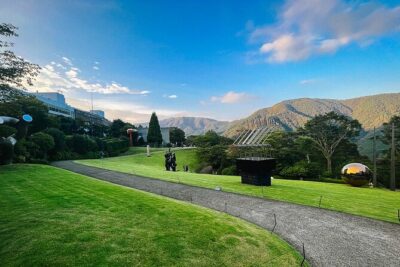
Mt. Fuji, Hakone Private Tour from Tokyo – Onsen, Arts and Nature
Read our review →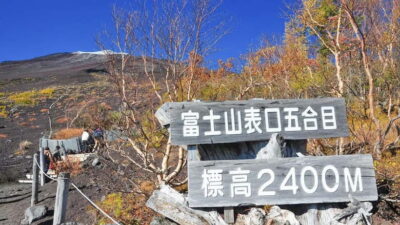
From Fukuoka: Mount Aso, Kurokawa Onsen, and Shrine Tour
Read our review →
Private Nagano 1-Day Tour:Snow Monkeys,Zenko-ji,Obuse,Sake,Onsen
Read our review →Browse the lists this tour appears in