
Review · HOT SPRING DAY TRIPS
Osaka: Nara and Uji Day Trip with Deer Park and Hot Spring
The deer are only the beginning. This 10-hour trip packs Nara’s temples and free-roaming deer together with Uji’s matcha streets and a Japanese hot spring, making it an efficient day out from Osaka. I especially like the mix of wildlife, major cultural sights, local food, and bathing culture. The main catch is time: you see a lot, but you will not linger long at every stop.
I also like that transport is handled by a guide and driver, so you avoid working out the train connections between Osaka, Nara, and Uji. Guides such as Etta, Lucia, Watson, and Nick Lee have been praised for clear explanations, humor, and practical help. Still, the shared coach can feel compact, and traffic or a slow-moving group may shorten your time at a temple or the hot spring.
The day in five memorable pieces
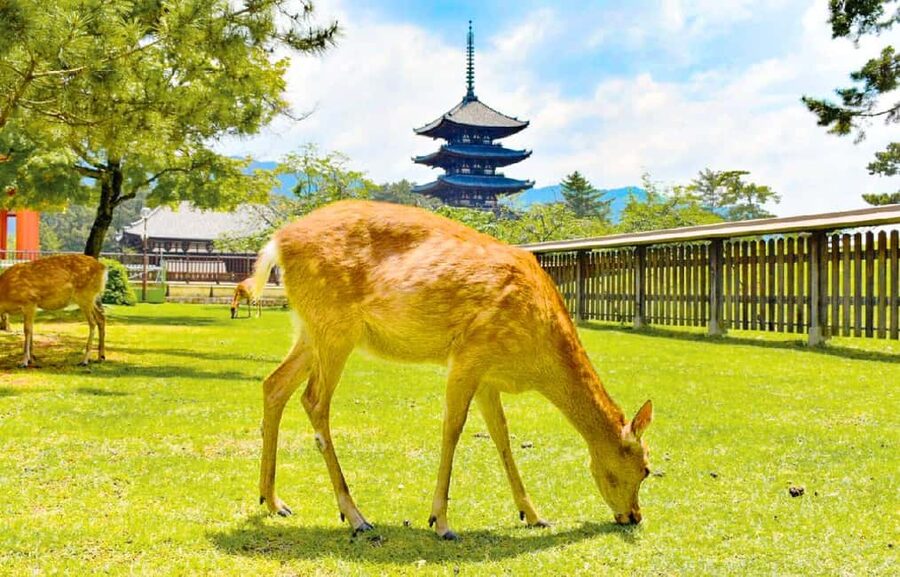
- Feed deer in Nara’s maple forest: Your complimentary pack of deer crackers brings the park’s famously eager deer straight to you.
- See the Great Buddha at Todai-ji: This landmark temple gives you one of Japan’s most impressive indoor religious sights.
- Walk through Kasuga Taisha: Bronze and stone lanterns line the approach to one of Nara’s most important Shinto shrines.
- Taste your way through Uji: Matcha ice cream, cakes, souvenirs, and even green tea soba fill the streets near Byodo-in.
- Finish at Genji no Yu: Three indoor baths and one outdoor bath offer a quiet end to a long sightseeing day.
- Expect a full schedule: The tour costs $57 per person, but temple and hot spring admission, food, and drinks cost extra.
Starting in Osaka and riding south
The meeting point is Harimaya Building at 1-chōme-3-11 Nipponbashi, in the Namba and Shinsaibashi area. Departure is at 8:40 a.m., and you should arrive at least 15 minutes early. Look for the guide holding a yellow flag.
That early start matters. Nara and Uji are close enough to visit from Osaka, but fitting both into one day requires a firm schedule. The first coach ride takes about 70 minutes, and the return trip is listed at roughly 80 minutes. I see the bus time as useful: it gives you a chance to rest, hear background information, and avoid changing trains with a group.
The vehicle has air conditioning, and the price includes round-trip transportation, parking, taxes, the driver, and the guide. On the other hand, Japanese tour vehicles often have compact seating, so you should not expect a roomy coach. If fewer than 13 people join, the guide may also drive, which means explanations will be more basic.
This is a multilingual group tour in English, Japanese, and Traditional Chinese. That makes it useful for mixed-language groups, though explanations may take longer and the experience will not feel like a private tour. Keep your day open after the return. Traffic and weather can change the schedule.
More Hot Spring Day Trips in Japan
- From Osaka: Himeji Castle, Arima Onsen & Mt. Rokko Day Tour
★ 4.6 · 339 reviews - Tokyo: Mount Fuji 5th Station & Onsen Day Trip
★ 4.3 · 75 reviews - Private Nagano 1-Day Tour:Snow Monkeys,Zenko-ji,Obuse,Sake,Onsen
★ 5.0 · 71 reviews
Nara Park and the deer crackers
Nara Park is the emotional center of the day. It spreads around the base of Wakakusa Mountain and contains several of Nara’s biggest sights, including Todai-ji and Kasuga Taisha. The itinerary gives you about two hours in the park area, including sightseeing at the temple and shrine.
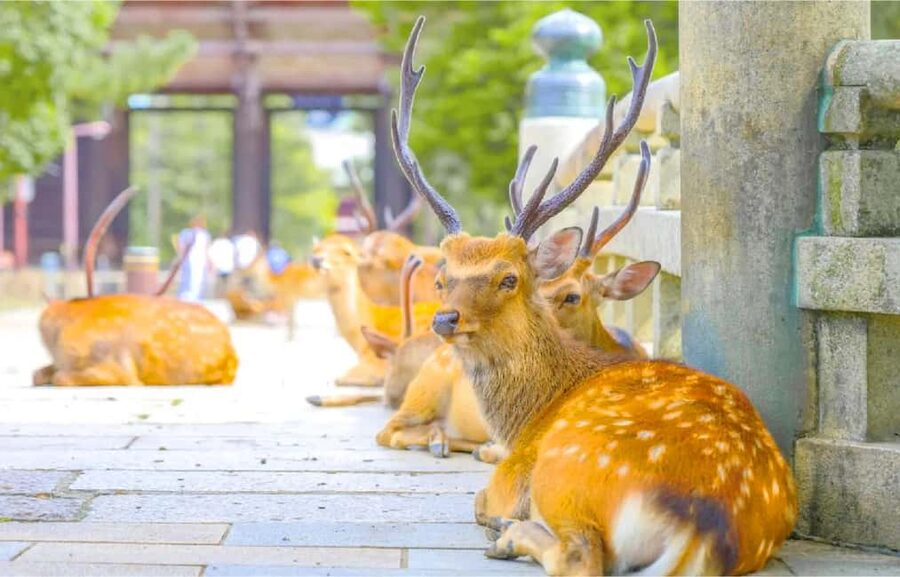
Your guide provides a complimentary pack of deer crackers, known locally as shika senbei. The deer are accustomed to people and may approach as soon as they see the crackers. That makes for an easy photo opportunity, but do not mistake their friendliness for complete calm. Groups of deer can get excited, especially when several people are holding food.
I suggest keeping the crackers together until you are ready to feed them. Bowing to the deer can be fun, but your main job is to stay aware of the animals around you. Once the crackers are gone, show your empty hands so the deer understand the snack service has ended.
The park is not a small viewing enclosure. You will walk between open areas and the major sights, and the parking lot may be some distance from the scenic spots. Comfortable shoes are essential. The deer portion is ideal for families, first-time visitors to Japan, and anyone who wants a memorable experience without arranging a separate trip from Osaka.
Todai-ji and the Great Buddha
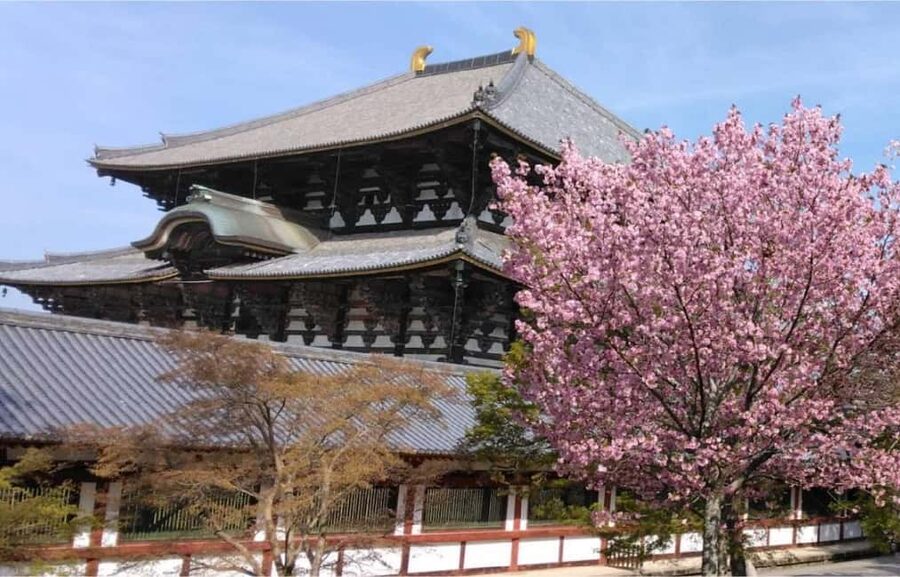
Todai-ji is the heavyweight cultural stop. The temple is home to the Great Buddha of Nara, one of Japan’s most famous religious images. The scale of the temple and the statue gives this visit a different mood from the playful deer park outside.
Admission is not included, so budget separately for entry. Your guide can help you reach the site and explain the main points, but this is still a shared tour. You will have time to see the Buddha and explore, yet you should not expect the relaxed pace of a private temple visit.
The practical tradeoff is clear. The tour lets you see Todai-ji without handling local transport, but you may wish for more time once you are inside. One person specifically found the overall schedule a little tight, especially when walking, paying admission, and seeing each site all take time. I agree that you should decide in advance which parts matter most to you.
If the Great Buddha is your top priority, go straight there with the group and save casual browsing for later. Nara offers plenty more to see, but this is the stop that gives the day its strongest sense of scale.
Kasuga Taisha and the lantern-lined approach
Kasuga Taisha brings a quieter Shinto atmosphere to the Nara portion. The shrine is known for its thousands of bronze and stone lanterns, which create a distinctive approach through the wooded park.
I like the contrast between the deer encounter and the shrine. At Nara Park, the animals provide the comic relief. At Kasuga Taisha, the focus shifts to ritual, architecture, and the repeated forms of the lanterns.
Time is again the limit. The schedule combines Nara Park, Todai-ji, and Kasuga Taisha, so you should listen closely when the guide gives a meeting time. Guides praised for keeping groups organized, including Etta and Watson, can make a real difference here. A late return by one person can reduce everyone’s time in Uji.
Same water, a different kind of day:
- From Tokyo: Private Tour to Fuji/Hakone – Onsen, Art, Nature
★ 5.0 · 116 reviews - Mt. Fuji, Hakone Private Tour from Tokyo – Onsen, Arts and Nature
★ 5.0 · 79 reviews - From Fukuoka: Mount Aso, Kurokawa Onsen, and Shrine Tour
★ 4.6 · 72 reviews - Tokyo: Mt Takao Tour with Ramen and Tattoo-Okay Hot Spring
★ 5.0 · 69 reviews
Uji’s matcha streets and riverside mood
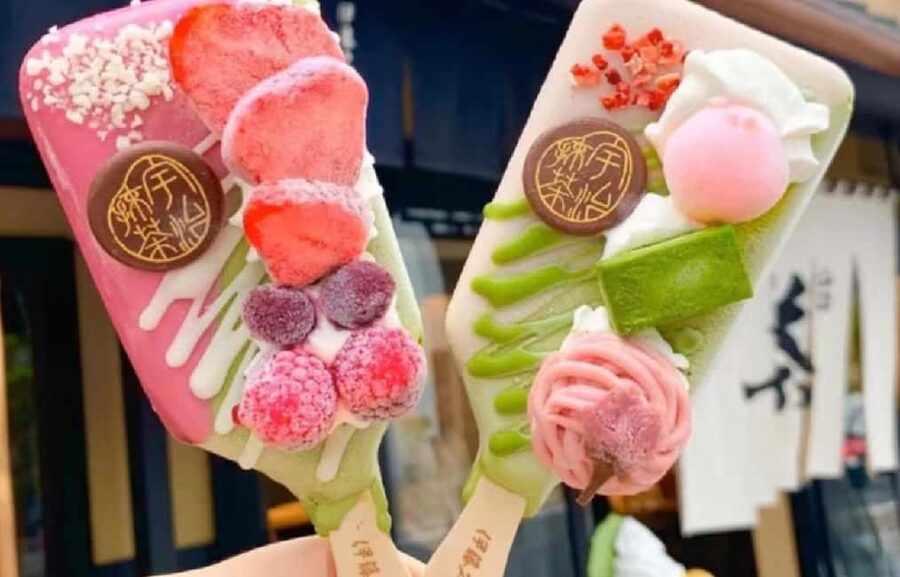
Uji is a strong second act because it changes the pace and flavor of the day. The area is famous for matcha, and the streets near Byodo-in offer matcha ice cream, cakes, drinks, souvenirs, and green tea soba noodles.
You get about 90 minutes in Uji, which is enough for a focused wander and a snack, but not enough to sample everything. I would choose one food stop before shopping so you do not spend the whole visit deciding what to try. Vegetarian soba and matcha ice cream were singled out as worthwhile choices.
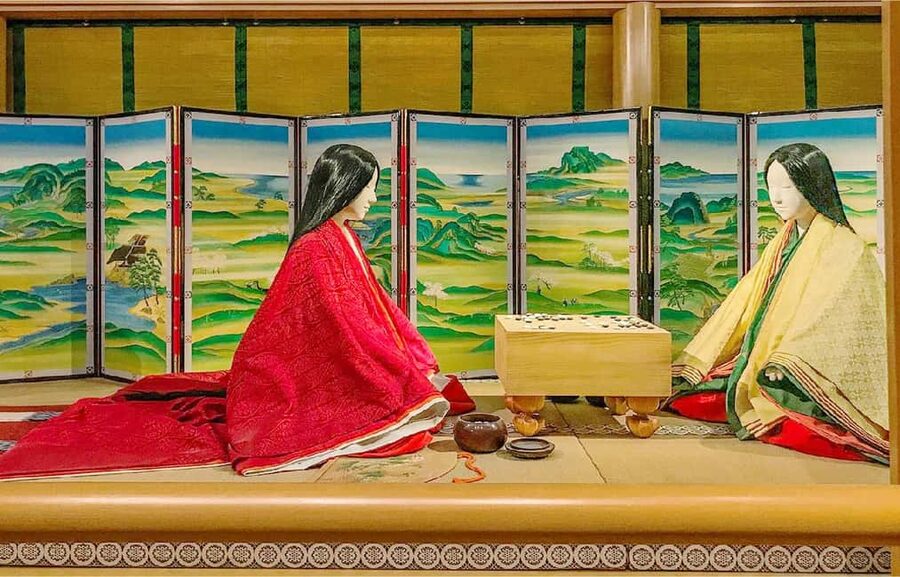
Uji also has a literary connection. The final ten chapters of The Tale of Genji are set in the area, giving the town a link to one of Japan’s best-known classical novels. You do not need to know the book to enjoy Uji, but the connection adds meaning to the streets and museums.
This is one of the more independent parts of the tour. The guide can point you toward the matcha street and meeting place, then you can choose what interests you. One particularly useful feature is that some guides send locations and food suggestions by WhatsApp, which can help you find your way during the free period.
Byodo-in or the Tale of Genji Museum

The Uji portion includes the chance to see Byodo-in Temple and its Omotesando approach, or visit the Tale of Genji Museum. The exact choice should be confirmed with your guide because the day’s timing and admissions affect what fits.
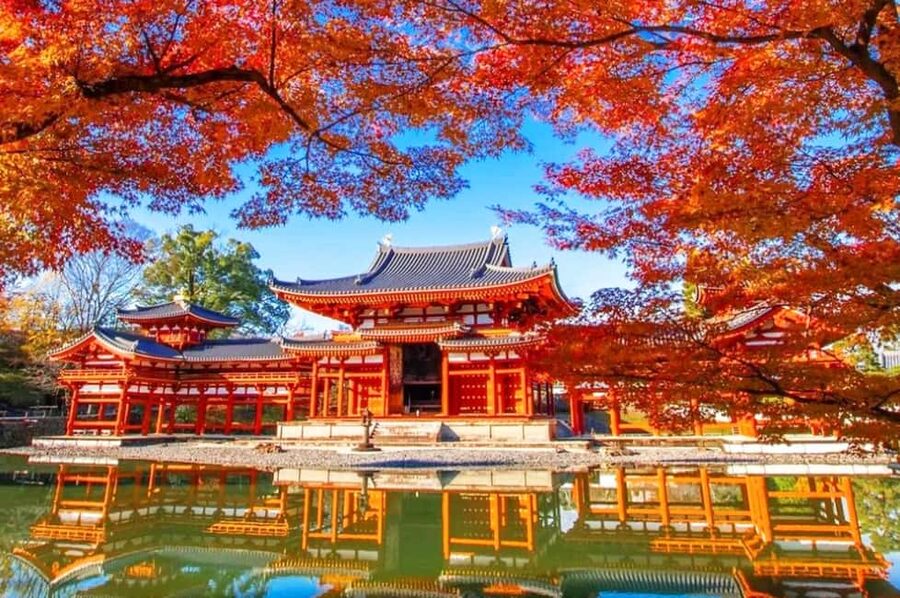
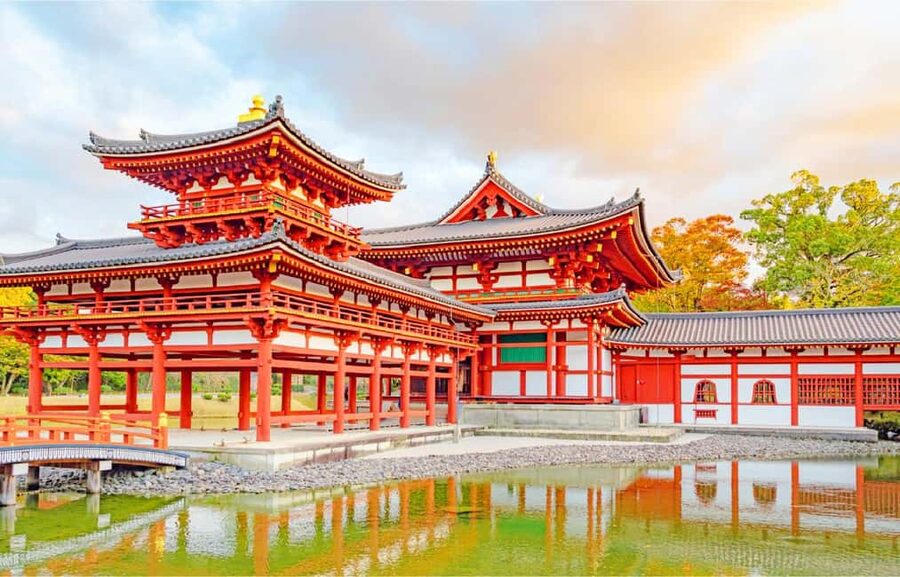
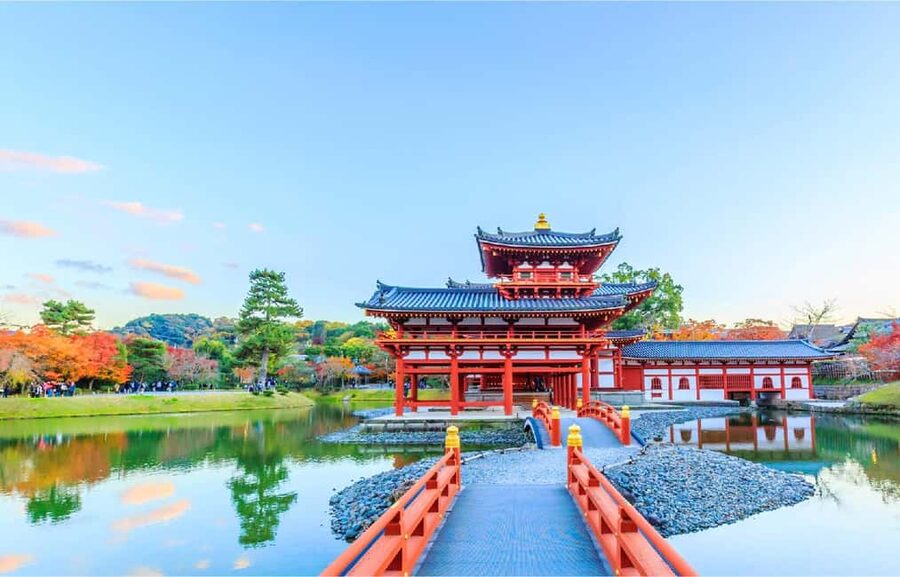
Byodo-in is known for its Heian-era pond garden design. It is one of the most recognizable sights in Uji and gives you a strong architectural counterpoint to Todai-ji in Nara. Admission is extra, and you will need to account for the time required to walk through the grounds.
The Tale of Genji Museum offers a different kind of visit. Its multimedia displays and high-definition visuals present the story and appeal of the novel in an accessible way. I would favor the museum if you enjoy literature, Japanese culture, or indoor exhibits. Byodo-in makes more sense if you want a famous temple and garden.
Trying to do both can make Uji feel rushed. The tour works best when you pick one main attraction, then use the remaining time for matcha and the streets around it.
Genji no Yu, a traditional bathing finish
The final major stop is Genji no Yu, described as Uji’s only natural hot spring. The water is drawn from 1,111 meters underground, and the facility includes three indoor baths and one outdoor bath.
After a day of walking, the hot spring is a smart finish. The bathing experience is quiet and simple, with traditional Japanese design rather than a western-style swimming pool atmosphere. You will bathe without clothing, and swimwear is not permitted.
Tattoos require special attention. You may not be admitted if you have one, so ask the tour provider or guide about the current rule before booking. One participant had to skip the hot spring because of tattoos, while others considered it one of the best parts of the day. That makes this stop a major value point for some people and a nonstarter for others.
The listed bathing time is about one hour. That is enough for a proper soak, but not for using every service the facility may offer. If the hot spring is your main reason for booking, move promptly through the earlier stops and follow the guide’s return instructions.
What the $57 price really covers
At $57 per person, this is good value if you want to combine Nara and Uji in one day. The fee covers transportation from Osaka, the driver, guide service, air conditioning, parking, and taxes. Recreating the route independently would require separate train planning, local transfers, and careful timing.
The price does not include meals, drinks, Todai-ji admission, Byodo-in admission, or the onsen fee. Those extras are not surprising, but you should keep money available for them. Food in Uji is part of the fun, so I would not treat meals as an avoidable cost.
The tour is especially good value for a first visit to Osaka. It removes the stress of navigating two destinations while still leaving you some personal time in Uji. It is less suitable if you prefer slow temple visits, long photography stops, or a private guide.
Guides, group rhythm, and practical comfort
The strongest praise has gone to the guides. Etta receives repeated credit for energy, humor, clear English, useful recommendations, and keeping the group on time. Lucia, Watson, Nick Lee, Jessica, Liao, and others are also praised for being friendly, responsive, and helpful.
That matters on a long shared excursion. A good guide can turn a tight schedule into a manageable one by explaining the next stop during the bus ride and giving precise meeting instructions. You should still expect different guide styles, since the tour operates with a rotating team.
Wear walking shoes. The parking area may sit away from the sights, and Nara’s park and temple grounds require time on foot. Bring water and a small bag for purchases, but do not count on a leisurely sit-down meal unless the guide’s timing allows it.
The tour has earned a 4.4 rating from 302 reviews, which fits the overall picture: excellent guide service and a well-chosen route, balanced by the normal limits of a packed group day. Rain can also reduce the pleasure of Uji and the park, so a light rain layer is sensible.
Who should book this day trip?
I would book this tour if you are staying in Osaka and want to see Nara’s deer, Todai-ji, Uji’s matcha culture, and a hot spring without arranging the connections yourself. It is also a strong choice for first-time visitors, families, and couples who like variety more than a single slow-paced attraction.
I would think twice if you have tattoos and the hot spring is essential, unless you confirm the entry policy first. I would also choose a Nara-only or Uji-only outing if you want hours inside each temple or museum.
For most people, the appeal is the combination: deer in the morning, major religious sights, matcha in the afternoon, and a hot bath before returning to Osaka. Just arrive early, wear good shoes, choose your priority attraction in Uji, and keep your evening free.
FAQ
Where does the tour meet in Osaka?
The meeting point is Harimaya Building at 1-chōme-3-11 Nipponbashi, Chuo Ward, Osaka, in the Namba and Shinsaibashi area.
What time does the tour depart?
Departure is scheduled for 8:40 a.m. You should arrive at least 15 minutes early.
How long is the tour?
The full experience lasts about 10 hours, including the coach journeys between Osaka, Nara, and Uji.
Are deer crackers included?
Yes. You receive a complimentary pack of deer crackers for feeding the deer in Nara Park.
Are admission fees included?
No. Admission to Todai-ji, Byodo-in Temple, and the Uji hot spring is not included in the tour price.
Are meals and drinks included?
No. Meals and drinks are at your own expense, including food and matcha treats in Uji.
Can I enter the hot spring if I have a tattoo?
You may not be able to enter if you have a tattoo. Confirm the current policy before booking.
Can I wear a swimsuit in the hot spring?
No. The hot spring requires nude bathing, and clothing is not allowed in the baths.
What languages are available?
The live guide service is available in English, Japanese, and Traditional Chinese.
Just added around Japan
- Japanese Head Onsen and Scalp Massage Retreat in Tokyo★ 4.5 · 2 reviews
- Mt Fuji Small Group 1 Day Tour Kawaguchi and Yamanaka with Pickup★ 5.0 · 4 reviews
- Tokyo Local Tattoo Friendly Public Bath Experience★ 5.0 · 4 reviews
- Mt. Fuji Tours to Lake Kawaguchi and Yamanaka Onsen English Guide★ 4.5 · 4 reviews
- Mt. Fuji to Lake Kawaguchi, Lake Yamanaka and Onsen Day Tour★ 4.5 · 3 reviews
- Onsen Spa in Tokyo and Asakusa Bar Hopping with Local Guide★ 5.0 · 3 reviews
- Tattoo-friendly open-air Onsen & drink★ 5.0 · 25 reviews
- Private Tour to Snow Monkey, Zenkoji Temple & Hot Springs Nagano★ 4.0 · 2 reviews
Hot Spring Day Trips, compared.
Krakow to Zakopane: Funicular, Tasting and Thermal Baths Day Trip
Read our review →
Zakopane Snowmobiles, Bonfire & Hot Springs Day Tour
Read our review →
Golden Circle Day Tour with optional Blue Lagoon
Read our review →
Browse the lists this tour appears in