
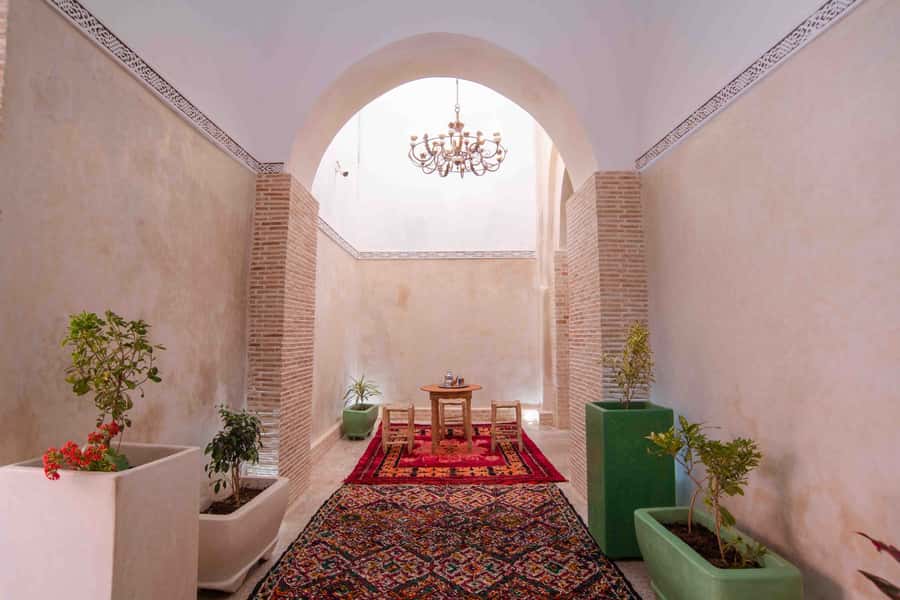
Review · TURKISH BATH & HAMMAM TOURS
Marrakech: Authentic Moroccan Hammam Experience in Mouassine
Prepare to get properly scrubbed. Hammam Mouassine offers a real Moroccan bathhouse ritual inside a building dating to 1562, not a polished hotel spa with rose petals and soft music. I like its local feel and the chance to share a tradition still used by Moroccan residents, while the low $25 price makes it an excellent value. The main drawback is comfort: you sit or lie on mats, undress more than some visitors expect, and may find the rooms damp, dim, and basic.
I also like the friendly staff, who guide you with gestures when English or French is limited, and the dramatic before-and-after feeling of freshly scrubbed skin. Go in ready for a vigorous treatment, public surroundings, and a little uncertainty. This is best for you if authentic matters more than luxury.
Key things to know before entering Hammam Mouassine
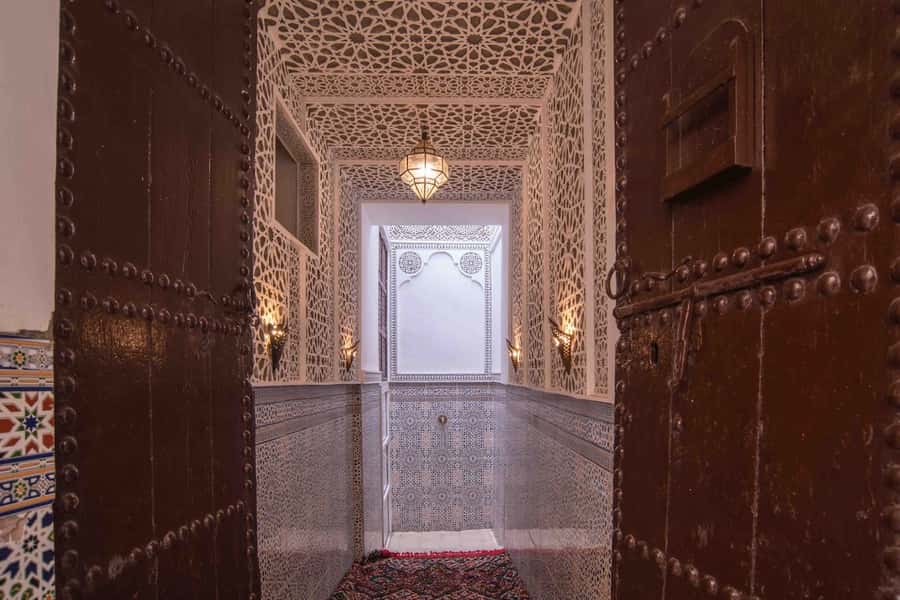
- The building dates from 1562 to 1563: The hammam was built during the Saadian period under Sultan Abdellah al Ghâlib and retains its old Islamic architectural character.
- This is a working bathhouse, not a resort spa: You may share the space with local women, and the treatment takes place on mats with buckets, water, black soap, and a kessa glove.
- The scrub is vigorous: A kassal, or hammam attendant, works over your skin with black soap and a rough exfoliating mitt.
- Women and men use separate areas: The women’s hammam and men’s hammam are next door but operate separately.
- Bring modest swimwear, but expect changing rules: The official advice is to bring shorts or swimwear. In practice, many women wear only bikini bottoms, underwear, or nothing.
- You keep the new kessa glove: The glove used for your scrub is included, along with towels, soap, shampoo, Ghassoul, and mint tea.
What makes the 1562 hammam special
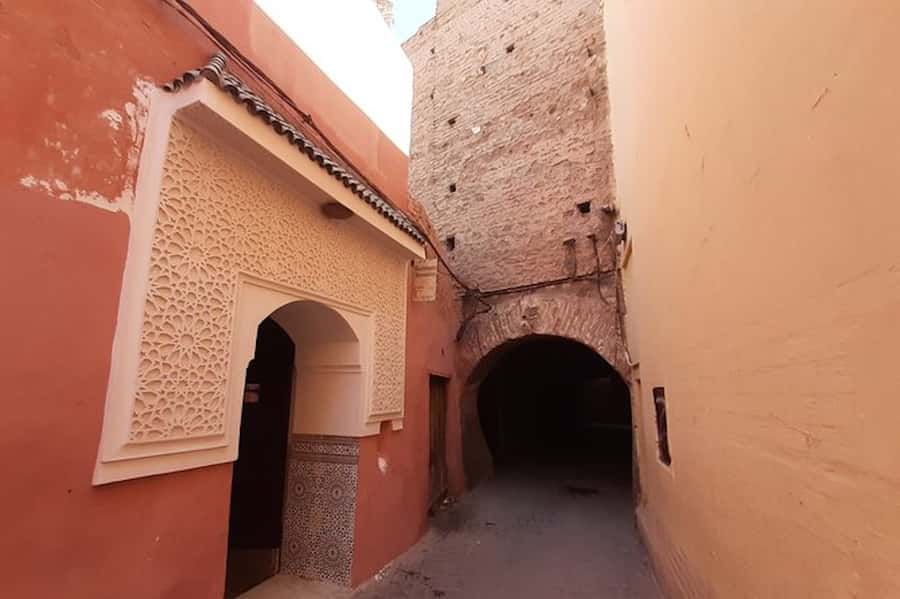
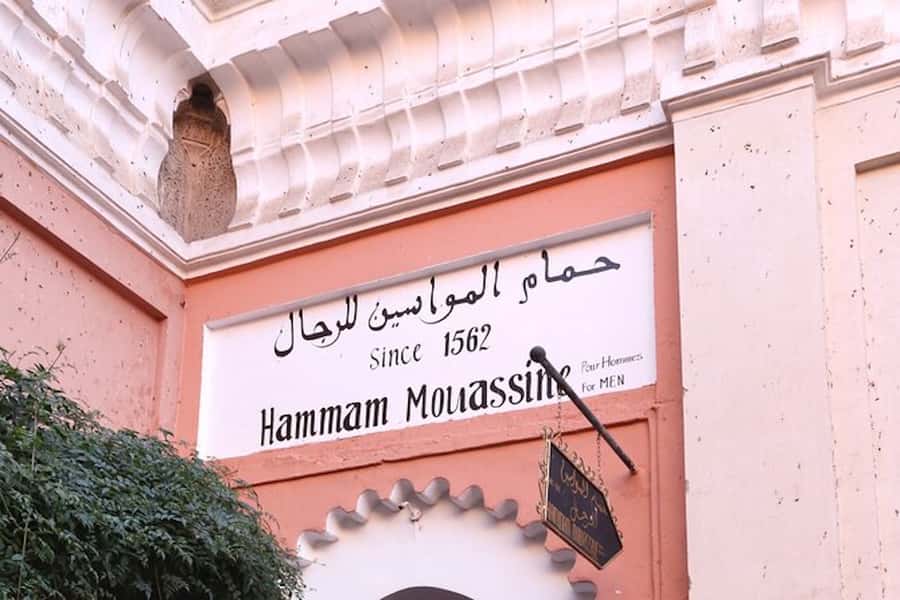
Hammam Mouassine was built between 1562 and 1563 during the Saadian period. That age matters because you are not simply visiting a modern treatment room decorated with Moroccan tiles. You are entering an old public bathhouse with a practical role in local life.
The building is known for its Islamic architectural design, but do not expect a museum tour or a formal history talk. The point is to use the hammam, not admire it from behind a rope. Some parts may feel dim and worn, and one report noted damp and mold in places. That is part of the trade-off.
The $25 price is unusually strong for the experience you receive. It covers the scrub, black soap, kessa glove, towels, natural Ghassoul clay, shampoo, soap, and a glass of mint tea. You are paying for a traditional treatment in an old neighborhood bathhouse, not for a long list of luxury extras.
I would judge the value by your expectations. If you want a clean, calm room with robes, private showers, scented oils, and lounge chairs, this is not the best match. If you want to understand a familiar Moroccan custom from the inside, the price is easy to justify.
More Turkish Baths and Hammams in Marrakesh
- Marrakech: Spa Massage and Steam Hammam with Pickup
★ 4.6 · 2,873 reviews - Marrakech: 2-Hour Traditional Moroccan Hammam Experience
★ 4.5 · 2,653 reviews - Marrakech: Traditional MRC Hammam and Massage with Argan Oil
★ 4.0 · 1,202 reviews
Finding the entrance in the Mouassine lanes
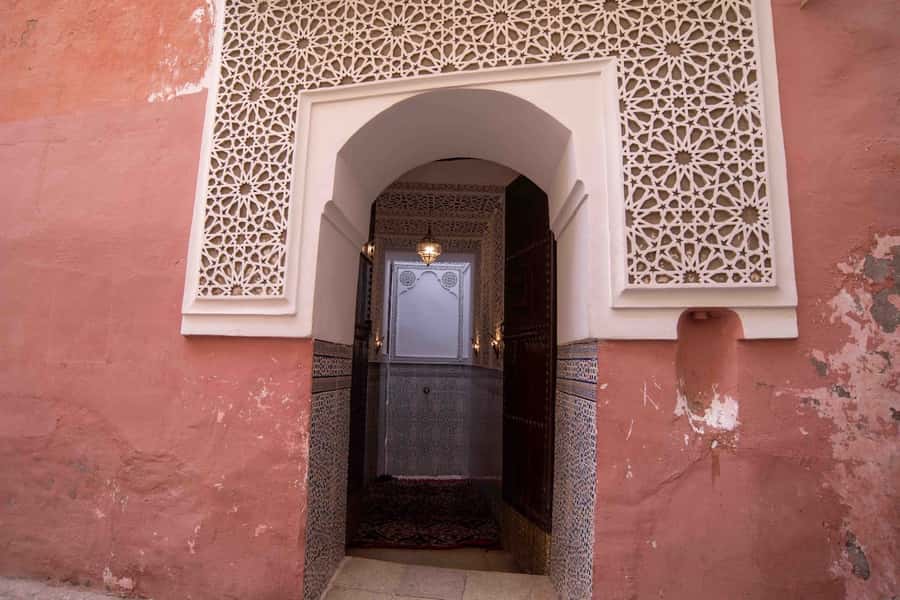
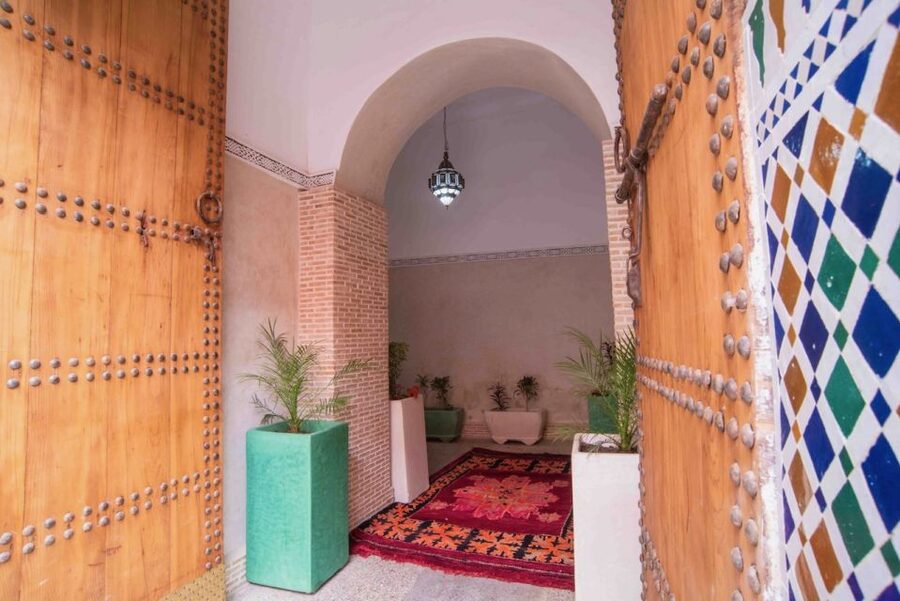
Hammam Mouassine is in the Mouassine area of Marrakech, and the meeting point is the hammam itself. The narrow lanes can make the entrance hard to spot, especially if you are approaching from the medina without a good sense of direction.
One visitor described the women’s entrance as being down a narrow, dark alley. That does not mean the experience is unsafe, but it does mean you should allow extra time to find the door and avoid arriving flustered. The men’s section is next door, so couples can attend around the same time but will not bathe together.
At reception, staff provide basic instructions and help with the next step. Once inside, you hand over your belongings for storage, receive towels and slippers, and prepare to change. Communication may rely on simple French, Arabic, or hand signals. That is usually enough, but do not expect a detailed English explanation from the attendant who performs your treatment.
This is a good place to learn a few simple Arabic greetings. One solo visitor found that saying hello and asking how someone was helped create a warmer connection, especially when language was limited.
The first stage: heat, black soap, and preparation
The treatment begins with heat and water. Traditional hammams use warm, humid rooms to soften the skin before exfoliation. You may sit on a mat on the floor, and the rooms can feel hot and cavernous rather than cozy.
The attendant applies natural black soap, also called beldi soap, often mixed with herbs. This dark, soft soap helps prepare the skin for the rough exfoliating glove. The process is practical and direct, with little ceremony.
The official treatment is available in a 35-minute or 45-minute Beldi Formula. The precise pace may vary depending on the number of people being treated and the attendant’s routine. You are not moving through a private appointment with a clock and a playlist. You are part of an active bathhouse.
If you are shy, this is the moment when the experience may feel most outside your comfort zone. Many women arrive expecting to keep a full swimsuit on, then discover that local bathing customs are more relaxed about nudity. You can bring swimwear, but be ready for the attendant to gesture that less clothing is practical.
The important point is consent and comfort. You should not feel pressured to do anything you are not comfortable with. At the same time, the traditional setting is not designed around private changing cubicles and personal space, so modesty expectations may differ from those at home.
The vigorous kessa scrub
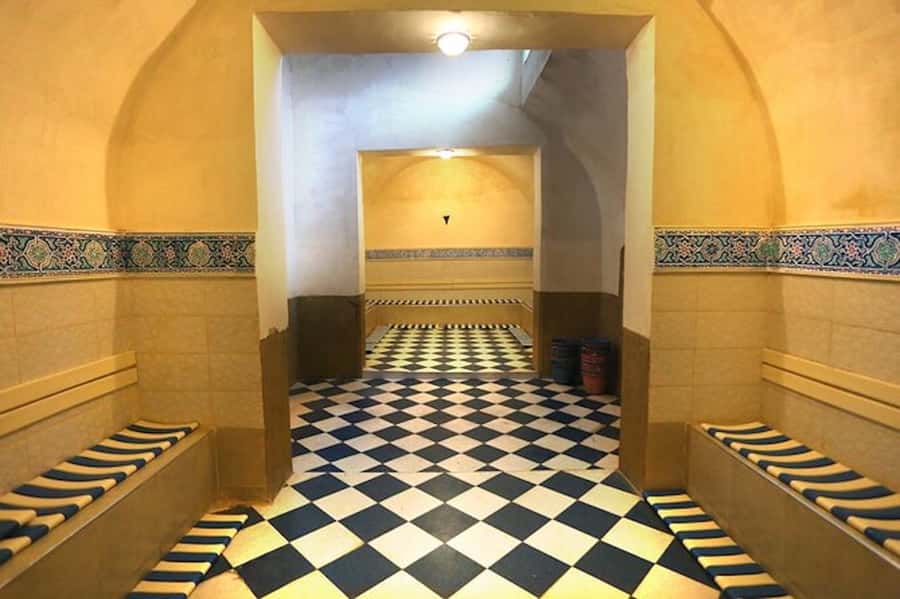
The famous part of the treatment is the kessa scrub. The attendant, known as a kassal, uses a rough exfoliating mitt to remove softened dead skin. This is not a light back rub. It can feel surprisingly firm, especially on the back, arms, legs, and feet.
The scrub is done while you sit or lie on a small mat. To clean your back, you may lie face down close to the floor. The position can feel awkward, but it allows the attendant to work across the whole body.
The glove is new for your treatment and included in the price. You get to keep it, which is a useful souvenir and a practical reminder of the ritual. Do not use it immediately on sensitive or irritated skin at home. The point here is strong exfoliation, not gentle polishing.
Several visitors described leaving with exceptionally soft skin. That result is the main reason I would choose this hammam over a decorative spa treatment. The scrub reaches areas that a standard hotel treatment might skip, but that thoroughness can feel intense.
Tell the attendant if the pressure is too much. Language may be limited, but gestures are easy to understand. You can also use a simple word such as shwaya, meaning a little, along with a hand signal to ask for less pressure.
More Turkish Baths and Hammams in Morocco
- Mouassine the real traditional Moroccan Hammam
★ 4.5 · 437 reviews - Marrakech: Hammam & Relaxing Massage – Spa Relaxation
★ 4.2 · 381 reviews - Marrakech: Souk Tour & Berber Hammam with Massage
★ 4.6 · 166 reviews - Marrakech: Traditional Moroccan Hammam with Argan Black Soap
★ 3.8 · 120 reviews
Ghassoul clay and the warm waiting room
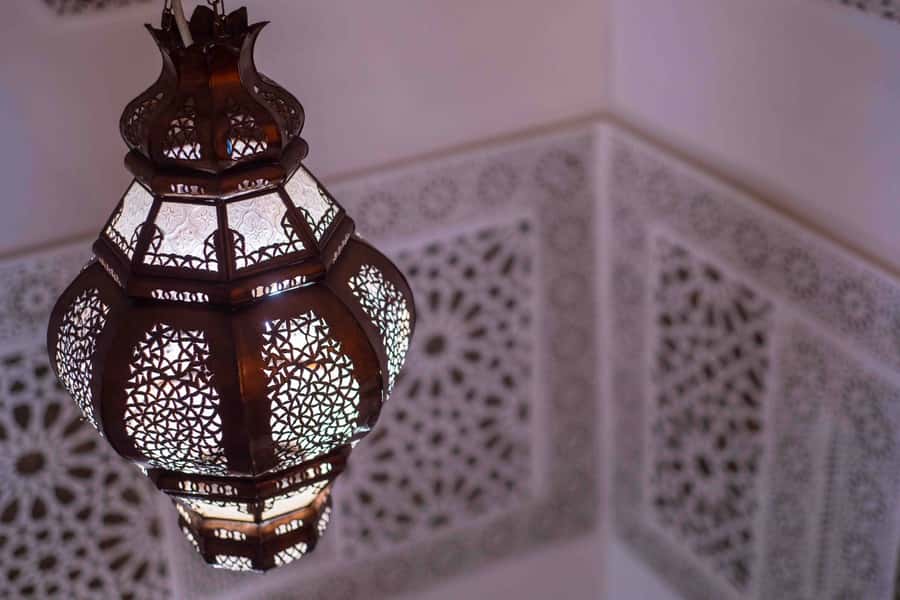
After exfoliation, the Beldi Formula includes natural Ghassoul with herbs. Ghassoul is a mineral clay traditionally used in Morocco for cleansing and purifying the skin. In this treatment, it is applied as a body wrap for women.
The clay stage is less active than the scrub. You may sit or lie in a warm, humid room while the product works on your skin. This is not a silent relaxation lounge, and other people may be nearby, but the heat gives you a chance to slow down.
The combination can feel odd at first: strong scrubbing, clay, warm air, and people moving around you. Then the treatment begins to make sense. It is a wash and cleansing ritual rather than a beauty treatment built around scented candles.
Some reports note basic seating and poor drainage, with water and loosened skin collecting on the floor. This is worth understanding before you book. Good hygiene standards matter to you, you may prefer one of Marrakech’s newer hammams instead.
Rinsing, hair washing, and mint tea
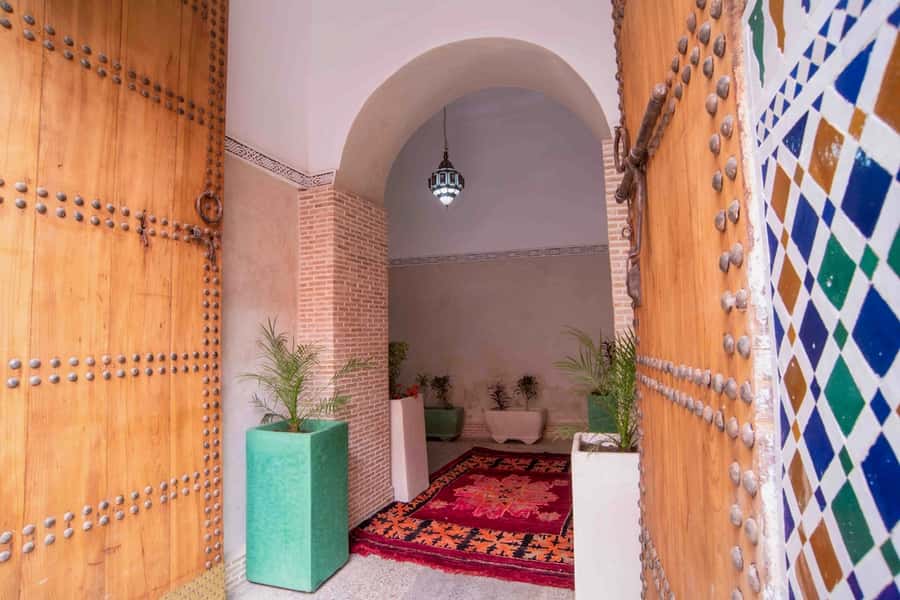
After the clay and warm-room stage, the attendant rinses you with buckets of water. You may be directed to sit or stand by hand gestures, especially if the attendant does not speak your language.
The service includes shampoo and soap, and hair washing may be part of the final rinse. If you have curly, coiled, or textured hair, bring your own shampoo if you want your hair washed. One visitor found that the available product was not suitable for that hair type.
The final step is drying off and receiving a glass of Moroccan mint tea. This small detail matters because the tea gives the experience a gentle finish after the heat and physical scrub. Still, the tea service may not be perfectly consistent, so I would treat it as an included benefit rather than the main reason to book.
You may leave feeling clean, loose, and unusually refreshed. The effect is less about luxury and more about the satisfaction of having been thoroughly washed. Several people described the result as baby-soft skin, which is exactly the kind of outcome this treatment is designed to produce.
What the atmosphere is really like
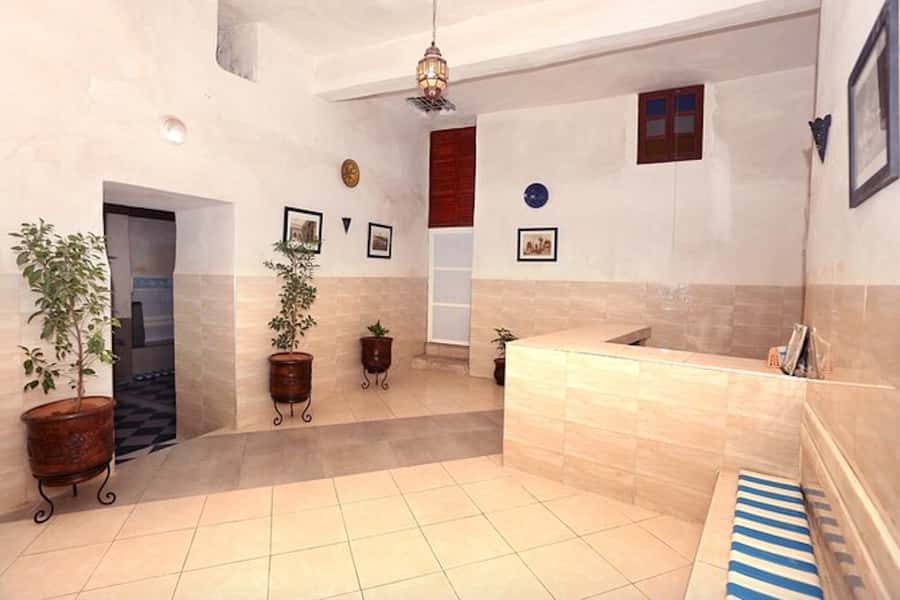
The women’s section is used by both local women and international visitors. That mix helps explain why the experience feels social rather than private. Staff may chat or laugh with one another while working, and you may hear singing during a quieter visit.
One solo visitor who arrived around 6:30 in the evening found herself alone in the bathhouse for a while and heard the women singing in the beautiful old room. That kind of moment is unpredictable, but it shows what the setting can offer beyond the basic treatment.
Do not expect a guided cultural talk. You may receive little explanation once you leave reception. The bathhouse staff are focused on washing and scrubbing, and English is limited in the treatment area.
That can be frustrating if you want every step explained in advance. It can also make the experience feel more genuine. You learn by watching, following gestures, and accepting that the ritual does not revolve around your usual tourist routine.
Privacy, modesty, and comfort
You should think carefully about modesty before booking. The official advice says to bring shorts or swimwear, but several accounts describe women wearing only bikini bottoms, underwear, or nothing. Attendants may scrub all over the body, and local bathers may be undressed as well.
This is a women-only area for female clients, while men use the neighboring section. Couples cannot receive the treatment together. One couple attended at the same time, then compared separate experiences afterward.
The staff are generally described as kind, patient, and professional. Rashida and Naima were singled out for gentle care and clear guidance, although individual attendants may vary. The main challenge is not staff behavior. It is the lack of private space and the unfamiliar level of physical contact.
The experience is not suitable for pregnant women or people with respiratory issues. It is also described as unsuitable for people with mobility impairments, despite general information indicating wheelchair accessibility. I would treat the specific suitability warning as the more useful guidance, because sitting on low mats, standing, and moving through wet rooms may be difficult.
Should you add a massage?
A massage is not part of the $25 package. Some people arranged one afterward, including an Argan oil massage, and enjoyed extending the treatment.
If you want a massage, call ahead or ask at the hammam before your visit. Availability and payment may differ from the main booking. Cash in Moroccan dirhams or euros may be needed for an extra service, so carry some cash rather than assuming a card will work.
I would book the hammam first and treat the massage as an optional add-on. The scrub itself is the distinctive experience. A massage can make the visit longer and more relaxing, but it is not necessary to understand what makes Hammam Mouassine special.
Who should book this experience?
I would recommend Hammam Mouassine to you if you:
- Want a traditional Moroccan bathhouse rather than a hotel spa
- Are comfortable with public washing and limited privacy
- Can handle a strong exfoliating scrub
- Want to experience a building with roots in 16th-century Marrakech
- Prefer local atmosphere and low cost over polished facilities
- Do not mind using gestures when English is limited
I would steer you elsewhere if you want a private treatment room, soft furnishings, quiet music, or careful control over every stage. You may also prefer a modern hammam if damp rooms, floor mats, dim lighting, or basic drainage would bother you.
The overall rating is 4.1 from 681 reviews, which fits the experience well. Most of the praise centers on friendly staff, authentic local atmosphere, soft skin, and excellent value. The lower marks tend to reflect the same features that make it traditional: limited explanation, basic facilities, modesty concerns, and an environment that may not feel polished.
Booking details and practical tips
The experience costs $25 per person and is valid across a three-day availability period, with starting times shown when you check dates. You can cancel up to 24 hours before the appointment for a full refund, and a reserve-now, pay-later option is available.
Bring swimwear or shorts, but pack with the understanding that bikini bottoms may be the most practical choice. Towels and the treatment products are supplied, including black soap, Ghassoul, shampoo, soap, and a new kessa glove.
Avoid flash photography. The hammam is a place for bathing, not a photo set, and the old rooms are not suited to bright flashes.
I would avoid scheduling this immediately before an important dinner or event if you dislike feeling warm and damp after a treatment. Give yourself time to cool down, drink water, and enjoy the clean-skin feeling.
Should you book Hammam Mouassine?
Book it if you want the real bathhouse experience and can accept its rough edges. The strongest reason to go is not comfort. It is the chance to take part in an everyday Moroccan tradition inside a nearly 500-year-old building, with a thorough scrub that costs less than many standard spa treatments.
Skip it if you need privacy, refined surroundings, or a predictable English-language service. For everyone else, I would book the $25 treatment, bring modest swimwear, keep an open mind, and expect to leave cleaner than you thought possible.
FAQ
How much does the Hammam Mouassine experience cost?
The listed price is $25 per person. It includes the scrub, black soap, new kessa glove, Ghassoul, towels, shampoo, soap, and Moroccan mint tea.
How long does the hammam treatment take?
The Beldi Formula is offered in 35-minute and 45-minute versions. The experience is available across a three-day booking period, with starting times shown when you check availability.
What should I wear?
Bring shorts or swimwear. In the women’s hammam, many people wear only bikini bottoms or underwear, and some remove all clothing, so prepare for a less private setting than a standard spa.
Are men and women treated together?
No. The women’s and men’s hammams are separate, with the men’s area next door. Couples attend separately.
Is the Ghassoul treatment included?
Yes. Natural Ghassoul with herbs is included as a body wrap for women.
Is a massage included?
No. The listed package includes the hammam treatment but not a massage. You may be able to arrange a massage separately, and calling ahead is advised.
Is mint tea included?
A glass of Moroccan mint tea is included in the stated package. Service may vary, so it is best viewed as a finishing touch rather than the central part of the treatment.
Is the hammam suitable for pregnant women?
No. The experience is listed as unsuitable for pregnant women, people with respiratory issues, and people with mobility impairments.
Can I cancel the booking?
Yes. You can cancel up to 24 hours in advance for a full refund. A reserve-now, pay-later option is also available.
Just added around Marrakesh
- SPA Day at Beautiful Riad Massage & Hamam with Jacuzzi Access★ 5.0 · 12 reviews
- Moroccan hamam spa massage clay wrap and facial treatment★ 5.0 · 2 reviews
- Moroccan hammam with reception in private Riad Mouassine★ 3.5 · 7 reviews
- Exclusive Culinary Workshop and Hammam Relaxation in Marrakech★ 5.0 · 2 reviews
- Luxury experience Hammam & Massage (2h) Transport Included★ 4.5 · 50 reviews
- Moroccan Serenity: Hammam & Massage Bliss in Marrakech★ 5.0 · 2 reviews
- Marrakech Hammam & massage packages★ 3.5 · 5 reviews
- Hammam and massage 2 hours traitement★ 4.0 · 3 reviews
Turkish Bath & Hammam Tours, compared.
Private Turkish Bath, Massage, and Spa in Old City
Read our review →
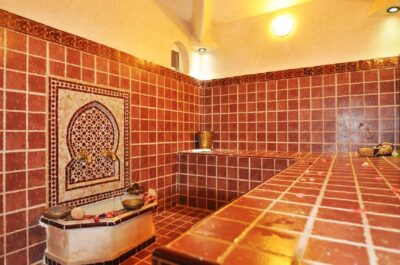
2-Hour Traditional Moroccan Hammam Experience
Read our review →
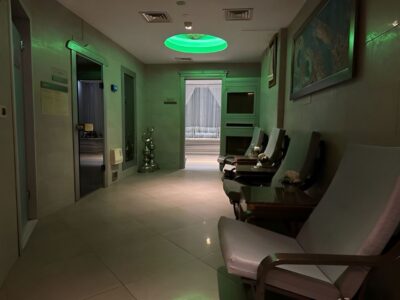
Istanbul Gedikpasa Historical Turkish Bath with Privacy Option
Read our review →
Traditional MRC Hammam and Massage with Argan Oil
Read our review →Browse the lists this tour appears in