
Review · PRIVATE HOT SPRING EXPERIENCES
A private tour of Beppu, the world’s best hot spring town.
Steam rises from nearly every corner of Beppu. This three-hour private tour gives you a friendly way to understand Japan’s famous hot spring town, with time for Umi Jigoku, the Kannawa district, sand bathing, local food, and optional onsen experiences. I especially like the flexible route and the chance to travel with local guides Shin or Kana, both praised for their warm manner and strong English. The main catch is that the $69 price covers only Umi Jigoku admission, so extra hell sites, food, taxis, and bathing experiences cost more.
I also like the mix of walking and short drives. You get close to Beppu’s steamy streets on foot, then save time with a small Volkswagen up! when the route calls for it. If you want a fixed, all-inclusive sightseeing package, this may feel less tidy. If you want local advice and a tour shaped around your interests, it has real appeal.
Key things to know before booking
- Umi Jigoku is included: Your base price covers entry to the famous blue hot spring and its gardens.
- The route can change: You can focus on hells, food, shrines, markets, nature, or bathing, depending on your group.
- Sand bathing is a highlight: Beppu Beach Sandbath offers a memorable hot-spring tradition, though the exact use and cost should be confirmed before you go.
- Local guides add the value: Shin and Kana can explain Beppu life, recommend food and souvenirs, and help with dinner plans.
- Transport depends on group size: Up to three people can ride in the included Volkswagen up! Larger groups use a taxi at extra cost.
- Budget for add-ons: Other hells, restaurants, cafes, taxis, private onsens, and steam chambers are not part of the base price.
Why Beppu works best with a local guide
Beppu is not just a town with one famous bathhouse. It is a collection of hot spring districts, steam-filled lanes, bathing customs, food traditions, and scenic sites. The springs shape daily life here, from cooking to bathing to the misty air around Kannawa.
That is why a local guide can be more useful than a simple list of attractions. Shin was praised for explaining the different hells, onsen customs, souvenir choices, and places to eat. Kana brings a quieter style and can talk about her own life in Beppu and ordinary Japanese routines. Both guides speak English and Japanese.
I would choose this tour if you want help making decisions as you go. A family that booked on the same day found that Shin offered enough choices to suit different tastes. That flexibility matters when one person wants photos, another wants food, and someone else wants a bath.
The group limit is nine people, but you need to reserve the Private Tour option if you want a fully private outing. During busy periods, a shared arrangement may be possible if you do not reserve a private slot. That point is worth checking before payment.
More Private Hot Spring Experiences in Japan
- From Tokyo: Private Tour to Fuji/Hakone – Onsen, Art, Nature
★ 5.0 · 116 reviews - Mt. Fuji, Hakone Private Tour from Tokyo – Onsen, Arts and Nature
★ 5.0 · 79 reviews - Mount Fuji – Hakone & Onsen Full Day Private Tour
★ 3.8 · 6 reviews
Meeting at Umi Jigoku
The meeting point is in front of Umi Jigoku, beside Cafeteria Umi. You should wait there rather than at a general station or hotel pickup point. The tour begins at one of Beppu’s best-known hot spring sights, so it makes sense to start with the place that gives the clearest picture of the town’s volcanic character.
Umi Jigoku means Sea Hell. Its striking blue water and Japanese gardens make it one of the more photogenic stops in the area. The tour includes entry here, which gives the $69 price a useful starting point. You can walk through the grounds, take photos, and hear how this site fits into Beppu’s collection of jigoku, or hells.
Do not expect to bathe in Umi Jigoku. These sites are hot spring attractions for viewing, not ordinary bathing pools. The color and steam are the point, and the gardens give you a calmer setting after the intense heat and industrial feel of some geothermal areas.
The visit to the hell area is planned for about an hour. That is enough time for Umi Jigoku and possibly conversation about other sites, but not enough for a slow visit to every hell in Beppu. You can add other hells if they suit your interests, but each has its own entry fee.
Understanding the Beppu Hells
The Beppu Jigoku Meguri is a collection of dramatic hot spring sites with names linked to their color, temperature, or appearance. Umi Jigoku is known for its deep blue water. Other sites include Blood Hell and Mud Hell, both mentioned by Shin while explaining the area to visitors.
The value here is not simply counting how many pools you see. A guide can explain the difference between sightseeing springs and bathing springs, and point out which stops are best for photos or atmosphere. That saves you from paying for every site without knowing what you are getting.
If you want to see several hells, tell the guide at the start. The tour is flexible, but the three-hour clock is not. Adding sites may mean less time for food, a sand bath, or the Kannawa streets. There is no single best route for everyone, which is one of the strengths of a private format and one of its limits.
I would not book this tour expecting all hell admissions to be included. The base arrangement covers Umi Jigoku only. Every extra hell is paid on site, so keep some room in your budget if you are drawn to the full circuit.
Kannawa Onsen and the steam-filled streets
Kannawa Onsen is the heart of Beppu’s hot spring culture. Steam drifts through the streets, and the area has a slower, more local feel than a standard sightseeing attraction. Walking here lets you see how hot spring water is part of the town rather than something kept behind a hotel door.
This is also where the tour can become more personal. Your guide may suggest local markets, photo spots, shrines, bakeries, or small shops based on what you enjoy. Shin helped one group find a local bakery in the backstreets and offered advice about souvenirs. Those small stops can be more useful than another large attraction, especially if you have only a short time in Beppu.
The route may include Kannawa Onsen as a drop-off point, along with Kannawa Mushi-yu. You should expect some walking, uneven surfaces, and changing temperatures around the hot spring areas. The tour is not suitable for wheelchair users, and anyone over 95 is excluded by the activity rules.
Same water, a different kind of day:
- From Osaka: Himeji Castle, Arima Onsen & Mt. Rokko Day Tour
★ 4.6 · 339 reviews - Osaka: Nara and Uji Day Trip with Deer Park and Hot Spring
★ 4.4 · 302 reviews - Tokyo: Mount Fuji 5th Station & Onsen Day Trip
★ 4.3 · 75 reviews - From Fukuoka: Mount Aso, Kurokawa Onsen, and Shrine Tour
★ 4.6 · 72 reviews
Mushi-yu, the local steam chamber
Mushi-yu is a steam bath, and it offers a different experience from soaking in a pool. The heat comes from hot spring steam, giving you another way to understand Beppu’s bathing traditions. A private steam chamber can also be arranged as an optional wellness activity.
The important word is optional. It is not included in the $69 base price. After booking, you can reply with your preferences and ask the organizers to help choose between a private onsen bath and a steam chamber.
Bring a towel. That is the one item specifically requested for the activity, and it is especially sensible if you plan to bathe or use a steam facility. Ask about timing, clothing, admission, and any extra charges before the tour begins, since these details depend on the option you choose.
If you dislike very hot environments, you can focus on the outdoor sights, food, and walking instead. The flexible format means you do not have to treat bathing as the whole purpose of the afternoon.
Beppu Beach Sandbath
The sand bath is one of the most unusual parts of this experience. At Beppu Beach Sandbath, you can experience a traditional hot spring treatment in which heated sand is part of the bathing process. It feels very different from sitting in a normal onsen pool and gives the tour a memorable finish.
Several people who took the tour made a point of saying the sand bath was a must-do. One couple visited it after lunch with their guide, while another group ended the tour there. That suggests it works well as the final activity, although your guide may adjust the order.
The planned stop is about 30 minutes, including a break and time for photos. That is a short window, so you should tell the guide early if the sand bath is your priority. You may need extra time for changing or bathing, depending on the day’s arrangements.
The supplied information does not state that sand bathing is included in the $69 price. Treat it as an additional activity unless the organizer confirms otherwise. This is a good example of why you should ask for a cost breakdown before the tour.
Steamed food and local flavor
Beppu is known for Jigoku Mushi, a cooking method that uses hot spring steam to prepare food. The tour can include steamed cuisine made with locally produced ingredients, giving you a direct taste of how geothermal heat shapes local cooking.
Food is not included in the base price. Restaurants and cafes are extra, and the exact choice depends on your route and preferences. Vegetarian and vegan restaurant options are available, so mention your needs when arranging the tour.
The food stops sound strongest when you use the guide’s local knowledge rather than asking for a generic restaurant. Shin helped arrange dinner for one group after the tour and took another group to a small Japanese restaurant for local specialties. Kana also joined a group for a meal at a traditional local place.
That does not mean a meal is guaranteed during every three-hour tour. It means food can be built into the plan if you ask. If you want to eat, say so when you book, and remember that adding lunch may reduce time at the hells or sand bath.
Getting around in three hours
The tour combines walking with transport. For up to three people, a Volkswagen up! is included for drives between locations. That is useful in Beppu, where the attractions are spread across different areas and a car can preserve time for the actual stops.
Groups of four or more use a taxi at additional cost. This is an important price detail for families and small groups. The tour can still be practical, but your total bill will rise.
The three-hour length works best when you choose a clear priority. You can cover Umi Jigoku, a short look at the hell district, a sand bath, and Kannawa. You may also fit in food, a market, a shrine, or extra photo stops, but you cannot linger everywhere.
I would tell the guide your top two interests before setting off. For example, choose hells and bathing, or food and local streets. That gives the flexible format some shape and helps prevent the tour from turning into a rushed checklist.
What the $69 price really buys
At $69 per person, this is not an all-inclusive attraction pass. The price buys three hours with a live English or Japanese guide, the walk through Umi Jigoku, admission to Umi Jigoku, and included driving for up to three people in the Volkswagen up!
The real value is the personal help. You are paying for route choices, explanations, cultural context, local recommendations, and practical support. Shin’s help with a dinner reservation and local suggestions shows how the tour can remain useful even after the formal sightseeing ends.
The price becomes less attractive if you plan to visit only Umi Jigoku and take no food or bathing option. In that case, you may be paying mainly for the guide. It becomes better value if you want several activities but do not want to sort out the route, transport, or local customs yourself.
Plan for extra spending on other hells, taxis for larger groups, restaurants and cafes, sand bathing, private onsen use, and Mushi-yu. Ask which activities are included before you commit to the final plan.
Who should book this Beppu tour?
I would recommend it to first-time visitors who want more than a quick photo at a hot spring. It also suits couples, families with mixed interests, and small groups who appreciate having choices rather than following a rigid schedule.
Food-focused visitors should ask for Jigoku Mushi and a local restaurant. Bathing fans should ask about the private onsen, steam chamber, and sand bath. Photo lovers should request Umi Jigoku, Kannawa, shrines, markets, and the most atmospheric steam-filled streets.
I would be more cautious if you need step-free access, dislike hot spring environments, or want every cost settled in advance. The tour is not suitable for wheelchair users, and optional activities can add up quickly.
Autumn and winter are promoted as the best seasons for enjoying Beppu’s hot springs. Cooler weather should make the steam and bathing theme especially appealing, though the exact comfort of the day will still depend on conditions.
Should you book it?
Book this tour if you want a local guide, flexible pacing, and a practical introduction to Beppu’s hot spring life. The strongest reasons are the personal attention from guides such as Shin and Kana, the included Umi Jigoku visit, and the chance to add sand bathing, steam baths, food, or extra hells.
Before booking, decide what matters most and ask for the likely extra costs. Reserve the Private Tour option if you do not want other people added during busy periods. For a relaxed introduction to Beppu with room for local advice, this is a good choice. For a fixed-price tour covering every attraction, it is not.
FAQ
How long does the Beppu private tour last?
The tour lasts three hours. Starting times depend on availability.
Where does the tour meet?
Meet in front of Umi Jigoku, near Cafeteria Umi. Wait there at the meeting point.
What admission is included?
The base tour includes the walk through Umi Jigoku and its entry fee. Other hell sites have separate admission charges.
Are other Beppu hell sites included?
No. Other hells can be added based on your interests, but each site has its own entry fee, paid on the day.
Is transport included?
For up to three people, driving between locations in a Volkswagen up! is included. Groups of four or more use a taxi at additional cost.
Can I add a private onsen or steam bath?
Yes. A private onsen bath or Mushi-yu steam chamber can be arranged as an optional experience. Extra charges may apply.
Is food included?
No. Restaurants and cafes are not included. Vegetarian and vegan restaurant options are available.
What languages are offered, and what should I bring?
The guides speak English and Japanese. Bring a towel, especially if you plan to use a bathing or steam option.
Just added around Japan
- Japanese Head Onsen and Scalp Massage Retreat in Tokyo★ 4.5 · 2 reviews
- Mt Fuji Small Group 1 Day Tour Kawaguchi and Yamanaka with Pickup★ 5.0 · 4 reviews
- Tokyo Local Tattoo Friendly Public Bath Experience★ 5.0 · 4 reviews
- Mt. Fuji Tours to Lake Kawaguchi and Yamanaka Onsen English Guide★ 4.5 · 4 reviews
- Mt. Fuji to Lake Kawaguchi, Lake Yamanaka and Onsen Day Tour★ 4.5 · 3 reviews
- Onsen Spa in Tokyo and Asakusa Bar Hopping with Local Guide★ 5.0 · 3 reviews
- Tattoo-friendly open-air Onsen & drink★ 5.0 · 25 reviews
- Private Tour to Snow Monkey, Zenkoji Temple & Hot Springs Nagano★ 4.0 · 2 reviews
Private Hot Spring Experiences, compared.
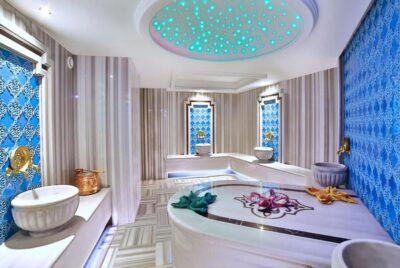
Private Turkish Bath, Massage, and Spa in Old City
Read our review →
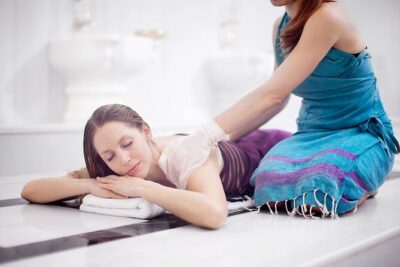
Private Tour in Ephesus and Traditional Turkish Bath from Port
Read our review →
Private Turkish Bath, Massage, and Pool in Taksim
Read our review →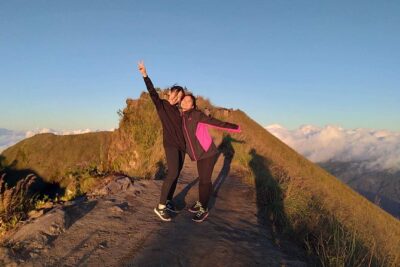
Private Tour Mount Batur Sunrise Trekking and Natural Hot Spring
Read our review →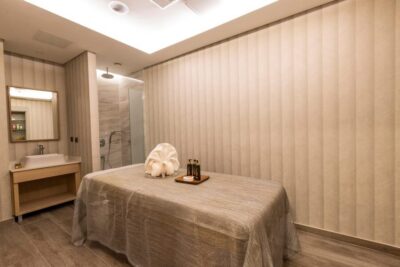
Private Turkish Bath, Spa and Massage in Taksim
Read our review →
Exclusive Istanbul: Private Turkish Bath, Sauna, Massage & Pool
Read our review →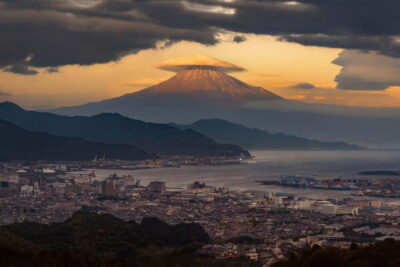
Private Tour to Fuji/Hakone – Onsen, Art, Nature
Read our review →Browse the lists this tour appears in