Review · JAPANESE ONSEN TOURS
Mt. Fuji to Lake Kawaguchi, Lake Yamanaka and Onsen Day Tour
Mount Fuji rewards a full day outside Tokyo. This guided outing packs the Fuji 5th Station, Arakurayama Sengen Park, Lake Kawaguchi, Lake Yamanaka, seasonal flower spots, and an optional hot spring into roughly 10 to 11 hours. I like the air-conditioned transport and the chance to see two of the Fuji Five Lakes without working out the regional bus system.
I also like the mix of famous viewpoints and quieter nature stops, especially Oishi Park and Lake Yamanaka. The main drawback is the packed schedule: several stops are brief, seasonal attractions may not be operating, and tattoo restrictions can prevent some visitors from entering the onsen.
Five useful things to know before booking
- The Fuji 5th Station reaches about 2,300 meters, offering a high mountain viewpoint and a starting point for many climbers.
- Arakurayama Sengen Park and its pagoda view are among the tour’s best-known photo stops, but the schedule includes a repeat visit to the area.
- Lake Kawaguchi receives the most time, with roughly two and a half hours plus separate visits to Oishi Park and the Maple Corridor.
- Lake Yamanaka adds a quieter side of the Fuji Five Lakes, with an optional 20-minute Swan Lake pleasure boat.
- The onsen costs about 1,000 to 1,600 JPY extra, and tattoos must be covered with skin-colored stickers if small enough.
- The maximum group size is 40 people, so this is guided sightseeing rather than a private outing.
Why this Mount Fuji day trip works from Tokyo
Mount Fuji is not difficult to see on a map, but reaching the best viewpoints from Tokyo takes planning. You need to connect trains or buses, watch departure times, and account for weather that can hide the mountain completely. This tour handles the driving and lets you spend the day looking outward rather than at a transport timetable.
At $115 per person, the price is reasonable if you want several Fuji-area stops in one day. The cost includes the driver, guide, air-conditioned vehicle, and pickup and drop-off from designated areas. It does not include meals, drinks, the onsen admission, or the optional Fuji Shibazakura Festival ticket.
I would not choose this tour for a slow countryside day. Ten or 11 hours is a long outing, and the route covers a lot of ground. I would choose it if you have limited time in Tokyo and want to see the mountain from several angles without arranging separate transport.
The guide can also make a difference. Belle received especially warm praise for her enthusiasm and careful planning, while Laner was noted for being patient, attentive, and pleasant. Those qualities matter on a long group day, particularly when weather or traffic affects the schedule.
More Hot Spring Day Trips in Japan
- [Seasonal Limited] Mt. Fuji 5th Station &Hot Spring Day Tour
★ 4.5 · 53 reviews - Full Day Hiking Tour at Mt.Takao including Hot Spring
★ 5.0 · 52 reviews - Mt. Fuji 5th, Oshino Hakkai, Onsen Full-Day Trip From Tokyo
★ 4.5 · 50 reviews
Fuji 5th Station at 2,300 meters
The day begins with Mt. Fuji 5th Station, located at around 2,300 meters, or 7,546 feet. This is one of the highest points on the route and serves as a starting area for many people climbing Mount Fuji.
You have about 40 minutes here. That is enough for a quick look at the mountain environment and photographs if conditions are clear, but not enough for an extended walk. The short stop also means you should keep an eye on the meeting time.
Weather is the key issue. Clouds can block the upper mountain, and the tour specifically requires good weather. If poor conditions force cancellation, you are offered another date or a full refund. Even on a running tour, visibility can change quickly, so you should treat any Fuji view as a bonus rather than a promise.
The altitude may also feel different from Tokyo, though the itinerary does not describe any special activity requiring strenuous effort. If you are sensitive to height, use the stop as a brief viewpoint rather than trying to rush around.
Arakurayama Sengen Park and the famous pagoda view
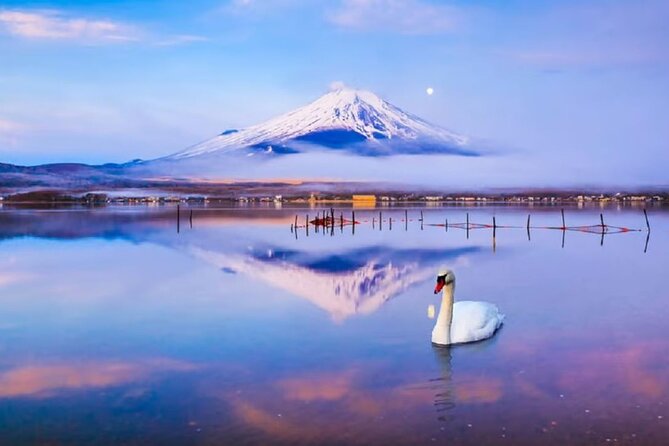
Arakurayama Sengen Park is in Fujiyoshida and is known for its broad view toward Mount Fuji, the shrine, and the Chureito Pagoda area. You have about an hour here during the main visit.
This is one of the places that gives the tour its postcard appeal. The combination of pagoda, hillside setting, and Fuji is instantly recognizable. It also adds a cultural stop to a day otherwise centered on lakes, flowers, and mountain views.
The tour later lists another two-hour stop at Arakurayama Sengen Park and Arakurayama Sengen Shrine. Since the itinerary names the area twice, you should expect either a return visit or a longer combined period around the park and shrine. That may be useful if the first visit has poor visibility, but it can also feel repetitive if you prefer a greater variety of places.
Plan your time carefully. A scenic park can become frustrating when you spend too long finding the viewpoint and then have little time left. Your guide should explain the meeting point, but it is still wise to note where the vehicle is waiting.
Lake Kawaguchi, Oishi Park, and seasonal color
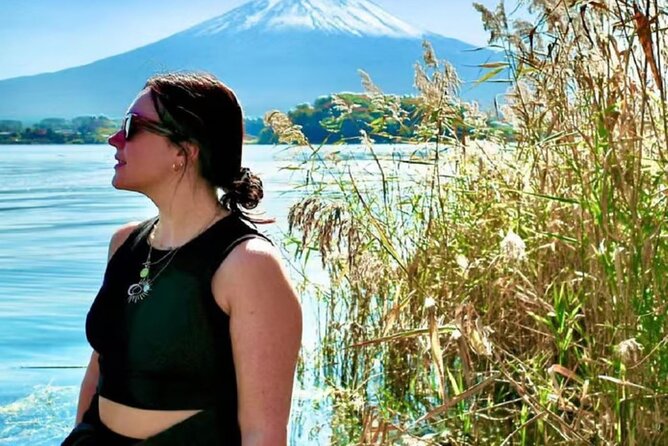
Lake Kawaguchi gets the largest share of the day, with about two hours and 30 minutes listed for the lake itself. As one of the Fuji Five Lakes, it is a major viewing area for Mount Fuji and a natural center for sightseeing in the region.
The long stop gives you more breathing room than the 40-minute visit at the 5th Station. You can enjoy the water, take photographs, and spend less time worrying that every minute must be used for a single viewpoint. Food and drinks are not included, so this is also the likely part of the day when you will want to arrange something to eat.
Oishi Park sits along the northern shore of Lake Kawaguchi and receives about an hour. It is known for open views of Fuji and fields of seasonal flowers. The flower displays change through the year, so the park will look different depending on your date.
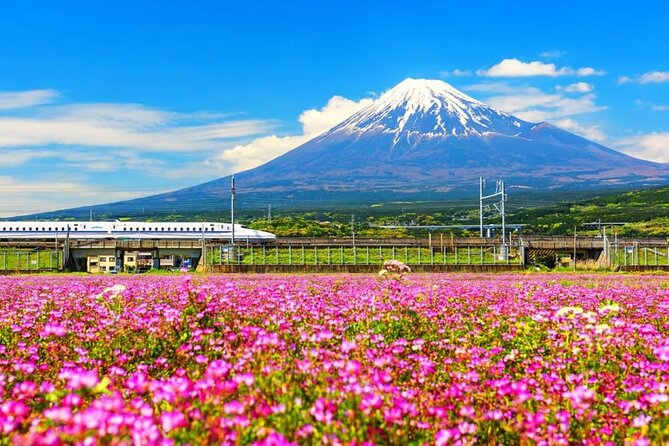
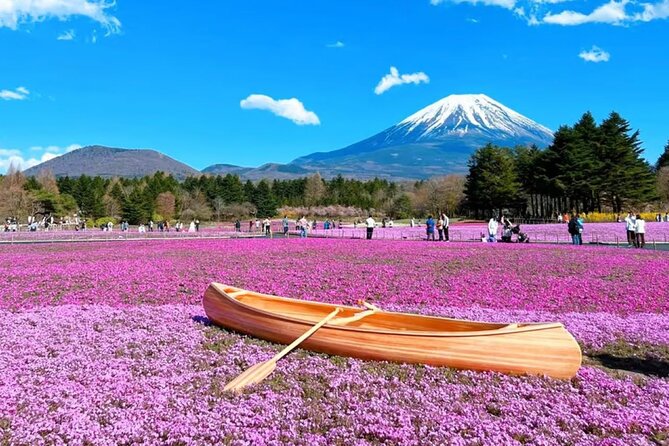
The itinerary also includes the Fuji Shibazakura Festival, a spring event featuring pink moss phlox. Admission is not included and costs about 1,300 JPY when applicable. The event usually takes place from mid spring, but dates can change each year. Do not book this tour solely for the flowers unless you confirm the festival timing for your visit.
The Lake Kawaguchi Maple Corridor is another seasonal stop, with about an hour assigned to the Japanese maple area. Autumn brings red, orange, and yellow leaves, but the best timing changes from year to year. The tour notes that seasonal visiting dates are only a guide, which is a useful warning. Nature does not follow a fixed calendar for the convenience of a bus schedule.
These seasonal stops are a strength when timing is right. They are less useful if you expect peak flowers or foliage on a specific date without checking first.
More Hot Spring Day Trips in Tokyo
- Full Day Tour at Mt. Fuji, Onsen, Lake Kawaguchi and Yamanaka
★ 4.0 · 24 reviews - Tokyo: Mt Fuji Lake Kawaguchi & Yamanaka Hot Spring Day Tour
★ 4.0 · 14 reviews - Mt. Fuji 5th Station, Oshino Hakkai and Hot Spring Day Trip
★ 3.5 · 13 reviews - Mt. Fuji Skiing Experience- YETI Ski Resort & Onsen Day Trip
★ 4.2 · 8 reviews
Lake Yamanaka and the Swan Lake boat
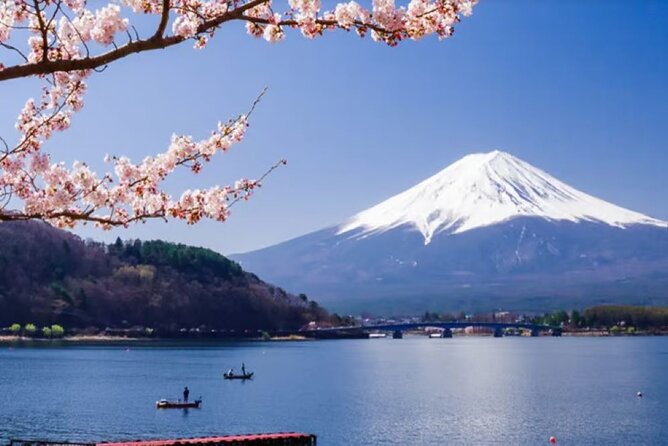
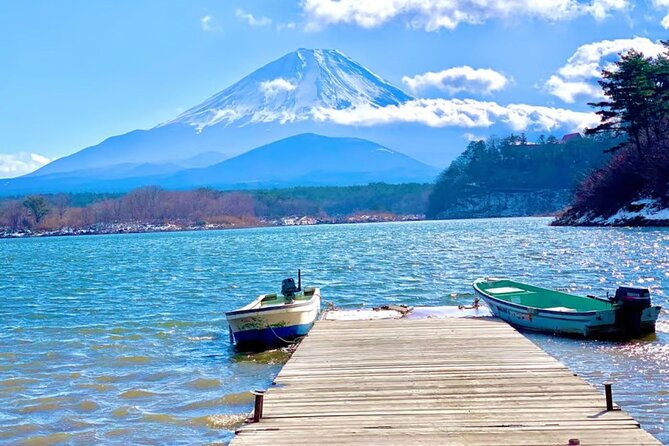
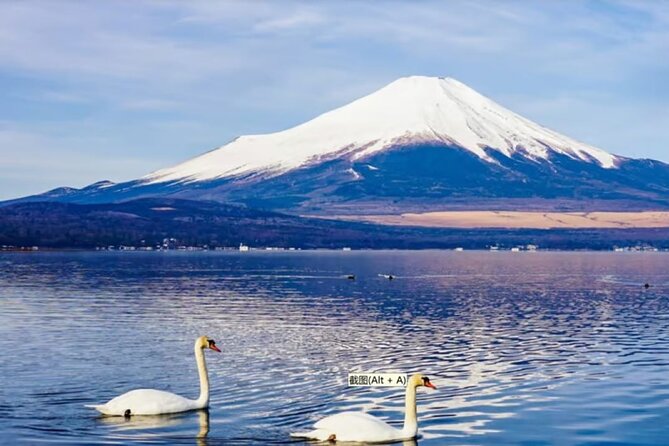
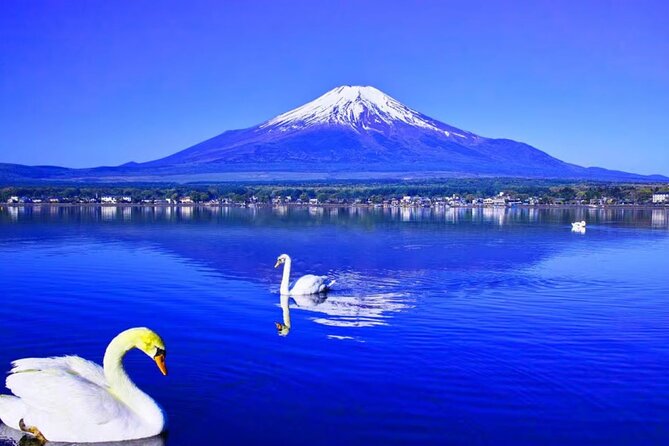
Lake Yamanaka is the largest of the Fuji Five Lakes and sits east of Mount Fuji. The tour gives you roughly one hour and 10 minutes here, making it a substantial second lake visit rather than a quick roadside photo stop.
The setting offers a different feel from Lake Kawaguchi. Its broad size and open water provide another way to see the mountain and surrounding countryside. If Fuji is hidden at Kawaguchi, you may get a better view later, though weather can change in either direction.
The optional Lake Yamanakako Pleasure Boat, called Swan Lake, lasts about 20 minutes. Admission is not included. This short cruise can be a pleasant add-on if you want to view the lake from the water, but you should treat it as optional rather than part of the basic value calculation.
I like having the choice. Some people would rather keep the 20 minutes for photographs along the shore, while others will enjoy sitting on the water after a day of stops. Ask your guide about timing before paying for the boat so you know how it fits with the group schedule.
The optional hot spring visit
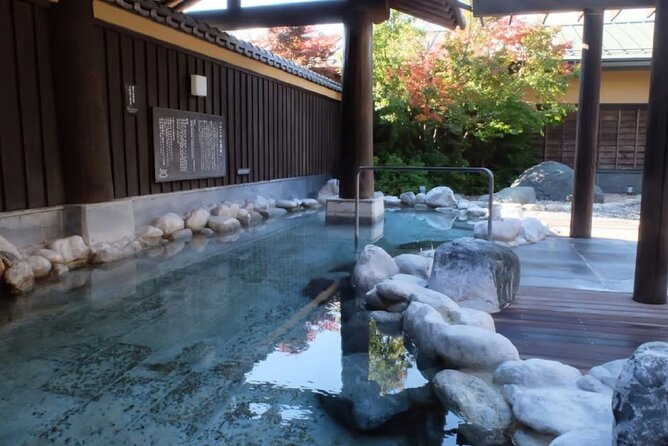
The hot spring stop is listed as about 20 minutes, with admission free in the itinerary but an onsen ticket separately listed at about 1,000 to 1,600 JPY. Since the supplied details give both descriptions, you should expect to pay the bath admission yourself.
Twenty minutes is short for a full bathing experience. It may work as a quick soak and a change of pace, but you should not expect a long spa visit. Bring the right attitude: this is a brief stop at the end of a busy sightseeing day.
Tattoo rules are especially important. Small tattoos may be covered with skin-colored stickers so you can enter. Large tattoos may prevent entry. One review specifically pointed out that this restriction was not clear in advance, so check your eligibility before booking and carry suitable covering stickers if needed.
The itinerary identifies the hot spring as Awara Onsen in Awara City, Fukui Prefecture, while the rest of the route centers on the Mount Fuji area. Because that location does not naturally fit with the Fuji lakes, I would confirm the exact onsen venue and route details with the provider before departure. This is the clearest point where the published information needs clarification.
Transport, group size, and the long day
The tour lasts about 10 to 11 hours including transport. You receive pickup and drop-off from designated areas, but the information does not promise hotel pickup at every Tokyo address. Check the meeting instructions closely and allow extra time to reach the pickup point.
The vehicle is air-conditioned, which matters in both warm and crowded seasons. You will spend a fair amount of the day on the road, so comfortable transport is not a minor extra. It is the main reason this route is easier than piecing together public transportation.
The group can include up to 40 people. That size keeps the price below a private tour, but it also means meeting times matter. A late return to the vehicle can affect everyone’s schedule, especially on a route with many stops.
The guide commentary is intended to explain local landmarks along the way. The strongest guide feedback focuses on human qualities rather than long lectures: Belle was praised for enthusiasm and careful planning, while Laner was described as warm, attentive, and patient. Those are useful traits on a full day when the itinerary moves quickly.
What the $115 price really buys
The $115 price is strongest for people who value convenience. You are paying for a full day of transportation, a driver, a guide, and access to several widely separated sights. If you tried to visit the 5th Station, both lakes, Arakurayama, and seasonal parks independently, transport connections could take much of your day.
The value is weaker if you only want one Fuji viewpoint or a long onsen session. Extra costs can include the 1,000 to 1,600 JPY bath ticket, about 1,300 JPY for the Shibazakura Festival when offered, the optional Swan Lake boat, and your meals and drinks.
I would budget beyond the headline price and decide which extras matter to you. The basic tour already covers plenty of sightseeing. You do not need to purchase every option to make the day worthwhile.
Who should book this experience?
I would recommend this tour to first-time Japan visitors based in Tokyo who want a broad introduction to the Mount Fuji region. It suits you if you like scenic viewpoints, guided transport, and a full schedule with little planning on your part.
It also suits photographers who want several chances at Fuji, especially at the 5th Station, Arakurayama, Lake Kawaguchi, Oishi Park, and Lake Yamanaka. Clear weather remains essential, so do not choose it expecting guaranteed mountain views.
You may prefer another option if you want a quiet day, private pacing, serious hiking, or a long bathhouse visit. The repeated Arakurayama listing and many seasonal stops also mean the route may feel busy rather than perfectly streamlined.
Cancellation is free up to 24 hours before the start time for a full refund. Changes made inside that window are not accepted, and poor weather or failure to reach the minimum number of participants can lead to a rescheduled date or refund.
Should you book the Mount Fuji lake tour?
Book it if your priority is seeing many Fuji-area highlights in one day without handling the logistics yourself. The air-conditioned vehicle, two lakes, several viewpoint parks, and guide support give you a lot for $115, especially on a first visit.
Before paying, confirm the meeting point, the exact onsen location, the seasonal attractions available on your date, and how the two Arakurayama visits are handled. If the weather forecast is promising and you are comfortable with a long group day, this is a practical way to make Mount Fuji the focus of your Tokyo stay.
FAQ
How long does the Mount Fuji day tour last?
The tour lasts approximately 10 to 11 hours, including transportation time.
What is included in the tour price?
The price includes driver service, guide service, air-conditioned transportation, and pickup and drop-off from designated areas.
Is the Mount Fuji 5th Station included?
Yes. The tour includes a visit lasting about 40 minutes, and admission is listed as included.
How much time is spent at Lake Kawaguchi?
The Lake Kawaguchi stop is listed as about two hours and 30 minutes. Separate visits to Oishi Park and the Lake Kawaguchi Maple Corridor are also included.
Is the Fuji Shibazakura Festival included?
The festival visit may be part of the route, but admission is not included. The listed cost is about 1,300 JPY, and the event dates can change each year.
Is the Swan Lake pleasure boat included?
No. The 20-minute Lake Yamanakako Swan Lake boat ride is optional and admission is not included.
How much does the onsen cost?
The onsen ticket is listed at about 1,000 to 1,600 JPY per person. Food and drinks are also not included.
Can I enter the onsen with a tattoo?
Small tattoos may be covered with skin-colored stickers. If the tattoo is large, you may not be allowed to enter.
What happens if bad weather cancels the tour?
You will be offered a different date or a full refund if poor weather causes cancellation.
How many people can join the tour?
The maximum group size is 40 people.
More Onsen Tours in Tokyo
- From Tokyo: Private Tour to Fuji/Hakone – Onsen, Art, Nature
★ 5.0 · 116 reviews - Mt. Fuji, Hakone Private Tour from Tokyo – Onsen, Arts and Nature
★ 5.0 · 79 reviews - Tattoo-friendly open-air Onsen & drink
★ 5.0 · 25 reviews - From Tokyo: Private Motorcycle Tour – Fuji, Hakone, Onsen
★ 4.9 · 12 reviews
Just added around Tokyo
- Japanese Head Onsen and Scalp Massage Retreat in Tokyo★ 4.5 · 2 reviews
- Mt Fuji Small Group 1 Day Tour Kawaguchi and Yamanaka with Pickup★ 5.0 · 4 reviews
- Tokyo Local Tattoo Friendly Public Bath Experience★ 5.0 · 4 reviews
- Mt. Fuji Tours to Lake Kawaguchi and Yamanaka Onsen English Guide★ 4.5 · 4 reviews
- Onsen Spa in Tokyo and Asakusa Bar Hopping with Local Guide★ 5.0 · 3 reviews
- Tattoo-friendly open-air Onsen & drink★ 5.0 · 25 reviews
- Private Tour to Snow Monkey, Zenkoji Temple & Hot Springs Nagano★ 4.0 · 2 reviews
- Mt FUJI – Panoramic Tour w/ Hoto Lunch, JP Sake & Onsen tatto OK!★ 5.0 · 9 reviews
Japanese Onsen Tours, compared.
Himeji Castle, Arima Onsen & Mt. Rokko Day Tour
Read our review →
Private Tour to Fuji/Hakone – Onsen, Art, Nature
Read our review →
All-Day Pass to Yunomori Sathorn Onsen Bath and Spa
Read our review →
Mt. Fuji, Hakone Private Tour from Tokyo – Onsen, Arts and Nature
Read our review →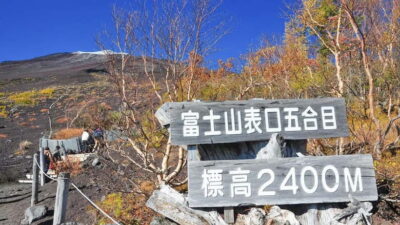
From Fukuoka: Mount Aso, Kurokawa Onsen, and Shrine Tour
Read our review →