
Review · JAPANESE ONSEN TOURS
Authentic Onsen Experience Tattoo Friendly Hidden Gem in Shinjuku
Tokyo’s best cultural lessons may happen in a bathhouse. This one-hour visit takes you to a neighborhood sento in Shinjuku, built in 1954 and still used by local residents. I like the setting because it feels rooted in everyday Tokyo, not designed as a tourist spa. I also like the gentle introduction from bilingual guide Kosei, who explains the rules before you need to guess them. The main consideration is that the male guide cannot accompany women inside the bath, so female participants bathe independently after the introduction.
There is also a useful choice built into the experience. You can bathe, inspect the old building and murals, or simply relax in the lobby with a drink. That makes this a good first step for anyone curious about Japanese bathing customs but not ready to stride into a public bath without help.
Key Points To Know Before You Go
- A 1954 Shinjuku sento: You visit a working neighborhood bathhouse rather than a polished tourist spa.
- Bilingual orientation: Kosei explains shoe lockers, changing areas, washing stations, pools, and basic etiquette.
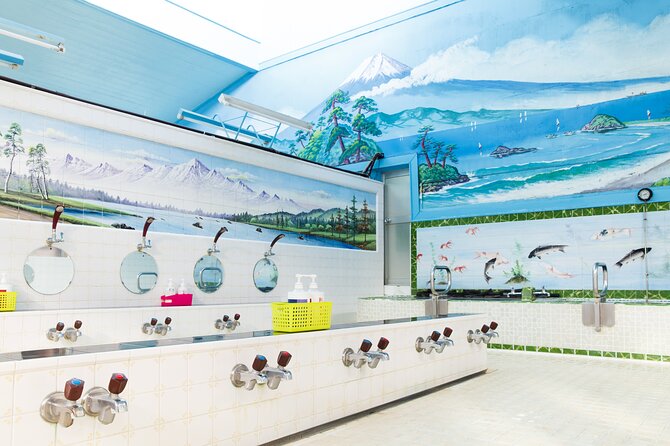
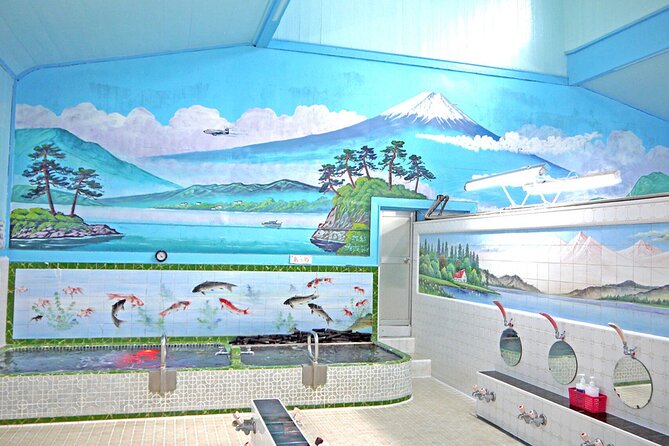
- Mount Fuji murals: The painted walls open a window onto the history and visual traditions of Japanese bathhouses.
- Tattoo-friendly experience: The activity is promoted as tattoo-friendly, a useful point for visitors who have had trouble finding welcoming baths.
- Small group size: A maximum of six people keeps the introduction personal and less awkward.
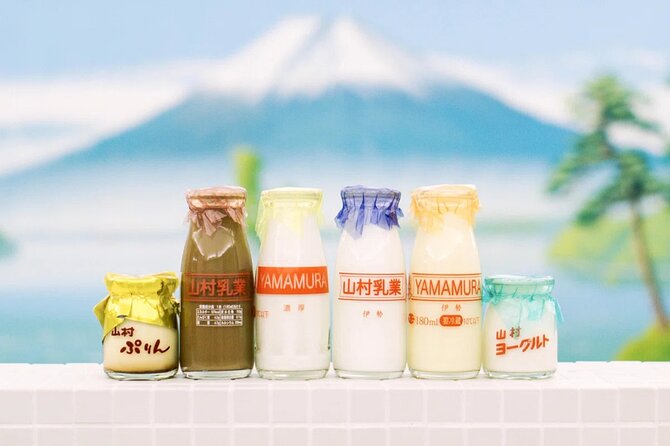
- Milk after bathing: Your included milk coffee, fruit milk, or soft drink provides the classic finish to the visit.
What You Are Really Visiting: A Sento, Not a Resort Spa
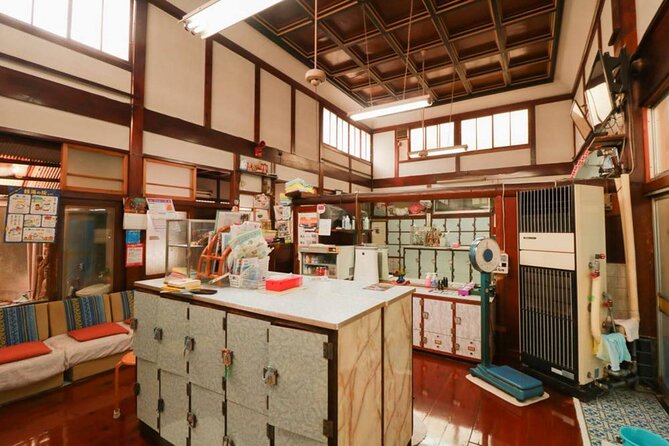
The wording around this experience may suggest an onsen, but the place described is a sento, or public bathhouse. That difference matters. An onsen is associated with naturally heated mineral water, while a sento is a community bath where people come to wash and soak.
Here, the appeal is not luxury. You are seeing a piece of neighborhood life in a retro bathhouse that opened in 1954. The old-fashioned setting, local use, and simple routine give the experience its value. If you want marble treatment rooms, scented oils, and a quiet spa atmosphere, this is not the right choice.
If you want to understand how bathing fits into Japanese daily life, it makes much more sense. The bathhouse once served an important practical role in postwar communities, when many homes did not have private bathing facilities. A public bath was a place to get clean, warm up, and see neighbors. That history gives the ordinary details more weight.
You do not need to arrive with expert knowledge. The whole point of the orientation is to help you feel at ease before you enter the bathing area.
More Onsen Tours in Tokyo
- From Tokyo: Private Tour to Fuji/Hakone – Onsen, Art, Nature
★ 5.0 · 116 reviews - Mt. Fuji, Hakone Private Tour from Tokyo – Onsen, Arts and Nature
★ 5.0 · 79 reviews - Mt. Fuji 5th, Oshino Hakkai, Onsen Full-Day Trip From Tokyo
★ 4.5 · 50 reviews
Meeting Kosei Near Kagurazaka-Shita
The meeting point is the Starbucks Coffee near Kagurazaka-Shita, at 1-chome 92 Kagurazaka, Shinjuku City. This is a useful arrangement because you do not have to search for an unfamiliar bathhouse on your own.
The activity ends back at the same meeting point. It is also near public transportation, which makes it practical to fit into a day in Shinjuku or the surrounding Tokyo districts.
Kosei has received especially warm praise for being kind, informative, and easy to spend time with. That matters here. A bathhouse can feel confusing when you do not know which door to use, where to leave your shoes, or when you are expected to undress. A calm guide can remove most of that tension in a few minutes.
The group is limited to six people. That is small enough for questions without turning the walk into a formal class. It also helps preserve the neighborhood feel. You are not arriving as part of a large tour group that takes over the entrance.
The experience is confirmed at booking, and a mobile ticket is provided. Keep the timing in mind, since the listed duration is only about one hour. You are buying a focused introduction, not an entire afternoon at the bathhouse.
The First Lesson: Shoes, Lockers, and Changing Areas
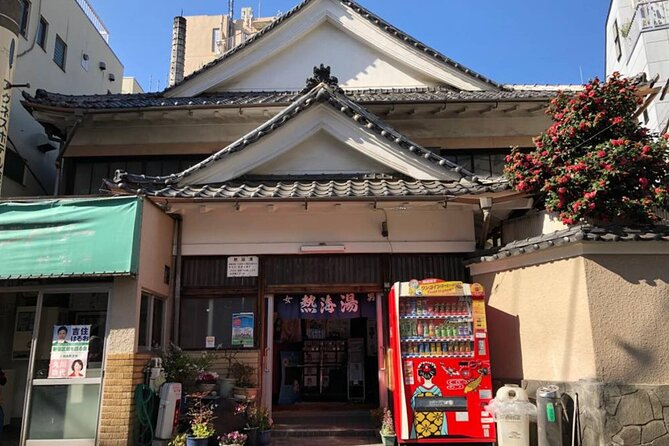
The visit begins with the practical basics. In a Japanese sento, the entrance area often has a clear divide between outdoor shoes and the clean interior floor. You will learn how to use the shoe lockers before moving toward the changing room.
This sounds simple, but it is exactly where first-time bathers can feel unsure. The orientation helps you understand the order of things:
- Remove and store your shoes.
- Move into the changing area.
- Put your clothing and belongings away.
- Bring only what you need into the washing and bathing section.
Shampoo and body soap are available for use, so you do not need to pack those items. The supplied information does not promise towels or other personal supplies, so check what you need before setting out.
The guide also explains how the washing area works. This is important because Japanese bathing culture places the washing stage before entering the pools. The bath is for soaking, not for getting clean. You sit at a washing station, use soap and shampoo, rinse carefully, and only then enter the shared water.
That sequence is a small cultural detail, but it changes the whole experience. Once you understand it, the room feels far less mysterious.
Washing First, Soaking Second
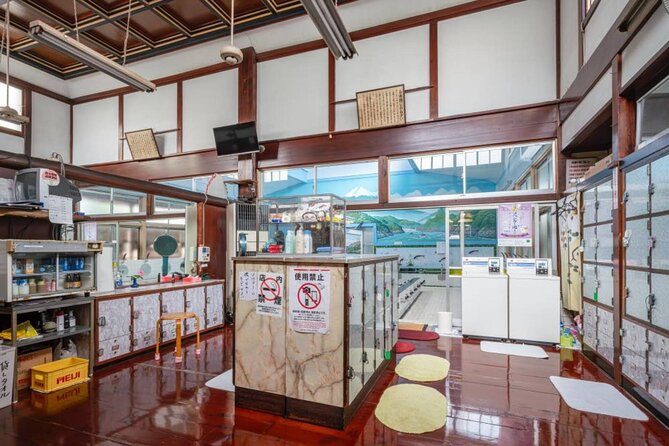
After the introduction, you can take part in the bath itself. The water is only one part of the experience. The slower routine is the point: wash, rinse, soak, cool down, and take your time.
The guide explains the bathing pools and the expected behavior around them. You will need to keep the shared water clean, avoid bringing towels into the bath, and be aware of the quiet, communal nature of the room. These are practical customs rather than complicated rules.
The listed activity is designed for beginners, which is helpful if you have never used a public bath in Japan. You do not need to know the language or understand the layout beforehand. The bilingual explanation gives you enough context to proceed with confidence.
The male guide can explain the process, but he does not enter the women’s bathing area. Female participants enjoy that portion on their own after the orientation. This is the biggest practical difference between the experience for men and women. If you are a woman who wants direct guidance inside the bath, this arrangement may feel limited. If you are comfortable following the introduction independently, it should be straightforward.
The experience is described as tattoo-friendly, which is a major advantage for visitors who have encountered strict tattoo rules elsewhere. Still, because individual bathhouse policies can change, I would confirm the current arrangements when booking if this is essential to your plans.
Same water, a different kind of day:
- Tokyo: Mt Takao Tour with Ramen and Tattoo-Okay Hot Spring
★ 5.0 · 69 reviews - [Seasonal Limited] Mt. Fuji 5th Station &Hot Spring Day Tour
★ 4.5 · 53 reviews - Full Day Hiking Tour at Mt.Takao including Hot Spring
★ 5.0 · 52 reviews - Tattoo-friendly open-air Onsen & drink
★ 5.0 · 25 reviews
Mount Fuji Murals and the Meaning Behind Them
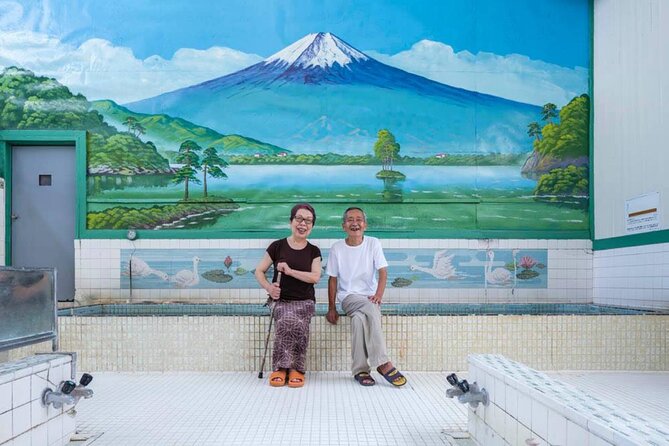
One of the nicest parts of the visit is the attention given to the bathhouse artwork. Many Japanese sento are known for large Mount Fuji murals, and this bathhouse offers a chance to learn why that image became so closely tied to public bathing.
The mural is not just decoration. It helps create a sense of open space inside a place that may otherwise be enclosed and practical. Mount Fuji also carries a strong cultural association with beauty, calm, and Japan itself. The image gives bathers something peaceful to look at while they rest.
You can appreciate the entrance murals and architecture even if you decide not to bathe. That option is worth remembering. A person in your group may be eager to soak while another person may prefer to observe the old building. This is not an all-or-nothing activity.
The setting also makes the postwar story easier to understand. A bathhouse was once a necessary part of neighborhood life, not a special attraction for out-of-town visitors. The mural, lockers, washing areas, and pool arrangement all belong to that everyday tradition.
Do not expect a museum presentation. The information comes through a short, personal explanation from the guide. That is part of the charm, but it also means the depth of the historical discussion may depend on your questions and the pace of the group.
The Classic Milk Drink After Your Bath
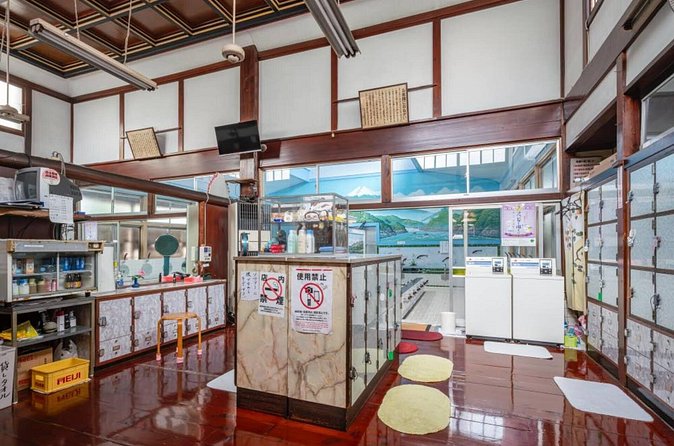
After soaking, you receive one complimentary bottle of milk, milk coffee, fruit milk, or a soft drink. This is a small inclusion, but it fits the setting perfectly.
The bottled drink is part of the familiar sento routine. After you have warmed up in the bath, a cold drink becomes more than a refreshment. It marks the end of the ritual and gives you a moment to sit, cool down, and take in what you have just experienced.
The milk coffee and fruit milk choices are especially tied to the traditional bathhouse habit. If you do not want milk, a soft drink is available. You are not paying extra for the customary finish, which adds a little value to the modest tour price.
I would not book this experience solely for the drink. Still, these small details often make a cultural visit memorable. The bottle in your hand, the old lobby, and the warm feeling after the bath connect the activity to the way local bathers have enjoyed it for decades.
Is $35.77 Fair for One Hour?
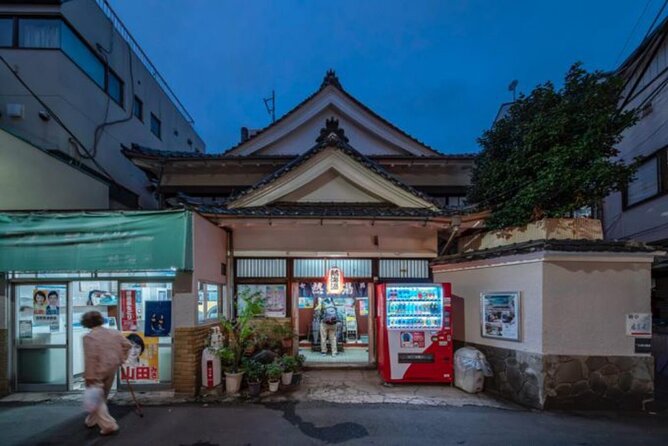
At $35.77 per person, this is not the cheapest way to take a bath in Tokyo. You are paying for more than entry, though. The price covers a bilingual introduction, help with unfamiliar customs, access to shampoo and body soap, and one included drink.
The strongest value comes from reducing uncertainty. Without guidance, you could enter a sento and work out the process by watching others. That is possible, but it may be uncomfortable, especially if you do not speak Japanese. Here, the guide explains the routine before you need to act.
The small group limit also helps justify the price. A maximum of six people is a much better fit for this kind of cultural introduction than a large coach group. The experience can stay personal and leave room for questions.
The short duration is both a strength and a weakness. One hour is easy to fit between other plans, but you will not get a long, leisurely spa session. If you want extended bathing time, you may find the schedule too tight. If you want a compact cultural activity, the length works well.
This experience is booked about 55 days ahead on average, so you should not assume that last-minute space will always be available. That advance booking pattern is useful guidance, particularly if you have fixed dates in Tokyo.
Who Will Enjoy This Most?
I would recommend this experience to a first-time visitor who wants a practical introduction to Japanese bathing. It suits people who like local customs, small groups, and ordinary places with a story behind them.
It also works well for someone who is curious but nervous. The guide explains what to do, and you have permission to observe or relax in the lobby instead of bathing. That flexibility makes the experience less intimidating than entering a public bath alone.
People with tattoos should pay close attention to the tattoo-friendly description. It may solve a common problem, but you should still confirm the current policy if your tattoo is central to the decision.
This is less suitable for anyone seeking luxury, privacy, or a long spa treatment. It is also not ideal if you expect the guide to accompany every participant inside the bathing area, since the male guide cannot enter the women’s section.
Couples and small groups should discuss expectations before booking. One person can bathe while another observes, but the activity will feel different depending on how comfortable each person is with communal bathing.
Practical Details That Make the Visit Easier
Wear something easy to remove and put back on. You will move through shoes, clothes, washing, bathing, and dressing within a short time, so simple clothing helps.
Arrive at the Starbucks meeting point with enough time to locate it. The tour begins there, not at the bathhouse itself. The mobile ticket should make check-in simple, but having your booking ready on your phone is sensible.
The experience requires good weather, and poor weather can lead to a different date or a full refund. It also requires a minimum number of participants. If that minimum is not reached, you are offered another date or experience, or a full refund.
Free cancellation is available up to 24 hours before the start time. Canceling or changing the booking within 24 hours does not qualify for a refund. The cut-off follows local Tokyo time, so check the clock carefully if you are arranging plans from another time zone.
Most people can take part, and the activity is near public transportation. The supplied information does not list specific accessibility arrangements, so contact the provider directly if you need details beyond the general participation guidance.
Should You Book This Shinjuku Sento Experience?
Book it if you want a friendly explanation of public bathing, a working 1954 neighborhood bathhouse, and a chance to see Tokyo beyond the major sights. The small group, bilingual guidance, tattoo-friendly positioning, and included drink give the experience a clear purpose.
Skip it if you want a luxury spa, private bathing, or several hours in the water. The one-hour schedule is compact, and female participants bathe without the male guide inside the women’s section.
For most curious first-timers, I think the price is reasonable because the real product is confidence. You leave knowing how to enter a sento, wash properly, use the baths, and enjoy the classic milk drink afterward. That is a useful cultural skill, not just a quick soak.
FAQ
Where does the experience begin?
It begins at Starbucks Coffee near Kagurazaka-Shita, located at 1-chome 92 Kagurazaka, Shinjuku City, Tokyo 162-0825.
Where does the experience end?
The activity ends back at the same meeting point.
How long does the experience last?
The experience lasts approximately one hour.
How much does it cost?
The listed price is $35.77 per person.
Is the bathhouse tattoo-friendly?
The experience is promoted as tattoo-friendly. If this point is essential for you, confirm the current arrangements when booking.
Can women join the experience?
Yes. The male guide provides the orientation, and female participants use the women’s bathing area on their own.
What does the guide explain?
The guide explains shoe lockers, changing rooms, the washing area, bathing pools, sento etiquette, Mount Fuji murals, postwar community life, and the custom of drinking milk after bathing.
Are shampoo and body soap included?
Yes. Shampoo and body soap are available for use.
Is a drink included?
Yes. You receive one bottle of milk, milk coffee, fruit milk, or a soft drink after the bath.
How many people can join?
The activity has a maximum of six participants.
Can I cancel for a full refund?
Yes. You can cancel at least 24 hours before the start time for a full refund. Cancellations within 24 hours are not refunded.
What happens if bad weather cancels the activity?
You are offered a different date or a full refund if poor weather causes the cancellation.
Does the experience require a minimum number of participants?
Yes. If the minimum is not met, you are offered another date or experience, or a full refund.
Just added around Tokyo
- Japanese Head Onsen and Scalp Massage Retreat in Tokyo★ 4.5 · 2 reviews
- Mt Fuji Small Group 1 Day Tour Kawaguchi and Yamanaka with Pickup★ 5.0 · 4 reviews
- Tokyo Local Tattoo Friendly Public Bath Experience★ 5.0 · 4 reviews
- Mt. Fuji Tours to Lake Kawaguchi and Yamanaka Onsen English Guide★ 4.5 · 4 reviews
- Mt. Fuji to Lake Kawaguchi, Lake Yamanaka and Onsen Day Tour★ 4.5 · 3 reviews
- Onsen Spa in Tokyo and Asakusa Bar Hopping with Local Guide★ 5.0 · 3 reviews
- Tattoo-friendly open-air Onsen & drink★ 5.0 · 25 reviews
- Private Tour to Snow Monkey, Zenkoji Temple & Hot Springs Nagano★ 4.0 · 2 reviews
Japanese Onsen Tours, compared.
Himeji Castle, Arima Onsen & Mt. Rokko Day Tour
Read our review →
Private Tour to Fuji/Hakone – Onsen, Art, Nature
Read our review →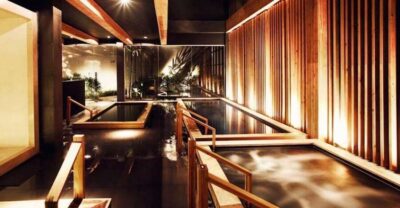
All-Day Pass to Yunomori Sathorn Onsen Bath and Spa
Read our review →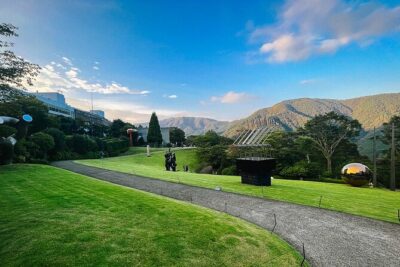
Mt. Fuji, Hakone Private Tour from Tokyo – Onsen, Arts and Nature
Read our review →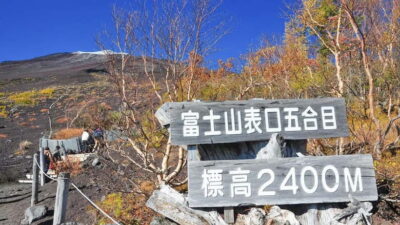
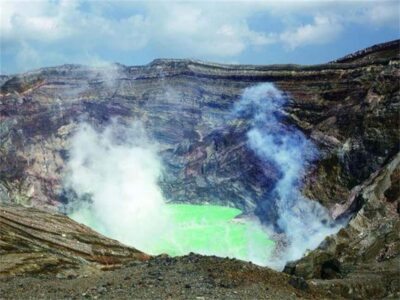
From Fukuoka: Mount Aso, Kurokawa Onsen, and Shrine Tour
Read our review →
Private Nagano 1-Day Tour:Snow Monkeys,Zenko-ji,Obuse,Sake,Onsen
Read our review →Browse the lists this tour appears in