
Review · OSAKA HOT SPRINGS
Osaka: Nara, Todaiji, Uji Matcha, and Hot Spring Tour
Sacred deer make this day memorable. This Osaka day trip packs Nara’s famous park, Tōdai-ji Temple, Kasuga-taisha Shrine, Uji matcha culture, and a Japanese hot spring into eight or nine hours. I like the strong mix of sights and the chance to finish with a soak at Genji-no-Yu. The main concern is time: several important stops share one long day, and one low-rated experience reported being told to skip temple visits because the schedule had slipped.
I also like the small-group format, capped at 15 people, plus round-trip transport from central Osaka. You should wear sturdy shoes, plan for cold weather if visiting in winter, and confirm exactly which Uji attractions and matcha activities will be available on your date.
Key points to know before booking
- Nara Park gives you 1 hour 20 minutes with free-roaming sacred deer, one of Japan’s most recognizable encounters.
- Tōdai-ji and Kasuga-taisha need careful timing, since their admission fees are not included and the scheduled visits are short.
- Uji combines matcha, Byodo-in, and a hot spring, but the supplied schedule does not clearly assign separate time to every Uji attraction.
- Genji-no-Yu receives 1 hour 20 minutes, enough to make the bath a real part of the day rather than a rushed extra.
- The $81 price includes transport and a multilingual guide-driver, but food, drinks, and several admission costs are extra.
- The day requires good footwear and stamina, especially in cold weather and around temple grounds.
Osaka to Nara: a full day beyond the city

This tour begins at 8:30 a.m. at 1-chōme-3 Nipponbashi Parking in Osaka’s Chūō Ward. It returns to the same meeting point, which keeps the logistics simple if you are staying near central Osaka.
You ride in an air-conditioned vehicle with a multilingual guide and driver. The group can reach 15 people, so this is not a private tour, but it is smaller than a large coach excursion. That size should make boarding and moving between stops easier, although the pace still depends on traffic, parking, and how quickly the group gathers.
The total duration is listed as eight to nine hours, including transport. That matters. You are not getting eight or nine full hours at temples and parks. Part of the day disappears on the road between Osaka, Nara, and Uji. I would book this as a convenient regional sampler, not as a slow, deeply detailed visit to each place.
A few more places to soak around Japan worth a look
- From Osaka: Himeji Castle, Arima Onsen & Mt. Rokko Day Tour
★ 4.6 · 339 reviews - Osaka: Nara and Uji Day Trip with Deer Park and Hot Spring
★ 4.4 · 302 reviews - From Tokyo: Private Tour to Fuji/Hakone – Onsen, Art, Nature
★ 5.0 · 116 reviews
Nara Park and its famous deer
The first major stop is Nara Park, with about 1 hour 20 minutes scheduled. This is the most relaxed portion of the sightseeing day and a good introduction to Nara.
The park is known for its free-roaming deer, which are treated as sacred and protected as a national treasure. You can expect the deer to be the focus of the visit, especially if you are traveling with children. One Spanish-language assessment praised the experience as especially suitable for families, largely because children can see the animals and visit the temple in the same outing.
The park is broad, so do not assume every minute will be spent beside the deer. You may need time to walk between the vehicle and the main areas. Wear shoes that can handle uneven paths and a fair amount of walking.
There is also a practical food issue. Food and drinks are listed as extra, and deer food is not clearly covered in the tour price. One poor experience reported that the deer food was unavailable from local vendors and that the group did not receive what had been expected. I would not make the day depend on feeding the deer. Treat that as an optional extra, and ask the guide on arrival about current availability and cost.
Tōdai-ji and the Great Buddha
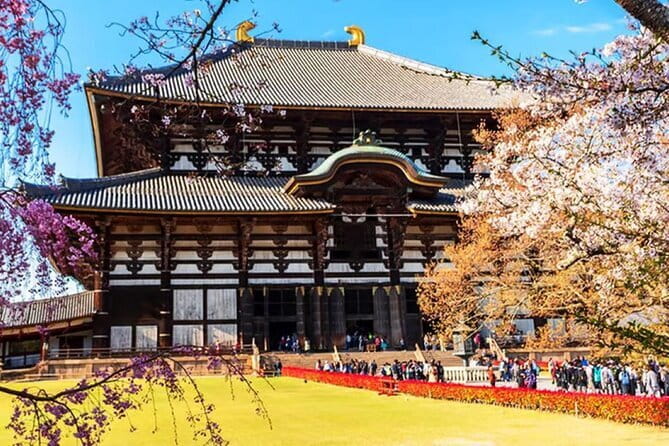
Tōdai-ji follows Nara Park, with about 40 minutes assigned to the temple. The temple is home to the Great Buddha, a bronze Vairocana Buddha about 15 meters tall. The scale is the reason to come. Even a short visit can leave a strong impression when you enter the great wooden temple hall and see the statue inside.
The timing is the concern. Forty minutes is enough for a focused look, but not much more. You may have to choose between lingering inside, walking around the grounds, shopping near the approach, and taking photographs. If the group arrives late, the temple visit becomes even tighter.
Admission is not included. The tour information specifically lists the Tōdai-ji entry ticket as an extra expense. The estimated total for certain extra entries is around $10, but the wording groups several sites together, so I would carry enough Japanese yen and ask which tickets your guide expects you to buy.
One reported experience had the group advised not to visit the Buddha temple because there was not enough time. That is a serious warning for anyone booking this tour mainly for Tōdai-ji. Ask at the start of the day whether the temple is guaranteed and how much time is planned for it. If seeing the Great Buddha is your top priority, a dedicated Nara trip would give you more control.
Kasuga-taisha and Nara’s quieter side
Kasuga-taisha Shrine is scheduled for another 40 minutes. Founded in the eighth century, it is linked to the Fujiwara clan and dedicated to Futsunushi no Mikoto. The shrine is especially known for its many stone and bronze lanterns.
This stop changes the mood from open parkland and a huge Buddhist hall to a Shinto setting with a more ceremonial feel. I like that the tour includes both Tōdai-ji and Kasuga-taisha, since you get a glimpse of two major Japanese religious traditions in one morning.
Again, forty minutes goes quickly. Admission to Kasuga-taisha is not included, according to the supplied details. The schedule may allow time around the shrine, but you should not assume every paid interior area is covered. Keep your expectations practical: this is an introduction, not an in-depth shrine visit.
The day also has a seasonal weakness. One highly positive assessment praised the variety but warned that some stops became difficult in very cold weather. Nara involves outdoor walking, and winter visitors should bring warm layers, gloves, and shoes with good grip.
Same water, a different kind of day:
- Mt. Fuji, Hakone Private Tour from Tokyo – Onsen, Arts and Nature
★ 5.0 · 79 reviews - Tokyo: Mount Fuji 5th Station & Onsen Day Trip
★ 4.3 · 75 reviews - From Fukuoka: Mount Aso, Kurokawa Onsen, and Shrine Tour
★ 4.6 · 72 reviews - Private Nagano 1-Day Tour:Snow Monkeys,Zenko-ji,Obuse,Sake,Onsen
★ 5.0 · 71 reviews
Uji matcha and the unresolved sightseeing plan
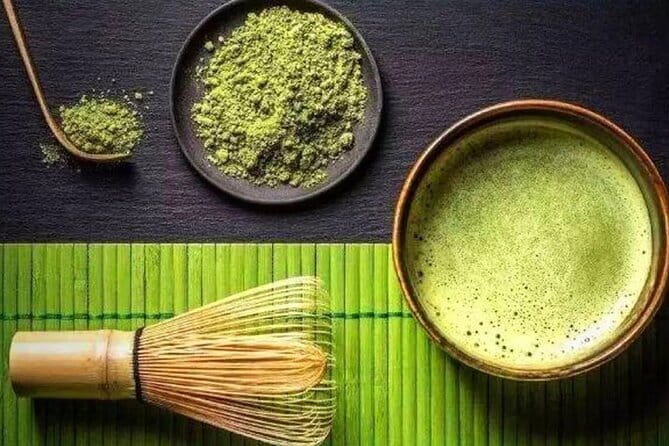
After Nara, the tour heads to Uji, a city in Kyoto Prefecture known for high-quality matcha. The plan calls for a cup of green tea at a traditional tea house, and this is one of the most appealing cultural parts of the day. Matcha gives you more than another photograph. It offers a simple way to experience a local food tradition in the place most closely associated with it on this route.
There is an important cost detail. Food and drinks are not included, so expect to pay for the matcha yourself unless the guide says otherwise. The supplied itinerary gives Uji 2 hours 20 minutes, but its description is not fully clear about how that time is divided among tea, Byodo-in Temple, and other Uji sights.
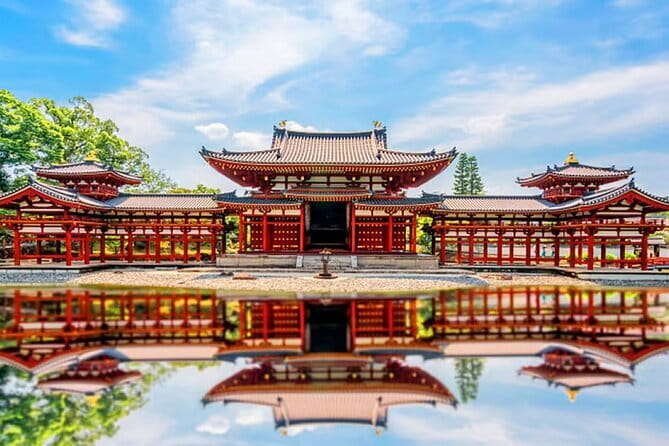
Byodo-in is described as part of the experience, with its famous Phoenix Hall and UNESCO World Heritage status. Yet it does not appear as a separate timed stop in the schedule. Entry to Byodo-in is also listed as extra. This creates a booking question you should settle before departure: Is the visit inside the temple grounds included in the group route, or is it only a planned outside view if time permits?
The Tale of Genji Museum is also named among the possible extra-entry attractions, but no separate duration is provided. I would not count on visiting it unless the operator confirms it directly. The tour offers a broad Uji introduction, but the details leave room for changes.
That uncertainty matters because one poor experience reported missing the Uji temple and matcha portion because of limited time. This does not mean every departure will run that way, but it shows why you should ask the guide early in the day how the Uji hours will be used.
Genji-no-Yu: the day’s best chance to slow down
The final major stop is Uji Natural Hot Spring Genji-no-Yu, scheduled for about 1 hour 20 minutes. The facility offers indoor and outdoor baths and takes its name from The Tale of Genji, the classic work associated with Uji.
After a morning of walking, this is a sensible finish. The bath gives your feet a break and turns the tour into more than a temple checklist. The supplied details mark the hot spring admission as included, although another line lists hot spring costs among possible extras and gives an approximate extra cost of $10. Because those details conflict, confirm before booking whether your specific departure includes the bathing fee.
There is one important etiquette rule: visible tattoos are not allowed. If that applies to you, contact the provider before reserving. Do not wait until the entrance. The information also says unaccompanied minors are not allowed.
The hot spring is not a sightseeing stop in the usual sense. It is a chance to sit quietly, wash, and enjoy the setting. If you dislike public bathing or prefer to spend every minute at historic sites, this 80-minute stop may feel too long. If you like a slower ending, it may be the feature that makes the busy schedule worthwhile.
What the $81 price really covers
At $81 per person, the tour is priced as a practical transport package with several major sights attached. The price includes round-trip transportation from Osaka, an air-conditioned vehicle, and a multilingual guide-driver. For a full regional day linking Osaka, Nara, and Uji, that can be fair value, especially if you want to avoid arranging several train rides and local transfers yourself.
The price is less attractive if you expect a fully inclusive sightseeing package. Food and drinks are not included. Tōdai-ji, Kasuga-taisha, and Byodo-in admission are listed as extra, and the supplied information places some added costs at around $10. Matcha is also something you should budget for separately.
I would allow a small spending cushion for entries, tea, and personal purchases. The tour is best value for you if convenience matters more than controlling every minute. Independent visitors who are comfortable with Japanese trains may prefer separate Nara and Uji days, particularly if Tōdai-ji or Byodo-in is the main goal.
The pace, group size, and comfort level

The schedule is ambitious. You visit a large park, two Nara religious sites, Uji, a matcha venue, a major temple, and a hot spring within one day. That variety is the tour’s strength, but it also creates the risk of shortened visits.
I would rate the physical demand as moderate. Most people can participate, but you should expect outdoor walking, temple approaches, and time on your feet. The advice to wear good footwear is not cosmetic. Comfortable shoes will make the day much easier.
The maximum group size is 15. That is manageable, though not intimate. The guide must keep everyone moving, and a late arrival at one stop can affect the next one. The tour needs at least four participants to operate. If that minimum is not reached, you can be offered a cancellation or a route change.
Free cancellation is available until 24 hours before the start time. Changes or cancellations inside that window are not accepted for a refund. That is useful flexibility, but the 24-hour deadline is firm.
Who should book this Osaka day trip?
I would recommend this tour to you if you want to cover Nara and Uji without planning several connections yourself. It suits families who want deer, a major Buddha, green tea, and a bath in one outing. The variety also works well for a first visit to the Kansai region when you want an overview rather than a single-site study.
I would be more cautious if you have one non-negotiable goal. If you must spend quality time inside Tōdai-ji, Byodo-in, or the Tale of Genji Museum, the timetable may disappoint you. A slower independent visit would give you more control.
The tour also suits you if you like ending an active day with an onsen. It is less suitable if you have visible tattoos, dislike public baths, need a slow pace, or want every meal and admission covered in advance.
Should you book it?
Book this tour if convenience, variety, and the hot spring finish matter most. Nara Park, the Great Buddha, Kasuga-taisha, Uji matcha, and Genji-no-Yu make a memorable combination, and the $81 fare is reasonable for transport and a multilingual guide-driver.
Before paying, confirm three points: how much time is guaranteed at Tōdai-ji, whether Byodo-in and matcha are both included in the actual route, and whether Genji-no-Yu admission is covered. If the answers are clear and you are comfortable with a brisk day, this is a useful Osaka base excursion. If not, split Nara and Uji into separate outings.
FAQ
Where does the tour begin and end?
It begins at 8:30 a.m. at 1-chōme-3 Nipponbashi Parking, 1丁目-3 Nipponbashi, Chūō Ward, Osaka, 542-0073, Japan. It ends back at the same meeting point.
How long does the experience last?
The full tour lasts approximately eight to nine hours, including transportation time.
Is transportation included?
Yes. Round-trip transportation from Osaka in an air-conditioned vehicle is included, along with a multilingual guide and driver.
Are food and drinks included?
No. Food and drinks are not included in the tour price. This includes the matcha drink unless the provider confirms a different arrangement for your departure.
Are temple admission tickets included?
No. Entry to Tōdai-ji, Kasuga-taisha, and Byodo-in is listed as extra. The supplied information also mentions the Tale of Genji Museum among possible additional admissions.
Can children join the tour?
Most people can participate, but unaccompanied minors are not allowed. The experience has a maximum group size of 15 people and requires at least four participants to operate.
Just added around Japan
- Japanese Head Onsen and Scalp Massage Retreat in Tokyo★ 4.5 · 2 reviews
- Tokyo Local Tattoo Friendly Public Bath Experience★ 5.0 · 4 reviews
- Mt Fuji Small Group 1 Day Tour Kawaguchi and Yamanaka with Pickup★ 5.0 · 4 reviews
- Mt. Fuji Tours to Lake Kawaguchi and Yamanaka Onsen English Guide★ 4.5 · 4 reviews
- Mt. Fuji to Lake Kawaguchi, Lake Yamanaka and Onsen Day Tour★ 4.5 · 3 reviews
- Onsen Spa in Tokyo and Asakusa Bar Hopping with Local Guide★ 5.0 · 3 reviews
- Tattoo-friendly open-air Onsen & drink★ 5.0 · 25 reviews
- Private Tour to Snow Monkey, Zenkoji Temple & Hot Springs Nagano★ 4.0 · 2 reviews
Osaka Hot Springs, compared.
Himeji Castle, Arima Onsen & Mt. Rokko Day Tour
Read our review →
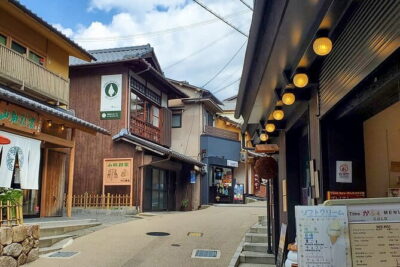
Himeji Castle, Arima Onsen & Mt. Rokko: 1-Day Bus Tour from Osaka
Read our review →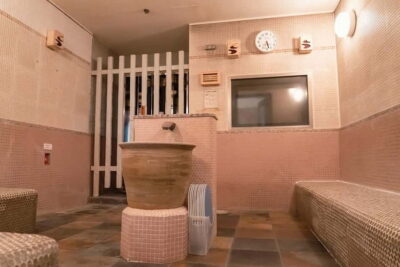
Tennen Onsen Naniwa-no-Yu, the famous hot spring spa
Read our review →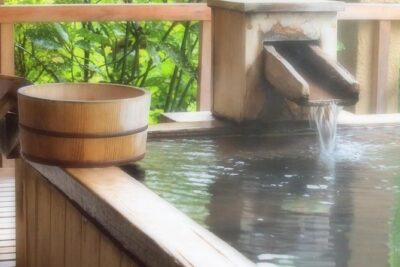
Private Car Day Trip to the Kobe Mountains, Gardens and Hot Springs from Osaka
Read our review →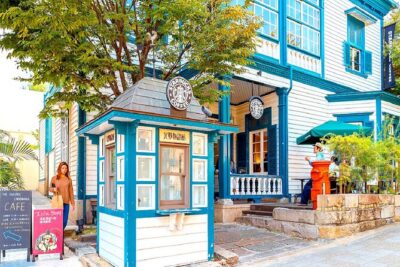
Kobe Night View Mt Rokko Kitano Ijinkan Arima Onsen Day Trip
Read our review →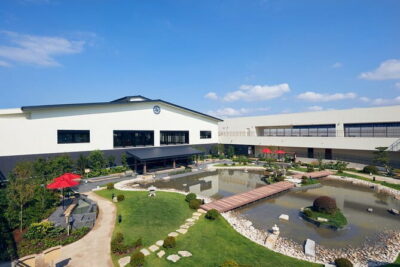
Osaka River Rapids Hike and Natural Hot Spring tour
Read our review →Browse the lists this tour appears in