
Review · JAPANESE ONSEN TOURS
Guide tour of Japanese bathing culture at Funaoka Onsen
Bathing is culture here, not just cleanup. This 90-minute Kyoto experience makes an unfamiliar public bath easier to understand, starting with a drink and a lesson at Sarasa Nishijin before moving to historic Funaoka Onsen. I like the clear explanation of etiquette, and I like that guide Atsuki stays involved as you put the advice into practice. The main consideration is simple: bathing is nude and separated by gender, so couples bathe apart and the experience is not right for everyone.
You get more than a soak. You learn why Japanese public baths matter, how to behave once you enter, and how to relax without worrying that you have missed an important step. The group is limited to five people, which should make it easier to ask questions, though Atsuki’s English is limited and some travelers may need patience with the explanations.
Key Points at a Glance
- Learn first at Sarasa Nishijin: Begin in a cafe converted from a former public bathhouse, with a drink and an introduction to Japanese bathing culture.
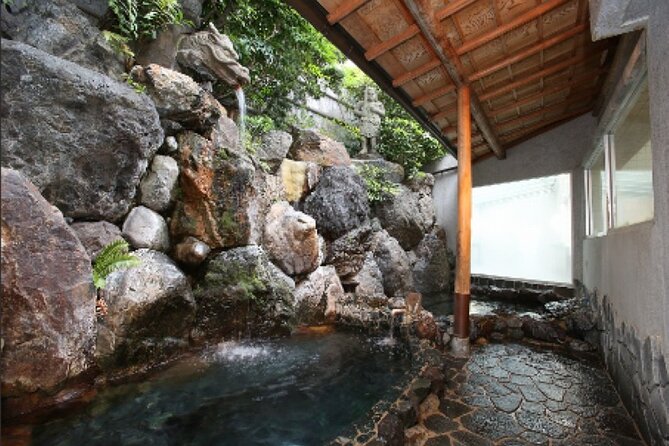
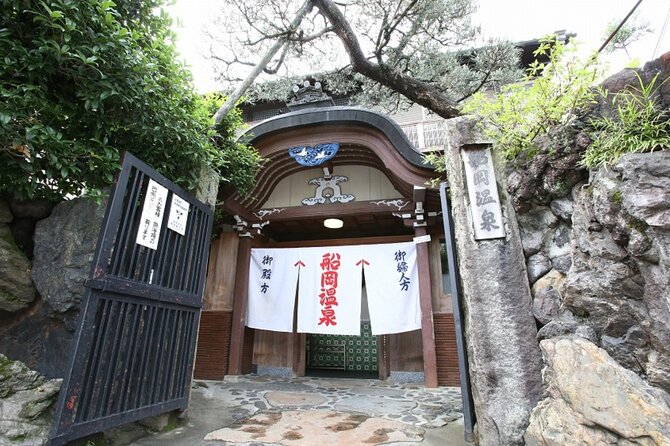
- Soak at historic Funaoka Onsen: Put the bathing instructions into practice at one of Kyoto’s best-known public bathhouses.
- Expect nude, gender-separated bathing: This is a traditional Japanese bath experience, not a swimsuit activity or mixed-gender soak.
- Small groups make a difference: The maximum group size is five, allowing for personal guidance during a potentially nerve-racking first visit.
- Guide Atsuki provides practical help: The focus is on bathing steps, etiquette, history, and ways to relax at future baths.
- Budget about 90 minutes: The experience costs $45.72 per person and begins and ends at Funaoka Onsen.
Why Japanese Bathing Culture Is Worth Your Time
A public bath in Japan is easy to misunderstand if you treat it like a swimming pool or a hotel spa. You do not simply walk in, step into the nearest pool, and start scrubbing. The order of things matters, and small acts of courtesy help everyone share the space comfortably.
This experience explains that system before you have to perform it yourself. That matters because uncertainty can spoil an otherwise restful visit. You may wonder where to wash, what to bring into the bathing area, how to use the pools, or what to do with your towel. A short lesson turns those questions into a workable routine.
The cultural setting also adds value. Japanese bathing is tied to public life, local customs, and wellness. The experience presents it as a daily tradition rather than a novelty staged for tourists. You still get a pleasant bath, but you also leave with knowledge you can use at other sento and hot springs in Japan.
That repeat value is important. The bathing steps and etiquette explained here apply beyond Funaoka Onsen, so the $45.72 fee is paying for instruction as well as admission. If you plan to visit several public baths during your time in Japan, this can be a useful first-day lesson.
More Onsen Tours in Japan:
- From Osaka: Himeji Castle, Arima Onsen & Mt. Rokko Day Tour
★ 4.6 · 339 reviews - From Tokyo: Private Tour to Fuji/Hakone – Onsen, Art, Nature
★ 5.0 · 116 reviews - Mt. Fuji, Hakone Private Tour from Tokyo – Onsen, Arts and Nature
★ 5.0 · 79 reviews
Sarasa Nishijin: A Cafe With a Bathhouse Past
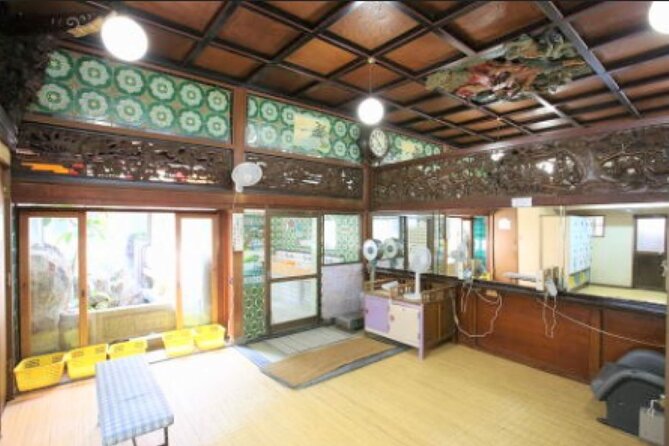
The experience begins at Sarasa Nishijin, a cafe created from a former public bathhouse. That setting does more than provide a place to sit. You are learning about public bathing inside a building that once served that very purpose, which gives the opening lesson a sense of place.
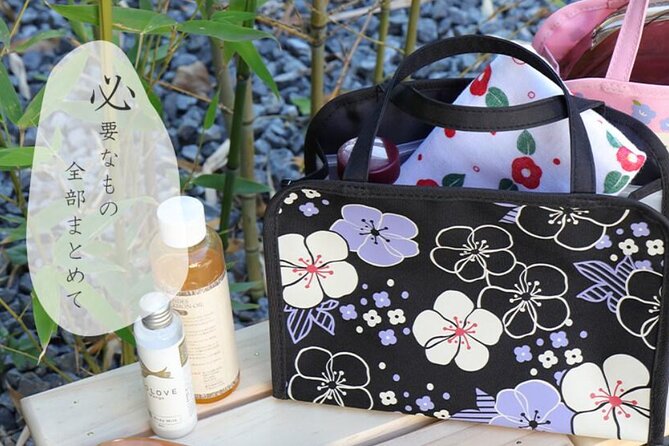
You spend about 15 minutes here with a drink while the guide explains the background of Japanese public baths. You also receive a guide to proper bathing techniques to take with you. That handout should be especially useful if you are visiting an onsen or sento alone and want something practical to check before entering.
The first stop is short, so do not expect a full museum-style presentation. Its job is to give you the basic story and prepare you for the bathhouse. The most useful part is likely the link between the building’s past and the activity that follows.
For many first-time visitors, this is where the nerves begin to fade. You can ask basic questions in a cafe rather than trying to learn by watching other bathers in silence. That is a small advantage, but it can make the difference between enjoying the experience and spending the whole visit worried about making a mistake.
Funaoka Onsen: From Explanation to Actual Bath
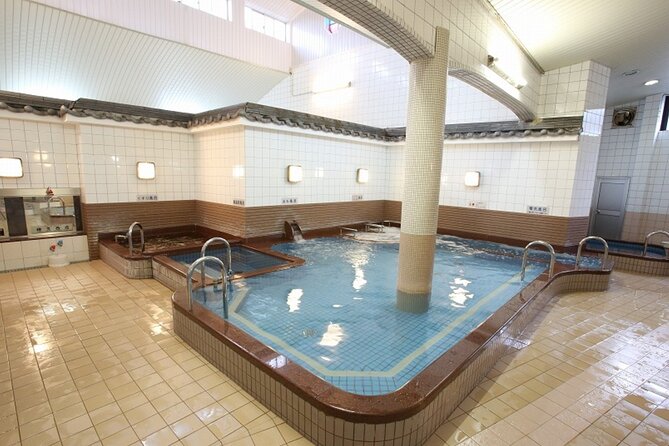
After Sarasa Nishijin, the group moves to Funaoka Onsen, where the main portion lasts about one hour. Before entering the bath, the guide uses materials to explain the bathing method again. You are not sent through the door with a hurried instruction and left to figure things out.
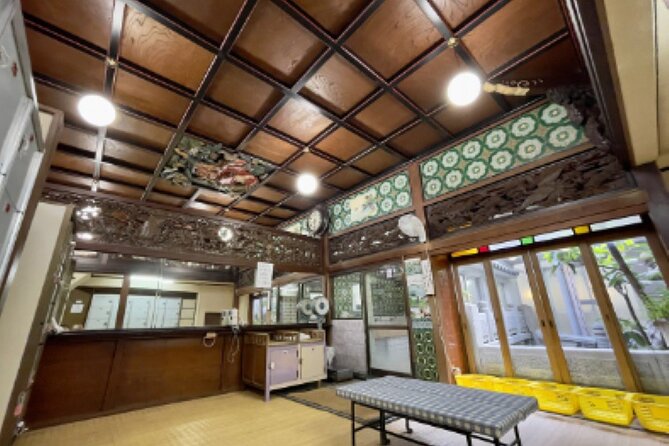
Funaoka Onsen is a well-known Kyoto bathhouse with a long local connection. One particularly interesting point is its history as a public bathhouse that competed with traditional geothermal hot springs. That detail helps explain why Japanese bathing culture includes both natural hot springs and urban public baths.
The practical lesson comes before the soak. You learn the order of bathing and the behavior expected in the shared spaces, then try those steps yourself. Guide Atsuki is there to support the process, which is valuable if this is your first Japanese bath or your first solo visit.
The best part of the format is the connection between instruction and practice. A talk about etiquette can feel abstract. Once you are standing at the bathhouse, the advice becomes useful right away. You can focus on relaxing instead of guessing what to do next.
This is still a public bath, not a private guided spa appointment. You should expect to share the facilities with local bathers, and the guide cannot turn the experience into a private performance. That is part of the point, but it also means you need to be comfortable entering a traditional setting.
Nude Bathing and Gender Separation
The most important practical detail is that bathing is nude. Swimsuits are not part of this traditional experience, and the bathing areas are separated by gender. Couples will not bathe together.
That arrangement follows standard Japanese public-bath practice, but it can surprise people who have only experienced mixed-gender spas or swimsuit-required thermal pools. If you are uncomfortable with communal nude bathing, this is probably not the right activity for you.
Solo visitors may find the format easier. You do not have to coordinate with a partner in the bathing area, and the guide’s instructions can help you manage the process with less anxiety. One of the strongest features of the experience is its attention to the small points that worry first-time bathers.
The gender separation also means that the guide’s support may work differently depending on the group and bathing area. The essential instruction is given before you enter, and the experience is designed around helping you understand the routine. You should still be prepared to handle the bath respectfully and independently once inside.
Read the health guidance carefully before booking. People with severe heart or lung disease, recent gastrointestinal bleeding, advanced malignant tumors, or severe anemia should not participate. You should also skip the experience if you feel unwell, have a fever, have consumed alcohol, or have been advised by a doctor not to use hot springs.
More Guided Tours in Japan:
- Samurai Guide Sho’s Mt. Takao Hike, Temple & Onsen from Shinjuku
★ 5.0 · 9 reviews - Kobe Guided Tour Including Port Area and Arima Onsen Town
★ 4.5 · 5 reviews - Mt. Fuji Tours to Lake Kawaguchi and Yamanaka Onsen English Guide
★ 4.5 · 4 reviews - Onsen Spa in Tokyo and Asakusa Bar Hopping with Local Guide
★ 5.0 · 3 reviews
The Guide’s Role and English Level
Atsuki is an independent local guide, not an employee of Funaoka Onsen. That distinction matters because the tour is a personal cultural experience rather than an official bathhouse orientation.
Atsuki’s role is to explain the history, describe proper bathing methods, answer questions, and help you feel comfortable during the visit. The guidance has been especially useful for people who want to understand not only what to do, but why the steps matter.
English ability is limited. You should not expect a polished, fast-paced lecture with complex historical detail. Short questions, patience, and attention to demonstrations will help. If you need highly detailed English explanations, this limitation may be frustrating.
Still, limited English does not erase the value of the experience. The subject is practical, and the central lessons involve clear steps and behavior. The small group, capped at five, gives you a better chance to ask for clarification than a large tour would.
Is $45.72 a Fair Price?
At $45.72 per person, this is more expensive than simply entering a public bath on your own. The price includes the guided lesson, the cafe introduction, the bathing instruction, and admission for the main stops. You are also paying to avoid the uncertainty that comes with your first visit.
If you already understand Japanese bath etiquette, the fee may be harder to justify. You could visit Funaoka Onsen independently and spend less. The tour makes the most sense if you are new to public baths, want cultural context, or feel anxious about getting the routine wrong.
The small group improves the value. A maximum of five people allows the experience to stay personal, and the 90-minute length is manageable in a busy Kyoto schedule. It is long enough to teach the basics and let you bathe, but not so long that it takes over half a day.
The activity is often booked about 34 days ahead, so I would not leave it until the last moment if the timing matters to you. Mobile tickets make the entry process simple, and the meeting point is near public transportation. The tour starts and ends at Funaoka Onsen, at 82-1 Murasakino Minamifunaokacho, Kita Ward, Kyoto, 603-8225.
Free cancellation is available up to 24 hours before the start time. Changes or cancellations made inside that window are not accepted for a refund.
Who Will Get the Most From This Experience?
I would recommend this for a first-time bathhouse visitor who wants a gentle introduction without giving up the local setting. The tour is also a good fit for solo visitors, wellness-minded visitors, and anyone interested in ordinary Japanese customs beyond temples and shrines.
It works well after a day of sightseeing. Several participants have found the bath relaxing after visiting Kyoto’s religious sites, and the slower pace offers a useful change from walking between major attractions.
You should think twice if you dislike communal bathing, cannot bathe nude, or need a mixed-gender setting. Couples who want to share the soak should also look elsewhere. The experience is firmly rooted in traditional Japanese public-bath rules.
You should also consider the language issue. Atsuki is a local Japanese guide, but the English is not strong. If you are comfortable with simple explanations and a practical demonstration, that may be enough. If you want a detailed academic talk, you may find the communication too limited.
A Few Practical Tips Before You Go
Arrive ready for a cultural experience, not a luxury spa visit. The point is to learn how public bathing works in Japan and then follow the same routine that local bathers use.
Wear clothing that is easy to change in and out of. The supplied information does not list a specific packing requirement, so do not assume that special equipment or swimwear is part of the activity. The key fact is that the bath itself is nude and gender-separated.
Do not drink alcohol before participating. Do not go if you have a fever or feel ill, and take the medical restrictions seriously. Hot bathing is not suitable for everyone, and a doctor’s advice should settle any question about your ability to join.
Keep the take-home bathing guide. Its value continues after the tour, especially if you later visit another sento or hot spring during your Japan trip. The lesson is designed to help you use those places with more confidence.
Should You Book It?
Book this experience if you want a real public-bath visit but would rather learn the rules before stepping inside. The historic setting at Sarasa Nishijin, the respected Funaoka Onsen stop, the small group, and Atsuki’s hands-on guidance make it more useful than simply paying admission and hoping to copy everyone else.
Skip it if nude, gender-separated bathing is a firm no, if you need fluent English instruction, or if you already know Japanese bath etiquette. For the right person, though, $45.72 buys a calm introduction to one of Japan’s most everyday and meaningful customs, with skills you can use long after the hour and a half is over.
FAQ
How long does the Japanese bathing culture experience last?
The experience lasts approximately 1 hour and 30 minutes. About 15 minutes is spent at Sarasa Nishijin, followed by about one hour at Funaoka Onsen.
Where does the experience start and end?
The meeting point is Funaoka Onsen at 82-1 Murasakino Minamifunaokacho, Kita Ward, Kyoto, 603-8225, Japan. The activity ends back at the meeting point.
Is bathing at Funaoka Onsen nude?
Yes. The bathing is nude, and the bathing areas are separated by gender. Couples will bathe separately.
How many people can join the experience?
The group has a maximum of five participants.
Is the guide fluent in English?
The guide is a local Japanese guide whose English is limited. The experience focuses on practical bathing steps, etiquette, and cultural background.
Can I cancel for a refund?
Yes. You can cancel up to 24 hours before the experience start time for a full refund. Cancellations or changes made less than 24 hours before the start time are not accepted for a refund.
Just added around Japan
- Japanese Head Onsen and Scalp Massage Retreat in Tokyo★ 4.5 · 2 reviews
- Tokyo Local Tattoo Friendly Public Bath Experience★ 5.0 · 4 reviews
- Mt Fuji Small Group 1 Day Tour Kawaguchi and Yamanaka with Pickup★ 5.0 · 4 reviews
- Mt. Fuji Tours to Lake Kawaguchi and Yamanaka Onsen English Guide★ 4.5 · 4 reviews
- Mt. Fuji to Lake Kawaguchi, Lake Yamanaka and Onsen Day Tour★ 4.5 · 3 reviews
- Onsen Spa in Tokyo and Asakusa Bar Hopping with Local Guide★ 5.0 · 3 reviews
- Tattoo-friendly open-air Onsen & drink★ 5.0 · 25 reviews
- Private Tour to Snow Monkey, Zenkoji Temple & Hot Springs Nagano★ 4.0 · 2 reviews
Japanese Onsen Tours, compared.
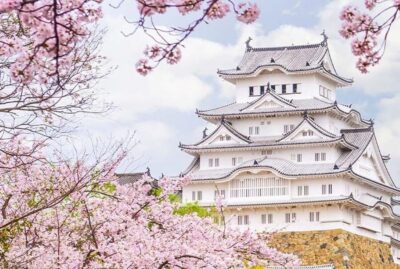
Himeji Castle, Arima Onsen & Mt. Rokko Day Tour
Read our review →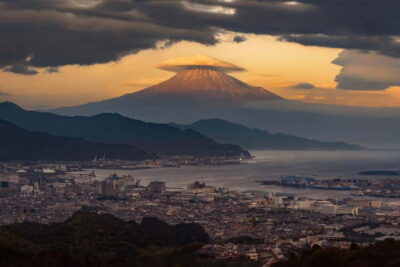
Private Tour to Fuji/Hakone – Onsen, Art, Nature
Read our review →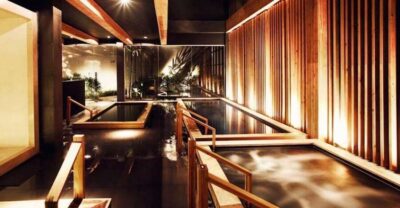
All-Day Pass to Yunomori Sathorn Onsen Bath and Spa
Read our review →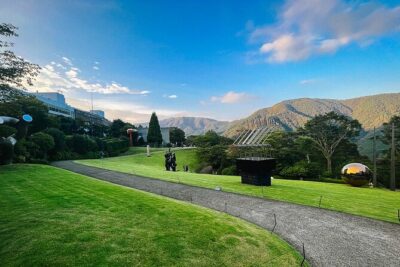
Mt. Fuji, Hakone Private Tour from Tokyo – Onsen, Arts and Nature
Read our review →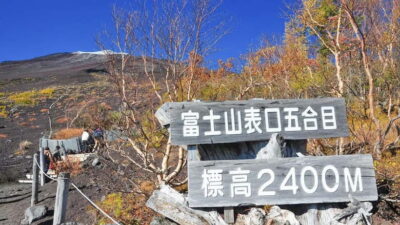
From Fukuoka: Mount Aso, Kurokawa Onsen, and Shrine Tour
Read our review →
Private Nagano 1-Day Tour:Snow Monkeys,Zenko-ji,Obuse,Sake,Onsen
Read our review →Browse the lists this tour appears in