
Review · JAPANESE ONSEN TOURS
Become a local! A Walking Tour of Arts, Crafts&Onsen Culture
Beppu has more to offer than steaming tourist sights. This small-group walk takes you through downtown alleys, a 115-year-old bamboo workshop, an artist residence, and a century-old house turned gallery. I especially like the direct contact with local makers and the chance to hear how residents use onsen culture in daily life. The main drawback is clear: you will not enter an onsen building or visit Beppu’s famous Hells.
I also like the tour’s small size, limited to eight people, since it gives you room to ask questions. Guides such as Masa have earned praise for patient, friendly explanations and strong English. Still, the route can change when local businesses adjust their opening hours, so you should choose this walk for its local character, not for a fixed checklist of sights.
Key points at a glance
- A 115-year-old bamboo workshop: Watch Oita bamboo become carefully made household goods and souvenirs.
- A real artist residence: Kiyoshima Apartment is a working home for artists, not just a formal gallery.
- Beppu beyond the famous Hells: The route uses lesser-known streets, alleys, and local gathering places.
- A market with everyday contact: Beppu Station Market offers a quick look at fresh fish, vegetables, and local commerce.
- A small group with bilingual guidance: English and Japanese guides lead groups of no more than eight.
- A flexible cultural visit: The route may shift because shops and studios do not always keep the same hours.
Why this Beppu walk feels different
Beppu is famous for hot springs, but the town’s identity reaches well beyond its bathing facilities. On this tour, I like the way onsen culture is treated as part of local life rather than as a single sightseeing stop. You learn how people in Beppu enjoy onsen, while walking through the downtown areas where residents work, shop, and make things.
That distinction matters. The tour does not take you to the Hells, the photogenic hot spring pools usually placed at the top of Beppu itineraries. It also does not show you inside an onsen building. Instead, it gives you context, then connects that context to streets, crafts, art, and daily business.
The experience lasts about two hours, though the practical information allows roughly 120 to 150 minutes. The listed stops account for about 80 minutes, with the remaining time used for walking, conversation, and transitions. That makes this a compact choice for a free morning or afternoon in Beppu.
You meet in front of Wander Compass, the tourist information center just outside the east exit of Beppu Station. Arrive about five minutes early. The station is an easy reference point, and beginning there makes the walk simple to fit into a day of exploring.
More Onsen Tours in Japan:
- From Osaka: Himeji Castle, Arima Onsen & Mt. Rokko Day Tour
★ 4.6 · 339 reviews - From Tokyo: Private Tour to Fuji/Hakone – Onsen, Art, Nature
★ 5.0 · 116 reviews - Mt. Fuji, Hakone Private Tour from Tokyo – Onsen, Arts and Nature
★ 5.0 · 79 reviews
Beppu Station Market: a ten-minute look at local shopping
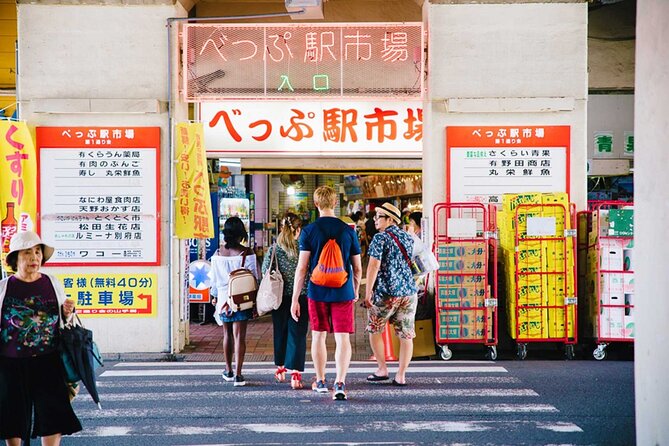
The first stop is Beppu Station Market, where you can look at fresh fish and vegetables and speak with local business people. It is a short visit, so do not expect a full market tour or a long food tasting session. Food and drinks are not included.
I see this stop as a useful opening scene. A market shows you what people buy for ordinary meals, and it gives the guide a chance to explain local habits before the tour moves into craft and art. You may also find this the easiest moment to ask basic questions about Beppu life, since the setting is informal and close to the station.
The limitation is time. Ten minutes passes quickly, and the market is not presented as the main attraction. If you want a slow food crawl, this tour will not fill that role. If you want a quick look at local commerce before walking onward, it does the job.
Nagai Bamboo Factory: craft with a 115-year working history
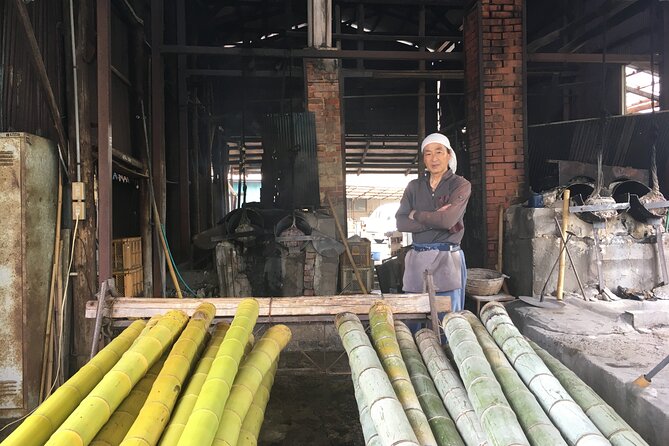
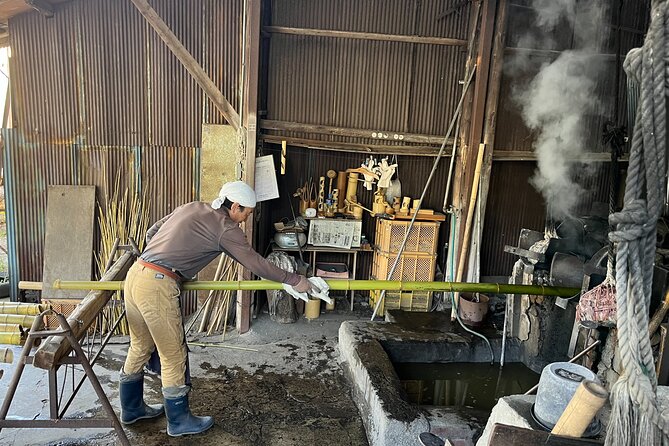
The most distinctive stop is Nagai Bamboo Factory. Founded in 1908, the workshop uses bamboo from Oita Prefecture, and you can watch skilled artisans make bamboo products by hand.
This is the kind of visit that gives a souvenir real meaning. Instead of seeing a finished object behind glass, you get a glimpse of the workshop and the labor behind it. The craft depends on careful handling and patient work, which makes the 30-minute visit more than a simple shopping stop.
You can also buy products at the factory. That gives you a practical reason to bring some spending money, especially if you prefer small, locally made items to mass-produced gifts. The tour price does not include souvenirs, so purchases are optional extras.
I would not expect a hands-on bamboo lesson. The description promises a look at the artisans’ work and workshop, not a craft class. Still, the close view of production is the point. The direct contact with local makers has been one of the most praised parts of the experience, and the stop also connects to a larger issue: traditional bamboo work needs public interest if it is to continue.
The factory visit may change if opening hours shift. That flexibility is worth keeping in mind. You are paying for access to a local cultural route, not a guarantee that every door will open on a particular day.
Kiyoshima Apartment: art where people actually live
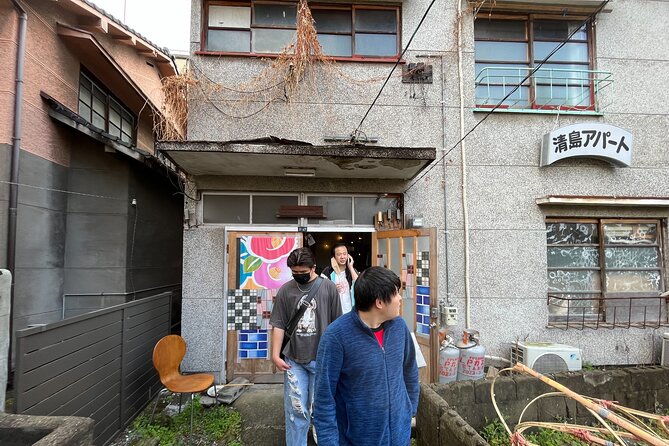
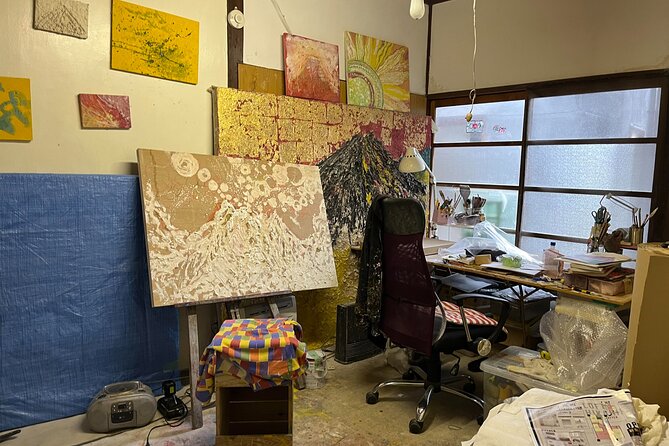
Kiyoshima Apartment brings the tour into an unusual setting. Artists live in the apartment, and you can see their work while getting a feel for the creative atmosphere of Beppu.
The appeal is its informality. This is not simply a gallery with polished walls and labels. It is a residence connected to working artists, so the visit can feel personal and immediate. One especially memorable feature is the chance to meet a resident, ask questions, and hear about local life directly.
That also means you should show the normal courtesy you would use in anyone’s home. The apartment is a living space as well as an art setting. The quality of the visit depends partly on which artists are available and how the day is unfolding.
The 20-minute stop is short, but it gives you enough time to see work and understand the role of the building. If you want a long art discussion or a full studio workshop, this will feel brief. If you want an unexpected connection with Beppu’s creative community, it is one of the strongest parts of the route.
The apartment also helps explain why this tour is different from a standard city walk. You are not just being shown monuments. You are being introduced to places where people make, live, and work.
More Walking Tours in Japan:
- Become a local! A Walking Tour of Arts, Crafts & Onsen Culture
★ 5.0 · 36 reviews - Hot Spring Beppu Onsen with Blue Hell cozy Tour by Car and walk
★ 4.5 · 9 reviews - Hot Spring Town Walking Tour in Shima Onsen
★ 5.0 · 7 reviews - Rotorua: Hell’s Gate Outdoor Mud Spa & Guided Walk
★ 4.7 · 1,140 reviews
Space Beppu: a historic house with art and memory
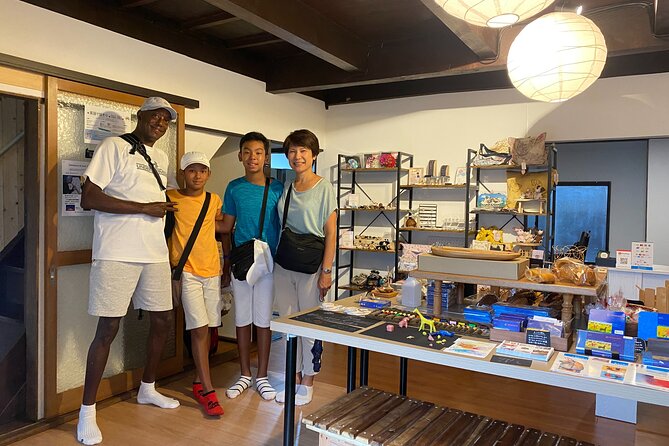
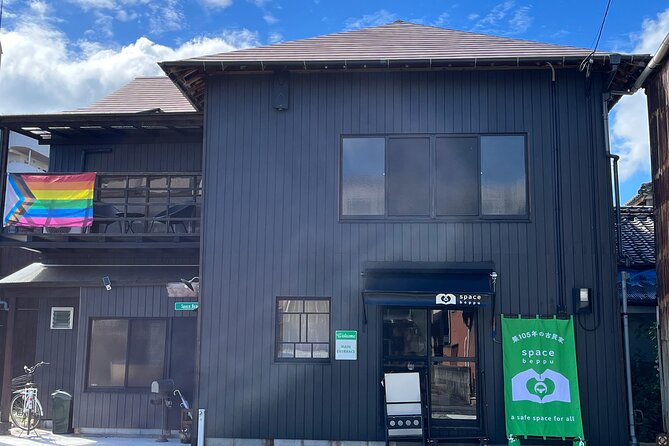
The final listed stop is Space Beppu, a century-old Japanese house that includes a contemporary art gallery, a gift shop, and a history room. The history room contains old photographs of Beppu, giving you a visual record of how the city has changed.
This stop brings the tour’s subjects together. At the bamboo factory, you see a long craft tradition. At Kiyoshima Apartment, you meet artists working in the present. At Space Beppu, historic photographs and contemporary art share one setting. That combination lets you place today’s Beppu in a longer story without turning the walk into a lecture.
You can also spend time with local residents in a relaxed setting. The description presents Space Beppu as a place to unwind, so the pace here is less about racing from object to object and more about looking, talking, and taking in the atmosphere.
The gift shop offers another chance to buy something, but food, drinks, and souvenirs are not included in the $58 price. I would save purchases for the end so you do not carry them through the rest of the walk.
What the $58 price gets you
At $58 per person, this is not the cheapest way to spend two hours in Beppu. Its value comes from access and interpretation, not from a large number of admission tickets. The price includes admission fees for the facilities on the route and a live guide in English or Japanese.
The small group matters here. With a maximum of eight people, you have a better chance of hearing explanations and asking questions than you would on a large bus tour. It also suits visits to a workshop and residence, where a crowd would make conversation awkward.
You are paying for a guided introduction to places that may be hard to identify or understand on your own. The bamboo factory, artist residence, and historic house are not presented as isolated sights. The guide connects them to local customs and to Beppu’s changing cultural life.
The value is weaker if you mainly want famous sights, dramatic hot spring scenery, or a long stop at an onsen. Those are not the focus. You also need to budget separately for food, drinks, bottled water, and anything you buy.
A useful way to judge the price is to ask what kind of memory you want. If you want a photo checklist, choose another activity. If you want a bilingual guide to introduce you to people and places behind Beppu’s public image, $58 is easier to justify.
Guides, group size, and the walking pace
The tour is led in English or Japanese. Specific guides praised for the experience include Masa, who has been described as comfortable and well prepared when explaining Beppu, along with guides noted for patient answers and strong English.
That patience matters on a cultural walk. The best moments may come from a question about local bathing habits, bamboo work, or life in the artist residence. A guide who allows time for conversation can turn a short stop into something memorable.
The group is capped at eight people. That is small enough for a workshop visit and helpful when entering residential or gallery spaces. It also means the tour can feel more like a guided introduction than a formal procession.
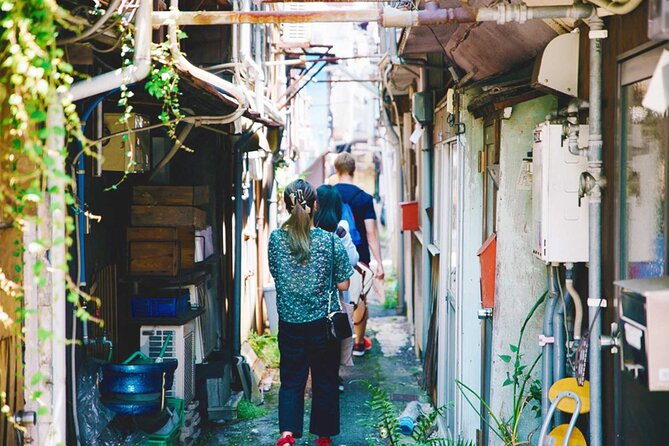
You should be ready to walk through downtown streets and alleys. The route is not recommended for people with back problems, and it is not suitable for wheelchair users. Most people can participate, but comfortable shoes are a sensible choice because the experience combines several stops with walking between them.
What this tour does not include
Clear expectations will improve the experience. The tour does not cover Beppu’s Hells, and it does not take you inside an onsen building. You learn about how locals enjoy onsen, but this is not a bathing experience.
There is no included meal, drink, or bottled water. Bring water if you need it, and carry a little cash or another payment method for bamboo products and gifts. The price covers admission fees, not personal purchases.
The route and places visited can change because businesses may open at different times. That is not necessarily a flaw. Small local operations do not always work like major attractions with rigid schedules. Still, if you need every stop to be guaranteed, this flexible format may frustrate you.
The tour is designed for ages 0 to 80, although the walking and accessibility limits matter more than the broad age range. Children can join, but the appeal depends on their interest in markets, craft, and art rather than on fast entertainment.
Who should book this walk
I would recommend it to you if you have already seen Beppu’s headline sights or if you prefer meeting local makers to collecting famous viewpoints. It is also a good fit for anyone interested in Japanese craft, small art spaces, historic buildings, and the everyday side of onsen culture.
The tour suits solo visitors and couples especially well because the small group makes conversation easier. English-speaking visitors can book with confidence, while Japanese speakers receive the same tour in Japanese.
You may want to skip it if you need a fully accessible route, have serious back problems, or want an actual hot spring bathing session. It is also not ideal for anyone expecting a long market visit, a bamboo-making workshop, or a complete tour of Beppu’s most famous attractions.
I would book it early in a Beppu stay if possible. The guide can give you cultural context for the rest of your time in town, and you may find a bamboo item or art space worth returning to later.
Final verdict: a thoughtful choice for local Beppu
This is a focused cultural walk, not a greatest-hits tour. Its strongest features are the 1908 bamboo factory, the unusual artist residence, the friendly bilingual guidance, and the chance to see Beppu through ordinary streets rather than only through its famous hot spring attractions.
The route’s flexible schedule and limited access to onsen facilities are real considerations. But if you want direct contact with local craft and art, the $58 fee offers a personal experience that a standard sightseeing loop cannot easily match.
Book it if you want Beppu to feel like a living town, not just a collection of tourist stops. Skip it if your priority is the Hells or bathing inside an onsen. For the right kind of visitor, this is a compact and worthwhile way to meet the city behind its steam.
FAQ
Where does the tour meet?
Meet in front of Wander Compass, the Beppu Station tourist information center just outside the station’s east exit.
How early should I arrive?
You should gather at the meeting point five minutes before the tour starts.
How long does the tour last?
The stated duration is two hours, with the practical tour outline allowing about 120 to 150 minutes.
What languages are available?
The live guide service is available in English and Japanese.
How large is the group?
The tour is limited to eight participants.
Does the tour visit the Beppu Hells?
No. The route focuses on lesser-known cultural streets and alleys rather than the popular Hells attractions.
Do you go inside an onsen building?
No. You learn about local onsen customs, but the tour does not show you inside an onsen building.
Is food or bottled water included?
No. Food, beverages, bottled water, and souvenirs are not included.
Can I buy bamboo products?
Yes. Nagai Bamboo Factory offers the opportunity to purchase bamboo products made by local artisans.
Is the tour suitable for wheelchair users?
No. The experience is not suitable for wheelchair users, and it is not recommended for people with back problems.
Just added around Japan
- Japanese Head Onsen and Scalp Massage Retreat in Tokyo★ 4.5 · 2 reviews
- Tokyo Local Tattoo Friendly Public Bath Experience★ 5.0 · 4 reviews
- Mt Fuji Small Group 1 Day Tour Kawaguchi and Yamanaka with Pickup★ 5.0 · 4 reviews
- Mt. Fuji Tours to Lake Kawaguchi and Yamanaka Onsen English Guide★ 4.5 · 4 reviews
- Mt. Fuji to Lake Kawaguchi, Lake Yamanaka and Onsen Day Tour★ 4.5 · 3 reviews
- Onsen Spa in Tokyo and Asakusa Bar Hopping with Local Guide★ 5.0 · 3 reviews
- Tattoo-friendly open-air Onsen & drink★ 5.0 · 25 reviews
- Private Tour to Snow Monkey, Zenkoji Temple & Hot Springs Nagano★ 4.0 · 2 reviews
Japanese Onsen Tours, compared.
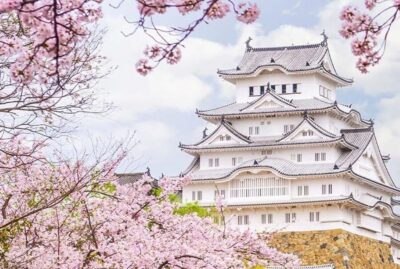
Himeji Castle, Arima Onsen & Mt. Rokko Day Tour
Read our review →
Private Tour to Fuji/Hakone – Onsen, Art, Nature
Read our review →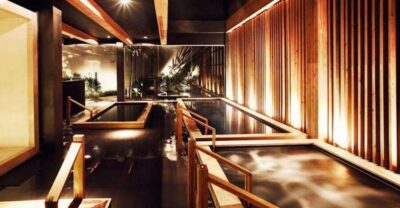
All-Day Pass to Yunomori Sathorn Onsen Bath and Spa
Read our review →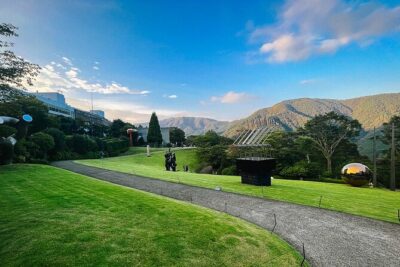
Mt. Fuji, Hakone Private Tour from Tokyo – Onsen, Arts and Nature
Read our review →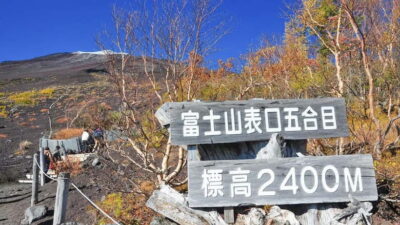
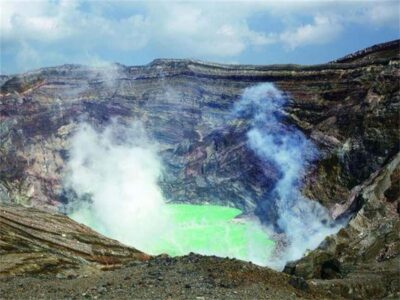
From Fukuoka: Mount Aso, Kurokawa Onsen, and Shrine Tour
Read our review →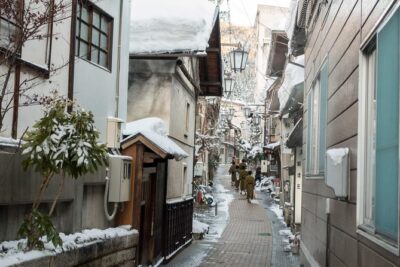
Private Nagano 1-Day Tour:Snow Monkeys,Zenko-ji,Obuse,Sake,Onsen
Read our review →Browse the lists this tour appears in