
Review · VOLCANO & CRATER HOT SPRINGS
Rotorua: Marama Geyser Light Trail & Geothermal Experience
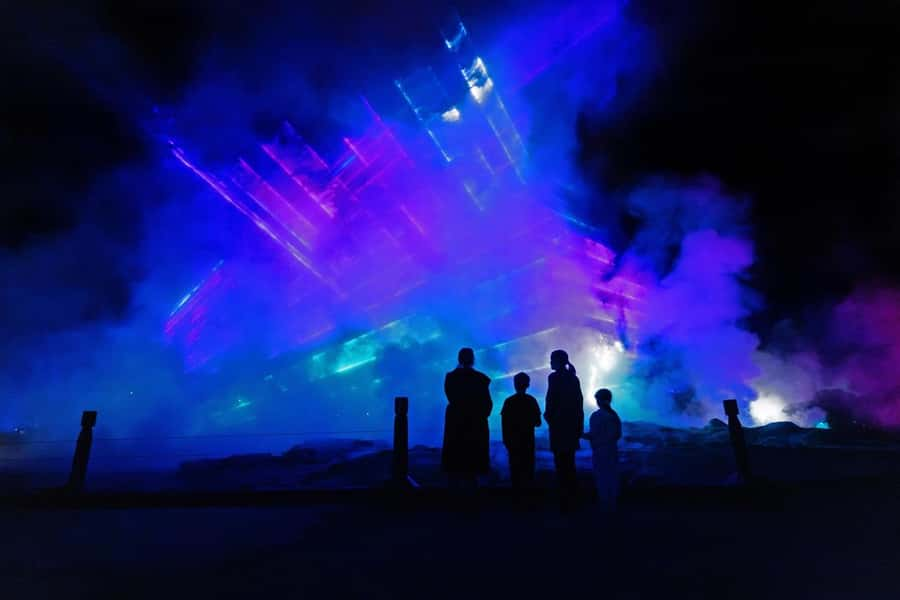
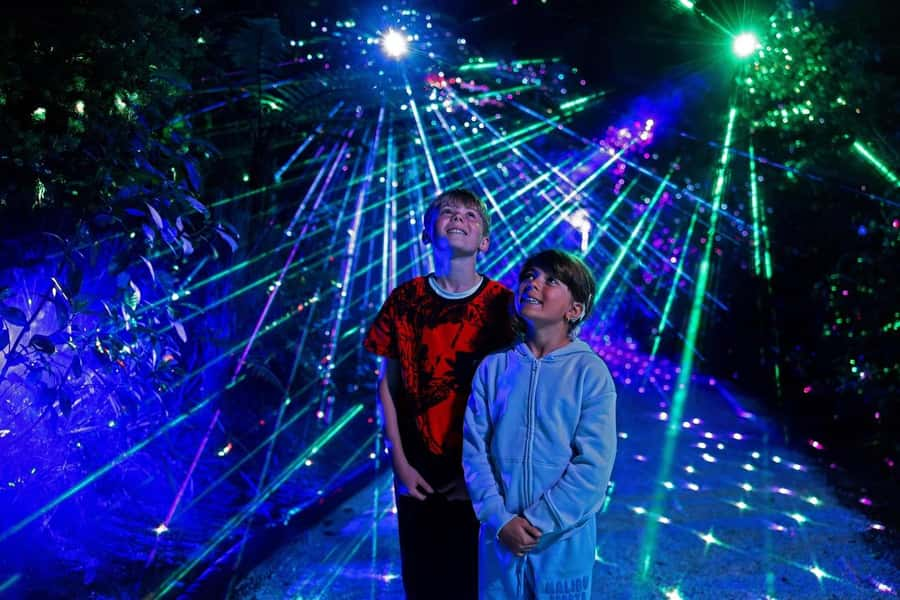
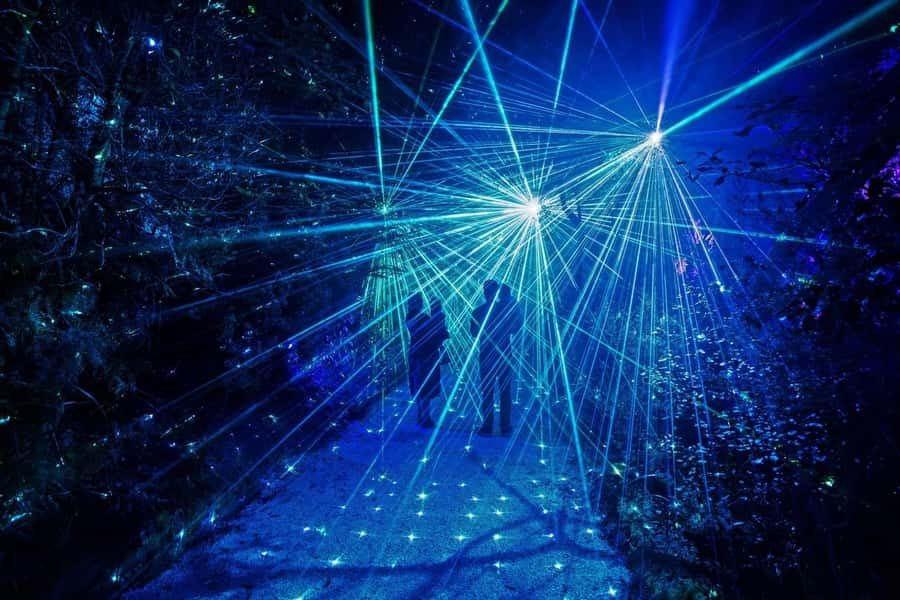
Rotorua glows after dark. At Te Puia, the Mārama Geyser Light Trail turns a geothermal valley into a moving show of light, sound, music, and Māori storytelling. You follow a 1.5km outdoor path from the entrance toward Pōhutu Geyser, then finish at Pikirangi Village beneath the glow of Mārama, the moon.
I like the way the experience lets you walk at your own pace rather than sit in one fixed viewing area. I also like the use of Maisey Rika’s music, which gives the night a strong local voice. The main consideration is that the effects can be intense, and the unpaved path is not suitable for people with mobility impairments.
I would not treat this as a traditional geothermal tour with long explanations at every stop. It is closer to an evening art walk set inside one of Rotorua’s most dramatic geothermal sites. At $29 per person, it offers good value if you want a one-hour night activity with a polished presentation, though visitors seeking a full cultural or science-focused tour may want to pair it with another Te Puia experience.
Key points before you book
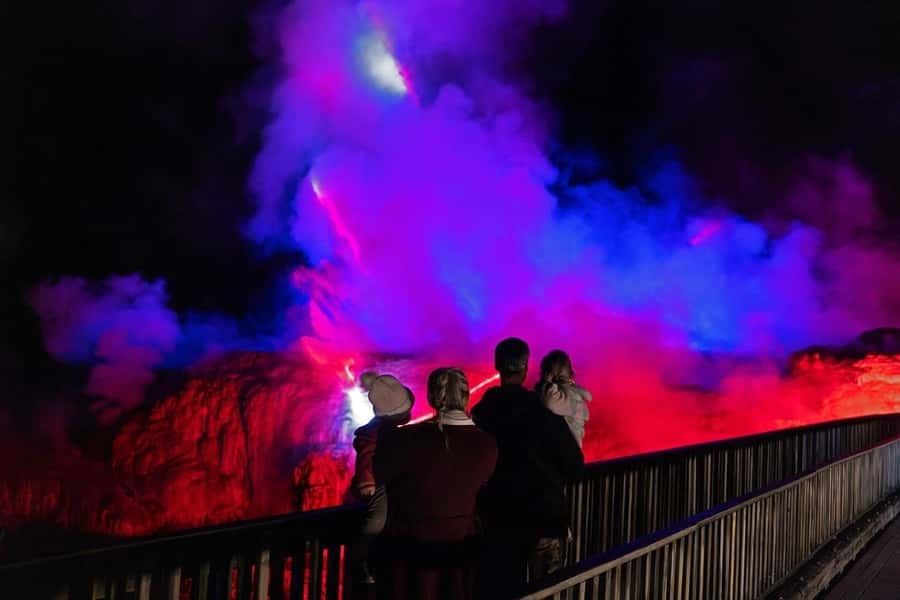
- Pōhutu Geyser after dark: The geyser is the star of the trail, and its shape and steam take on a different character under colored light.
- A 1.5km outdoor route: Allow about 60 minutes for the walk itself, with the full visit taking roughly 90 minutes.
- Maisey Rika’s music: Her melodies accompany the route and help give the show a distinctly New Zealand feel.
- Ten illuminated scenes: Interactive artworks and light installations appear along the path, so the walk unfolds in stages rather than as one single display.
- A sweet stop at the Terrace: You can buy a drink or treat while looking toward Pōhutu Geyser.
- Wednesday through Sunday only: Gates remain open for four hours each evening, but final entry is one hour before closing.
Starting at Te Puia after sunset
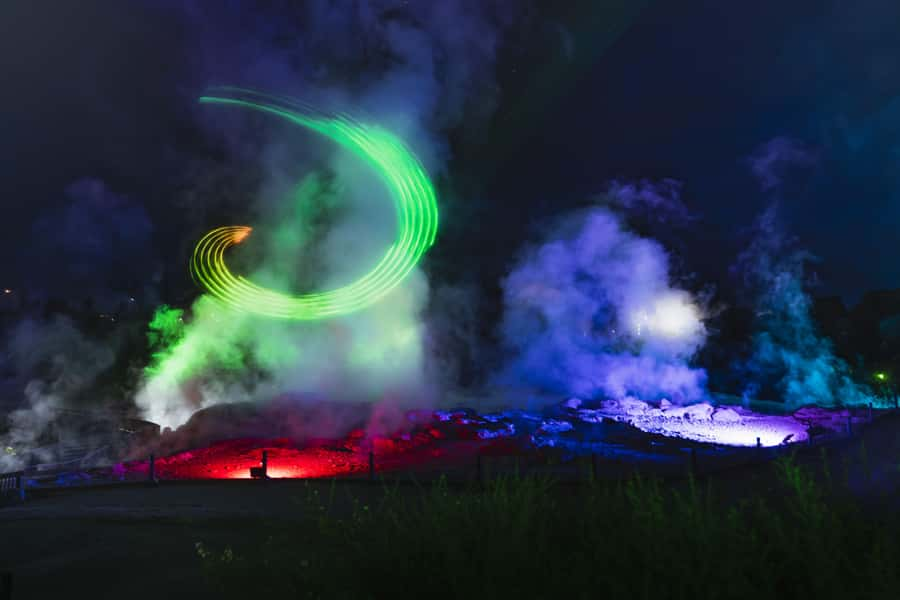
The meeting point is the main entrance at carpark 1, on Hemo Road in Whakarewarewa, about 2.5km south of Rotorua. That short distance makes the experience easy to add to an evening in town, although you will need to arrange your own way to Te Puia.
The night begins in a festival-like area at the entrance. This first section prepares you for the change from ordinary evening to theatrical night walk. The lighting starts the story before you reach the geothermal valley, so you are not simply walking from a carpark to a geyser.
The experience is hosted in English, with guides positioned around the route. Their role is useful because the light installations can be attractive without always being self-explanatory. You can pause, look around, and pick up information about what you are seeing before moving on.
I appreciate this loose structure. You are not forced to keep up with a large group, but you are not left entirely on your own either. That balance works well for couples, families with older children, and anyone who prefers to stop for photographs.
More Volcano Hot Springs in Rotorua:
- Bali: Mount Batur Sunrise Guided Hike and Natural Hot Spring
★ 4.8 · 9,284 reviews - Reykjavik: Golden Circle, Kerid Crater, & Blue Lagoon Tour
★ 4.9 · 5,270 reviews - Bali/Mount Batur: Private Sunrise Jeep Tour & Hot Spring
★ 4.8 · 3,528 reviews
Ten scenes lead you into the geothermal valley
The route moves from darkness toward light. That basic idea gives the walk a clear shape: the entrance feels like a beginning, the valley becomes the main event, and Pikirangi Village provides the closing scene.
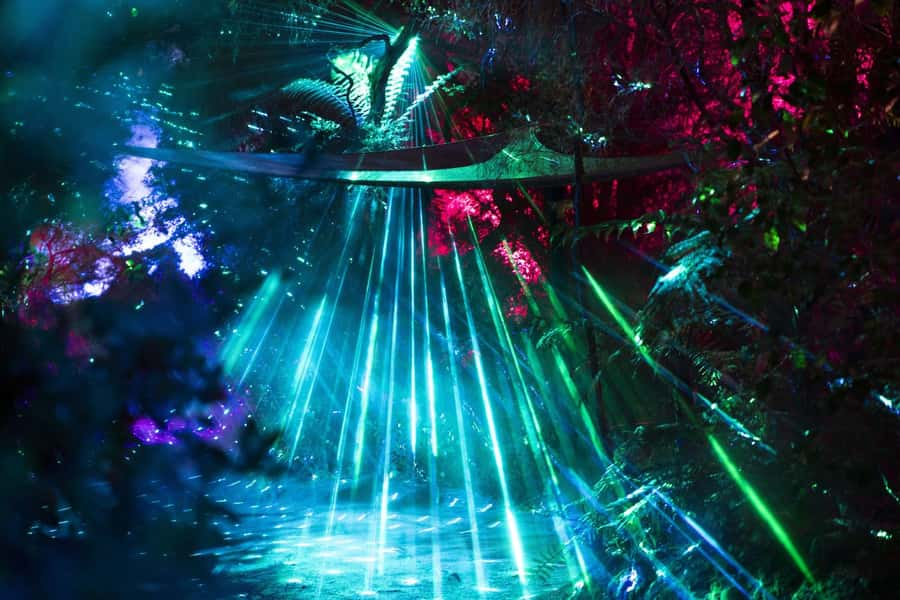
Along the way, ten different areas are brought to life with lighting, sound, and interactive artworks. The supplied information does not give each scene a separate name or theme, so you should not expect a detailed stop-by-stop museum tour. Instead, think of the route as a sequence of visual moments that gradually changes the way you see the valley.
This format is important. Geothermal sights are powerful in daylight, but the darkness lets the lights control your attention. Paths, steam, trees, and volcanic features become part of the presentation. The site remains natural and imposing, yet the lighting adds a sense of play.
The experience also gives you time to make your own choices. You can linger at a scene that catches your eye or keep moving if an installation does not hold your attention. One recent visitor hoped for more games and puzzles, so interactive here does not mean a full hands-on adventure at every stop. The interaction is mainly part of the visual setting.
Pōhutu Geyser is the night’s main attraction
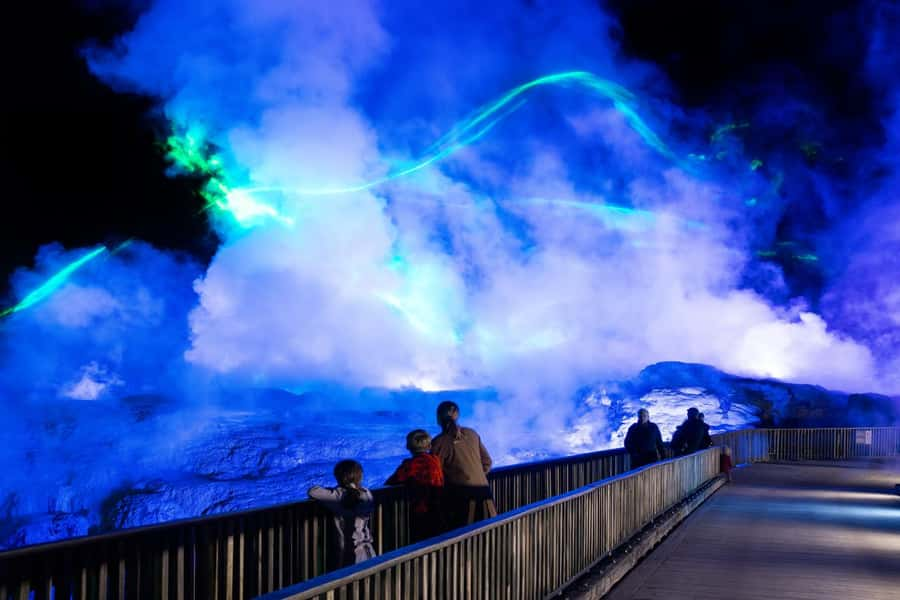
The strongest moment comes when the route opens toward Pōhutu Geyser. During the day, you see the steam, rock, and geothermal activity in natural light. At night, colored illumination changes the mood without taking away the geyser’s scale.
This is the part I would plan around. The light show gives Pōhutu a more dramatic appearance, and photographs may struggle to capture the effect. One visitor specifically found that the geyser looked much better in person than in pictures. That is a useful warning: do not judge the experience by a few phone images.
The view from the Terrace adds a welcome pause. You can buy a sweet treat or drink and look toward Pōhutu while taking a break from the path. Food is not included in the $29 price, so bring your expectations down to a simple optional refreshment stop rather than a meal.
The Terrace is also practical. Night air in Rotorua can feel cool, and a pause gives you time to adjust clothing, check photographs, and let the main scenes unfold around you. If you are visiting with children, this is a natural point to slow down before the final section.
Maisey Rika’s music gives the trail a local voice
Sound matters here as much as color. The music of New Zealand artist Maisey Rika accompanies the route, creating a continuous thread between the entrance, the light scenes, the geyser, and the village setting at the end.
That choice keeps the experience from feeling like a generic light festival. The lighting could easily become a collection of attractive effects with no sense of place. Music by a local artist helps tie the show to Aotearoa and gives the night a more personal tone.
You may respond to the sound more strongly than to the interactive pieces. The music is designed to guide your movement and mood, while the lights change what you notice around you. I like that the show uses the geothermal valley as its setting rather than building an unrelated display in a separate event space.
Still, this is not a concert. The music supports the walk, and you should not book Mārama expecting a full live performance by Maisey Rika. It is a sound experience woven through the route.
A few more places to soak around Rotorua worth a look
- Rotorua: Wai-O-Tapu Geothermal Park Entry Ticket
★ 4.6 · 2,601 reviews - Rotorua: Hell’s Gate Outdoor Mud Spa & Guided Walk
★ 4.7 · 1,140 reviews - Rotorua Rafting: Kaituna River Rafting Experience-Free Sauna
★ 4.9 · 401 reviews - Polynesian Spa Rotorua: Deluxe Lake Spa Hot Spring Bathing
★ 4.5 · 358 reviews
The farewell at Pikirangi Village
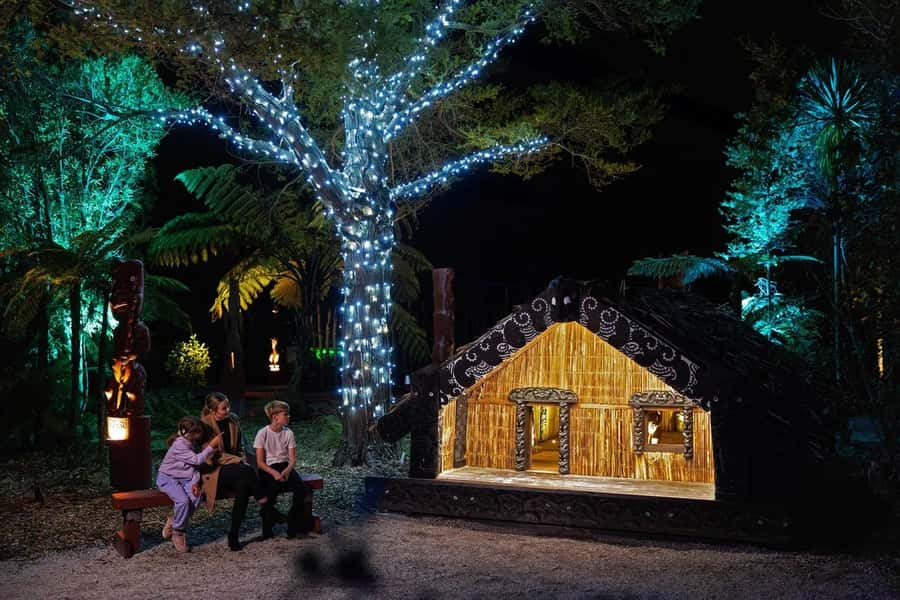
The trail ends at Pikirangi Village, a traditional setting lit beneath Mārama, the moon. This closing section gives the walk a sense of arrival after the darker opening and the bright geothermal scenes.
The setting helps bring the focus back to people and place. The route begins with technology and spectacle, but it finishes in a cultural environment connected to Te Puia. That contrast is one of the more thoughtful parts of the design.
You should allow time here rather than treating the village as an exit corridor. The final farewell is meant to close the story, and it provides a calmer finish after the brighter sections. It also gives you another chance to take photographs, though warm clothing will be welcome if you have been outdoors for most of the evening.
How long the visit takes
The walking portion covers about 1.5km. You can explore it in roughly 60 minutes at your own pace, while the full experience is described as approximately 90 minutes.
Those figures are not contradictory. The hour refers to moving through the trail and its scenes. The longer estimate allows time for guides, photographs, the Terrace, pauses at Pōhutu, and the farewell at Pikirangi Village.
Gates are open for four hours each evening, with final entry one hour before closing. That broad window gives you some flexibility, but Mārama operates from Wednesday through Sunday only. Check the available start times before building it into your Rotorua plans, especially if you are visiting for a short stay.
I would avoid arriving at the final possible entry time unless you know the closing schedule well. A relaxed pace is part of the appeal, and rushing through the valley would weaken the effect.
Is $29 good value?
At $29 per person, Mārama sits at a reasonable price for an evening attraction in a major geothermal destination. You are paying for the lighting, sound design, hosted route, access to the outdoor trail, and the chance to see Pōhutu Geyser in a completely different setting.
The value is strongest if you want a focused night activity. You do not need to commit to a full-day program, and the route lasts long enough to feel like a proper outing rather than a quick photo stop. The price also makes sense for visitors who have already seen Rotorua’s geothermal areas by day and want a new view after sunset.
The value is weaker if you expect a long guided explanation of Māori culture, geology, or geothermal science. The trail uses storytelling and place, but its main purpose is sensory and artistic. You may want a separate Te Puia visit or another daytime activity if education is your top priority.
Food is extra, and there is no transport included in the stated price. Those are small costs, but they matter when you are comparing the experience with other evening plans.
Who will enjoy Mārama most?
I would recommend this for:
- Couples looking for a gentle evening outing
- Families who enjoy lights, music, and short walks
- Photographers who want a different view of Pōhutu Geyser
- Visitors with one free night in Rotorua
- People who prefer an independent pace with guides nearby
- Anyone who has already seen geothermal Rotorua by daylight
The experience is less suitable if you dislike bright visual effects, motion-like lighting, or outdoor walking at night. Some effects may cause discomfort for people with light sensitivity or motion sickness, so take that warning seriously.
The 1.5km route includes unpaved paths and is not suitable for wheelchairs or people with mobility impairments. Comfortable shoes are essential. Bring warm, weather-appropriate clothing even if the evening begins mild, and carry a camera if you want photographs of the illuminated geyser and installations.
Practical tips for a smoother evening
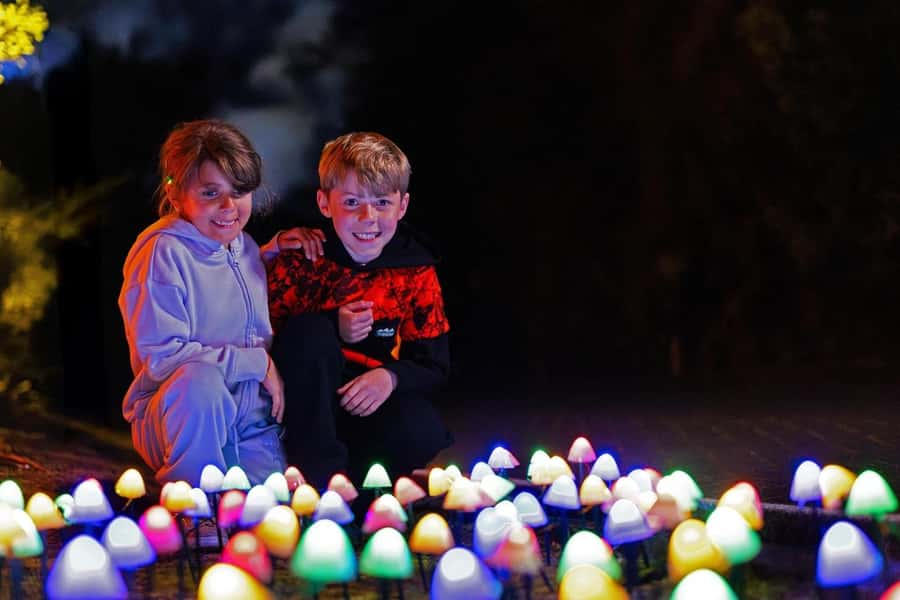
Wear shoes with a firm sole. The route is not a paved promenade, and comfortable footwear will make the hour-long walk much easier.
Dress in layers. You will spend the experience outside, and stopping near the geyser or at the Terrace may make you notice the cold more than while walking.
Give yourself time at the main scenes. The lighting changes your view of the valley, and the experience works best when you pause instead of racing from one installation to the next.
Keep your camera ready, but do not spend the whole night looking at a screen. The geyser’s light and steam are difficult to capture properly, and the strongest effect comes from seeing the scene directly.
If you are sensitive to flashing or intense visual effects, consider your comfort before booking. The lighting is a central part of Mārama, not a minor detail.
The cancellation policy is forgiving: you can cancel up to 24 hours before the experience for a full refund. You can also reserve and pay later, which helps if Rotorua weather or your wider itinerary is still changing.
How Mārama compares with a normal geothermal visit
A daytime geothermal visit usually puts the emphasis on natural features, clear views, and information about volcanic activity. Mārama changes the priority. The valley becomes a stage, and light, sound, and movement guide your attention.
That does not make the night version better or worse. It makes it different. If you want to understand how the geysers work, choose an experience built around daytime interpretation. If you want to see a familiar site in a more artistic way, Mārama is the better fit.
The night setting also creates a sense of discovery without requiring a strenuous walk. You are still moving through an outdoor geothermal area, but the route is designed for atmosphere rather than a demanding hike.
One limitation is that the show may feel less exciting to you if you want games, puzzles, or extensive hands-on elements. The interactive artworks add interest, but they do not turn the trail into a large-scale adventure course.
Should you book the Mārama Geyser Light Trail?
Book it if you want to see Pōhutu Geyser after dark, enjoy a well-produced light and sound walk, and have about 90 minutes for an evening activity. The combination of geothermal steam, Maisey Rika’s music, ten illuminated scenes, and the closing passage through Pikirangi Village gives Rotorua a fresh nighttime character.
Skip it if you are looking for a full cultural lecture, a meal, or an accessible paved route. Also think twice if intense lighting makes you uncomfortable.
For most visitors who want a compact, memorable night out, $29 is a fair price. Arrive in warm clothes, wear proper shoes, leave time for the Terrace, and let the trail unfold at its own pace.
FAQ
Where does the Mārama Geyser Light Trail begin?
It begins at the Te Puia main entrance at carpark 1 on Hemo Road, Whakarewarewa, about 2.5km south of Rotorua.
How long does the experience take?
The 1.5km walking route takes around 60 minutes to explore. The full experience lasts approximately 90 minutes when you include pauses and the farewell at Pikirangi Village.
What days does Mārama operate?
The experience operates from Wednesday through Sunday.
Is food included in the ticket?
No. You can buy a sweet treat or drink at the Terrace, but food is not included in the $29 price.
Is the experience suitable for wheelchairs?
No. The route includes unpaved paths and is not suitable for wheelchairs or people with mobility impairments.
What should I wear?
Wear comfortable shoes and clothing suitable for the weather. Warm clothing is recommended because the experience takes place outdoors at night.
Can the lighting cause discomfort?
Yes. Some visual effects may be intense and could cause discomfort for people with light sensitivity or motion sickness.
Just added around Rotorua
- Whakarewarewa: Self-Guided Geothermal Trails★ 4.5 · 41 reviews
- WAI-O-TAPU Geothermal, Rotorua – Group Day Tour Ex Auckland★ 4.3 · 4 reviews
- Whaka Geothermal Trails Self-Guided Tour★ 3.5 · 44 reviews
- Private Tour Waiotapu Geothermal Shore Excursion up to 8 passengers★ 5.0 · 6 reviews
- Lake Rotoiti Guided Hot Pools Kayak Trip★ 5.0 · 23 reviews
- Polynesian Spa Rotorua: Family Hot Pools and Freshwater Pool★ 3.5 · 14 reviews
- Wai Ariki Hot Springs and Spa Restorative Journey (2hrs)★ 4.5 · 73 reviews
- Lake Rotoiti Evening Kayak Tour including Hot Springs, Glowworm Caves and BBQ Dinner★ 5.0 · 60 reviews
Volcano & Crater Hot Springs, compared.
Mount Batur Sunrise Guided Hike and Natural Hot Spring
Read our review →
Golden Circle, Kerid Crater, & Blue Lagoon Tour
Read our review →
Bali/Mount Batur: Private Sunrise Jeep Tour & Hot Spring
Read our review →
Mount Batur Sunrise Hike and Natural Hot Spring Option
Read our review →
Mount Batur Shared Jeep Sunrise & Hot Spring Tour
Read our review →
Golden Circle, Secret Lagoon and Kerid Crater Tour from Reykjavik
Read our review →
Golden Circle, Crater & Blue Lagoon Minibus Tour
Read our review →
Mount Batur Sunrise Jeep Tour with Optional Activities
Read our review →Browse the lists this tour appears in