
Review · VOLCANO & CRATER HOT SPRINGS
mount rinjani 3D/2N summit,lake.hot spring and crater rim
Sunrise from Rinjani comes at a price: sore legs. This three-day, two-night route gives you the full Mount Rinjani experience, from the open grasslands above Sembalun to the summit, Segara Anak Lake, hot springs, and both crater rims. I like the wide eastern views on the first day, and I like that the route crosses the mountain rather than simply returning the way it came. The main drawback is the effort: summit day begins around 3 a.m., and you still have a hard climb down to the lake and back up to the opposite crater rim.
At $137 per person, the trip offers solid value if you want guides, porters, meals, tents, cooking gear, sleeping equipment, and transport from Senaru to Sembalun included. You still need to budget for the national park fee, personal gear, and possibly accommodation before the trek.
The small group is limited to 10 people, which should make a long hike easier to manage. The strongest personal touch comes from the team: guide Reno and his two porters received special praise for their care, while the service before and after the trek was also described as excellent.
Five things to know before climbing Rinjani
- The route crosses Mount Rinjani: You start at Sembalun and finish in Senaru, seeing both sides of the mountain.
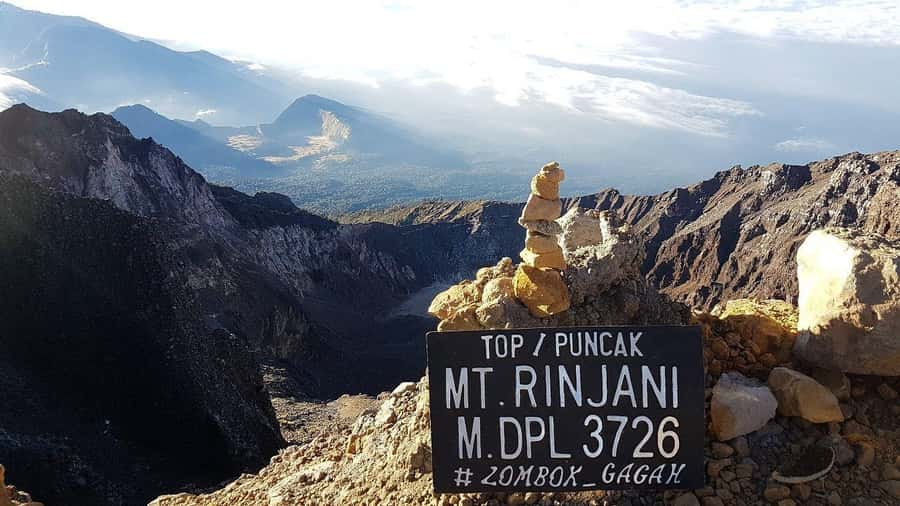
- Summit day starts at 3 a.m.: You climb roughly three hours to reach the summit at 3,726 metres for sunrise.
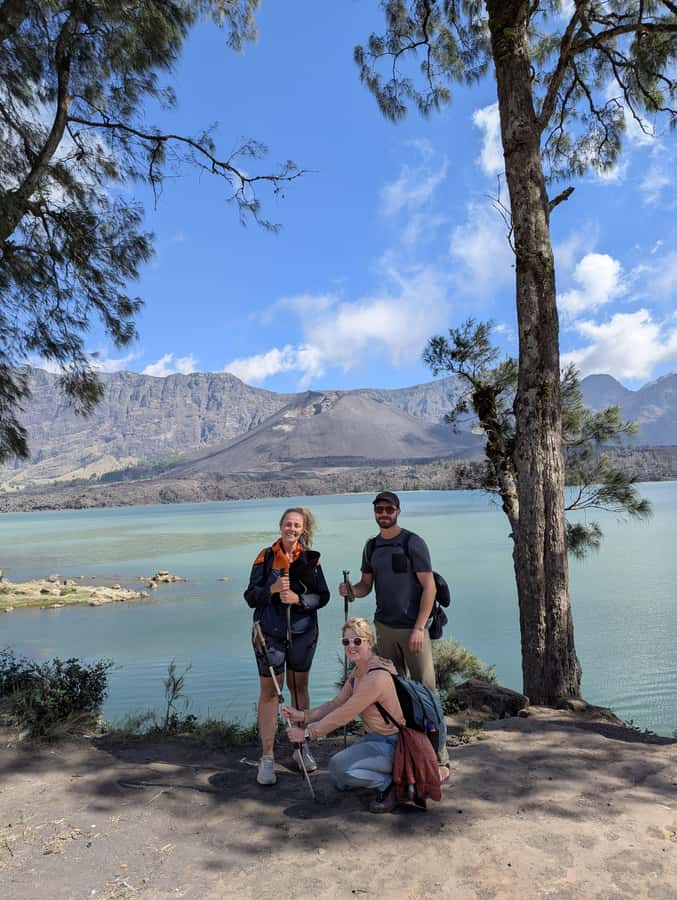
- Segara Anak Lake is a major reward: The crater lake comes with time for lunch and a short soak in nearby hot springs.
- The second crater rim requires another hard climb: After the lake, you climb out of the crater and camp at Senaru Crater Rim.
- The $137 price is not all-inclusive: The national park entrance fee, personal hiking gear, headlamp, and accommodation before the trek cost extra.
Why this Rinjani route is worth considering
Mount Rinjani is not a casual hill walk. This program gives you three days to cross a large volcanic area, sleep at two different crater rims, reach the summit, and visit the lake. That makes it far more rewarding than a quick viewpoint trip, but it also demands real stamina.
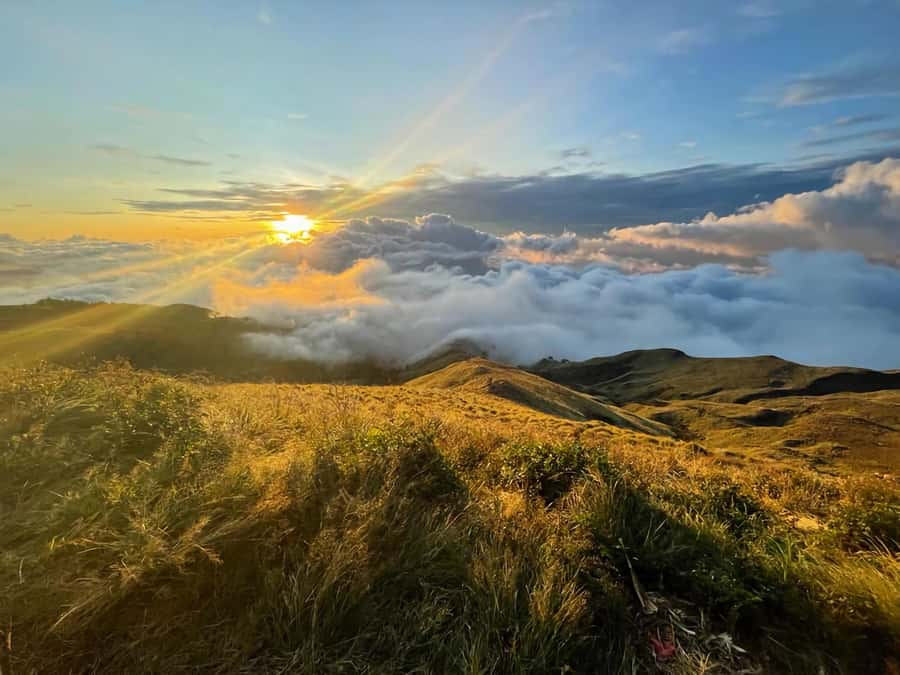
I like the route because each day has a different character. Day one is a long climb through open grassland. Day two mixes the summit, a volcanic lake, hot springs, forest, and another crater rim. Day three is a steady descent through thicker forest to Senaru.
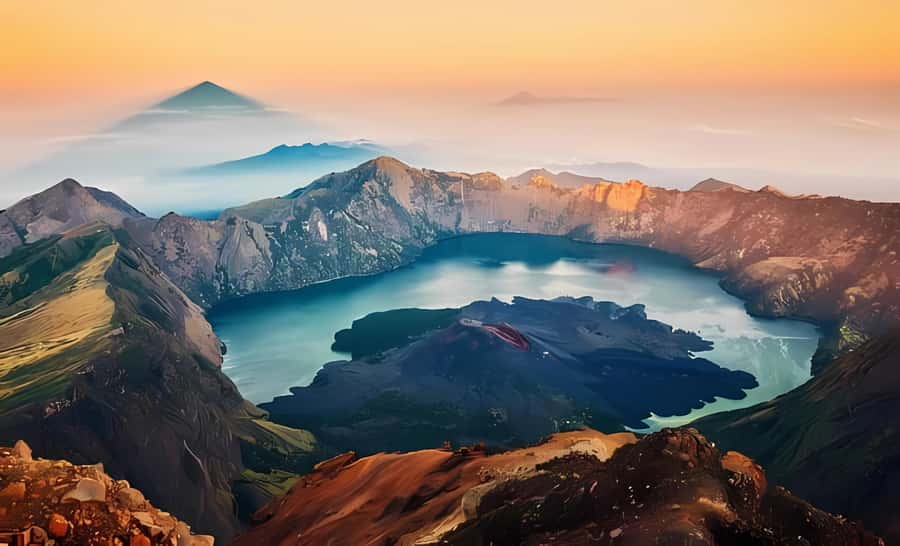
The route also gives you changing views. From the Sembalun side, the scenery begins wide and open. From the crater rims, you look into the volcano toward Segara Anak Lake and Gunung Baru, the small volcanic cone inside the crater. On clear days, you may also see Mount Agung in Bali and the Gili Islands.
The price of $137 is reasonable for what is included. Your guide and porters carry the cooking equipment and camping gear, prepare food, and provide drinking water. You receive a tent, toilet tent, paper, sleeping bag, mattress, gloves, and trekking poles.
The extra costs matter, though. The national park fee is listed at IDR 200,000 per person per day, which adds up over three days. You also need your own hiking shoes, rain jacket, long trousers, headlamp, small day pack, toiletries, and other personal items.
More Volcano Hot Springs in Indonesia
- Bali: Mount Batur Sunrise Guided Hike and Natural Hot Spring
★ 4.8 · 9,284 reviews - Bali/Mount Batur: Private Sunrise Jeep Tour & Hot Spring
★ 4.8 · 3,528 reviews - Mount Batur Sunrise Hike and Natural Hot Spring Option
★ 5.0 · 1,927 reviews
Day one: Sembalun grasslands to the 2,639-metre crater rim
The first day begins with pickup at 7 a.m. The published plan describes pickup in Senaru, followed by a 4WD ride to Sembalun. Sembalun and Senaru are both listed as pickup options, so confirm your exact pickup point after booking.
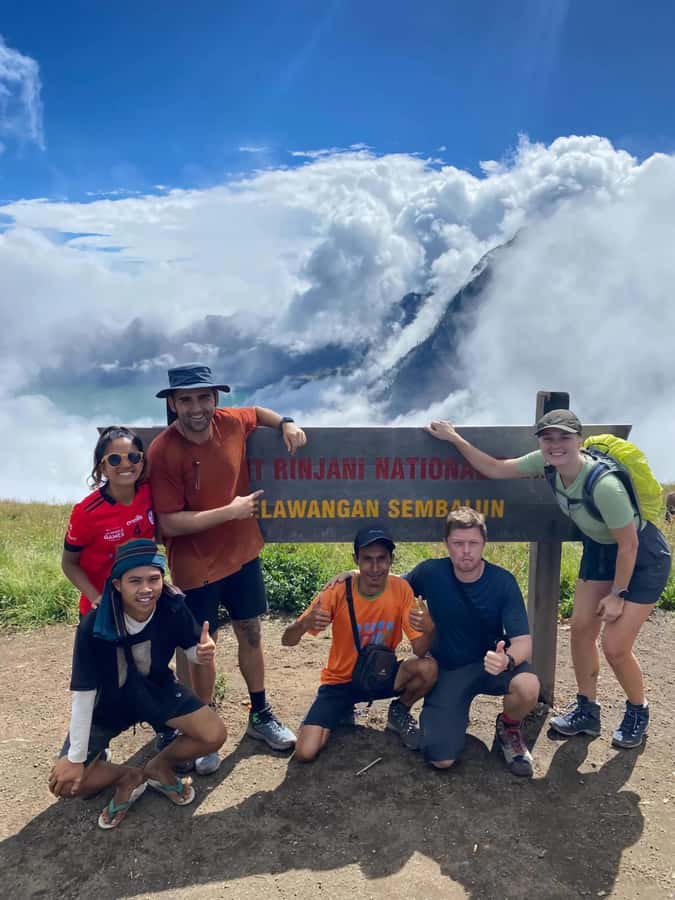
At Sembalun, you register at the Rinjani Trek Centre, located at about 1,156 metres. The path then crosses open, rolling grassland. This is a pleasant start because you can see the broad eastern side of the mountain instead of walking straight into thick forest.
You stop at Pos 1 and Pos 2 for rests and snacks. At Pos 3, around 1,800 metres, you take a longer break for lunch. These stops break up the day, but do not mistake them for easy progress. The trail keeps rising, and the final climb toward the crater rim becomes steep.
The afternoon push is the hardest part of day one. You climb from the open grassland to Sembalun Crater Rim at 2,639 metres. The route is exposed, so sun protection matters. Bring a hat, sunscreen, water, and a light jacket for the colder evening.
Camp at the rim gives you one of the trip’s best settings. You can look toward Segara Anak Lake, the summit of Mount Rinjani, and the northern part of Lombok. Sunset here is a key reason to take the longer program instead of a shorter summit-only plan.
Your guide and porters set up the camp and prepare food. The included toilet tent is basic, as you should expect on a mountain trek. Sleeping bags and mattresses are supplied, but this is still camping at altitude, not a comfortable hotel night.
Day two: summit sunrise, Segara Anak, and the hot springs
Day two starts at about 3 a.m. You have a light breakfast, then begin the three-hour climb to the summit at 3,726 metres. The early departure is necessary if you want to reach the top around sunrise.
This is the most demanding part of the program. The climb is steep and tiring, and you need enough energy for the rest of the day. A headlamp or hand torch is not included, so bring one. A phone flashlight is a poor substitute when you need both hands for balance.
At the summit, the reward is a sunrise view over Rinjani’s volcanic terrain. The high point offers the best chance for broad views, but weather can affect visibility. Even with clouds, reaching the top is a major achievement. With clear skies, you may see the crater, Lombok, Mount Agung in Bali, and the Gili Islands.
After the summit, you return to the Sembalun Crater Rim campsite for a hot breakfast and rest. This pause is important. The day is only halfway done, and the route then drops into the crater.
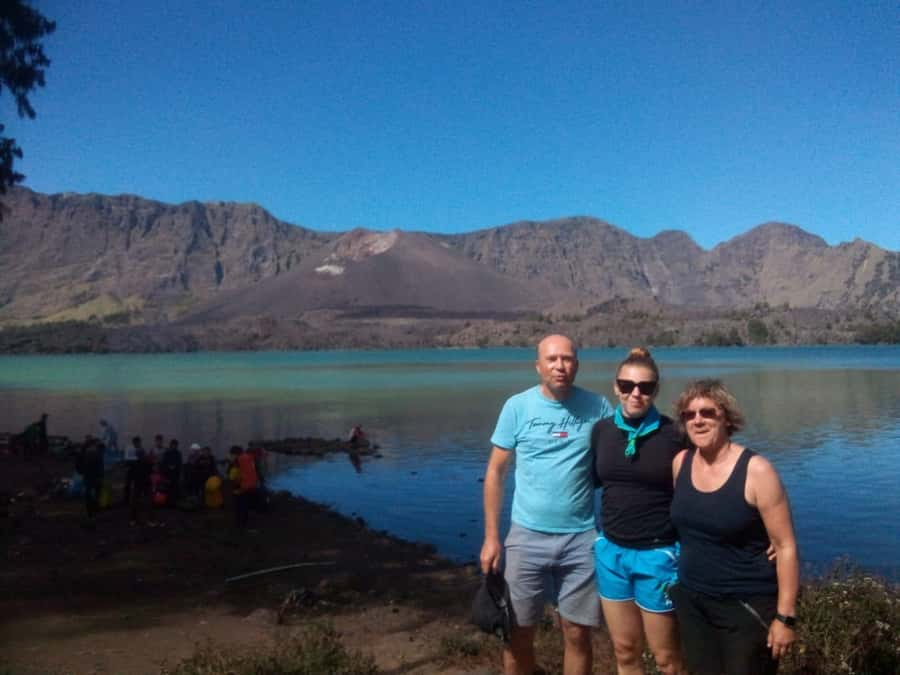
The descent to Segara Anak Lake leads through steep and rocky ground. You stop at the lakeshore at around 2,000 metres for lunch. The lake is the visual center of Mount Rinjani’s crater, with Gunung Baru rising within the wider volcanic basin.
You also have time to enjoy the hot springs for a few minutes. This is a welcome break after the summit climb, but the stop is short rather than a long bathing session. Bring a towel and keep your expectations practical. You are still on a mountain trail, not at a developed spa.
After lunch, you continue around the lakeshore before climbing out of the crater. This next ascent is steep and rocky, then passes into denser forest. It is a tough sequence: early summit climb, long descent, lunch by the lake, and another uphill section.
The day ends at Senaru Crater Rim, at about 2,641 metres. Here you camp again and have dinner. The view back across the lake toward the summit gives you a different angle from the previous night.
This crater rim is also a good place to look for Gunung Baru, Mount Agung, and the Gili Islands. The combination of lake, volcanic cone, and distant island views makes this campsite one of the most varied stops on the route.
Day three: four to five hours down to Senaru
After breakfast, you begin the descent to Senaru. The planned walking time is about four to five hours, with rest stops at Pos 3, Pos 2, and Pos 1.
The scenery changes as you lose height. The ground becomes increasingly forested and lush, offering more shade than the open Sembalun side. You stop for a longer lunch break during the descent before continuing to Senaru.
Arrival in Senaru is expected at about 1 p.m. This timing matters if you have onward transport or a flight. The package does not include pickup or transfers after the trek, so arrange your next journey separately.
You can also choose between Senaru and Sembalun for drop-off according to the stated options. Confirm the final arrangement with the operator, especially if your accommodation or transport is on the opposite side of the mountain.
Same water, a different kind of day:
- From Ubud: Mount Batur Shared Jeep Sunrise & Hot Spring Tour
★ 4.8 · 1,842 reviews - Mount Batur Sunrise Jeep Tour with Optional Activities
★ 5.0 · 1,555 reviews - Bali: Shared Mount Batur Jeep Sunrise with Hot Springs
★ 4.9 · 1,332 reviews - Ubud Hot Springs and Waterfall Private Guided Tour
★ 5.0 · 719 reviews
The guide and porter support
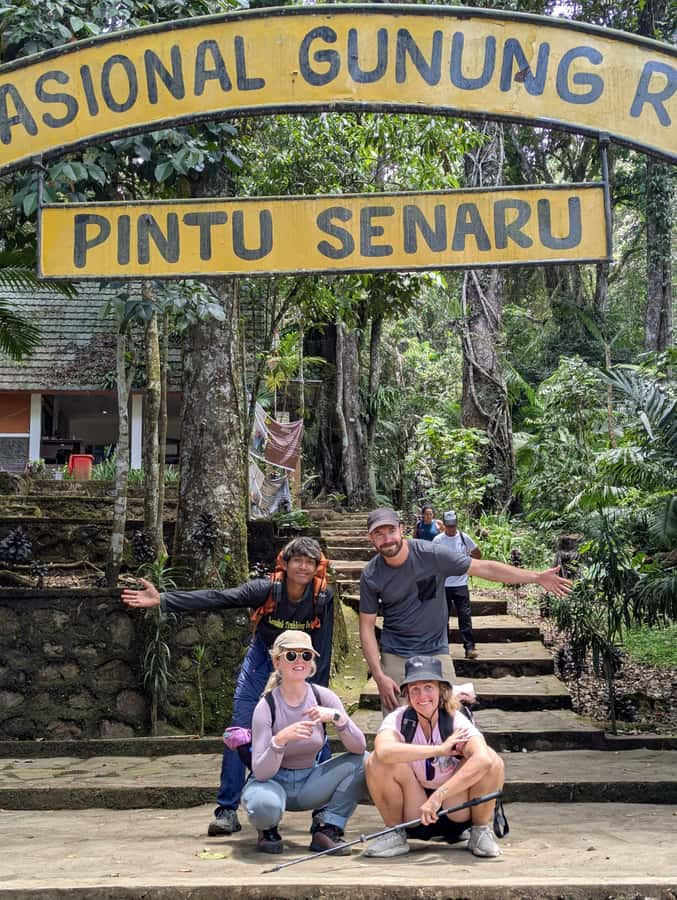
A three-day Rinjani trek is much easier when the support team is good. The package includes an English-speaking guide, professional porters, cooking equipment, camping equipment, food, and drinking water.
Reno is specifically named as a guide who took good care of the group, working with two porters. The strongest praise focused on their kindness and on the quality of communication before and after the trek. That matters here because the schedule is long, the conditions can change, and you need clear help with pacing and camp routines.
The porters carry the cooking and camping equipment. You should not assume that they carry every piece of your personal luggage. An extra porter for your own bag is not included, so bring a small daily pack and keep your personal load under control.
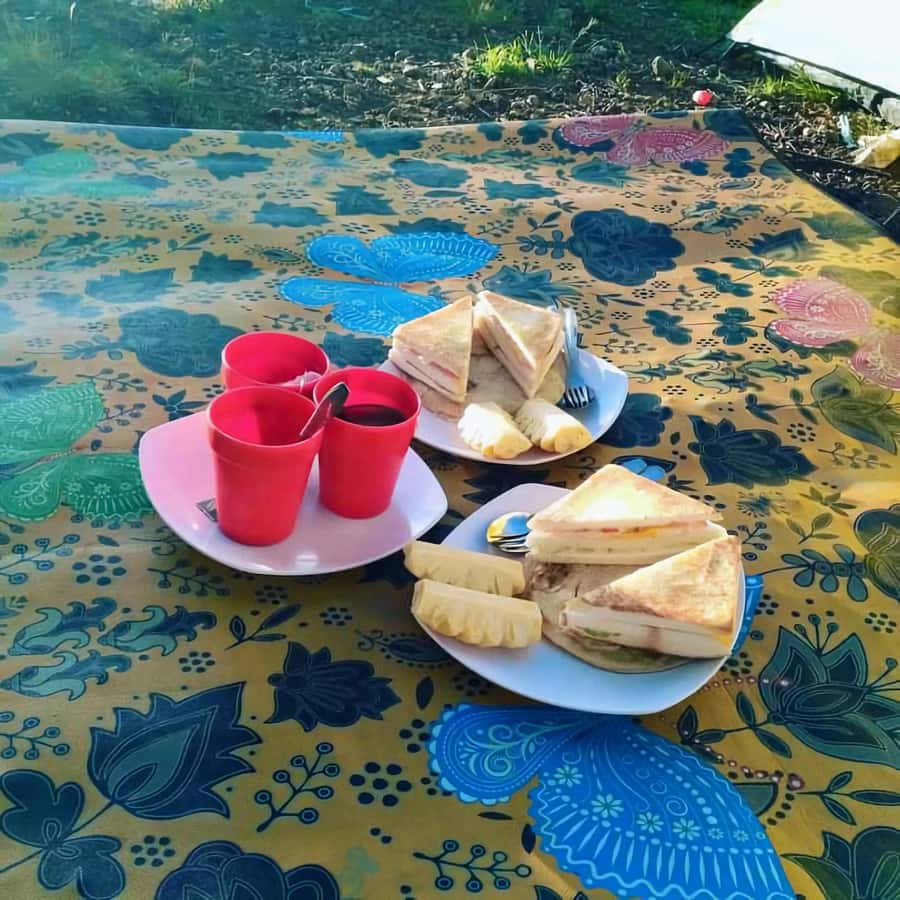
Food and water are included on the trek, but the information does not specify menus or the exact water allowance. Bring some cash and follow the guide’s advice about water during the walk. A power bank is useful because you will have long days away from normal facilities.
What to pack for this particular climb
The supplied equipment covers several useful basics, including sleeping bags, mattresses, tents, a toilet tent, gloves, and trekking poles. You still need to arrive properly equipped.
Pack:
- Passport
- Hiking shoes
- Long pants or hiking trousers
- Rain gear and a rain jacket
- Warm jacket
- Hat or sun hat
- Gloves
- Sunscreen
- Water
- Towel
- Toiletries
- Flashlight or headlamp
- Small day pack
- Camera
- Power bank
- Cash
The headlamp is especially important because the summit climb begins at 3 a.m. Your shoes should be suitable for steep, rocky ground and a long descent. The route includes exposed grassland, rocky crater trails, forest, and wet conditions if rain arrives.
Do not pack as if you are taking a normal sightseeing walk. The summit morning and the climb out of the crater are physically serious sections. Light packing helps, but leaving essential rain or warm-weather gear behind is false economy.
Group size, pace, and physical demands
The group is limited to 10 participants. That is small enough for a more personal experience and should help the guide manage rest stops and communication. The pace will still depend on the group, so you should be comfortable walking for long periods and climbing steep trails.
Children under seven are not suitable for this activity. The data does not give a detailed fitness standard, so you should judge yourself by the itinerary: a first-day ascent, a pre-dawn summit climb, a descent to the lake, another climb to the second rim, and a four to five-hour descent.
The hardest mistake would be to focus only on reaching the summit. The summit is just one part of day two. You also need energy for the crater descent, the hot spring stop, and the climb to Senaru Crater Rim.
This route suits you best if you want a serious mountain adventure and are happy with basic camping. It is less suitable if you want a relaxed nature walk, private comfort, or a flexible schedule.
Is $137 good value?
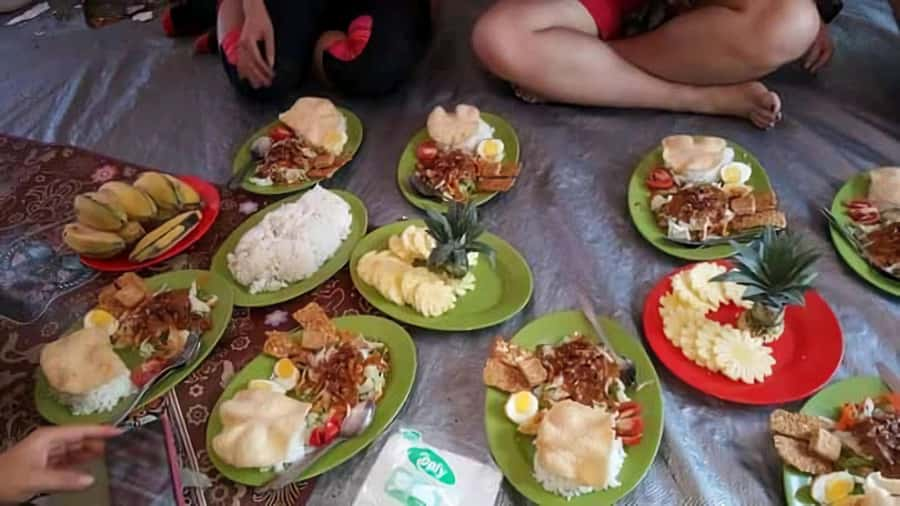
At $137 per person, the cost is attractive for a three-day guided trek with porters and camping supplies. You receive transport from Senaru to Sembalun in the stated program, meals, drinking water, tents, sleeping equipment, cooking support, a guide, and trekking poles.
The national park fee is extra at IDR 200,000 per person per day. Accommodation in Senaru or Sembalun before the trek is also not included. Neither are post-trek transfers, personal hiking equipment, a headlamp, or an extra porter for your own luggage.
The real value depends on what you already own. If you have shoes, rain gear, a headlamp, and a small pack, the package keeps your costs under control. If you need to buy or rent several items, allow for that before comparing the final price.
Free cancellation up to 24 hours before the activity and the option to reserve now and pay later add useful flexibility. You should still contact the operator after booking to confirm pickup, route arrangements, and what you need to bring.
Should you book the Rinjani 3D/2N trek?
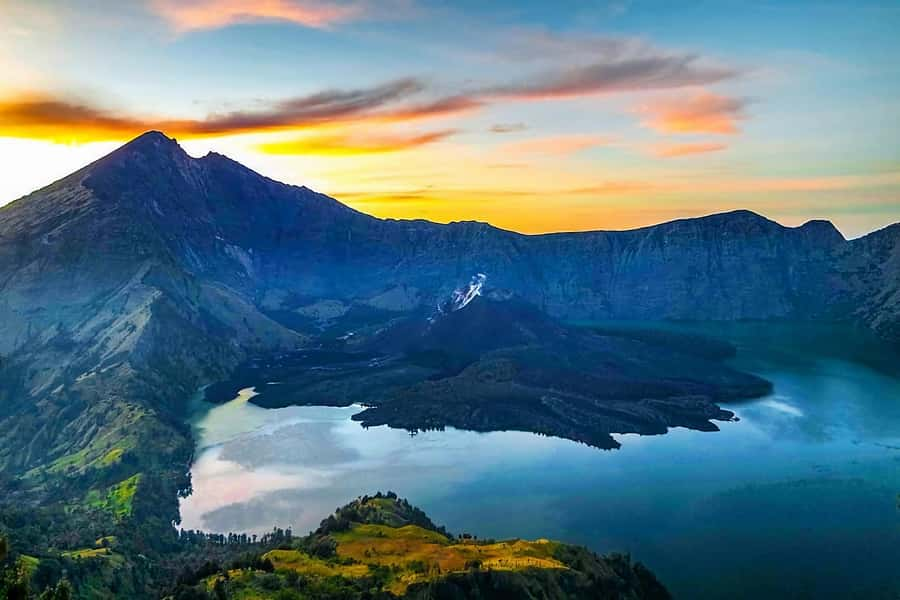
Book this trek if you want the full Rinjani route, not just a summit photograph. You will see the Sembalun grasslands, two crater rims, Segara Anak Lake, the hot springs, Gunung Baru, and forest on the descent.
I would choose it for the crossing route and the support team, especially if Reno is guiding your departure. The main question is your stamina. If a 3 a.m. summit start followed by a lake descent and another steep climb sounds manageable, this is a strong three-day plan at a fair starting price.
If you prefer a gentle schedule or dislike basic camping, choose a shorter or less demanding mountain experience instead. For everyone else, this program offers a demanding but varied way to see Mount Rinjani from several angles.
FAQ
How long is the Mount Rinjani trek?
The program lasts three days and two nights.
Where does the trek start?
The walking route starts at Sembalun, after registration at the Rinjani Trek Centre. Pickup options include Sembalun and Senaru, so confirm your exact arrangement after booking.
Where does the trek finish?
The planned route descends to Senaru, arriving at approximately 1 p.m. Senaru and Sembalun are listed as drop-off options.
What time does the summit climb begin?
You wake at about 3 a.m. for a light breakfast and then begin the roughly three-hour climb to the summit for sunrise.
Is food and drinking water included?
Yes. Food and drinking water are included during the trek.
Is the national park entrance fee included?
No. The listed fee is IDR 200,000 per person per day.
What equipment is provided?
The package includes tents, a toilet tent and paper, sleeping bags, mattresses, gloves, and trekking poles. A headlamp or hand torch, hiking shoes, rain jacket, long pants, and a small personal bag are not included.
Just added around Indonesia
- Volcano, Hot Spring, Mud Bath & Tea plantation all included★ 5.0 · 5 reviews
- Mount Batur Sunset/Sunrise Jeep Tour & Natural Hot Springs★ 5.0 · 5 reviews
- Ubud: mount.batur sunrise jeep with breakfast and hot spring★ 5.0 · 6 reviews
- Ubud: Mount Batur Jeep Sunrise, Hot Spring in one day★ 4.6 · 5 reviews
- Sunrise Trekking / Hike Mount Batur Private & Natural Hot Spring★ 5.0 · 12 reviews
- Sunrise / Sunset Jeep Tour Mt. Batur Kintamani & Hot Spring★ 5.0 · 12 reviews
- Private Mount batur Hiking and Natural Hot Springs★ 5.0 · 23 reviews
- Mount Batur Sunrise Trek with Natural Hot Spring – All Inclusive★ 5.0 · 3 reviews
Volcano & Crater Hot Springs, compared.
Mount Batur Sunrise Guided Hike and Natural Hot Spring
Read our review →
Golden Circle, Kerid Crater, & Blue Lagoon Tour
Read our review →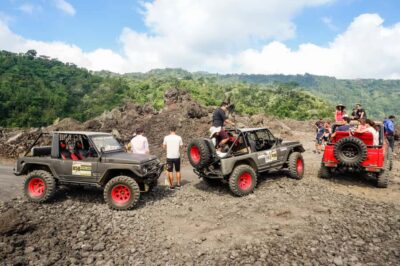
Bali/Mount Batur: Private Sunrise Jeep Tour & Hot Spring
Read our review →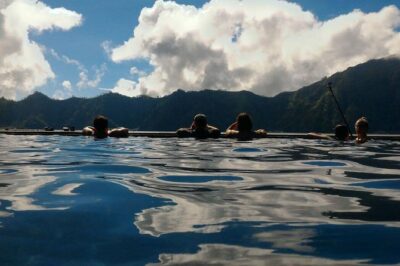
Mount Batur Sunrise Hike and Natural Hot Spring Option
Read our review →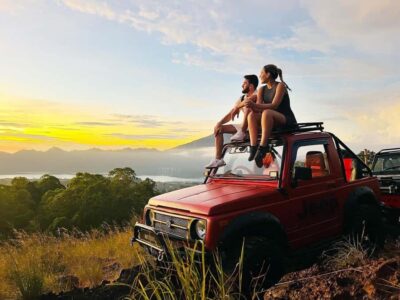
Mount Batur Shared Jeep Sunrise & Hot Spring Tour
Read our review →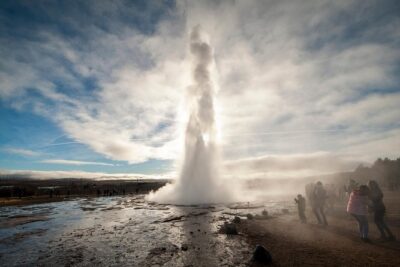
Golden Circle, Secret Lagoon and Kerid Crater Tour from Reykjavik
Read our review →
Golden Circle, Crater & Blue Lagoon Minibus Tour
Read our review →
Mount Batur Sunrise Jeep Tour with Optional Activities
Read our review →Browse the lists this tour appears in