
Review · SELF-GUIDED TOURS
Whaka Geothermal Trails Self-Guided Tour
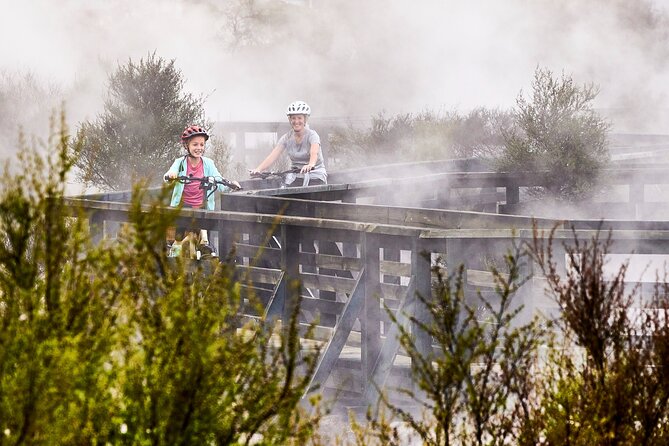
Steam rises through the forest here. The Whaka Geothermal Trails give you an easy, flexible way to see Rotorua’s hot springs, steaming lakes, thermal pools, native ferns, and possible geyser activity without committing to a long tour. I like the short walking routes and the chance to explore at your own pace. I also like that the visit leaves most of your day free for Rotorua’s other attractions.
The main drawback is simple: this is a self-guided walk, not a full cultural or educational tour. You get access to the trails, but a separate guided visit is the better choice if you want detailed Maori interpretation, a meal, performances, or a more structured introduction to Whakarewarewa.
Key Things to Know Before You Go
- Walks take 30 to 60 minutes: You can see the main geothermal sights without giving up half a day.
- The trails suit low fitness levels: The routes are designed for an easy outing, though good shoes still matter.
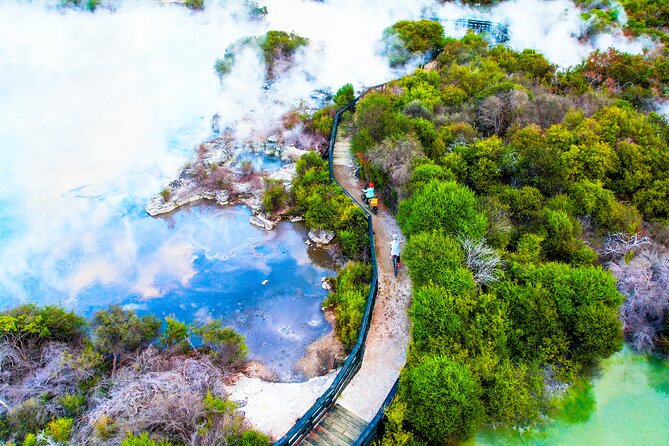
- Expect colorful thermal features: Steaming lakes, hot pools, native forest, and possible geyser views provide the main appeal.
- The final entry window runs from 9am to 4pm: The listed afternoon time refers to the last entry, not necessarily a fixed departure.
- Bring a hat, sunscreen, and closed shoes: The paths include outdoor walking, and open-toed footwear is a poor match.
- The price is $25.97 per person: That is fair for site access and a short independent visit, but less compelling if you want a guide.
What the Whaka Geothermal Trails Actually Offer
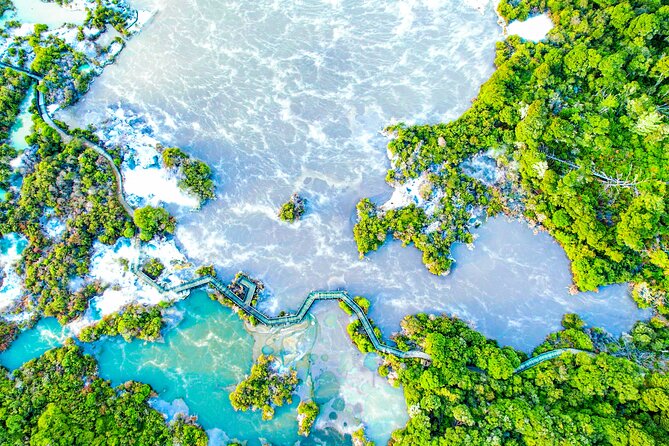
Whakarewarewa is best known for the meeting of two worlds: Maori culture and powerful geothermal activity. On this particular visit, the focus is the outdoor trail system. You enter at Whakarewarewa, The Living Maori Village, then follow marked paths through native bush and geothermal areas.
The walk is not presented as a demanding hike. Routes range from about 30 minutes to one hour, making this a practical stop between larger Rotorua activities. You can keep moving if you are short on time, or slow down for photographs and the information provided along the way.
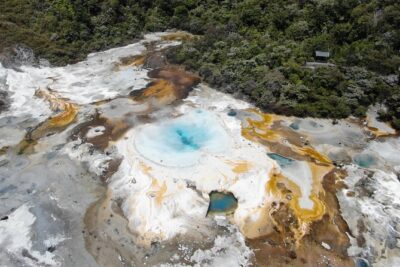
The setting changes as you walk. Native ferns and edible plants provide a forest element, then steaming water and thermal pools remind you that Rotorua is built around active underground heat. The contrast is the point. You are not simply looking at one hot pool from a viewing platform. You are moving through a place where vegetation and geothermal activity share the same small area.
The site is also continuing to develop. New parts of the reserve are expected to open over time, so the exact walking experience may change. That is useful to know if you return to Rotorua later.
More Self-Guided Tours in Rotorua:
- Whakarewarewa: Self-Guided Geothermal Trails
★ 4.5 · 41 reviews - Self-Guided Geothermal Tour in Orakei Korako
★ 5.0 · 178 reviews - Hellisheiði Geothermal Exhibition: Entry and Audio Tour
★ 4.6 · 88 reviews
Starting at 17 Tryon Street in Whakarewarewa
Your visit begins at 17 Tryon Street, the listed address for Whakarewarewa, The Living Maori Village. This is both the meeting point and the end point, so you return to where you started rather than needing transport from another part of Rotorua.
The site is near public transportation, which helps if you are staying in Rotorua without a car. The activity has a maximum group size of 30, but since the walking itself is self-guided, you are not tied to a guide’s pace or a single moving group.
Pay close attention to the time shown when booking. The stated 3:15pm start can be confusing because the operating information says the listed times are last entry times. You may enter anytime from 9am through 4pm. In practical terms, you should arrive before 4pm, then allow enough time to complete the walk before closing arrangements take effect.
The flexible arrival period is one of the strongest features of the visit. You can fit it around a morning at another Rotorua attraction, lunch, or an afternoon activity. If you arrive late in the day, though, do not treat the 4pm entry time as permission to linger indefinitely. The walk itself can take up to an hour.
Walking Through Native Forest and Thermal Features
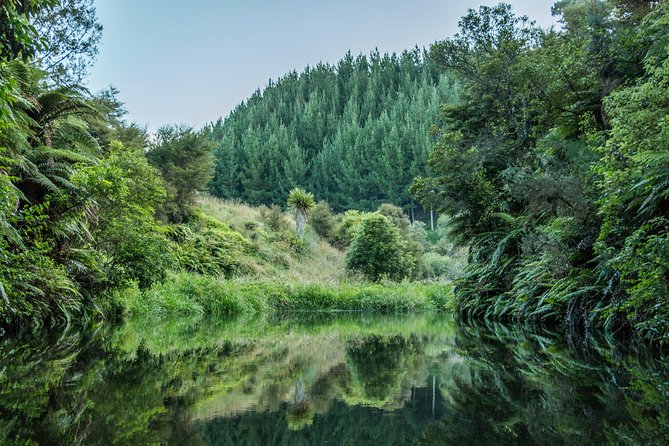
The trail begins with the natural setting. Native ferns and edible plants add interest before the geothermal features take over. This is a useful detail because the walk is not only a procession of pools. The bush gives you changing textures, shade, and a sense of place.
You may also find the plant information more appealing than expected. The mention of edible plants points to a relationship with the land that goes beyond scenery. Still, the experience is not described as a dedicated botany or food tour, so you should see this as an added feature rather than the main reason to book.
Then the geothermal sights become the focus. Expect colorful steaming lakes and thermal pools, along with unusual views that are specific to Whakarewarewa. The steam can make the area feel mysterious, especially when it appears through the trees or over the water.
Photography is a major part of the appeal. The combination of white steam, bright mineral colors, dark forest, and bubbling or heated water gives you plenty to frame. You will want to stop often, but remember that geothermal sites require sensible behavior. Stay on the marked trails and use the viewing areas provided.
One review praised the bush walk and the views of hot springs, while another enjoyed the information placed along the route. That tells you what kind of self-guided experience this is at its best: easy walking with enough explanation to give the sights meaning, but not a long formal lesson.
The Geothermal Sights and the Geyser Possibility
The thermal pools and steaming lakes are the core reason to come. Their colors and movement make them more interesting than an ordinary scenic walk, while the short route keeps the outing manageable for people with limited fitness.
A geyser may also be visible toward the end of the walk. That possibility adds a small element of anticipation, but you should not treat the trail as a guaranteed geyser show. The available information confirms that a geyser was seen during one visit, yet it does not promise a scheduled eruption or a particular viewing time.
This matters when you compare the trails with a more structured geothermal attraction. A guided or timed experience usually gives you more certainty about what you will see and when. Here, the pleasure comes from following the path, looking carefully, and taking the features as they appear.
The geothermal activity can also make the walk feel more substantial than its duration suggests. In 30 to 60 minutes, you see forest, plant life, steam, hot water, pools, and possibly a geyser. That is a good amount of variety for a short Rotorua stop.
More Guided Tours in Rotorua:
- Rotorua: Hell’s Gate Outdoor Mud Spa & Guided Walk
★ 4.7 · 1,140 reviews - Lake Rotoiti Guided Hot Pools Kayak Trip
★ 5.0 · 23 reviews - Lake Rotoiti & Hot Pools Guided Kayak
★ 5.0 · 3 reviews - Bali: Mount Batur Sunrise Guided Hike and Natural Hot Spring
★ 4.8 · 9,284 reviews
How Much Time Should You Allow?
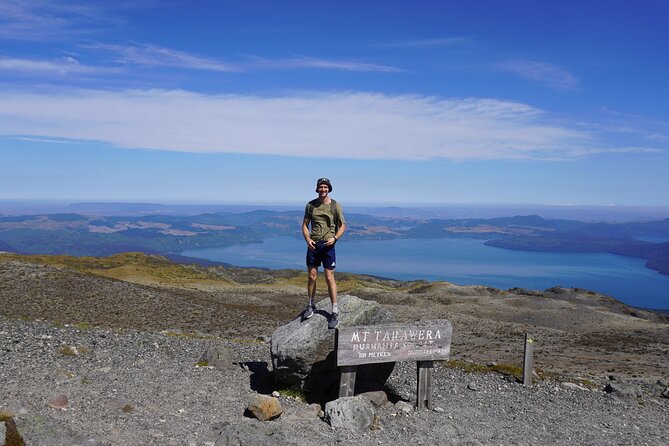
The advertised walking time is 30 minutes to one hour. I would allow at least an hour on site, even if you expect to walk quickly. That gives you time to read the information, stop for photos, and avoid rushing past the most interesting pools.
If photography is important to you, allow the full hour. Steam and shifting views are part of the experience, and a fast circuit would undercut the main pleasure of the visit.
The short duration works especially well in a busy Rotorua itinerary. You can combine the trails with other activities on the same day, rather than building your entire schedule around one attraction. It also suits families or mixed-age groups where some people are happy with a gentle walk but not a lengthy hike.
The only caution is timing. Entering near 4pm may leave little room for a relaxed visit. If you want the full hour, arrive earlier in the afternoon or use the morning and early afternoon entry period.
Is $25.97 Good Value?
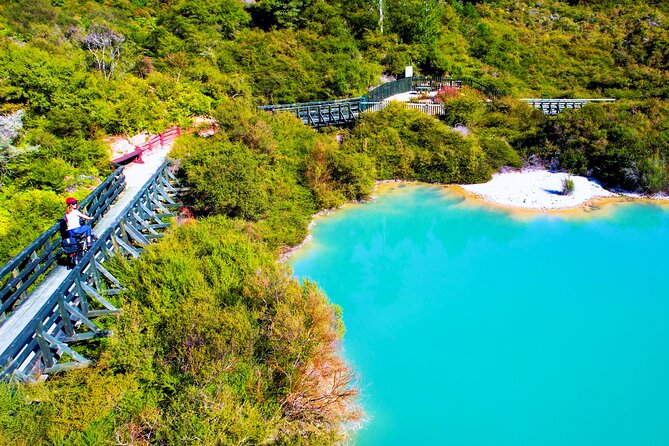
At $25.97 per person, the price is reasonable for access to a distinctive geothermal reserve and a marked self-guided route. You are paying for the setting, the maintained trails, the information along the way, and the chance to see features that are not part of an ordinary public park.
The value is strongest if you want flexibility. You do not need to spend several hours with a guide, and you can choose your own pace. For a short visit between other plans, that convenience matters.
The value is weaker if you expect a large cultural program or a guided geothermal explanation. The ticket does not describe a meal, performance, transport, or a dedicated guide for the trails. It also does not promise a geyser display. If those are priorities, you should compare this with a longer experience at Whakarewarewa or another Rotorua attraction.
There is also a distinction between the self-guided trail and the wider Maori village experience. One account praises a guide named Rah for being an entertaining driver and giving an informative tour, along with food, entertainment, and a Maori village experience. Those comments point to a broader guided visit, not the quiet self-guided trail itself. If you want that style of outing, make sure you book the appropriate experience rather than assuming it is part of this ticket.
What to Wear and Bring
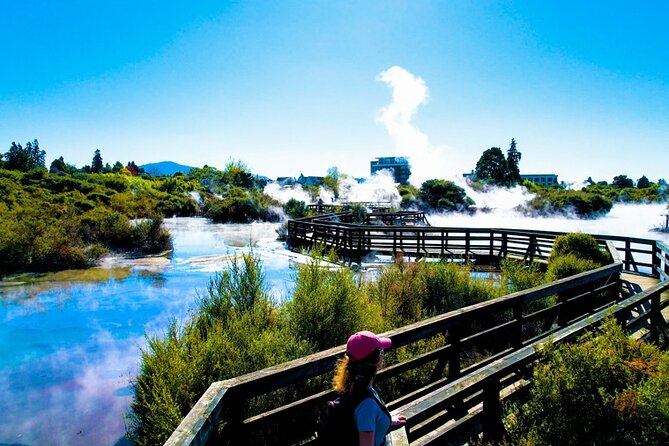
Wear sturdy, closed shoes. One practical warning is especially clear: open-toed footwear is not a good choice for the walk. Even an easy route deserves shoes that protect your feet and give you confidence on outdoor paths.
Bring sunscreen and a hat. The trail includes forest, but you should not assume every section will be shaded. Weather also matters because the activity requires suitable conditions.
A phone or camera is worthwhile. The geothermal colors and steam provide some of the best photo opportunities in the experience. You may also want to keep your hands free at times, since this is a walking visit rather than a stationary viewing platform.
The trail is suitable for people with low fitness levels, and the available information says most people can participate. Still, low fitness does not mean no effort at all. You will be outdoors and on your feet for up to an hour, so anyone concerned about walking should keep to the shorter route if that option is available.
Self-Guided Freedom Versus Cultural Depth
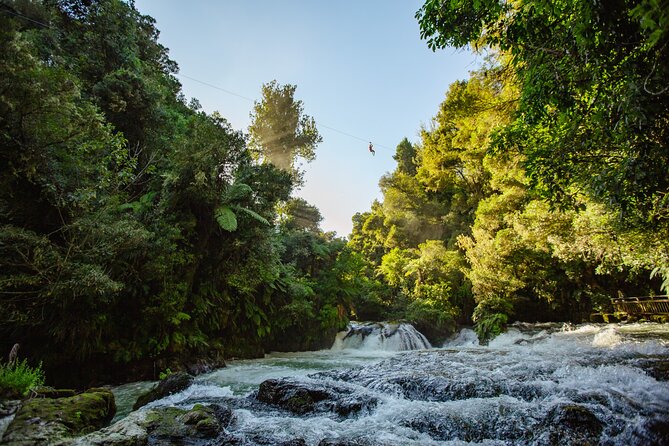
The self-guided format is both the strength and the limitation. I like being able to pause at a pool, take a photograph, or move on without holding up a group. You can make the visit brisk and practical, or give it more time if a particular view catches your attention.
You will not receive the same depth of personal storytelling that comes with a Maori guide. The location itself is connected to Maori culture, but the trail information is mainly there to explain what you are seeing in the natural environment. For many people, that is enough for a first look. For others, it will feel incomplete.
The best choice depends on your aim. Choose the self-guided trails if you want geothermal sights with minimal time commitment. Choose a guided village visit if personal interpretation, food, entertainment, or Maori cultural context is central to your plans.
Who Will Enjoy This Visit Most?
I would recommend the trails to several kinds of visitors:
- You want an easy introduction to Rotorua’s geothermal activity.
- You have only 30 to 60 minutes available.
- You prefer independent sightseeing to a fixed group tour.
- You enjoy photography and unusual natural scenery.
- You are traveling with someone who has limited fitness.
- You want to leave time for other Rotorua attractions.
I would be more cautious about recommending it to anyone seeking a full-day outing, a guaranteed geyser show, or a detailed Maori cultural program. The visit is short and self-guided by design. That is not a flaw, but it sets a clear limit on what you receive.
The maximum group size of 30 is reassuring for the access portion, but group size matters less here than it would on a guided tour. Once inside, you have the freedom to walk at your own speed.
Cancellation and Weather Details
Free cancellation is available if you cancel at least 24 hours before the experience start time. Changes or cancellations made inside that period are not accepted for a refund.
The experience requires good weather. If poor weather causes the operator to cancel, you will be offered another date or a full refund. That policy is sensible for an outdoor geothermal walk, though you should check the forecast before setting aside your afternoon.
Should You Book the Whaka Geothermal Trails?
Book it if you want a short, affordable, easy geothermal walk with strong photo potential and no need to follow a guide. The combination of native forest, edible plant information, steaming lakes, hot pools, and a possible geyser makes good use of an hour.
Skip it if you want a substantial Maori cultural experience or a guaranteed sequence of geothermal events. In that case, choose a guided program instead, and confirm exactly what food, performances, transport, and interpretation are included.
For most Rotorua schedules, this works best as a compact addition rather than the day’s main event. Wear proper shoes, arrive well before the 4pm last entry, and leave room to stop for the views. At $25.97, it offers a practical way to see Whakarewarewa’s geothermal side without taking over your itinerary.
FAQ
How long does the Whaka Geothermal Trails visit take?
The self-guided walks take approximately 30 minutes to one hour.
What time can I enter the trails?
You may enter anytime from 9am through 4pm. The listed times are last entry times, so you should arrive no later than 4pm.
Where does the experience begin?
It begins at Whakarewarewa, The Living Maori Village, at 17 Tryon Street, Whakarewarewa, Rotorua 3010, New Zealand.
Where does the activity end?
The walk ends back at the meeting point at 17 Tryon Street.
What can I see on the trails?
You can see native ferns, edible plants, colorful steaming lakes, thermal pools, geothermal features, and possibly a geyser.
Is the walk suitable for people with low fitness levels?
Yes. The trails are described as suitable for people with low levels of fitness, and most people can participate.
Is the activity guided?
No. The Whaka Geothermal Trails are self-guided walks with marked trails and information along the route.
Can I cancel for a full refund?
Yes, if you cancel at least 24 hours before the experience start time. If poor weather causes the operator to cancel, you will be offered another date or a full refund.
Just added around Rotorua
- Whakarewarewa: Self-Guided Geothermal Trails★ 4.5 · 41 reviews
- WAI-O-TAPU Geothermal, Rotorua – Group Day Tour Ex Auckland★ 4.3 · 4 reviews
- Private Tour Waiotapu Geothermal Shore Excursion up to 8 passengers★ 5.0 · 6 reviews
- Lake Rotoiti Guided Hot Pools Kayak Trip★ 5.0 · 23 reviews
- Polynesian Spa Rotorua: Family Hot Pools and Freshwater Pool★ 3.5 · 14 reviews
- Wai Ariki Hot Springs and Spa Restorative Journey (2hrs)★ 4.5 · 73 reviews
- Lake Rotoiti Evening Kayak Tour including Hot Springs, Glowworm Caves and BBQ Dinner★ 5.0 · 60 reviews
- Rotorua: Secret adventure kayaking to natural hot springs★ 3.8 · 3 reviews
Self-Guided Tours, compared.

Hellisheiði Geothermal Exhibition: Entry and Audio Tour
Read our review →

Banff Cave & Hot Springs Audio Walking Tour (Not a Ticket)
Read our review →
Browse the lists this tour appears in