
Review · CAVE & CANYON HOT SPRINGS
Taupo: Orakei Korako Geothermal Park and Cave Entry Ticket
Steam rises from the earth here. Orakei Korako, also called Hidden Valley, offers a quieter geothermal outing between Taupo and Rotorua, with bubbling mud, hot springs, colorful silica terraces, and up to 23 active geysers. I like the self-guided freedom and the short ferry ride across the lake, though the trail includes many steps and geothermal activity can vary from day to day.
I also like the park’s calm, low-key feel. You can walk at your own pace, stop often, read the signs, and get closer to the thermal features than you may on a tightly managed group visit. The main drawback is access: this is not suitable for wheelchair users, and you need moderate fitness for the roughly 2.5-kilometer route.
Key points to know before you go
- A three-minute ferry starts the visit: The boat runs on demand from the visitor center and carries you across to the thermal park.
- Ruatapu Cave is the rare feature: This geothermal cave drops about 35 meters to a clear, hot pool called the Sacred Hole.
- Up to 23 geysers can be active: The park has New Zealand’s highest concentration of active geysers, though their activity is not guaranteed at every visit.
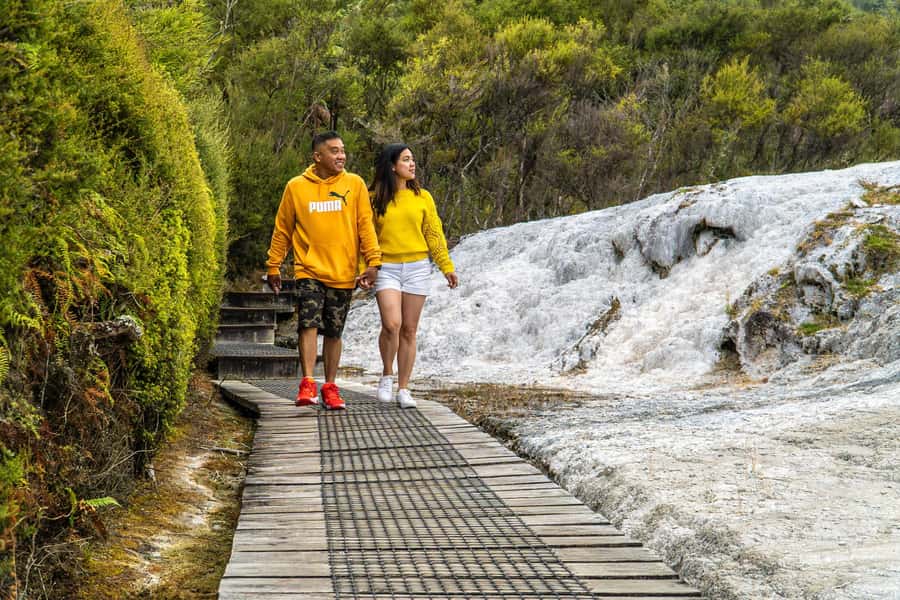
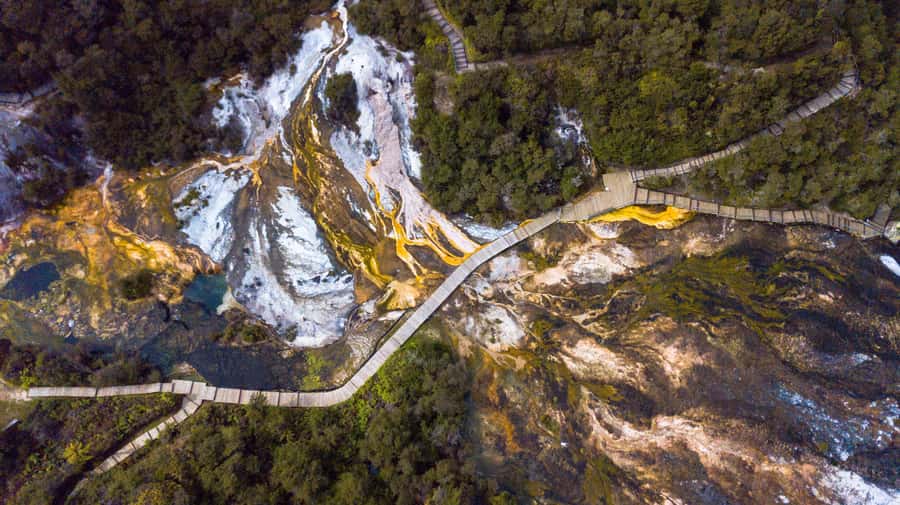
- The walk takes about 45 to 90 minutes: The route is well marked, with boardwalks, signs, seats, and a fair number of steps.
- The $34 price is solid value: Entry includes the thermal park, self-guided walk, and return ferry rides.
- Dogs are welcome: That is unusual for a geothermal attraction, though children must stay with an adult.
Why Orakei Korako feels different from the bigger thermal parks
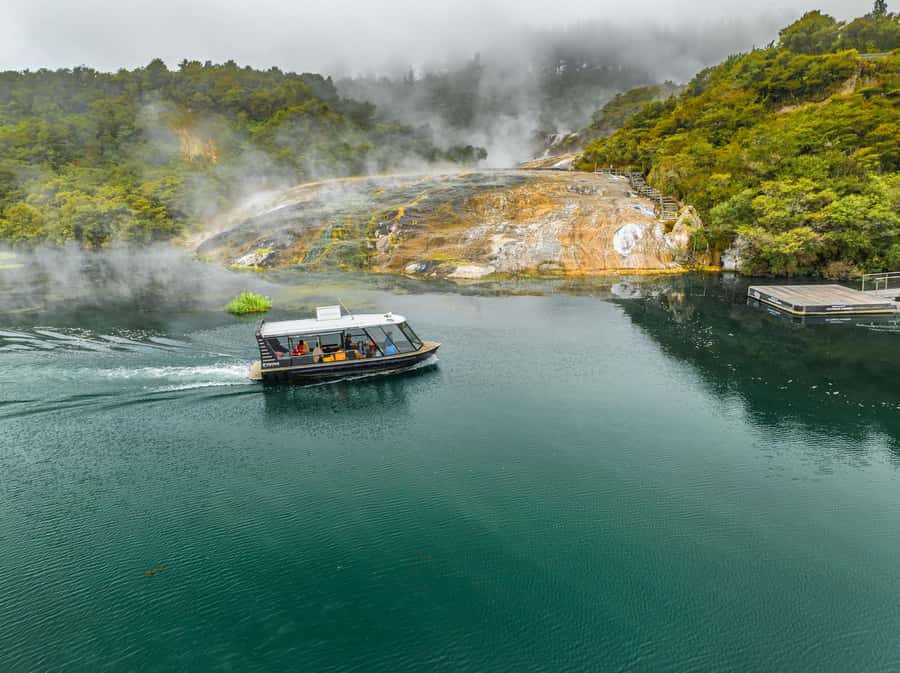
Orakei Korako sits in the Taupo Volcanic Zone, between Taupo and Rotorua. It is often described as Hidden Valley, a fitting name for a thermal area reached by boat rather than by simply walking in from a roadside entrance.
That ferry gives the visit a useful sense of separation. You leave the visitor center, cross the water in about three minutes, and arrive at a place where the main activity is walking, watching, and listening to the ground bubble. The ride is short, but it makes the outing feel like more than a standard park entrance.
I like the lack of a fixed group schedule. After a brief safety briefing, you explore independently and keep to the marked route. You are not tied to a guide’s pace or asked to move on just as a pool catches your attention.
This freedom is especially useful for photographers, families, and anyone who prefers a quiet visit. You can stop at the viewing points, sit beside the path, and read the signs without having to keep up with a large party.
The park is not entirely free of practical limits. The route is easy to follow, but it is not flat. Expect steps and some uphill and downhill walking. One careful estimate puts the visit at 45 to 60 minutes, while the full walk is about 2.5 kilometers and may take closer to 90 minutes if you stop often.
More Cave and Canyon Hot Springs in New Zealand:
- Lake Rotoiti Evening Kayak Tour including Hot Springs, Glowworm Caves and BBQ Dinner
★ 5.0 · 60 reviews - Waitomo Glow Worm Caves & Te Puia – Rotorua’s Geothermal Valley
★ 5.0 · 9 reviews - Krabi: Tiger Cave Temple, Emerald Pool and Hot Springs Tour
★ 4.8 · 3,616 reviews
The visitor center is your launch point
Your visit begins at the visitor center, where you check in and receive a short safety briefing. This matters at a geothermal site. Steam, hot water, mud, and thin crusts can look inviting but are not safe places to step beyond the marked route.
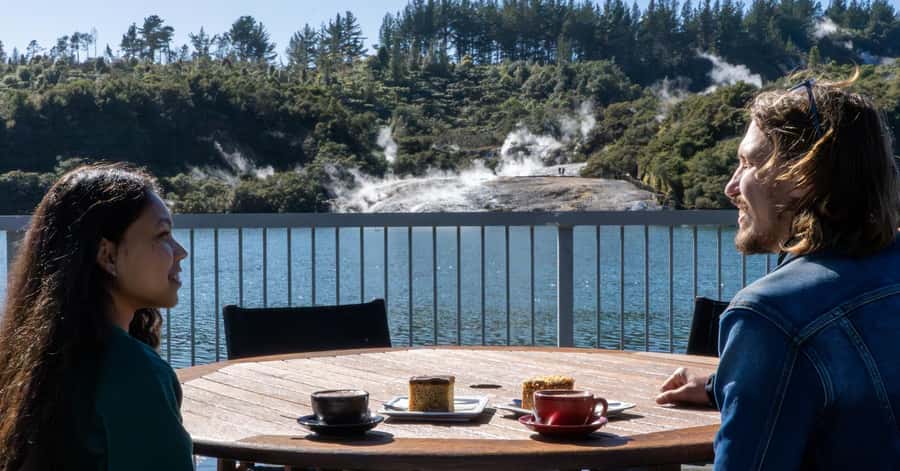
The visitor center also has food, shopping, and places to pause before or after the walk. If you arrive hungry, you can have brunch or lunch before crossing. That makes it easier to treat the park as a relaxed half-day stop rather than rushing straight onto the path.
The ferry operates on demand from 8 a.m. The last departures are at 4 p.m. in winter and 4:30 p.m. during daylight saving time. Give yourself enough time to complete the walk and return before the final crossing. The ferry is included in the entry price, and you take it in both directions.
English is the operating language, and the signs along the route provide useful explanations of the thermal features. You do not need to join a guided group to understand what you are seeing.
The ferry crossing adds a pleasant pause
The boat ride lasts only about three minutes, but it is one of the most enjoyable details of the visit. You cross from the visitor center to the thermal area, then return the same way after the walk.
Because the ferry runs on demand, you are not locked into a single departure time. That gives the visit an easy rhythm. Finish the walk, return to the landing, and arrange the crossing back when you are ready.
The crossing also helps explain why the park feels quiet. Instead of a broad roadside entrance with people arriving and leaving in a steady stream, you make a small journey over the water before reaching the thermal features.
Do not expect a sightseeing cruise. It is simply transport, and it takes just a few minutes. Still, it is a memorable part of the experience and a welcome change from driving between attractions.
Geysers, mud pools, and silica terraces along the route
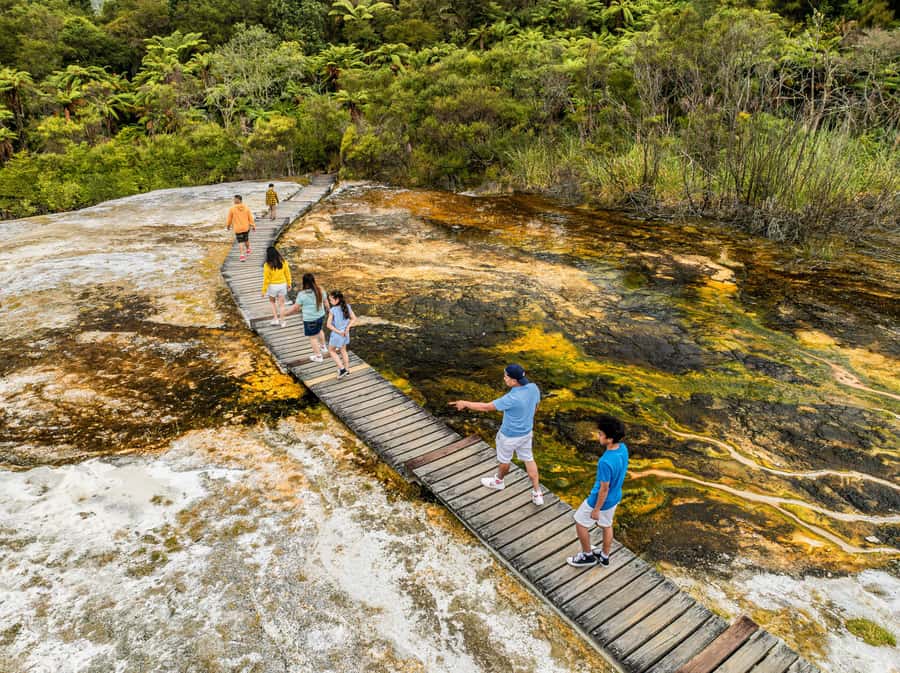
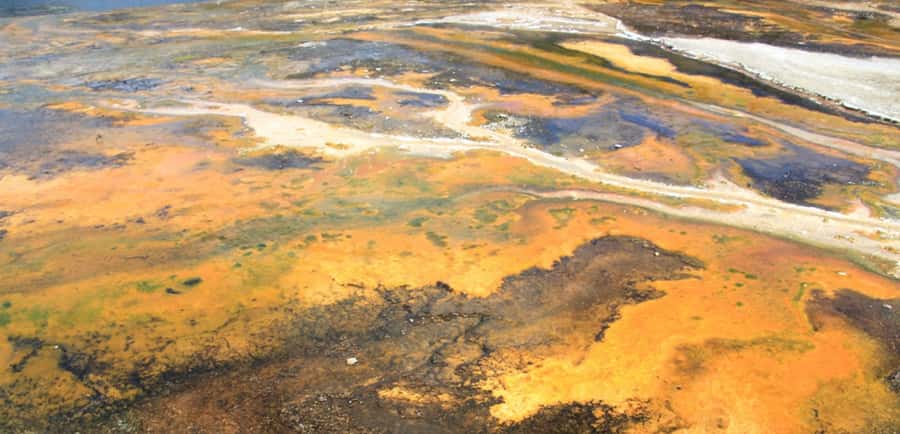
Once you reach the thermal area, the path leads you through a mix of hot springs, mud pools, steaming ground, geysers, and silica formations. The colors can be striking, especially when sunlight reaches the mineral surfaces.
The park can have up to 23 active natural spurting geysers, giving it the highest number of active geysers among New Zealand’s geothermal parks. That is an impressive claim, but you should keep your expectations sensible. Geothermal systems change from moment to moment, and one visit may feel much more active than another.
A verified visit in February described many close views of geothermal features and an experience that felt quiet rather than crowded. Another visit found no obvious thermal activity at the time. That does not make the park a poor choice, but it is a useful warning: nature does not perform on a timetable.
The signs help you make sense of what you see. Without them, a steaming pool may look like just another pool. With the explanations, you start to notice how heat, minerals, water, and gases shape the terraces and mud formations.
The path keeps you close to the features while preserving a safe boundary. You get a better look than you might on a distant viewing platform, but you still need to follow the route carefully. Do not wander onto the thermal ground for a photograph.
More Entry Tickets in New Zealand:
- Rotorua: Wai-O-Tapu Geothermal Park Entry Ticket
★ 4.6 · 2,601 reviews - Hanmer Springs: Thermal Pools Single or Return Entry Ticket
★ 4.7 · 107 reviews - Budapest: Széchenyi Spa Day Ticket with Optional Upgrades
★ 4.3 · 23,911 reviews - Budapest: Full-Day Gellért Spa Ticket
★ 4.2 · 3,340 reviews
Ruatapu Cave is the park’s most unusual feature
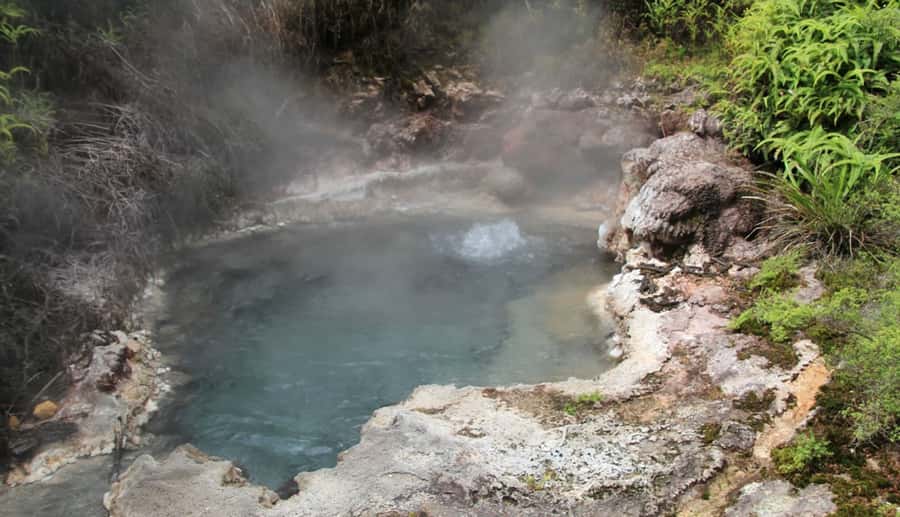
Make Ruatapu Cave a priority. This rare geothermal cave, also known as the Sacred Hole, drops about 35 meters to a clear hot pool at the bottom.
Only two thermal caves of this type are known in the world, making Ruatapu Cave more than a quick stop on a walking route. Its shape gives the visit a different mood from the open mud pools and geysers. Instead of watching water burst upward, you look down into a deep, enclosed space heated by the earth.
The cave can feel almost prehistoric, particularly on a cool or rainy day when steam rises around the warm areas. It is also a good place to slow down. You do not need to hurry from one feature to the next.
The exact viewing conditions can change with weather and light. On a sunny day, the water and mineral colors may appear clearer. In cooler weather, the warmth near the thermal features can make the walk especially pleasant.
How difficult is the 2.5-kilometer walk?
The route is manageable for many people with moderate fitness, but it is not a completely effortless stroll. Boardwalks make the path easy to follow, and there are seats where you can pause and take in the view.
The main issue is the number of steps. Comfortable shoes are important, and trainers are a better choice than flip-flops. One visitor specifically advised wearing trainers and carrying plenty of water, sensible advice for a route where the heat and walking can add up.
Allow at least 45 to 60 minutes for a brisk visit. If you stop for photographs, read every sign, or take regular rests, plan on about 90 minutes. The route can take longer for families with young children or anyone who wants to enjoy the setting instead of simply checking off the main sights.
Bring water and dress for the weather. The park operates in rain, wind, and cooler conditions, and the thermal areas can feel warm while the open sections feel much cooler. A light waterproof layer is practical.
This is not a wheelchair-accessible activity. The steps and uneven sections make it unsuitable for wheelchair users. Children are welcome, but every child must be accompanied by an adult, and unaccompanied minors are not permitted.
A calm choice for families and dog owners
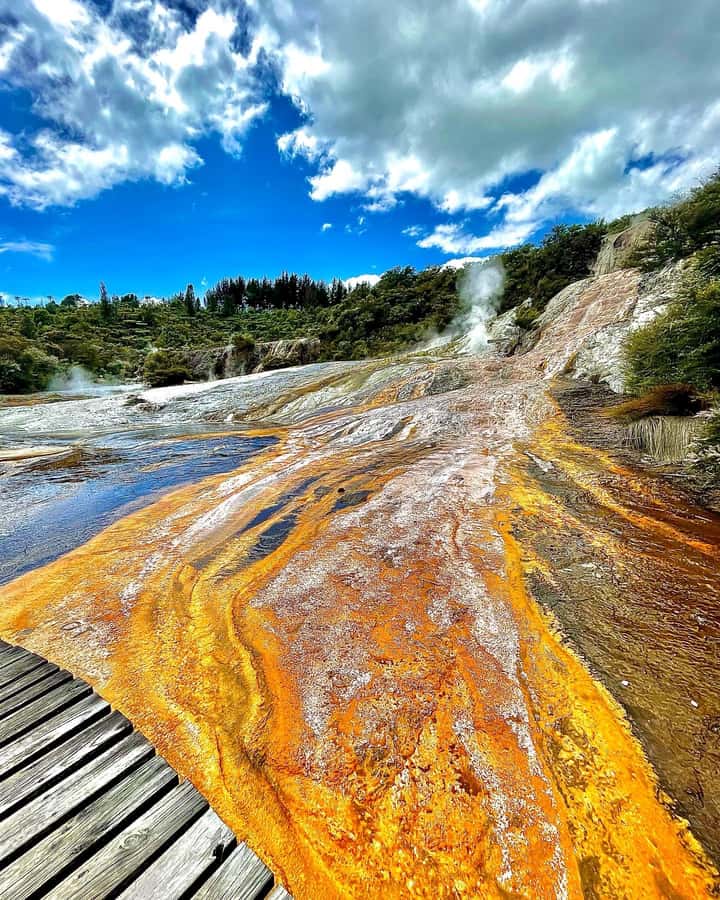
The self-guided format works well for families because you can set your own speed. You can stop when a child needs a break, use the seats along the route, and spend more time at the features that catch your attention.
The safety briefing and marked path are important for children. Geothermal areas are not places for running or climbing, even when the route looks simple. Keep children close and stay behind the barriers.
Dogs are welcome at the park, which is a rare advantage for people touring New Zealand with a pet. You still need to keep your dog under control and on the allowed route, since the thermal features are dangerous.
The visit also suits people who prefer quiet outdoor sightseeing to a staged attraction. You do not need to follow a performer, wait for a scheduled show, or move in a large group. The experience is built around observation and choice.
It may be less suitable if you want guaranteed geyser eruptions, a fully guided explanation, or a flat and accessible path. The park is natural and changeable, not a timed display.
Is $34 good value?
At $34 per person, the admission is reasonable for what is included. You receive entry to the thermal park and cave, a self-guided route, and return ferry rides. The ferry gives the visit a special element, while the independent walking format lets you spend your time where you want.
The value improves if you enjoy reading signs and taking your time. You are not paying only for a quick viewpoint. The route includes several types of geothermal activity, the rare cave, and a walk through a setting that feels quieter than some of the better-known thermal attractions near Rotorua.
The price may feel less attractive if your main goal is to see a dramatic geyser eruption on schedule. The number of active geysers is high, but their behavior cannot be promised. On a quiet day, the colors, cave, hot pools, and explanations carry more of the visit.
Food and shopping are available at the visitor center, but they are not included in the ticket. Free cancellation up to 24 hours before the visit and reserve-now, pay-later booking terms can also help if your New Zealand plans are still changing.
Weather, light, and timing can change the mood
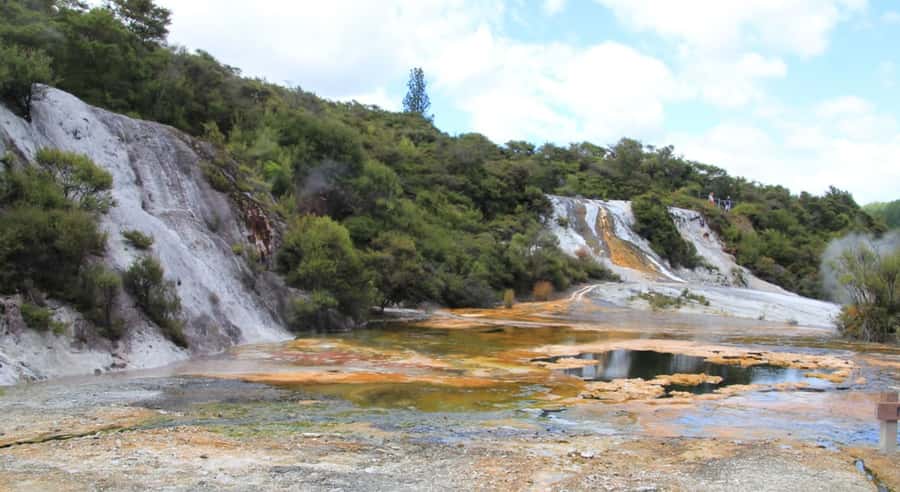
Orakei Korako operates in all weather. That is useful in the changeable North Island, but it also means you should come prepared rather than waiting for perfect skies.
Sunlight can bring out the mineral colors on the silica terraces. Cloud and rain may make those colors less vivid, though wet weather can also make the steam and warm pools feel more atmospheric. One visit on a cool, rainy day found the heat around the pools especially enjoyable.
An early or quieter visit gives you more room to pause, take photographs, and hear the thermal features without much background noise. The ferry begins operating at 8 a.m., so an early start is possible. If visiting in winter, pay close attention to the 4 p.m. final departure time.
Do not plan the walk so tightly that you have to hurry back. Leave room for the ferry, a short rest, and unexpected stops at the cave or geysers.
Who should book Orakei Korako?
I would recommend this park to you if you want a geothermal experience that feels personal and unhurried. It is particularly well suited to people who enjoy walking, photography, natural science, and choosing their own pace.
Families can benefit from the flexible format, provided children are supervised. Dog owners also have a strong reason to consider it, since pets are allowed.
You should think twice if you use a wheelchair, dislike steps, or need a guaranteed scheduled display. You may also prefer a guided attraction if you want every feature explained aloud rather than through signs.
For most able-bodied visitors, the combination of ferry, cave, geysers, and self-guided walking makes the $34 ticket good value. Just remember that geothermal activity changes. Come for the whole setting, not only for one eruption.
FAQ
How much does entry to Orakei Korako cost?
The listed price is $34 per person. It includes entry to the Cave and Thermal Park, the self-guided tour, and return on-demand ferry rides.
How long does the Orakei Korako visit take?
The walk is about 2.5 kilometers. Many people can complete it in roughly 45 to 60 minutes, while a slower visit with stops may take about 90 minutes.
Is the ferry included?
Yes. Return ferry rides from the visitor center to the geothermal area are included. The crossing takes about three minutes each way and runs on demand.
What are the ferry operating times?
The ferry operates from 8 a.m. The last trips leave at 4 p.m. during winter and 4:30 p.m. during daylight saving time.
Is Orakei Korako suitable for children?
Children can visit, but they must be accompanied by an adult. Unaccompanied minors are not allowed.
Is Orakei Korako wheelchair accessible?
No. The activity is not suitable for wheelchair users. The route includes steps and requires a moderate level of physical fitness.
Should you book it?
Book Orakei Korako if you want New Zealand geothermal scenery without being pushed through the visit in a large group. The short ferry crossing, rare Ruatapu Cave, close views of hot pools and silica terraces, and flexible walking time give the $34 ticket real value.
Bring trainers, water, and weatherproof clothing. Allow more than the bare minimum time, and treat the geysers as a bonus rather than a promise. If you can manage the steps and appreciate a quiet, self-guided outing, this is a strong choice between Taupo and Rotorua.
Just added around New Zealand
- Whakarewarewa: Self-Guided Geothermal Trails★ 4.5 · 41 reviews
- West Auckland: Sunset with Thermal pool & Wine Tasting★ 5.0 · 3 reviews
- WAI-O-TAPU Geothermal, Rotorua – Group Day Tour Ex Auckland★ 4.3 · 4 reviews
- Te Puia Geothermal, Kiwi and Māori Art★ 3.5 · 3 reviews
- Wai-O-Tapu Geothermal Valley, & Hot River★ 5.0 · 4 reviews
- Private, via beaches, Kiwi farm to Rotorua 8 lakes & Geothermal★ 5.0 · 20 reviews
- Hells Gate Geothermal, Mud & Sulphur Spa★ 4.0 · 7 reviews
- Waimangu Geothermal Valley & Lake Rotomahana Tour – 7hrs★ 5.0 · 32 reviews
Cave & Canyon Hot Springs, compared.
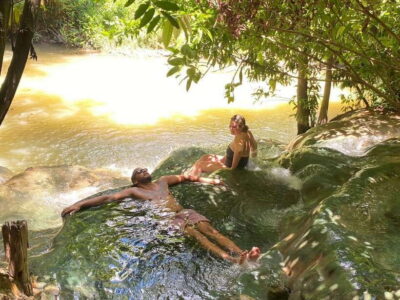
Tiger Cave Temple, Emerald Pool and Hot Springs Tour
Read our review →
Tiger Cave, Hot Springs and Emerald Pool Jungle Tour
Read our review →
Ao Nang: Hot Spring, Emerald Pool & Tiger Cave Temple Tour
Read our review →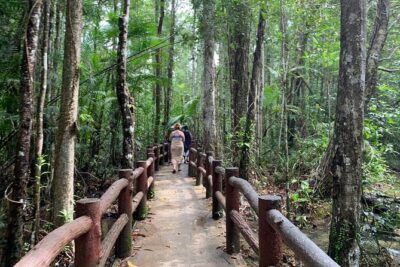
All day Krabi Jungle Tour (Hot Spring Water, Emerald Pool, Tiger Cave Temple)
Read our review →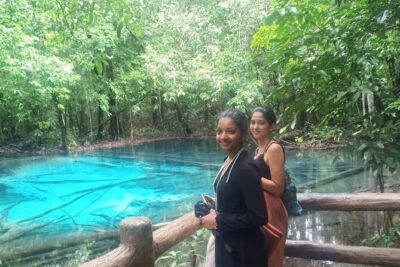
Discover Krabi – Emerald Pool, Hot Springs & Tiger Cave Temple
Read our review →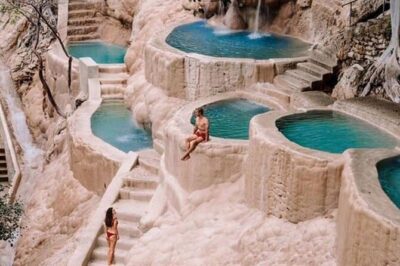
Tolantongo Caves Hot Springs & Waterfalls Small Group Tour
Read our review →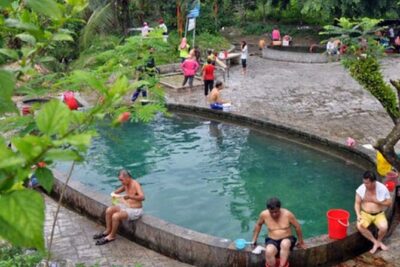
Batu Caves,Waterfalls and Hot Springs Tour With Lunch
Read our review →
Roseau: Titou Gorge, Hot Spring, Falls & Champagne Reef Tour
Read our review →Browse the lists this tour appears in