
Review · HOT SPRING HIKING TOURS
3d/2n trekking mount rinjani summit lake & hot springs
Rinjani makes you earn every view. This three-day route combines Sembalun’s open grasslands with a summit sunrise, crater-lake scenery, hot springs, and a descent through Senaru’s tropical forest. I like that you see several sides of the volcano instead of simply walking up and back down the same trail. I also like the practical support: guides, porters, tents, meals, water, sleeping bags, mattresses, and trekking poles are included.
The catch is simple: this is a very hard trek. The summit push starts around 3 a.m., followed by a descent to the lake and a steep climb to the second crater rim on the same day. Some fit hikers still find the schedule too demanding, and the trail can be rough or dangerous in places. If you want the full Rinjani circuit, this is a strong choice. If you mainly want the summit, a shorter program may suit you better.
Key points before you book
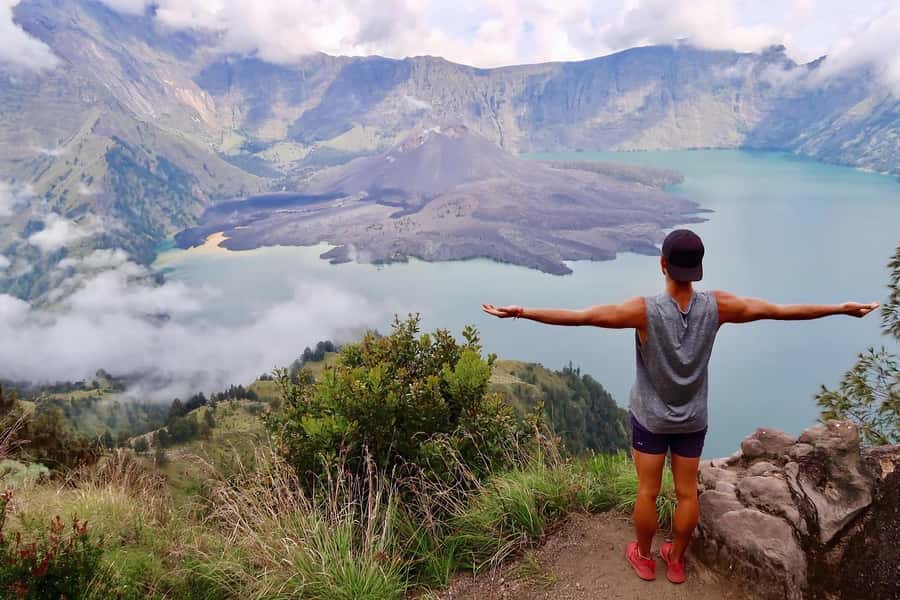
- Sembalun gives you wide-open views: The first day crosses high grassland before climbing to the crater rim.
- The summit morning is long and steep: Expect about three hours up to 3,726 meters, usually beginning at 3 a.m.
- Segara Anak Lake is the reward: You stop beside the crater lake for lunch and a short soak in the hot springs.
- The second night is not an easy finish: After the lake, you climb steeply to Senaru Crater Rim for dinner and camping.
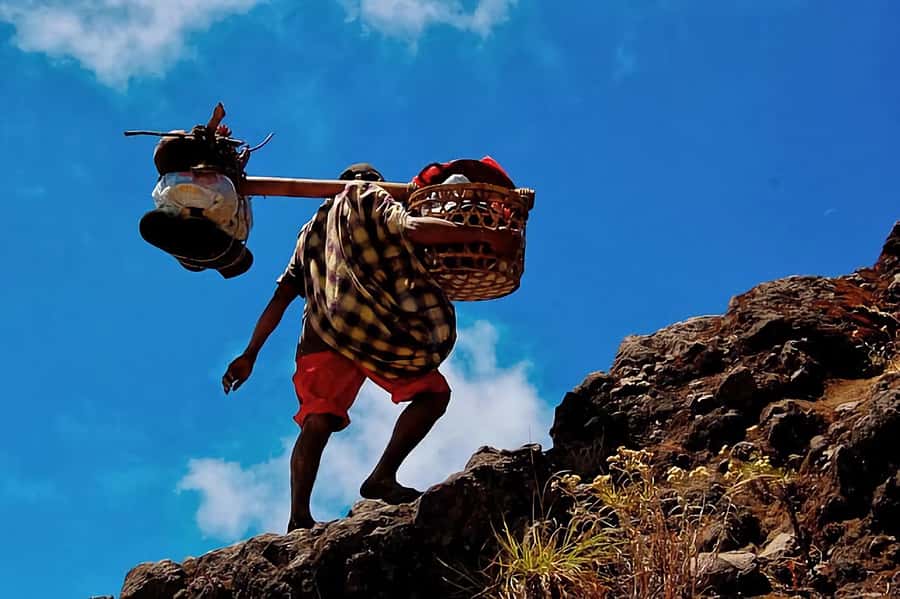
- Porters and guides matter here: They carry camping and cooking gear, prepare meals, and help keep the group moving.
- Bring warm clothing and proper shoes: Thermal layers, a jacket, gloves, a hat, and hiking shoes are not optional comforts at altitude.
What this three-day Rinjani route actually involves
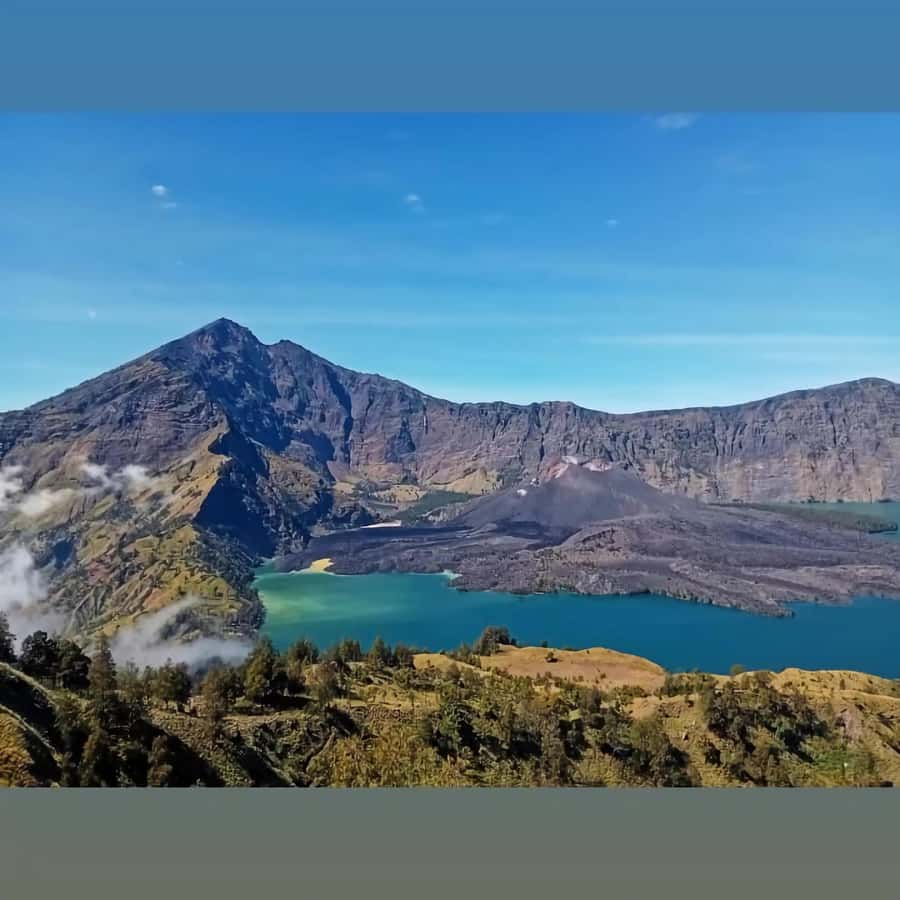
This is a point-to-point trek across Mount Rinjani. You begin near Sembalun and finish in Senaru, covering the volcano’s grassland approach, summit, crater lake, hot springs, and forested western side.
The advertised price is $154 per person. For a three-day trek with meals, camping equipment, transport, a guide, porters, water, and return transfer, that is a useful package price. But you need to add the national park entrance fee, listed as IDR 250,000 per person per day. Raincoats and trekking shoes are also extra, so your real cost depends on what you already own and how the park fee is collected for your dates.
The trip is available as a private or small-group outing. That matters on a route this tiring. A smaller group can make it easier for the guide to match the pace, though a larger group may spread the cost of support. One group arrangement used two guides and five porters for 12 people, which gives you a sense of the support needed for a full three-day crossing.
There is also a permit issue to watch. The plan is normally Sembalun to Senaru, but if permits at Sembalun are full, the operator may reverse the route. Ask for the confirmed starting gate before you leave your hotel.
More Hot Spring Hikes in Indonesia
- Bali: Mount Batur Sunrise Guided Hike and Natural Hot Spring
★ 4.8 · 9,284 reviews - Mount Batur Sunrise Hike and Natural Hot Spring Option
★ 5.0 · 1,927 reviews - Private Tour Mount Batur Sunrise Trekking and Natural Hot Spring
★ 5.0 · 431 reviews
Day one: Sembalun grassland to the crater rim
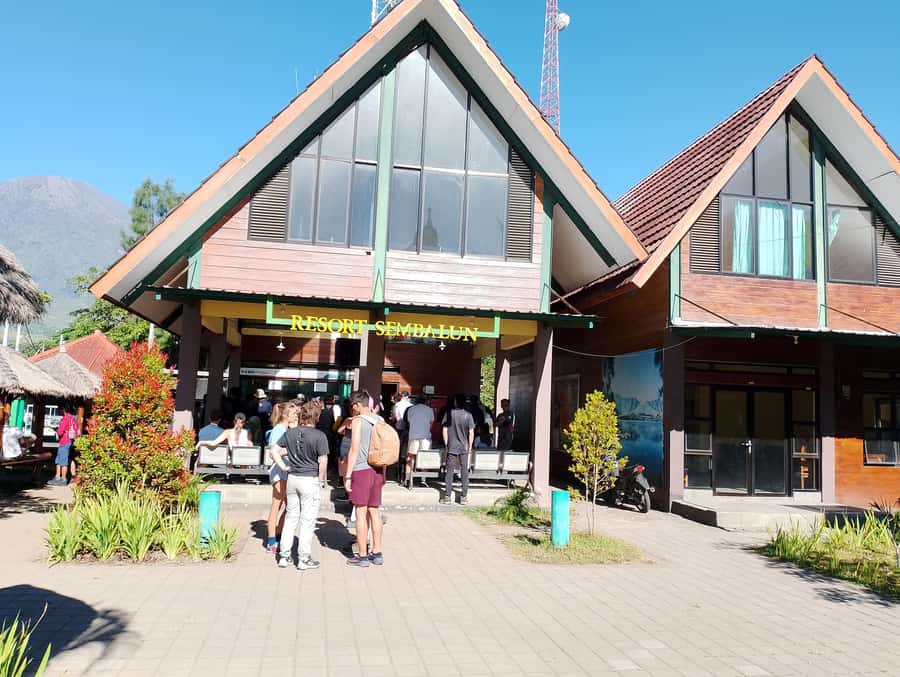
If you stay in Senaru, pickup is scheduled for about 7 a.m., followed by a 4WD transfer to Sembalun. If you stay in Sembalun, pickup is listed for around 8:30 a.m. At the Rinjani Trek Centre, you register before starting at roughly 1,156 meters.
The first section is surprisingly open. The trail crosses rolling grassland rather than thick jungle, giving you broad views of the lower slopes and the route ahead. This is the gentler-looking part of the trek, but it still takes time and steadily gains height.
You stop at Pos 1 and Pos 2 for short rests and snacks. Pos 3, at about 1,800 meters, is the main lunch stop. After lunch, the character of the route changes. The climb to Sembalun Crater Rim becomes steep, and the exposed trail offers little shelter from the sun.
That final climb is where you begin to understand the scale of Rinjani. The crater rim camp sits at about 2,639 meters, so the air is cooler and the evening can feel sharply cold. Your reward is one of the best sunset settings in Indonesia, with Lake Segara Anak below, Rinjani’s summit ahead, and northern Lombok spreading out beyond the crater.
Do not treat the first day as an easy warm-up. You need energy for the summit start before dawn. Eat well, drink steadily, and keep a warm layer handy when the sun drops.
The 3 a.m. summit push to 3,726 meters
The second day begins around 3 a.m. with a light breakfast. You then start the hardest section of the route, a roughly three-hour climb to the summit at 3,726 meters.
The final approach is physically demanding. It is steep, exposed, and tiring, especially after the previous day’s climb. Loose ground can make every step feel slow. Your guide sets the pace, but you should be ready for long pauses and a gradual climb rather than a quick march.
Arriving near sunrise gives you the best light. From the top, you can look across Rinjani’s crater, toward Segara Anak Lake, and across Lombok. On clear mornings, Mount Agung in Bali and the three Gili Islands may also be visible. These views are the main reason to accept such an early start.
The summit is not guaranteed simply because it is part of the itinerary. A French mother and daughter found the route too physical and stopped short of the top, despite being well equipped. That is not a failure. Turning around is the sensible choice if your legs, breathing, or balance are not holding up.
After the summit, you return to the first camp for a hot breakfast and a rest. This pause is welcome, but it does not mark the end of the difficult work.
Segara Anak Lake and the hot springs
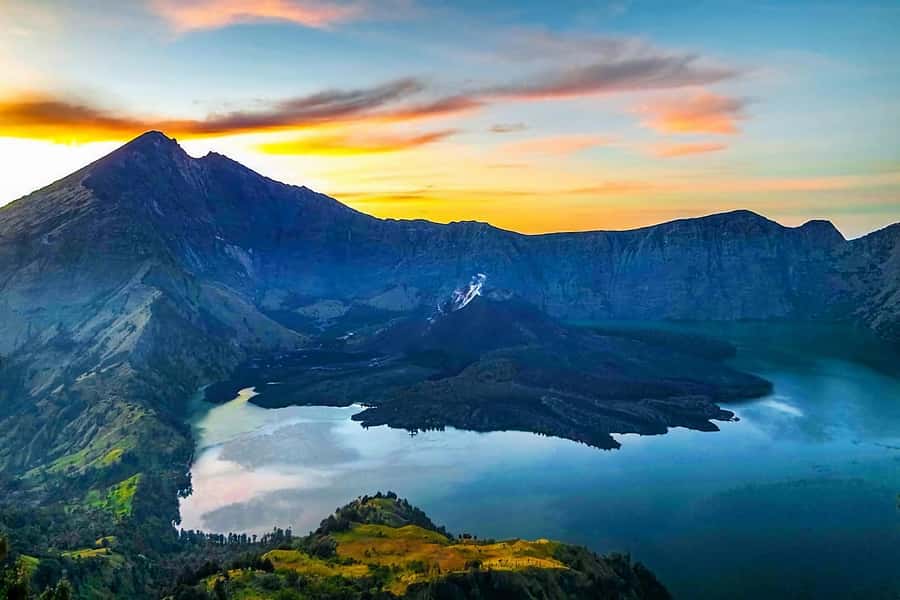
From the Sembalun Crater Rim, you descend into the crater toward Lake Segara Anak, sitting at about 2,000 meters. The change in scenery is dramatic. The high, open slopes give way to a volcanic basin with the lake below and the small Gunung Baru cone rising inside the crater.
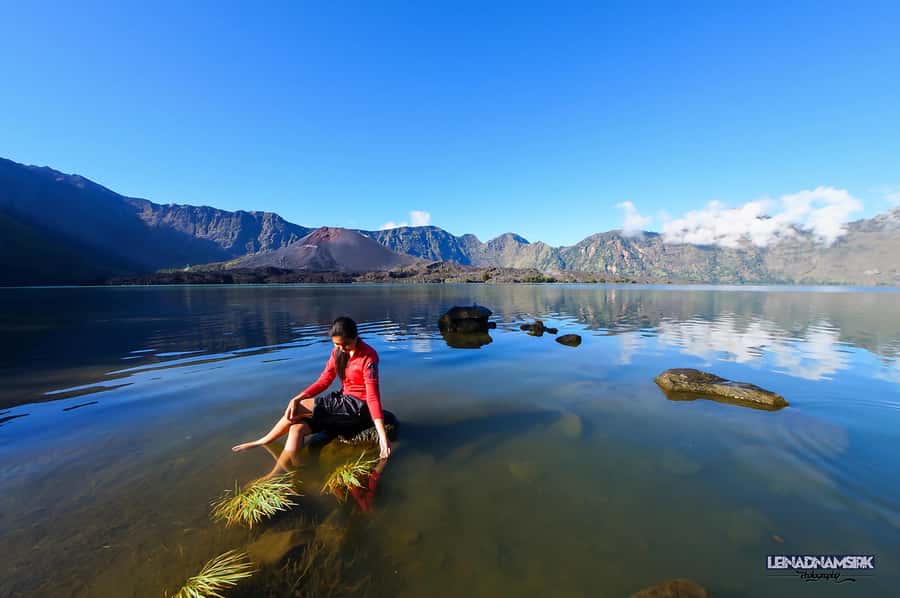
Lunch is served beside the lake. This is one of the most memorable breaks on the trek because you have time to sit near the water rather than simply stop for a snack on the trail.
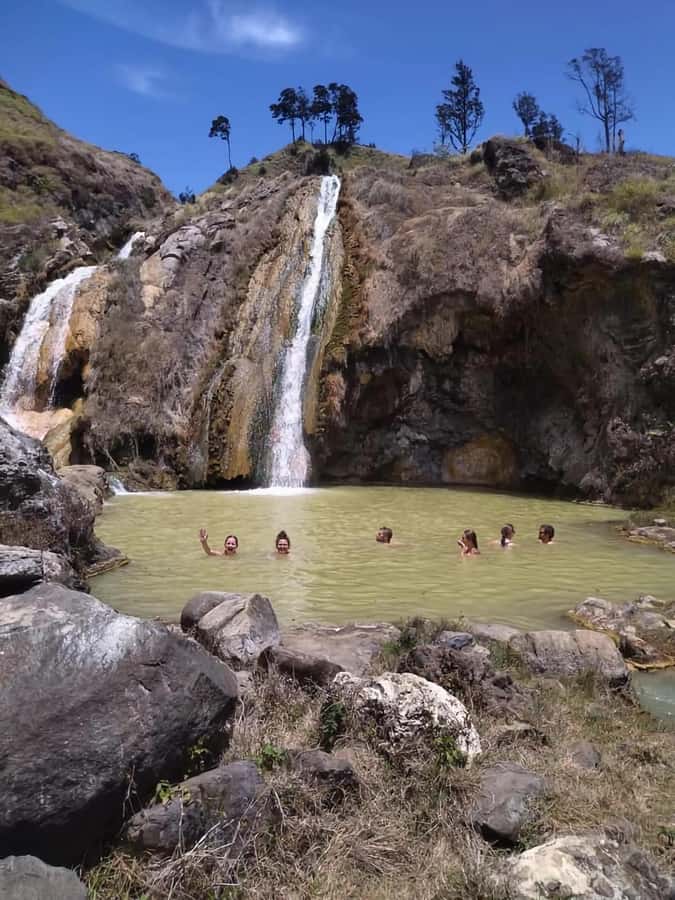
A short visit to the hot springs follows. The water is a welcome relief for tired legs, but keep expectations practical. The stop is brief, and you still have a difficult climb ahead. Sandals are listed among the suggested items, so they are useful for the hot-spring stop, but you should change back into secure hiking footwear before continuing.
The route around the lake leads to the next major challenge: climbing out of the crater toward Senaru Crater Rim. The trail is steep and rocky, then passes through thicker forest. After the summit, descent, lake stop, and hot springs, this section can feel like a second full day of hiking packed into one afternoon.
Trail conditions deserve serious attention. One account describes damaged sections after an earthquake and a dangerous nighttime passage after the hot springs. Poor footwear made the situation worse. Your guide may adjust the pace or route, but you should not assume that the hot-spring visit is harmless or effortless.
Same water, a different kind of day:
- Bali/Mount Batur: Private Sunrise Jeep Tour & Hot Spring
★ 4.8 · 3,528 reviews - From Ubud: Mount Batur Shared Jeep Sunrise & Hot Spring Tour
★ 4.8 · 1,842 reviews - Mount Batur Sunrise Jeep Tour with Optional Activities
★ 5.0 · 1,555 reviews - Bali: Shared Mount Batur Jeep Sunrise with Hot Springs
★ 4.9 · 1,332 reviews
Night two at Senaru Crater Rim
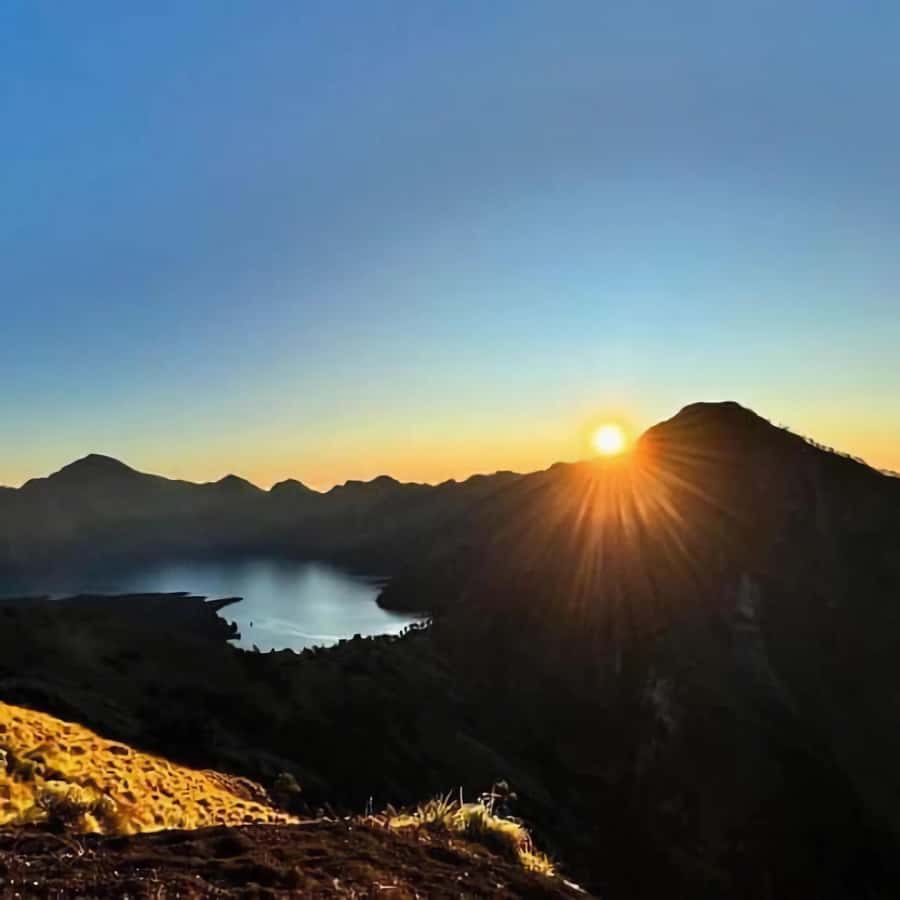
The climb ends at Senaru Crater Rim, around 2,641 meters. Dinner and your second night’s camp are set here, with views back across Segara Anak Lake toward the summit.
This rim offers a different mood from Sembalun. Instead of looking across exposed grassland, you see the lake, the volcanic cone inside the crater, and broad views toward Bali and the Gili Islands when conditions are clear. Sunset and sunrise from this side can be excellent, though cloud and weather control what you actually see.
The second camp is also where the schedule can catch up with you. You may have already spent hours climbing to the summit, walking down to the lake, resting, and climbing out again. Do not plan a lively evening. Eat, organize your sleeping bag, and protect your energy for the forest descent.
Camping equipment is provided, including a tent, toilet tent, toilet paper, sleeping bag, and mattress. The setup is basic, as you would expect on a mountain route, but having porters carry the heavier gear makes a major difference.
Day three: four to five hours down to Senaru
After breakfast, you descend toward Senaru. The route uses Pos 3, Pos 2, and Pos 1 as rest points before reaching the village at about 601 meters.
The forest becomes thicker and more tropical as you lose height. This section is less exposed than the summit route, but tired knees can make downhill walking surprisingly hard. The stated finish is around 1 p.m., with lunch included along the way.
A drop-off is provided after the trek to Senggigi, Bangsal Port, or Mataram. Confirm the exact destination when booking if you have a ferry, flight, or hotel check-in to meet. The listed arrival time gives you a useful outline, but mountain schedules can shift with weather, group pace, and trail conditions.
Food, water, porters, and camp support
Food is one of the stronger parts of this trek. The package includes two lunches, three dinners, and two breakfasts, along with two liters of mineral water per person per day. The cooking gear is carried by porters, and meals are prepared at camp.
A well-supported meal matters more here than it would on a short day walk. You need calories after the Sembalun climb, before the summit start, and again after the lake crossing. Meals may include fried rice, curry, noodles, pancakes, vegetables, and fresh fruit. That variety is a real comfort when you are eating outdoors for three days.
Your English-speaking guide handles the route and group support, while porters carry cooking and camping supplies. An experienced guide can also help you make the key call at the summit: continue, rest, or turn back. Agus received particular praise for caring for tired hikers during difficult moments, so if he is assigned to your group, you will have an experienced name to look for.
Still, you should not expect a resort-style service level. Porters are working under hard conditions, and you need to carry your own personal essentials. Keep your day bag light, but include water, layers, snacks if you prefer them, a camera, sunscreen, and a power bank.
What to pack for cold nights and rough trail
The packing list looks long because Rinjani changes temperature, surface, and exposure several times in a day. Your most important items are:
- Hiking shoes with a secure grip
- Warm jacket, gloves, hat, and long pants
- Thermal shirt and pants for the summit morning
- Sunglasses, sunscreen, and a hat for exposed sections
- Raincoat, which is not included
- Sandals for the hot springs
- Headlamp or flashlight, plus spare power
- Towel, cash, passport, and personal toiletries
- Power bank and camera
- Trekking poles, if you prefer your own, though one is provided
A down jacket or similar warm layer is worth carrying. One well-prepared pair slept in their clothes inside the provided sleeping bags, using thermal layers, a warm jacket, gloves, and a hat. That tells you more than a generic packing list: nights on the crater rim can feel very cold.
Do not rely on ordinary trainers. One slow hiker without proper hiking shoes affected the group’s pace and ended up facing a dangerous section after dark. Your footwear does not need to be expensive, but it must be broken in and suitable for steep, rocky ground.
Who should choose this trek?
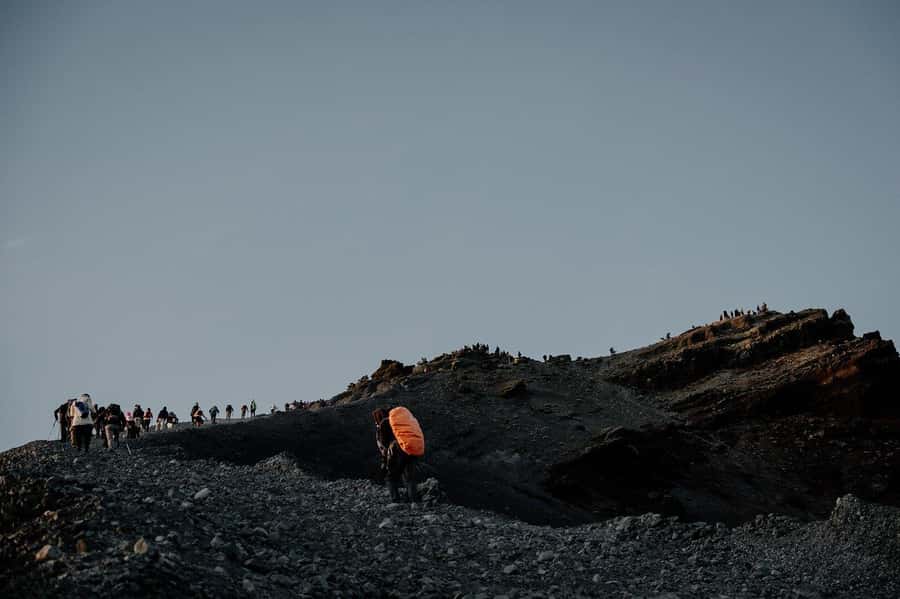
This route suits you if you want more than a summit photograph. You see the grasslands, the high crater rim, the summit, the lake, the hot springs, the inner volcanic cone, the second rim, and the forest descent. It is the best choice for someone who wants the full mountain story in one trip.
It also suits hikers who accept basic camping and a demanding schedule. You should be comfortable walking for long hours, climbing steep ground, sleeping outdoors, and adjusting plans if your body or the weather says no.
I would think twice if you have limited hiking experience, dislike early starts, or want a relaxed visit to the hot springs. The 3-day, 2-night plan is not simply a longer version of an easy summit trek. The lake and second crater rim make the second day especially punishing.
Children under four are not accepted. The supplied information does not give a wider age limit, so older children or teenagers should be assessed by fitness, experience, and the guide’s advice rather than age alone.
Should you book the Mount Rinjani 3-day trek?
Book it if you want the most varied route and can prepare for a serious physical test. The combination of sunrise from 3,726 meters, Segara Anak Lake, hot springs, two crater-rim camps, and a forest finish gives you a far fuller Rinjani experience than a quick summit trip.
Do not book it just because the price looks low or because the schedule says three days. Add the park fee, bring proper footwear and warm clothing, and accept that you may turn around before the summit. Ask about the starting gate, current trail condition, group size, and the exact plan for the hot-spring section before paying.
Free cancellation is available up to 24 hours in advance, and you can reserve now and pay later. Those terms help if your Lombok plans are still moving, but they do not change the central decision: this trek rewards preparation, patience, and honest respect for the mountain.
FAQ
How long is the Mount Rinjani trek?
The program lasts three days and two nights. It normally starts at Sembalun and finishes at Senaru.
What time does the summit climb begin?
The summit push begins at about 3 a.m. after a light breakfast, with arrival planned around sunrise.
How high is Mount Rinjani’s summit?
The summit is listed at 3,726 meters.
Is the national park entrance fee included?
No. The national park fee is listed separately at IDR 250,000 per person per day.
Are meals and drinking water provided?
Yes. The package includes two lunches, three dinners, two breakfasts, and two liters of mineral water per person per day.
Is camping equipment included?
Yes. A tent, toilet tent, toilet paper, sleeping bags, mattresses, cooking equipment, and trekking poles are included.
What happens if permits at Sembalun are full?
The route may be changed so that you start from Senaru and finish at Sembalun. Confirm the starting gate before departure.
Just added around Indonesia
- Volcano, Hot Spring, Mud Bath & Tea plantation all included★ 5.0 · 5 reviews
- Mount Batur Sunset/Sunrise Jeep Tour & Natural Hot Springs★ 5.0 · 5 reviews
- Ubud: mount.batur sunrise jeep with breakfast and hot spring★ 5.0 · 6 reviews
- Ubud: Mount Batur Jeep Sunrise, Hot Spring in one day★ 4.6 · 5 reviews
- Sunrise Trekking / Hike Mount Batur Private & Natural Hot Spring★ 5.0 · 12 reviews
- Sunrise / Sunset Jeep Tour Mt. Batur Kintamani & Hot Spring★ 5.0 · 12 reviews
- Private Mount batur Hiking and Natural Hot Springs★ 5.0 · 23 reviews
- Mount Batur Sunrise Trek with Natural Hot Spring – All Inclusive★ 5.0 · 3 reviews
Hot Spring Hiking Tours, compared.
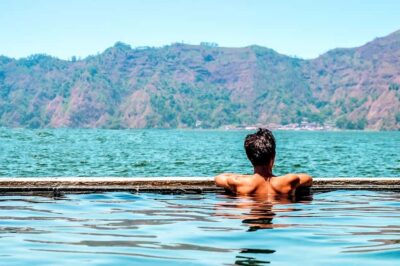
Mount Batur Sunrise Guided Hike and Natural Hot Spring
Read our review →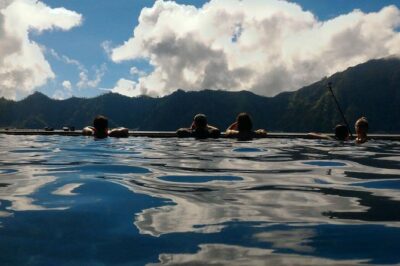
Mount Batur Sunrise Hike and Natural Hot Spring Option
Read our review →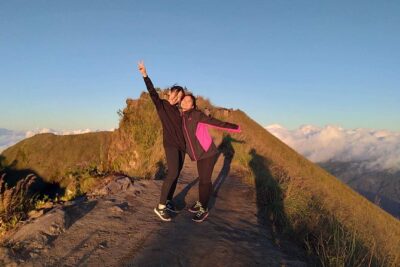
Private Tour Mount Batur Sunrise Trekking and Natural Hot Spring
Read our review →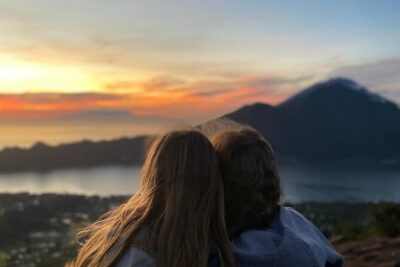
Mount Batur Sunrise Hike, Breakfast & Hot Spring
Read our review →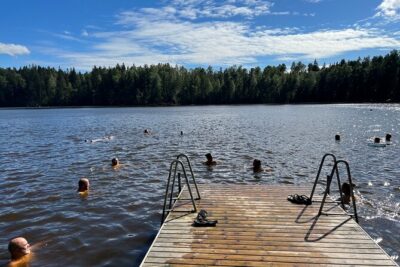
National Park Hike & Finnish Smoke Sauna Experience with Campfire Lunch
Read our review →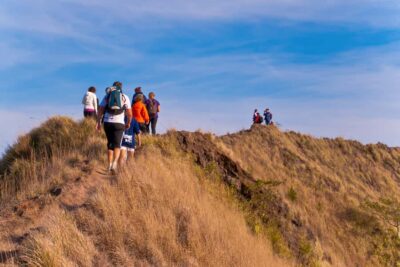
Mount Batur Sunrise Hike with Breakfast & Hot Spring
Read our review →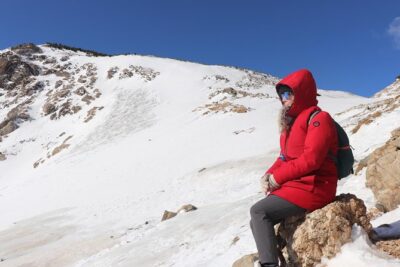
Montanejos Hiking Tour & Thermal Pools from Valencia
Read our review →Browse the lists this tour appears in